Circle Saturday, September 19 on the calendar. That is National AKC Responsible Dog Ownership Day, the anchor of a month-long push that fills parks, fairgrounds, and pet-store parking lots across the country with hundreds of free community events. Many of them include something that could genuinely bring your dog home if he ever bolts through an open gate: a low-cost or free microchip clinic. If your dog has never been chipped — or you honestly cannot remember whether the registration still lists your current phone number — this is the weekend to fix it, no vet appointment required.
Responsible Dog Ownership Day tends to fly under the radar next to flashier dog holidays, but it is quietly one of the most useful dates on the calendar for everyday owners. Here is what actually happens on the day, why the timing matters this year, and a short, concrete checklist you can knock out whether or not there is an event near you.
What Responsible Dog Ownership Day actually is
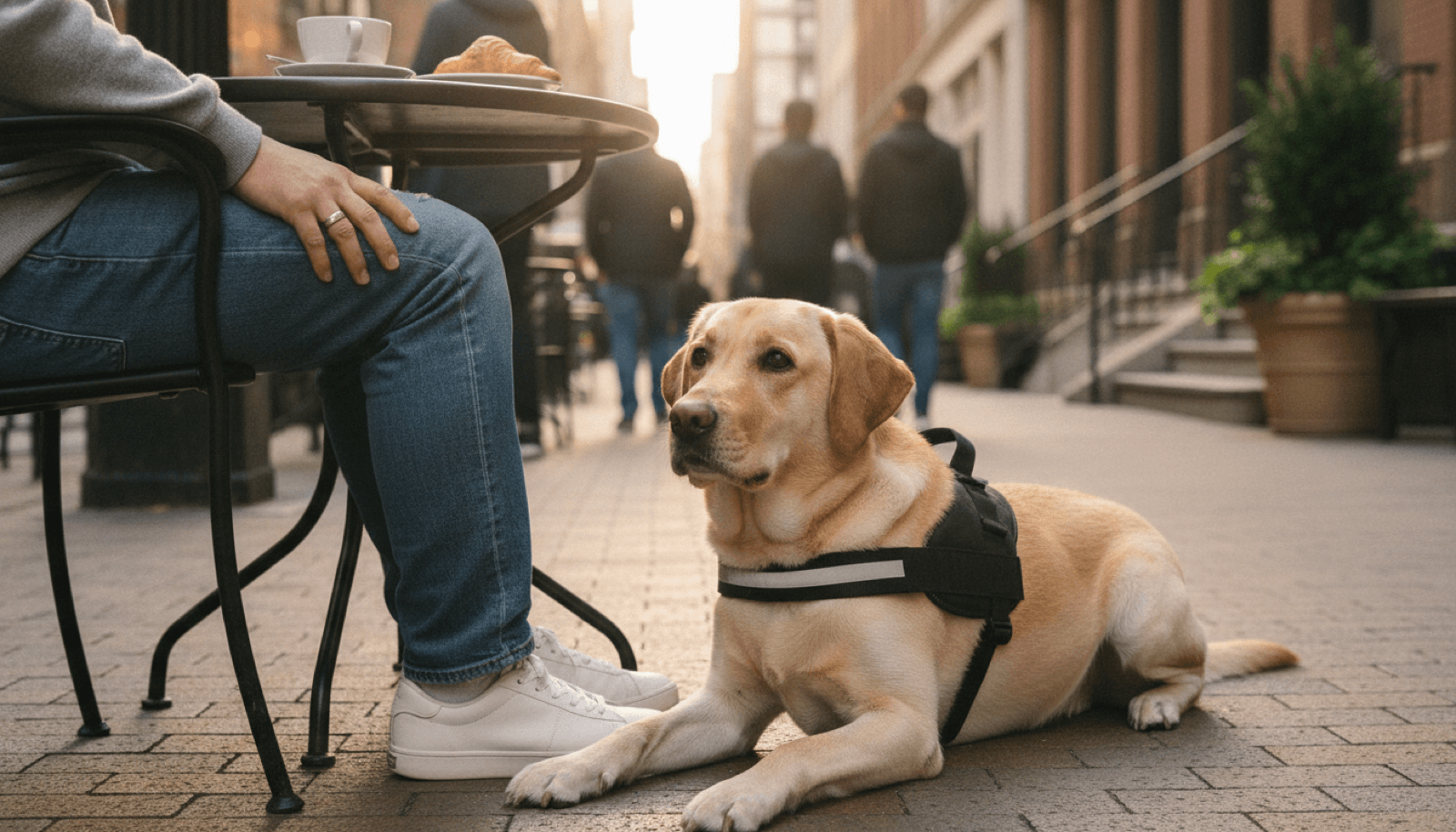
Launched by the American Kennel Club back in 2003, Responsible Dog Ownership Day lands on the third Saturday of September, with affiliated clubs hosting events throughout the month. The point is not a lecture. It is a friendly, hands-on fair: obedience and agility demos, Meet the Breeds booths, therapy- and service-dog demonstrations, breed-rescue tables, kids' dog-safety lessons, health clinics, and microchipping, all in one afternoon.
A centerpiece at many events is the AKC Canine Good Citizen test — described by the AKC as "a 10-skill test that teaches good manners to dogs and responsible dog ownership to their owners." It is open to every dog, purebred or mixed, with no age minimum, and passing earns a title that some landlords and insurers actually recognize. You can also simply "take the pledge" — the AKC's Responsible Dog Owner promise to provide care, training, cleanup, and supervision — which is a low-stakes way to get the whole household on the same page about the family dog.
Why the timing matters this year
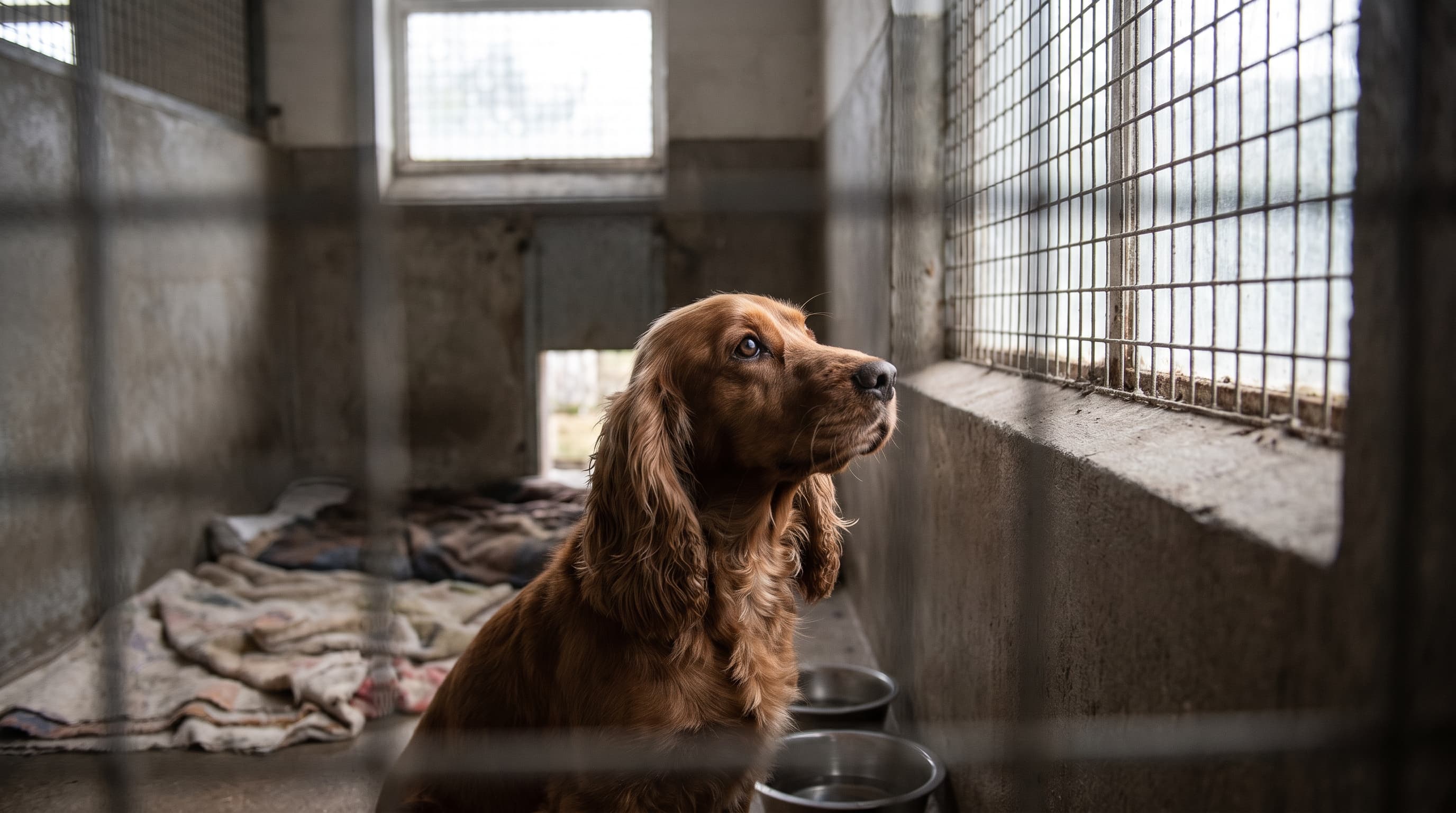
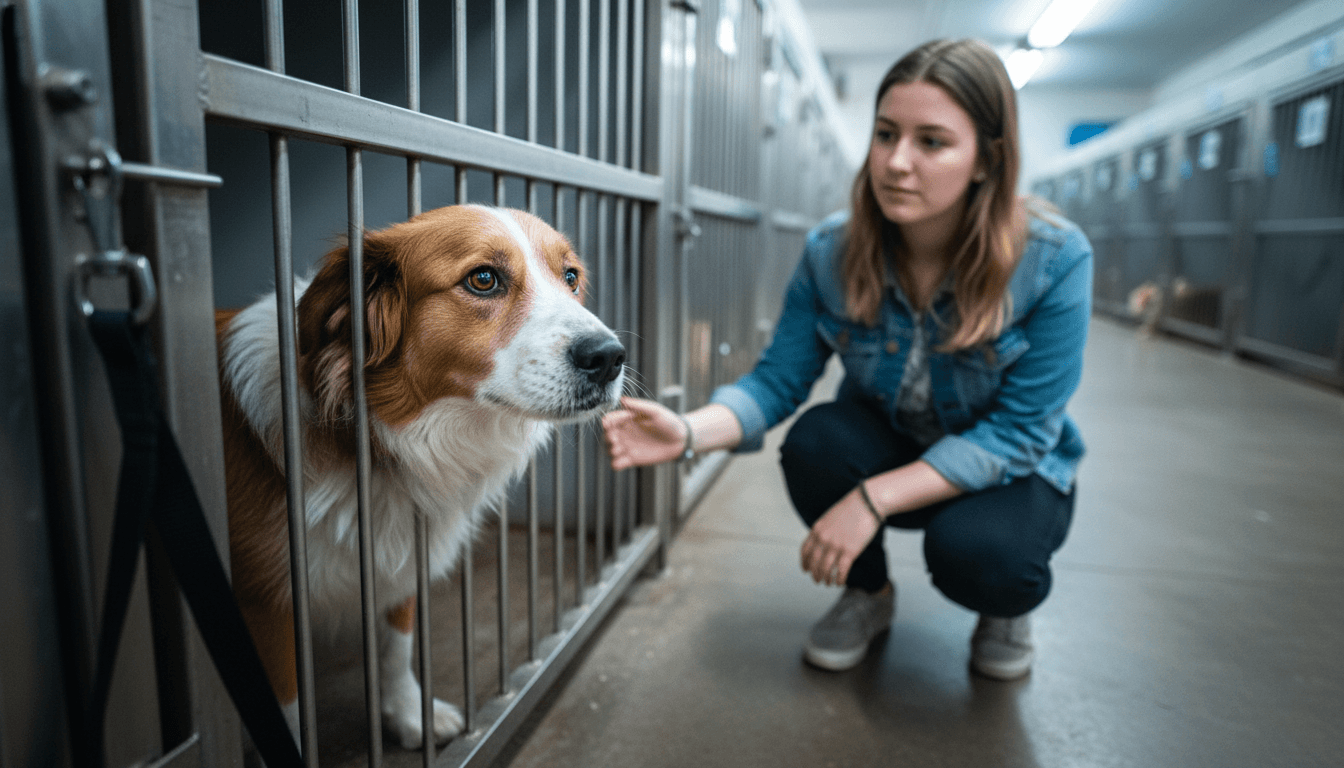
The backdrop makes the day more than a feel-good photo op. According to the ASPCA's 2025 shelter data, roughly 2.8 million dogs entered U.S. shelters and rescues last year, and 59% of all animals arrived as strays. Yet only about 542,000 dogs were reunited with their owners — a small slice of the millions that came through the door. Every one of those unclaimed strays is somebody's dog who could not be traced back home.
That gap is exactly what a September microchip clinic is built to close. September also sits at a practical sweet spot: summer's open windows, backyard barbecues, and travel are winding down, fall's fireworks-free calm makes training easier, and you are still ahead of the holiday chaos — visitors, propped-open doors, and New Year's fireworks — that sends so many panicked dogs over the fence.
The microchip clinic is the marquee freebie — and there's a catch
A microchip is a rice-grain-sized transponder placed under the skin between the shoulder blades. It is not a GPS tracker; it does nothing until a shelter or vet scans it and looks up the number. But when it works, it works dramatically. A landmark Ohio State University study found that microchipped dogs were returned to their owners at 2½ times the rate of strays overall, and owners were successfully located for 72.7% of all microchipped animals.
Here is the catch that trips up thousands of families: a chip only helps if it is registered to a phone number that still rings. In that same study, the top reasons owners could not be reached were disconnected or wrong phone numbers (35.4%), owners who never responded (24.3%), chips registered in the wrong database (17.2%), and chips that were never registered at all (9.8%). Add those up and the message is blunt — an unregistered or out-of-date chip is nearly as useless as no chip. So if you get your dog chipped at an event this month, register it that same day, and if he is already chipped, spend two minutes confirming your details are current. It is the single highest-leverage thing you will do all fall. (We covered how far a registered chip can travel in the Oklahoma dog who turned up 1,100 miles away in North Carolina.)
Your Responsible Dog Ownership Day checklist
You do not need a badge or a booth to take part. Here are six things any owner can do this month — most of them free, all of them worth an afternoon.
1. Chip it, then register it
Get the microchip if your dog does not have one, and — the part everyone skips — register it and set a calendar reminder to reconfirm your contact info once a year.
2. Update the low-tech backup: a visible ID tag
A chip needs a scanner; a tag needs only a neighbor. A cheap engraved tag with your cell number is often what gets a loose dog home within the hour, long before anyone reaches a shelter. Check that your dog's license is current too — in most municipalities it is legally required and doubles as another way to trace an owner.
3. Bank a little training
You do not have to ace the Canine Good Citizen test to benefit from it. Working toward its skills — sit, stay, coming when called, walking politely on a leash, and settling around strangers and other dogs — is what turns a bolting risk into a dog you can actually manage at the door. Ten focused minutes a day beats an hour on the weekend.
4. Get current on preventive care
Responsible ownership is unglamorous vet math: core vaccines up to date, year-round flea, tick, and heartworm prevention, and a conversation about spaying or neutering if you are not intentionally breeding. Early fall is peak tick season in much of the country, so do not let parasite prevention lapse just because the pool closed.
5. Feed the brain, not just the bowl
A well-exercised, mentally tired dog is a well-behaved dog. Sniff walks, puzzle feeders, short training games, and a predictable daily routine prevent most of the boredom-driven barking and chewing that owners mistake for "bad behavior." If your dog spends long stretches home alone, it is worth honestly asking how long is too long.
6. Be the neighbor other dog owners are judged by
Leash your dog where leashes are required, pick up every time, do not let an excited pup rush strangers or other dogs, and read the room at the park. As AKC spokesperson Lisa Peterson has put it, being "courteous and respectful of their neighbors" is how dog owners keep parks, patios, and rentals open to all of us.
How to find a free event near you
The AKC keeps a searchable, state-by-state list of Responsible Dog Ownership Day events on its Responsible Dog Ownership Day page. Filter by your state, note which booths matter to you — microchip clinic, CGC testing, a vaccine table — and go early, since free chip and vaccine clinics often run out of slots. No event nearby? Everything on the checklist above works from your own couch and kitchen, and your local shelter or vet can usually chip and register a dog any week of the year.
The takeaway
Responsible Dog Ownership Day is less about a single Saturday and more about a five-minute mindset: the difference between a lost dog who comes home and one who does not often comes down to a current microchip, a legible tag, and a little training banked before you needed it. Pick one item off the list this week — ideally that chip registration — and you have already done the most important thing the day is asking of you.
For more vet-informed, plain-English guides to keeping your dog safe, trained, and genuinely happy, keep it locked on Sidewalk Dog — we fetch this stuff so you do not have to.