
When lawmakers left Washington for their August recess, they left something unfinished on the table: the fate of the roughly 10,000 puppy mills operating across the United States, fewer than 3,000 of which are even regulated by the federal government. When the Senate Agriculture Committee reconvenes in September, the language it writes into the 2026 Farm Bill will help decide whether the next generation of American puppies is born into a warm whelping box or a stacked wire cage.
For dog owners, this isn't abstract policy. An estimated 250,000 dogs currently live in cruel puppy mills, and roughly 2.11 million mill-bred puppies are sold every year — many of them through the pet store down the road or a slick website that looks nothing like the barn the puppy actually came from. Here's what's really at stake in September, and what you can do about it before you ever bring a puppy home.
What Congress left unfinished before recess
Two big pieces are in motion at once. The first is the Farm Bill itself — the massive, once-every-few-years package that quietly sets the rules for how the U.S. Department of Agriculture (USDA) licenses and inspects commercial dog breeders. The House passed its version, HR 5767, on April 30, 2026, with several provisions strengthening the Animal Welfare Act (AWA): more resources for the USDA to enforce breeding standards, tighter health-documentation rules for pets entering the country, and even funding to help domestic-violence survivors flee to shelters with their pets.
The Senate, however, ran out of runway. Its Agriculture Committee did not advance "Farm Bill 2.0" before breaking for August, and it's expected to return to markup — the line-by-line editing where legislation lives or dies — in September. That's the window where animal-welfare language could be strengthened, watered down, or stripped out entirely.
The second piece is the Puppy Protection Act, led in the Senate by Sen. Dick Durbin (D-IL) alongside more than a dozen bipartisan co-sponsors including Sens. Ron Wyden, Jeff Merkley, and Richard Blumenthal. It would bolt concrete, nationwide breeding standards onto the AWA — and it's the provision advocates most want folded into the final Farm Bill.
The scale of the problem, by the numbers
To understand why advocates are pushing so hard, look at the enforcement gap. According to the ASPCA, despite USDA inspectors documenting suffering on inspection reports, "zero dogs were removed" from puppy mills in 2025. Not a handful. Zero.
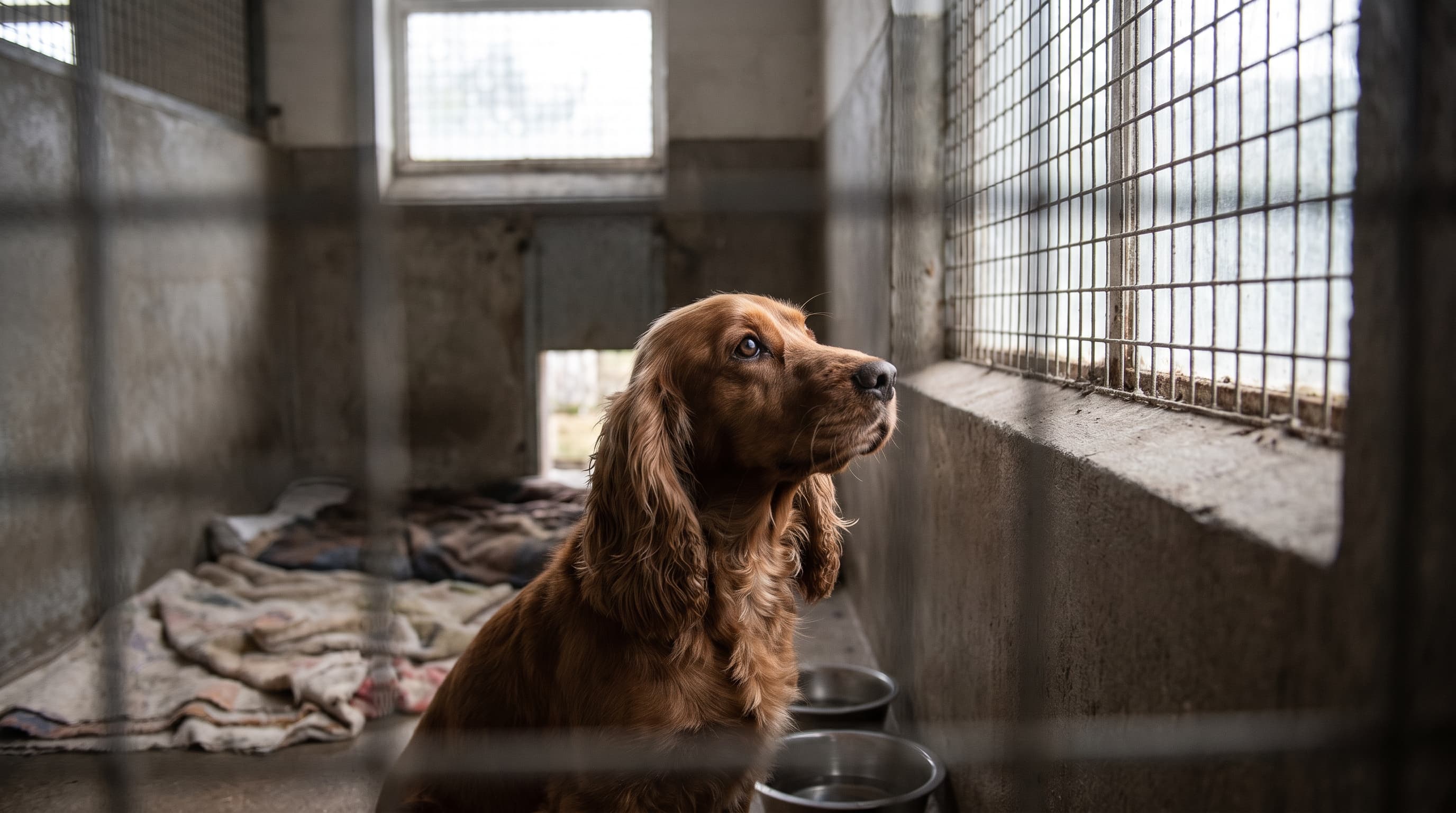
The picture on the ground is grim. Humane World for Animals (formerly the Humane Society of the United States) publishes an annual "Horrible Hundred" report spotlighting known problem breeders — facilities cited for injured and emaciated dogs living in cramped, filthy conditions. Missouri has topped that list for 14 years running, with Wisconsin close behind, a reminder that the puppy-mill belt runs straight through America's heartland. Tellingly, more than half of the mills the group tracks are USDA-licensed, meaning they can legally sell to pet stores and ship puppies to buyers in any state. The reports do work: since 2013, they've helped shutter nearly 250 facilities and rescue more than 3,300 dogs.
And these facilities aren't fringe operations feeding a fringe market. The ASPCA has reported that roughly 80% of puppies sold in pet stores originate from mills, either directly or through brokers. The cages are often stacked, the same females are bred cycle after cycle, and the puppies you see online are the marketable output of a system most buyers never lay eyes on.
What the Puppy Protection Act would actually change
The bill's provisions read like a checklist of everything a responsible breeder already does — and everything a mill skips to cut costs. According to Sen. Durbin's office, it would:
- Cap breeding at no more than two litters in any 18-month period, and no more than six in a dog's lifetime.
- Require enough space for each dog to stand, sit, lie down, and walk normally, plus real access to an outdoor exercise area large enough to reach a full stride.
- Mandate meaningful daily socialization — brushing, petting, playtime — not just food shoved through a cage door.
- Set standards for veterinary care, proper nutrition, and protection from extreme heat and cold.
- Require breeders to find humane placement for retired breeding dogs, such as adoption or rescue, rather than discarding them.
To anyone who has raised a well-socialized puppy, none of this sounds radical. It's roughly the difference between a dog that comes home confident and one that arrives terrified of grass, stairs, and human hands.
Why it's stalled — and the pushback
If the standards sound like common sense, why hasn't this become law already? Part of the answer is that any change to the AWA gets tangled in the larger Farm Bill fight, where dog welfare competes for oxygen with crop insurance and nutrition programs. Part of it is organized opposition.
The American Kennel Club, for instance, opposes the Puppy Protection Act, arguing that its "one-size-fits-all" mandates — fixed litter limits, engineering-style kennel requirements, pre-breeding veterinary sign-offs — would sweep up small, responsible hobby breeders alongside the bad actors the bill is meant to target. Supporters counter that federal minimum standards are exactly what's missing, and that responsible breeders already clear this bar. That tension is precisely what September's markup will try to resolve.
There's also a parallel effort worth watching: the Better CARE for Animals Act, which would give the Department of Justice authority to prosecute the worst USDA-licensed offenders directly, rather than waiting on administrative action that, as 2025 showed, can result in no dogs being removed at all.
What you can do before you bring a puppy home
Legislation moves slowly, but your own choices don't have to. The single most powerful vote against puppy mills is where you get your next dog. If you're buying from a breeder, insist on seeing where the puppy was raised, meeting at least the mother, and getting health clearances — and walk away from anyone who wants to meet in a parking lot or ship a puppy sight unseen. If a "breeder" has multiple litters of several breeds available year-round, that's a red flag, not a convenience.
Adoption is the other powerful lever. Shelters and breed-specific rescues are full of wonderful dogs, including plenty of puppies — and we've written before about how a single weekend foster sleepover can make a shelter dog far more likely to get adopted, and what it's really like to welcome home a dog rescued from a breeding facility. Every adoption is one less customer for the mill pipeline.
Finally, if this issue moves you, September is the moment your voice actually counts. Advocacy groups on every side are urging constituents to contact their senators while the Farm Bill is being marked up. A two-minute message to your senator's office — asking them to protect and strengthen the Animal Welfare Act provisions — lands with real weight when a committee is deciding what stays in the final bill.
Puppy mills have outlasted decades of outrage precisely because the dogs suffering in them are invisible to the people buying their puppies. This fall, for a few weeks, they won't be — and the people writing the rules will be listening. At Sidewalk Dog, we'll keep tracking where the Farm Bill lands so you can make the most informed, most humane choice for your family's next best friend. Sign up for our newsletter to follow the story as it develops.