
If you were watching the Senate Agriculture Committee on Thursday afternoon expecting a farm bill, you got a recess instead. The Agricultural Act of 2026 — the bill Washington has been calling "Farm Bill 2.0" — failed to advance on a 10-11 vote on August 6, and Chairman John Boozman (R-AR) gaveled the session into an indefinite recess rather than let the package die outright.
Almost every headline about it led with food stamps and ethanol. Fair enough — that's what the fight was about. But buried in Title 12 of that bill are the most significant changes to federal dog policy in years: new electronic health documentation for every dog imported into the United States, and more money and reporting requirements for the USDA office that inspects commercial dog breeders.
None of it moved. Here's what that actually means if you own a dog, foster for a rescue, or are shopping for a puppy this fall.
What happened in the room
The committee spent the day working through amendments — 16 Republican and 18 Democratic amendments were adopted by voice vote, while roughly a dozen Democratic amendments were rejected, most on 12-11 party-line votes. The bipartisan farm policy provisions weren't the problem. The blowup was over SNAP cost-sharing: a 2025 reconciliation law requires states with payment error rates above 6% to start paying part of the cost of food benefits in fiscal 2028, and Boozman's pre-markup offer to delay that to fiscal 2029 (2030 for the worst-performing states) wasn't enough for Democrats on the panel.
Republicans hold the committee majority, but they were short two members: Sen. Mitch McConnell (R-KY) is recovering from a fall, and Sen. Tommy Tuberville (R-AL) left before the final vote. That arithmetic — not the policy — is why the count came out 10-11.
"Farmers need hope, and sadly we didn't give that to them today," Boozman told reporters afterward. Because he recessed rather than adjourned, he can reconvene and call the vote again once his absent members are back — likely after the Senate's recess.
So this is a delay, not a death. But in Congress, a delay in August is rarely a short one.
The dog provisions that are now on hold
1. Electronic health records for imported dogs
The bill's Title 12 summary says it "bolsters USDA efforts to prevent foreign animal diseases from entering the U.S. by requiring robust electronic documentation for the importation of dogs." That language mirrors the Healthy Dog Importation Act (S. 1725, sponsored by Sen. Chuck Grassley, R-IA; H.R. 3349, sponsored by Rep. Dusty Johnson, R-SD), which has been sitting in committee since May 2025.
Under that framework, before a dog arrives in the U.S., USDA would have to receive electronic documentation showing the dog:
- is in good health,
- has received all required vaccinations and parasite treatments, with negative test results certified by a licensed veterinarian, and
- is permanently identified by a USDA-approved method — in practice, a microchip.
Any dog imported for transfer — sale, adoption, exchange, or donation — would also have to be at least six months old and travel with a USDA permit. USDA would maintain a centralized database of imported dogs and could charge fees for verifying paperwork and issuing permits. There are carve-outs for U.S.-origin personal pets coming home, military working dogs, research animals, dogs entering solely for veterinary treatment, and certain Hawaii entries.
Right now, the front-line federal requirement most importers deal with is the CDC Dog Import Form, whose web system was refreshed on February 5, 2026 (the look changed; the requirements didn't). It's a self-reported form, and for dogs coming only from rabies-free or low-risk countries, it's the only thing needed. The farm bill language would put a second, USDA-run, veterinarian-certified layer underneath it — which is precisely why groups on both the breeder side and the rescue side have watched it closely for years.
2. USDA enforcement money — and the Goldie's Act fight
The base text also gives USDA more resources and reporting obligations for enforcing the Animal Welfare Act, the law behind federal breeder licensing. Animal-welfare groups pushed to go further by attaching language from Goldie's Act (H.R. 349), which would redefine "violation" to mean any deficiency or failure to comply, erasing the current distinction between a paperwork slip and a serious animal care failure, and would require inspectors to document every violation observed.
The American Kennel Club's government relations arm urged senators to pass Title 12 unamended, arguing Goldie's Act would sweep minor recordkeeping errors into the same bucket as neglect, and objecting that the bill permits seizure or euthanasia over "psychological harm" — a term it doesn't define. Advocacy groups on the other side point at the enforcement record.
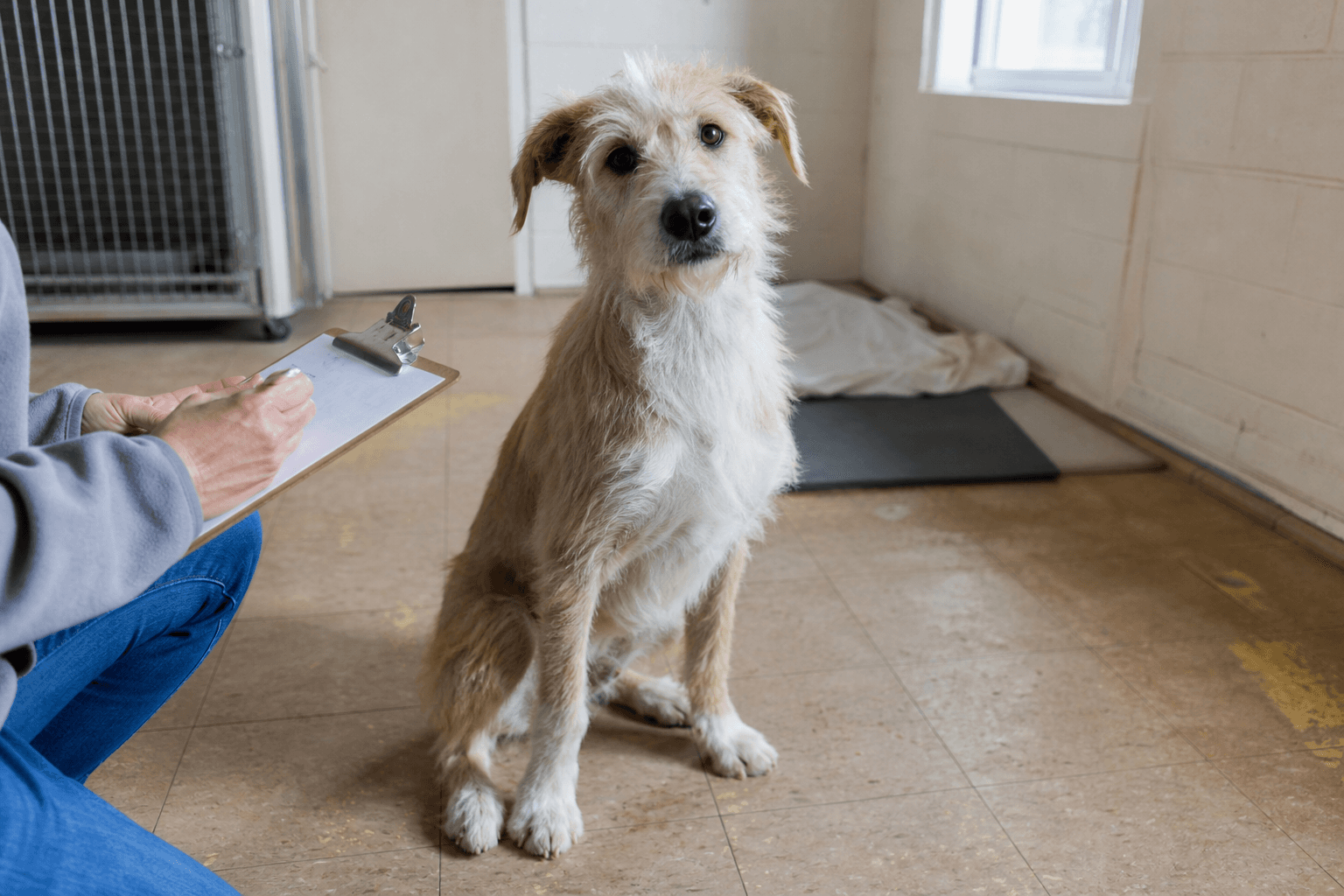
And that record is genuinely bad, from both a watchdog and an internal-auditor perspective. The USDA's own Office of Inspector General reported that 80% of the licensed dog breeders it re-visited still had at least one Animal Welfare Act noncompliance, that inspectors missed the agency's own risk-based inspection frequency guidelines for 95% of breeders reviewed, and that 29% of inspections in the review period were late — with staffing shortages and a buggy scheduling algorithm cited as causes. The ASPCA's 2025 enforcement analysis counted roughly 2,500 licensed commercial dog dealers, over 680 violations at dog-dealing facilities, one violation for every six inspected dealers — and zero dealers who lost a license. Only about a third of USDA's 16,000 licensed facilities were inspected that year, after the agency's licensing arm shrank by about 25% in 2025.
We're not going to tell you which version of the bill is right. Reasonable dog people land in different places on that, and Sidewalk Dog's job isn't to pick your politics. What we will say is that both sides are describing the same underlying reality: the "USDA-licensed" label on a breeder's website is a much weaker signal about a dog's living conditions than most buyers assume.
What this changes for you — practically
If you're buying a puppy
The status quo holds, which means the burden of vetting stays entirely on you. Do not treat "USDA licensed" or "USDA inspected" as a quality endorsement. Instead:
- Look up the actual inspection reports. USDA publishes them in its Animal Care public search tool. Read the narrative sections, not just the pass/fail.
- Insist on seeing where the dogs live — in person or on an unscripted live video walkthrough, including the whelping area and the mother.
- Ask for breed-appropriate health testing on both parents with certificate numbers you can verify (OFA, CHIC, or breed-club equivalents).
- Walk away from a meet-in-a-parking-lot handoff, a puppy under 8 weeks, or a seller who won't say where the litter was born.
If you're adopting from a transport or overseas rescue
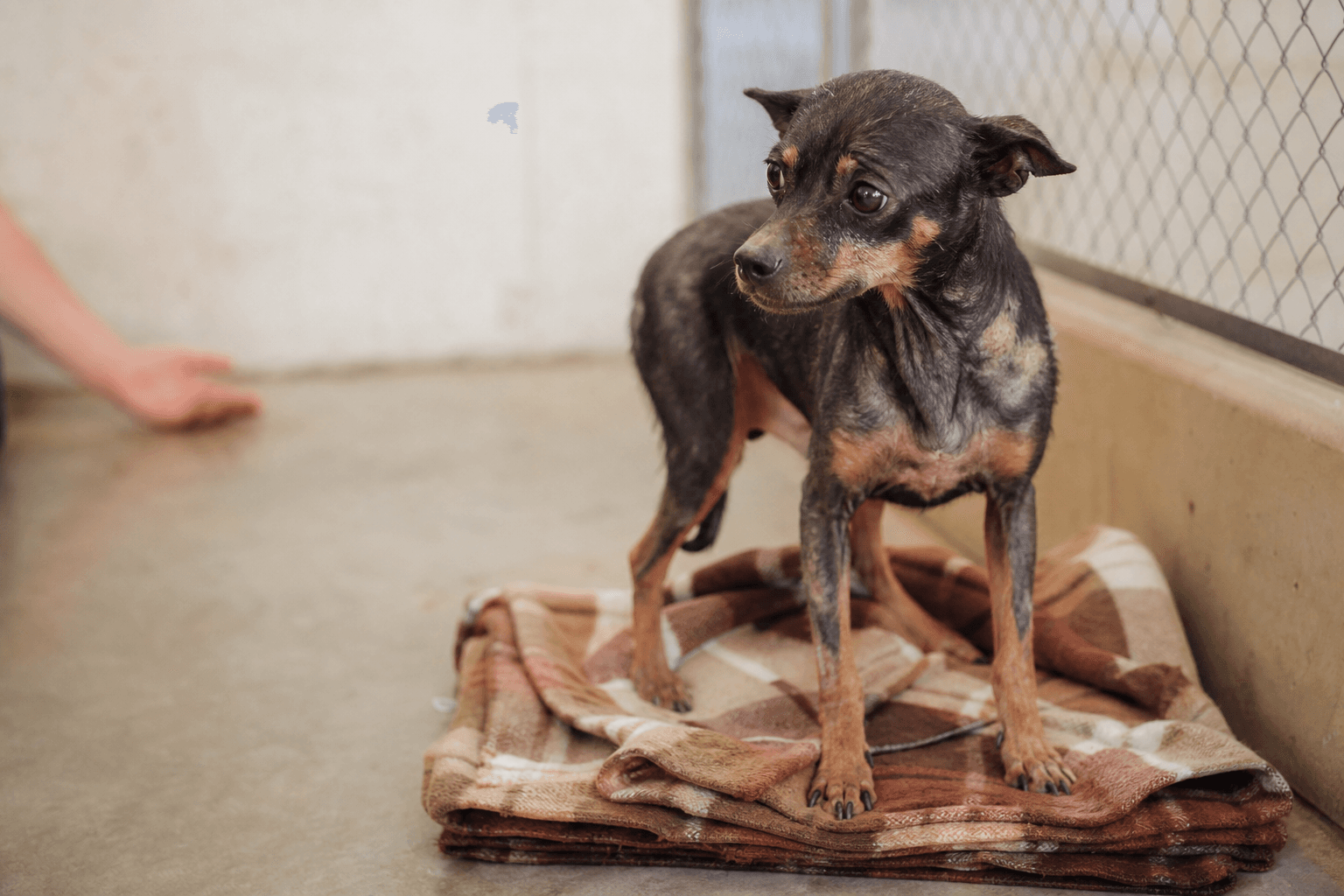
Plenty of transport rescues do this well. But under current rules, health paperwork for imported dogs is largely self-attested, and 2026 has already given owners two good reasons to care: New World screwworm moving north and ongoing scrutiny of rabies-risk countries. Ask any rescue placing an imported dog for the dog's country of origin, the CDC import receipt, the microchip number, and the name and license of the veterinarian who signed the health certificate. A good rescue will hand all four over without flinching.
If you already have a dog
The most useful thing to do is unglamorous: make sure your own dog's microchip registration is current and that its rabies vaccine and parasite prevention are documented in a place you can actually find. Import rules, disease outbreaks, and interstate travel requirements all key off the same three pieces of paper. When something moves fast — a screwworm quarantine, a rabies exposure investigation, an airline policy change — the owner with a current chip registration and a legible rabies certificate has a very different week than the one without.
What to watch next
- Boozman reconvening the markup. Because he recessed instead of adjourning, the same bill text can come back for a vote once McConnell and Tuberville are available. Watch the committee's business-meeting notices.
- Whether Title 12 survives intact. The dog import language was in the base text and wasn't the source of the fight, so it has a decent chance of riding along whenever the package moves.
- Standalone action. If the farm bill keeps stalling, expect renewed pressure to move the Healthy Dog Importation Act on its own — that's how E15 got peeled off in the House, and it's the obvious play here too.
- Another extension. If Congress can't finish a five-year bill, a short-term extension of existing authorities becomes the likeliest outcome, which would leave dog import rules exactly where they are today.
One more thing worth saying plainly: this is the third year running that federal dog-import reform has been introduced with bipartisan sponsors, gotten quietly folded into a bigger vehicle, and then stalled for reasons that had nothing to do with dogs. If you care about the outcome — in either direction — the committee stage is where constituent calls actually register. AKC's government relations team asks people to loop them in at [email protected]; welfare groups run their own alert lists. Either way, your two senators' offices count contacts, and it takes about ninety seconds.
The bottom line
Nothing about your dog's life changed on Thursday. That's kind of the point. A farm bill that would have tightened the paperwork behind imported dogs and pushed USDA to inspect breeders more consistently is now parked until at least September, and the practical consequence is that the responsibility for vetting a breeder, a rescue, or a transport keeps living with you.
Do that homework well and you'll almost certainly end up with a healthy dog and a clean conscience. Skip it, and you're relying on a federal enforcement system that its own inspector general says missed 95% of its inspection deadlines.
We track the dog news that actually changes something at the end of your leash — recalls, rule changes, health research, and where to take your dog this weekend. Find dog-friendly patios, parks, and events near you at sidewalkdog.com/cities, or browse the latest at sidewalkdog.com.