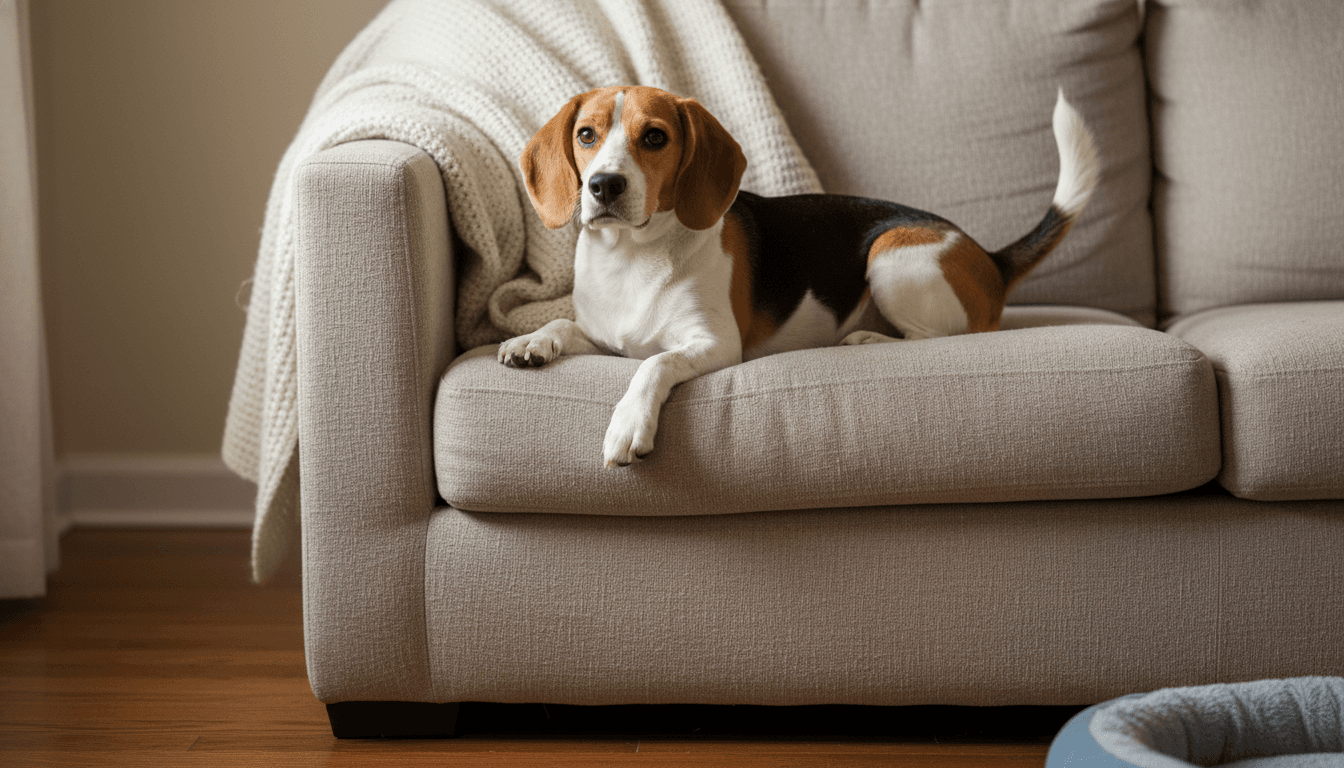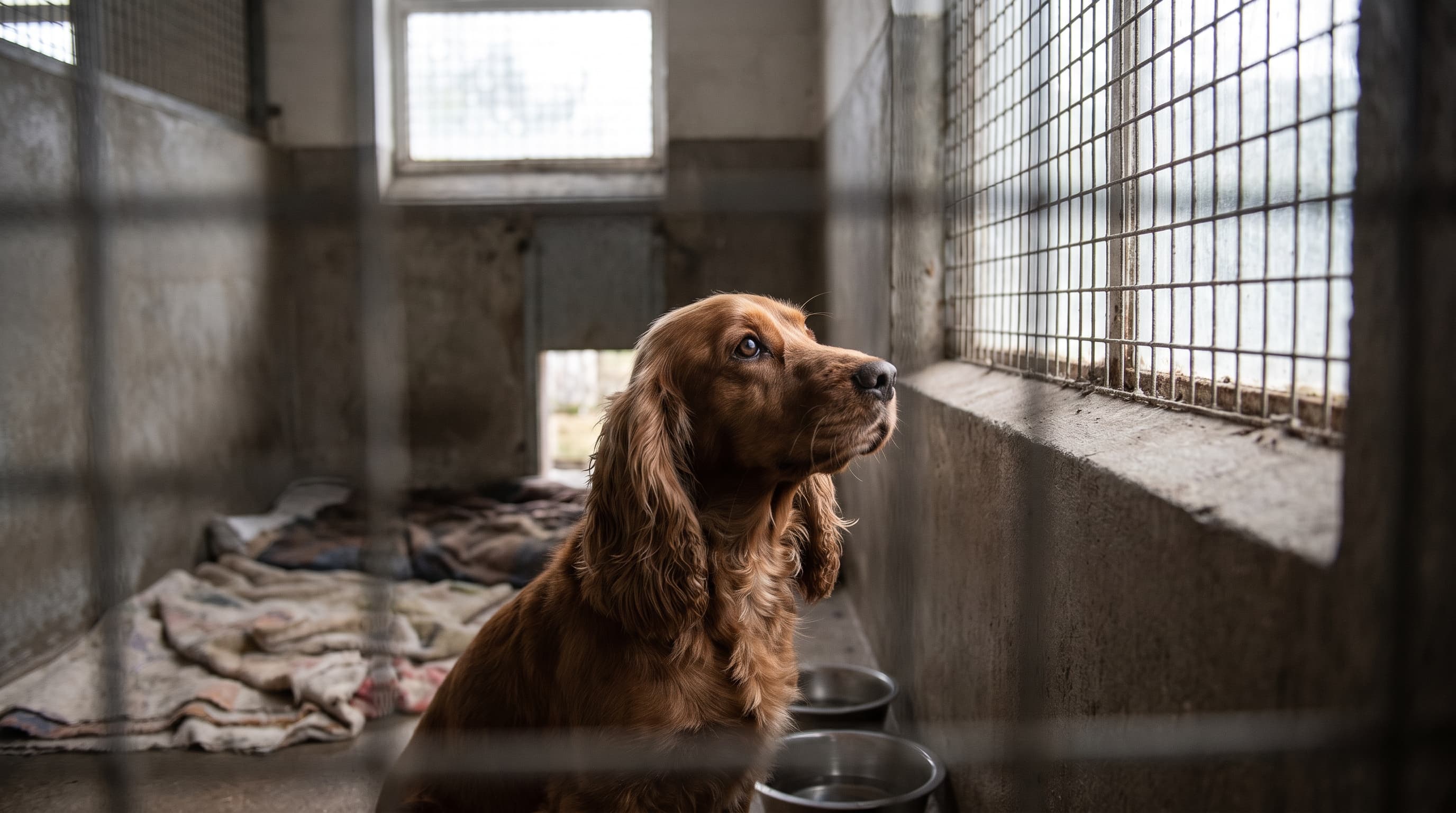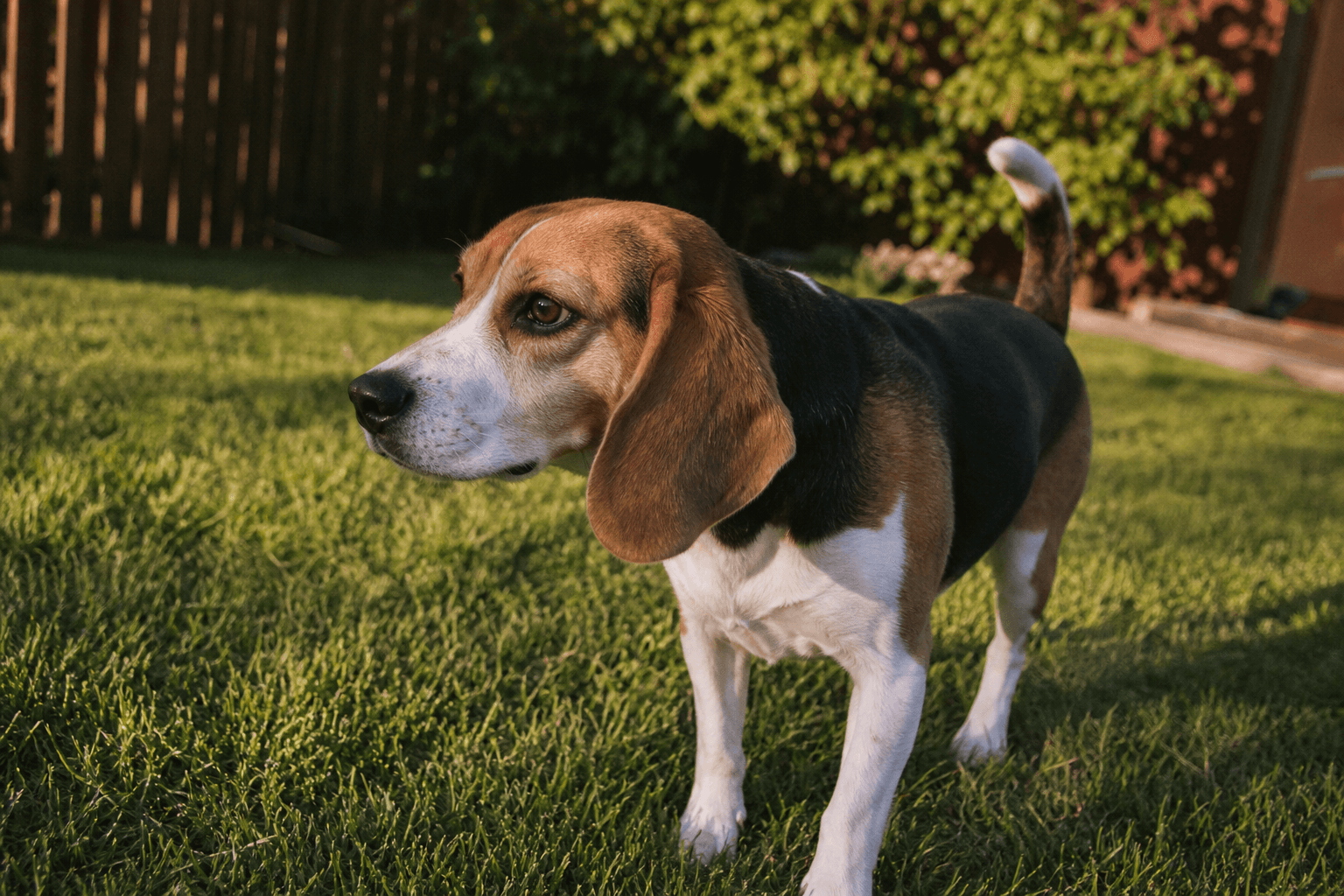

On Wednesday, a bus pulled out of the Town of Blue Mounds, Wisconsin, carrying 155 beagles — 141 of them puppies under 10 months old. When it left, Ridglan Farms was empty. Since late April, 2,115 beagles have been transferred out of the breeding and research facility, and Big Dog Ranch Rescue says Ridglan has committed to permanently ending its dog breeding, sales, research and testing operations.
“They’re all experiencing freedom,” activist Tricia Van Aartsen told WMTV in Madison, describing the day the last dogs walked out. Rescue staff in Florida noticed something eerie when the final group arrived: the beagles — a breed famous for its baying — were nearly silent.
It's the biggest dog-adoption story of the summer, and it's about to become a very practical question for a lot of families. Thousands of these dogs are now in rescue pipelines from Wisconsin to Florida, and rescue organizers say plenty of earlier-transferred Ridglan beagles are still waiting for homes at smaller Wisconsin groups that never got the headlines.
So here's the honest, non-sentimental version of what you need to know before you fill out that application.
What actually happened at Ridglan Farms
Ridglan Farms bred beagles in Dane County, Wisconsin, for sale to research laboratories — one of only a handful of such facilities in the United States. It was the target of years of protest, including a March break-in in which activists removed 30 dogs, and confrontations that escalated in April.
In June, the Associated Press reported that Big Dog Ranch Rescue, a Loxahatchee Groves, Florida nonprofit, had reached an agreement for the facility's permanent closure and the transfer of its remaining beagles. The rescue had already purchased roughly 1,500 dogs in April for an undisclosed price; additional groups of 325 and then the final 155 followed.
Ridglan has disputed the activist framing throughout, pointing to USDA and Wisconsin DATCP inspection records — including a May 11 state visit the company says identified no animal care issues — and describing the dogs as healthy. The legal fallout is not over either: dozens of co-defendants face charges connected to earlier removals of dogs from the facility, with preliminary hearings expected to begin in September.
We're not going to litigate that fight here. What matters for dog owners is simpler: a large population of young, under-socialized beagles just entered the adoption system all at once, and they don't come home like a typical shelter dog.
What the research says about former laboratory beagles
This is one of the rare rescue stories where we actually have peer-reviewed data instead of anecdotes — and the data is encouraging.
A study of 100 rehomed former laboratory beagles compared against 244 pet beagles using the C-BARQ behavioral questionnaire (published in Animal Welfare) found the lab beagles showed more fearfulness, more attention-seeking and attachment behaviors, and more abnormal repetitive behaviors. But they were also significantly less aggressive, less likely to chase other animals, and less likely to try to escape. And critically: on the majority of everyday behaviors measured, there was no significant difference at all.
A separate PLOS One study observed 74 rehomed laboratory beagles in their new homes six weeks after adoption, plus phone interviews with 145 owners at one and 12 weeks. The dogs were mostly friendly toward people and other dogs, tolerated handling, and stayed relaxed on walks — even in traffic. Eighty percent walked on leash without pulling. Notably, dogs bred inside research facilities scored better than dogs the facility had purchased from commercial laboratory-dog breeders (p = 0.0113).
Translation: these dogs generally do fine. The hard part is the first several weeks, and it is genuinely hard.
The first 90 days: a realistic timeline
Rescue groups working with testing-facility survivors lean on a version of the “rule of 3s.” It's not a law of nature, but it sets expectations honestly.
First 3 days — shut down
Expect a dog who hides, trembles, avoids eye contact, and may refuse food, water, or elimination for 24–48 hours. Don't force interaction. Sit nearby and read aloud quietly. Let the dog watch you be boring and safe. Call your vet if a dog won't drink past 24 hours.
First 3 weeks — the routine takes hold
Predictability does more than affection here. Same walk time, same meal time, same crate. You may get a first tail wag or the first actual beagle bark. Some boundary-testing and quirks surface as the fear lifts — that's progress, not regression.
First 3 months — personality
Trust is usually established. The dog plays, sleeps flat out instead of curled tight, and starts making requests. This is where most adopters say the dog “became a dog.”
The setup checklist — before the dog comes home
Dogs raised in kennels are serious flight risks. Best Friends Animal Society's care guide for dogs from testing facilities is blunt about this: a suddenly opened door or a loud noise can trigger a bolt, and a panicked, under-socialized dog is very hard to recover.
- Build a door airlock. Tall baby gates between exterior doors and the rest of the house. Never open an outside door with the dog loose in that room.
- Check the fence. At least five feet, no gaps at the bottom. Beagles dig, and they follow their nose past every ounce of common sense.
- Set up an open crate as a den. Quiet corner of a main living room, door secured open, blanket over the top and sides. House rule: when the dog is in the crate, the dog is invisible. Nobody reaches in.
- Use a martingale collar plus a harness with two attachment points, and clip the leash to both. Backing out of a flat collar is the classic first-week disaster.
- Microchip and register before day one, and put an ID tag on immediately — not next week.
- Transport crated, never loose in the car.
Do this
Let the dog approach you. Feed by hand if they'll take it. Toss treats and walk away. Keep visitors to zero for two weeks. Consider whether a confident resident dog can model normal life — rescues consistently report this is the single biggest accelerant.
Don't do this
Don't pull a dog out of a crate or from under furniture. Don't do a “welcome home” party. Don't use aversive corrections on a fearful dog — the evidence on fear and punishment is not ambiguous. Don't assume house-training will come fast; a dog who has only ever eliminated on a kennel floor has no concept of “outside,” and grass itself may be frightening.
Budgeting for it
- Lean (~$150–300): crate, gates, martingale + harness, enzymatic cleaner, a long line. Free resources: your rescue's post-adoption support line and the adopter Facebook groups these rescues run.
- Middle (~$400–900): add a certified positive-reinforcement trainer (look for CPDT-KA) for a few private in-home sessions — group classes are usually too much, too soon.
- Full support ($1,000+): a veterinary behaviorist (DACVB) if fear doesn't lift by month three, or if there's panic-level separation distress. That's a medical consult, not a training class, and it can include medication.
How to actually adopt one
Big Dog Ranch Rescue lists available dogs on its website and accepts walk-ins at its Florida and Alabama campuses; applications are general rather than dog-specific, and dogs go first come, first served. If you have a dog at home, you'll need to bring them for the meet-and-greet. But don't overlook the smaller Wisconsin groups still placing beagles from the earlier transfers — those dogs have waited the longest with the least attention.
And if a fearful, kennel-raised beagle isn't the right fit for your household right now, that is a completely legitimate answer. Fostering, transport driving, or funding a spay/neuter is help too.
At Sidewalk Dog, we're pretty convinced the best thing you can give a dog who's never seen a sidewalk is a very ordinary life — a route, a routine, and someone patient at the other end of the leash. If one of these beagles ends up on your couch, find your city's dog-friendly patios, parks, and trails here and start small. Sniffs first. Everything else follows.