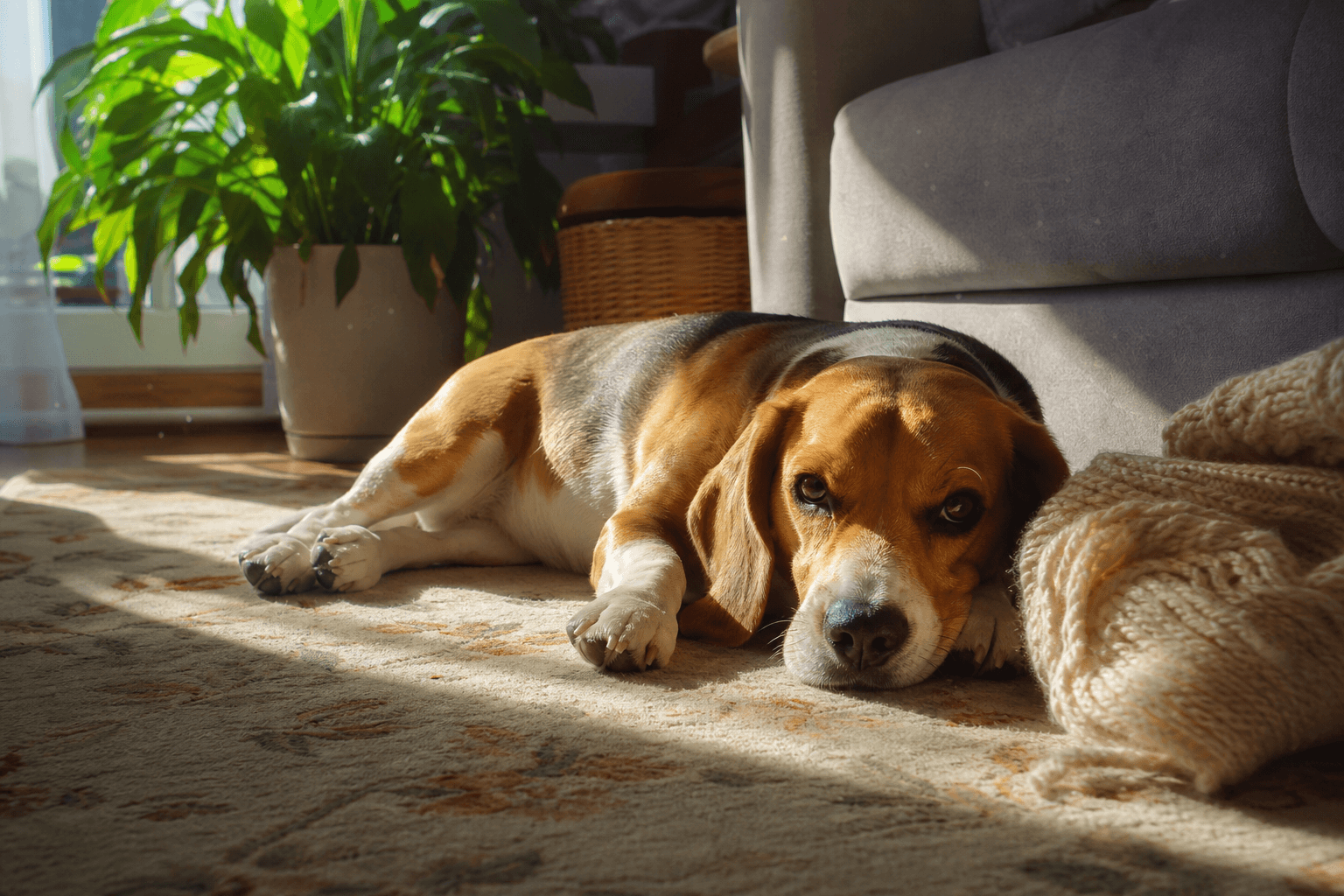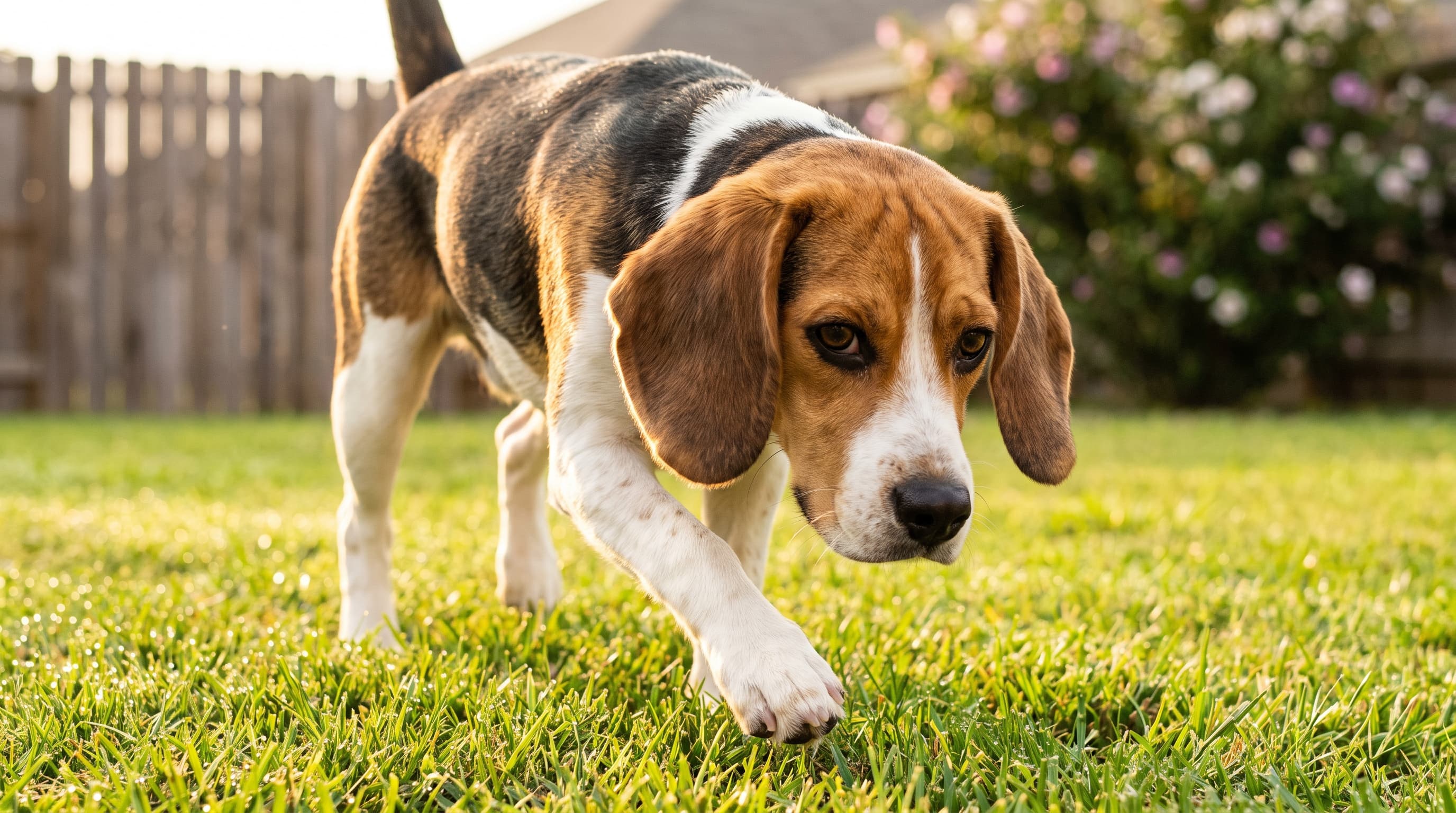

The beagle napping on your couch is one of the most popular dogs in America — the breed sits at No. 7 on the American Kennel Club's 2025 rankings, right where it has hovered for more than a century. But that same friendly, floppy-eared hound is also the dog most often bred behind closed doors for laboratory testing. This fall, the pipeline that funnels beagles into research labs is under more public pressure than it has faced in years — and thousands of former lab dogs are trading stainless-steel cages for living-room dog beds.
Two new federal bills, a 207-mile protest march, and one of the largest laboratory-beagle releases in U.S. history all landed within weeks of each other. Here's what's happening, and what it means if you've ever thought about adopting a dog who is learning what grass feels like for the very first time.
A 207-mile march and two new federal bills
In late September, advocates finished a 207-mile march from Albany to Marshall BioResources in North Rose, New York — one of the country's largest breeders of dogs for research — to demand an end to breeding animals for experiments. The walk wrapped up on September 27 after roughly two weeks on the road.
The march arrived just as two bills hit Congress. On September 22, Rep. Nancy Mace introduced the Prohibiting Unethical Procedures on Pets in Science (PUPPS) Act, which would amend the Animal Welfare Act to ban breeding dogs for research, prohibit selling or acquiring dogs bred for labs, and revoke the USDA licenses of violators. Penalties would run up to $10,000 per dog, climbing to $40,000 per dog for repeat offenders. Crucially for adopters, the bill would require dogs already in the system to be offered for adoption rather than euthanized. As Mace's office framed it, the bill "cuts off the supply to these labs, and gives dogs already trapped behind those walls a second chance through adoption instead of euthanasia."
A day later, Reps. Mark Pocan and Nick Langworthy introduced the bipartisan Companion Animal Protection Against Cruel Testing (COMPACT) Act, which would bar federal funding for biomedical research on live dogs and cats while protecting animals currently in facilities. "Dogs and cats are companion animals and part of the family for millions of Americans," the sponsors said. "They should never have to endure inhumane suffering."
From cages to couches: where the beagles are going
The most tangible sign of change is the dogs themselves. After Wisconsin's Ridglan Farms agreed to shut down its breeding program, rescues began moving out nearly 2,200 beagles, with Florida-based Big Dog Ranch Rescue leading the effort. By late June, the rescue had pulled more than 600 dogs, placed about 400 in homes, and fielded roughly 7,000 adoption applications — a wait list that says a lot about how badly the public wants these dogs.
If this feels familiar, it should. In 2022, more than 4,000 beagles were rescued from the Envigo breeding facility in Virginia after federal inspectors documented dozens of violations. That rescue turned into a national adoption event and helped make "lab beagle" a household phrase. The 2026 releases are the next chapter — and this time, they're arriving alongside legislation that could shrink the supply for good.
Marshall BioResources: the next flashpoint
Attention is now turning to Marshall BioResources in North Rose, New York, the endpoint of September's march and, by most accounts, the largest U.S. supplier of dogs for experiments. The company breeds the trademarked "Marshall Beagle" and sells dogs, ferrets, cats and minipigs to labs around the world for toxicology and other testing. Rise for Animals reports that in May 2026, federal inspectors documented roughly 26,000 puppies, adult dogs and ferrets at a single site; the company has called outside population estimates substantially overstated. Rescue groups have signaled Marshall is next on their list, though large-scale releases there have not yet happened.
What it's really like to adopt a lab survivor
Bringing home a former research beagle is deeply rewarding, but it is not the same as adopting a dog who grew up in a house. Many of these dogs have never seen sunlight, climbed stairs, or worn a collar. Setting expectations early makes the transition smoother for everyone.
Everything is new — even grass
The first walk outside can be overwhelming. In more than one release, adopters have described an adult beagle needing several minutes just to place a single paw on the lawn — the first time in its life the dog had ever felt grass. Everyday experiences most dogs learn as puppies are brand new here: as one rehoming group puts it, "being house-trained, socialising with human family members or walking on a lead are all new to lab dogs." The encouraging part is how well they do anyway. A peer-reviewed study that followed 145 rehomed laboratory beagles found the majority adapted well to home life within weeks, and 92% of their new owners said they would adopt a lab dog again.
Give them a calm home base
Set up a quiet, private corner with a soft bed where your new dog can decompress on its own terms. Sanctuaries that specialize in these dogs give each one a personalized safe space "designed specifically for decompression and relaxation" when the world gets to be too much. Many rescues also suggest going easy on a wire crate at first, since it can feel uncomfortably close to the cages these dogs came from — the Beagle Freedom Project's care guide for lab survivors is a good primer for new adopters.
Lean on a steady dog and lots of patience
In homes with another confident, well-adjusted dog, lab survivors often learn to play, climb stairs, and relax by copying their new packmate — Humane World for Animals has documented former research dogs blossoming alongside the other pets in their adoptive homes. Pair that with patience and positive-reinforcement training, and most beagles come around faster than new owners expect.
Why beagles — and why so many people want one
There's a painful irony in all of this: the very traits that make beagles wonderful pets are why labs use them. Beagles are small, docile, forgiving, and eager to trust people even when people have given them little reason to. They're pack hounds by design — sociable with other dogs, patient with kids, and endlessly curious. That's also why the adoption wait lists fill up the moment a release is announced.
If you're considering it, treat the first few days like you would with any anxious rescue: go slow, keep the world small, and let your dog set the pace. Our guide to the critical first 72 hours with a newly adopted dog applies double for a lab survivor, who may be a flight risk the instant a door opens. And if you're not ready to adopt but still want to help, fostering gives these dogs a soft landing between the facility and a forever home.
What this means for dog owners
Whether or not the PUPPS and COMPACT Acts become law, the direction is clear: public patience for breeding dogs in laboratory conditions is running out, and rescues are ready to catch every dog that gets released. For the millions of Americans who already share their homes with a beagle, this is a chance to look at that wagging tail a little differently — and, for some, to make room for one more.
At Sidewalk Dog, we'll keep tracking the bills, the releases, and the rescues who need foster and adoptive homes. If a former lab beagle ends up on your couch this year, you'll be giving a dog its very first taste of grass, sunshine, and a family — and there aren't many better reasons to add a dog to the pack.