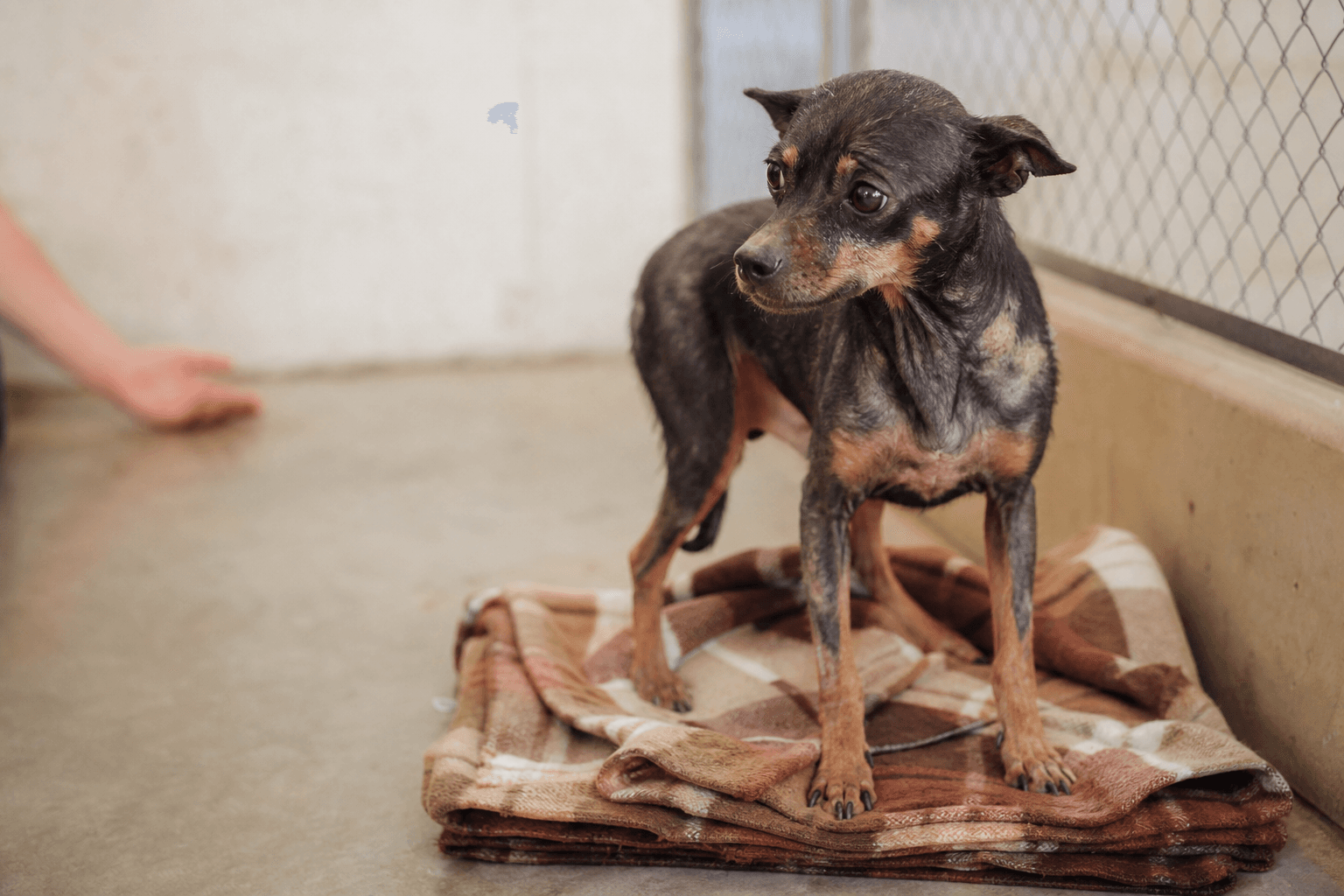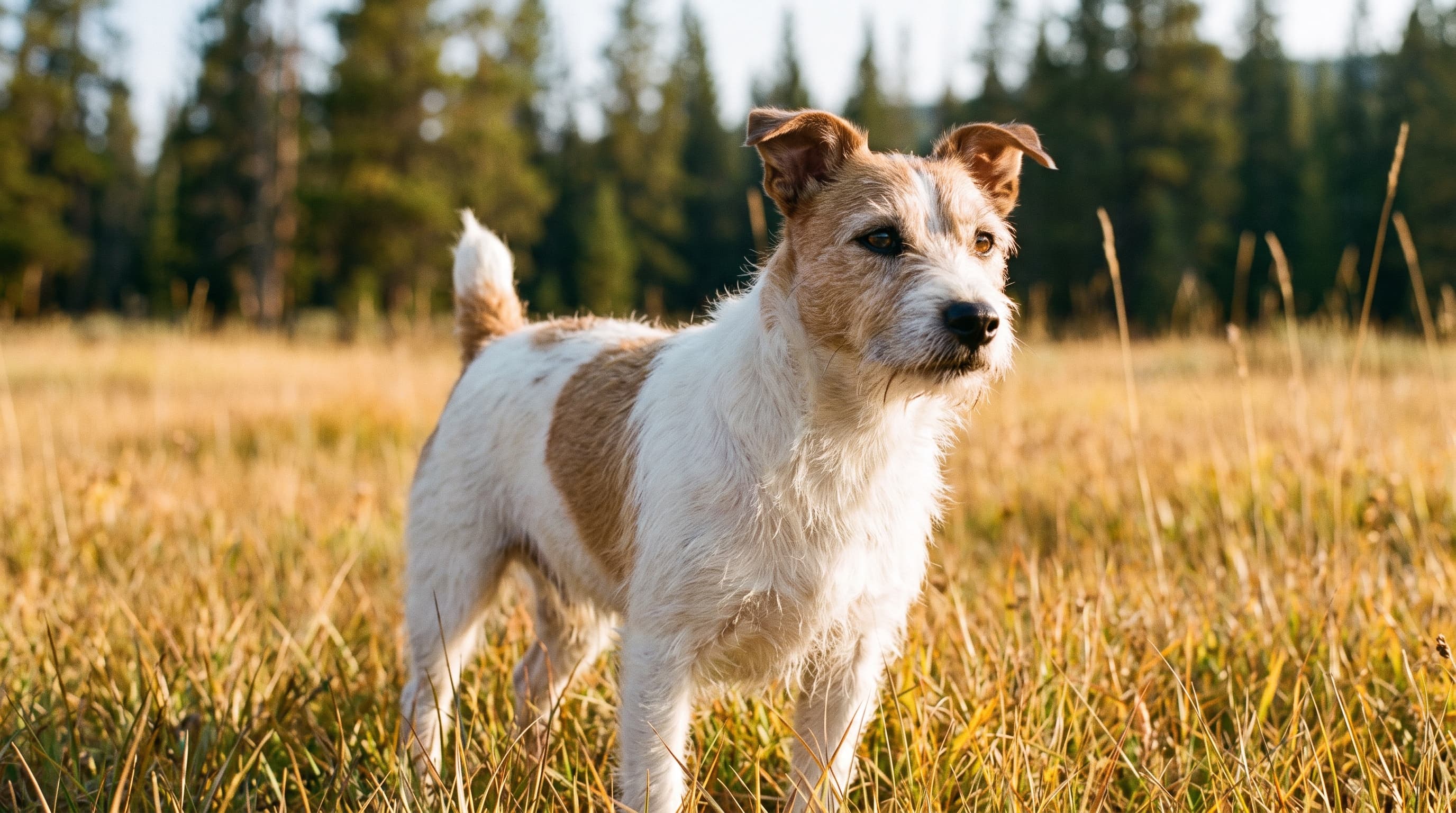

For 34 days, a ten-year-old Jack Russell terrier named Luna did what almost no small dog is supposed to be able to do: she survived alone in Yellowstone National Park, a landscape of grizzly bears, wolves, coyotes, and fast-dropping fall temperatures. On Wednesday, October 14, her family finally got the call they had stopped letting themselves hope for. Luna had walked into a live trap baited with scraps of their own T-shirt and pillowcase, and she was alive and on her way home to California.
It is the kind of reunion that lights up every feed. But under the happy ending is a set of lessons every dog owner can use long before a vacation goes sideways. Luna's rescue is a near-perfect case study in how lost dogs actually get recovered — and in why so many of our instincts work against us when a dog slips the leash.
How a ten-pound terrier vanished into America's wildest park
Luna's family was staying in a cabin in Yellowstone's Canyon Village area in early September. They left her inside with a "Do Not Disturb" sign while they explored the park. According to the volunteer who led the search, a housekeeping staffer likely opened the door by accident, and Luna bolted. Park staff chased her for more than two hours before the owners even returned to discover she was gone.
That chase may have been the moment the easy recovery slipped away. Over the following weeks, Luna was spotted crossing intersections, trotting through employee housing, and slipping into lodges through automatic doors. The family stayed a week, chased down sightings, and eventually drove home to California heartbroken. They were told Luna had "likely died," possibly taken by a coyote.
Then came a new sighting. The family contacted Katie Boucher, president of the Montana-based Norris Ark Training and Recovery Center, who set up camp near Canyon Village for one last push before winter and the seasonal RV park's closure ended any chance of searching. When Luna finally stepped into the trap, Boucher and one of the owners were there. "She's underweight, but that's to be expected. She's alert and in good spirits," Boucher said after the vet exam. Yellowstone spokesperson Linda Veress confirmed to SFGATE that "the dog that was loose in the Canyon Village area has been captured and is alive and well."
Boucher credits Luna's survival partly to her rough start: the terrier spent her first year on the streets before she was adopted, and those scavenging instincts likely kept her fed and hidden from predators for over a month.
Why a scared dog runs from the people who love it
The hardest thing for owners to accept is that a frightened lost dog often will not come to you — and may bolt from you as if you were a threat. This isn't a sign your dog has forgotten you. When a dog is lost and afraid, it slips into what recovery specialists call "survival mode." As the recovery group CT Dog Gone put it, "Their instincts take over, causing them to focus on staying safe rather than recognizing familiar people."
That's exactly what happened with Luna. Boucher said that calling the terrier's name or chasing her only triggered her fight-or-flight response and pushed her deeper into the park. A dog in that state reads a sprinting, shouting human — even its beloved owner — as one more scary thing to flee. Understanding this single fact changes everything about how you should respond.
What actually brings a lost dog home
Professional pet detectives have spent decades reverse-engineering the counterintuitive playbook that works. Here's what Luna's rescue, and the specialists who do this for a living, say to do.
Don't chase. Don't call.
It is, as Missing Animal Response's experts note, "everybody's natural instinct, when they see a dog on the run, to chase it." And it "almost never works." Chasing sends a panicked dog farther away — often across busy roads — and can push it out of the very area where searchers know it's living. Calling its name can do the same. The urge is overwhelming; resist it anyway.
Make yourself small and boring
If you do spot your dog, the goal is to look as unthreatening as possible so the dog chooses to approach you. Specialists borrow calming signals from trainer Turid Rugaas: sit or lie down, turn sideways or put your back to the dog, avoid direct eye contact, and speak softly or not at all. Toss treats to the side rather than holding them out. You want your dog to decide, on its own frightened timeline, that you are safe.
Set a scent anchor
A lost dog navigates by its nose, and your scent is the strongest homing beacon you own. That's why Luna's trap worked: it was baited with pieces of the family's T-shirt and pillowcase. Experts recommend establishing one consistent spot — near the last confirmed sighting or your home — and leaving unwashed clothing, bedding, and strong-smelling food there, rather than scattering scent across miles and drawing the dog in random directions. Keep the pile modest so it invites rather than startles.
Bring in a humane trap — and sometimes a "magnet dog"
For a dog too frightened to approach anyone, a humane live trap is often the safest tool, because it lets the dog enter entirely on its own terms. It's what finally brought Luna in after weeks of near-misses. Recovery pros also use a trick called the "magnet dog" — a calm, wiggly, friendly dog whose relaxed body language reassures a wary runaway and lures it close enough to catch. In Yellowstone, searchers deliberately avoided food baits that might attract bears, a reminder that tactics have to fit the terrain.
Market like your dog's life depends on it
Pet-recovery pioneer Kat Albrecht is blunt about what finds most dogs: "Just massive, obnoxious marketing." Oversized neon signs at intersections, flyers on every pole, posts in neighborhood and local-sighting groups, and listings on lost-pet networks generate the sightings that searchers need. Luna was found because strangers kept reporting where they'd seen her. If you spot someone else's lost dog, don't chase it either — note the exact location and direction of travel, and call the number on the flyer right away.
Before your dog ever bolts
The best recovery is the one you never need. Roughly one in three dogs will go missing at some point, a statistic we dug into when we asked whether a satellite GPS collar is worth it. A few minutes of prep dramatically shifts the odds:
- Microchip and register it. A chip is only useful if your contact info is current — something you can sort out at one of the free microchip clinics popping up around the country.
- Keep a well-fitted collar and ID tag on. Low-tech, but it's still the fastest way a good Samaritan gets your dog back to you.
- Consider a GPS tracker for dogs who travel, hike, or have a history of door-dashing.
- Bank a scent sample now. Specialists suggest wiping a sterile gauze pad over your dog and freezing it in a sealed bag, so a tracking team has "a distinct scent sample" ready from day one.
- Be extra careful in unfamiliar places. Luna bolted in a strange environment with no safe home base to return to — exactly when the risk is highest. Hotels, rentals, and relatives' homes are prime escape scenarios.
The takeaway
Luna beat staggering odds, but her story wasn't really luck. It was a frightened dog's survival instincts meeting a searcher who understood how lost dogs behave: don't chase, anchor your scent, trap patiently, and flood the area with sightings. Keep those principles in your back pocket, get the prevention basics squared away today, and you'll be ready to act calmly if your own dog ever slips out a door.
For more real-world guidance on keeping your dog safe through every season and situation, keep exploring Sidewalk Dog — we're here for the happy reunions and everything leading up to them.