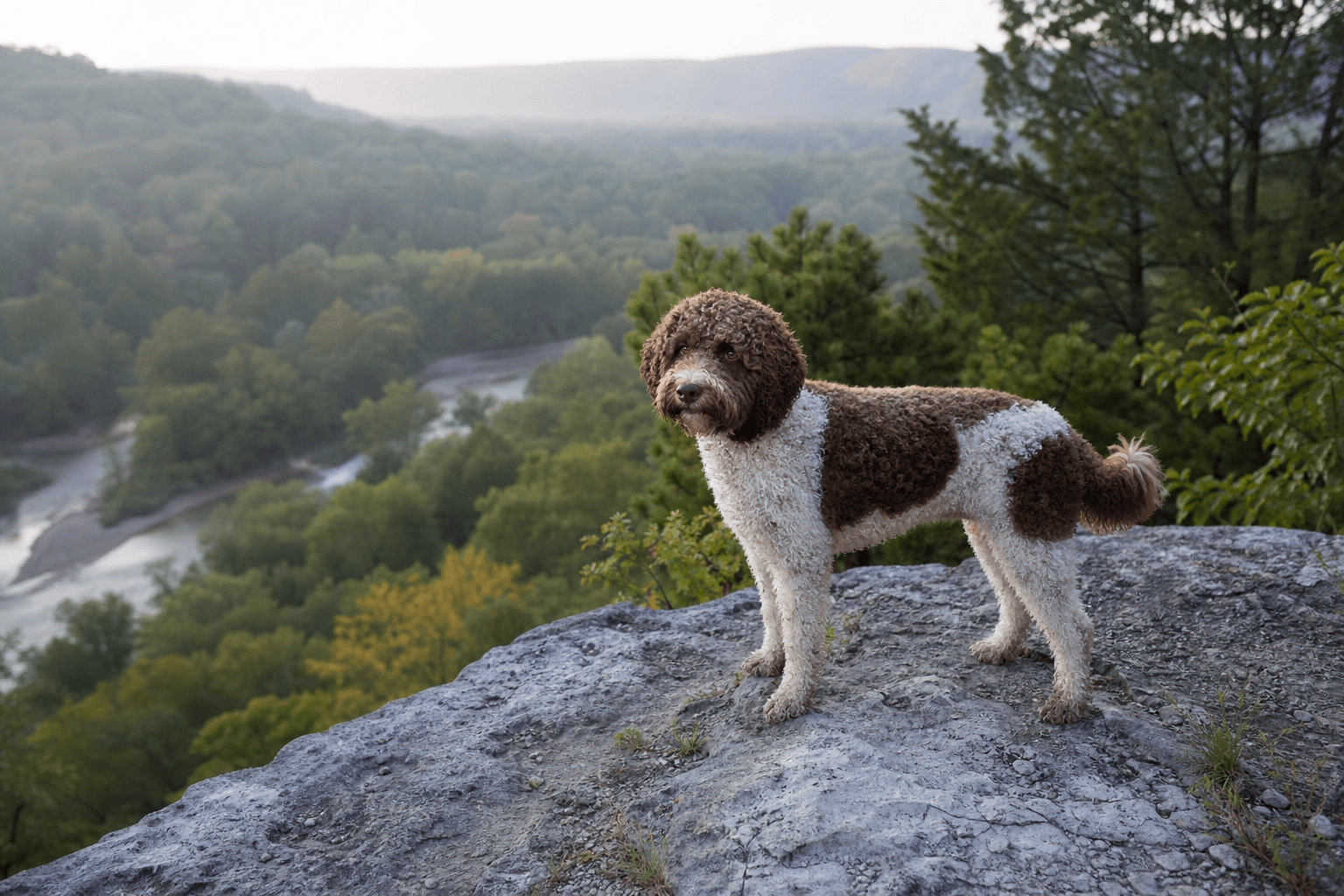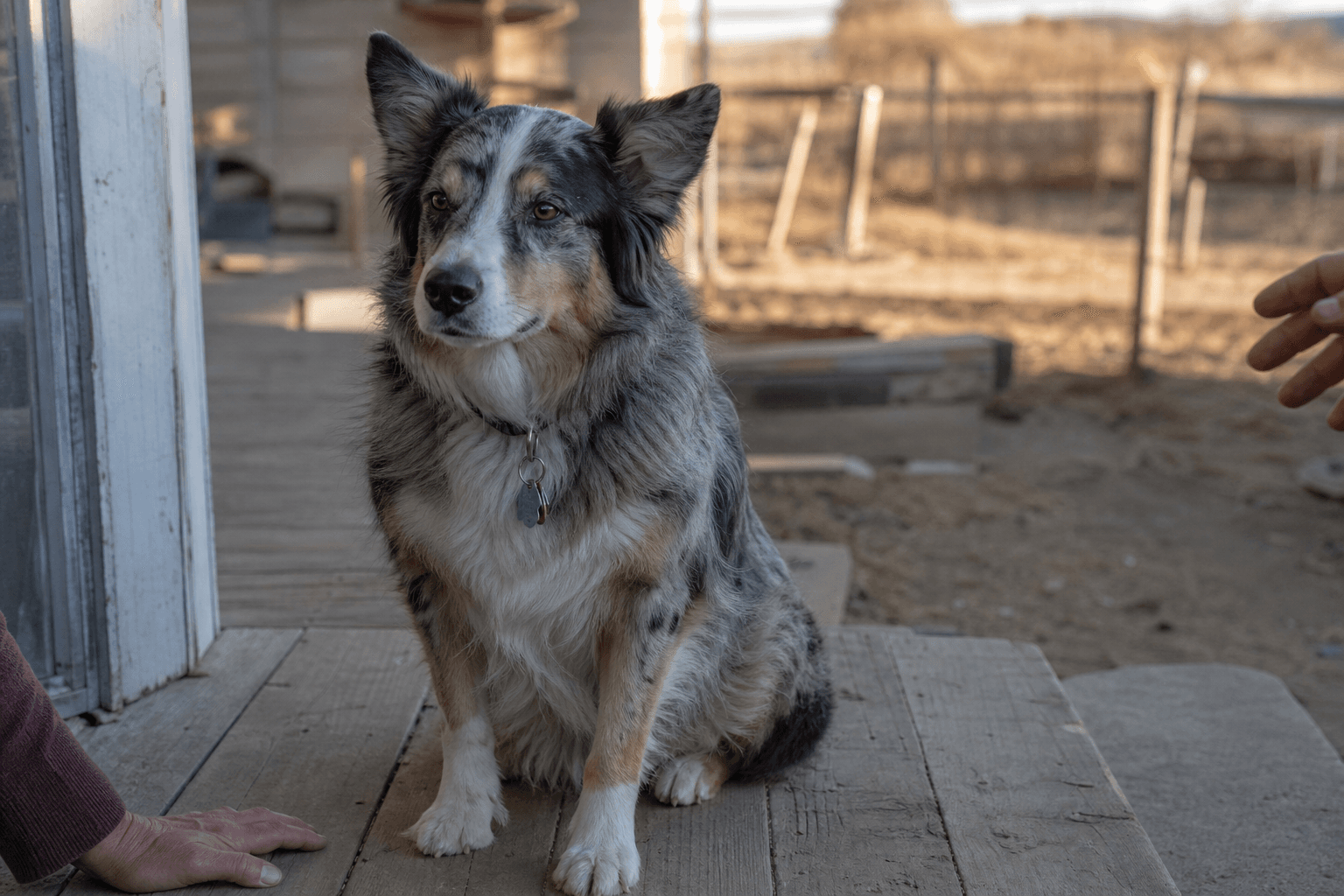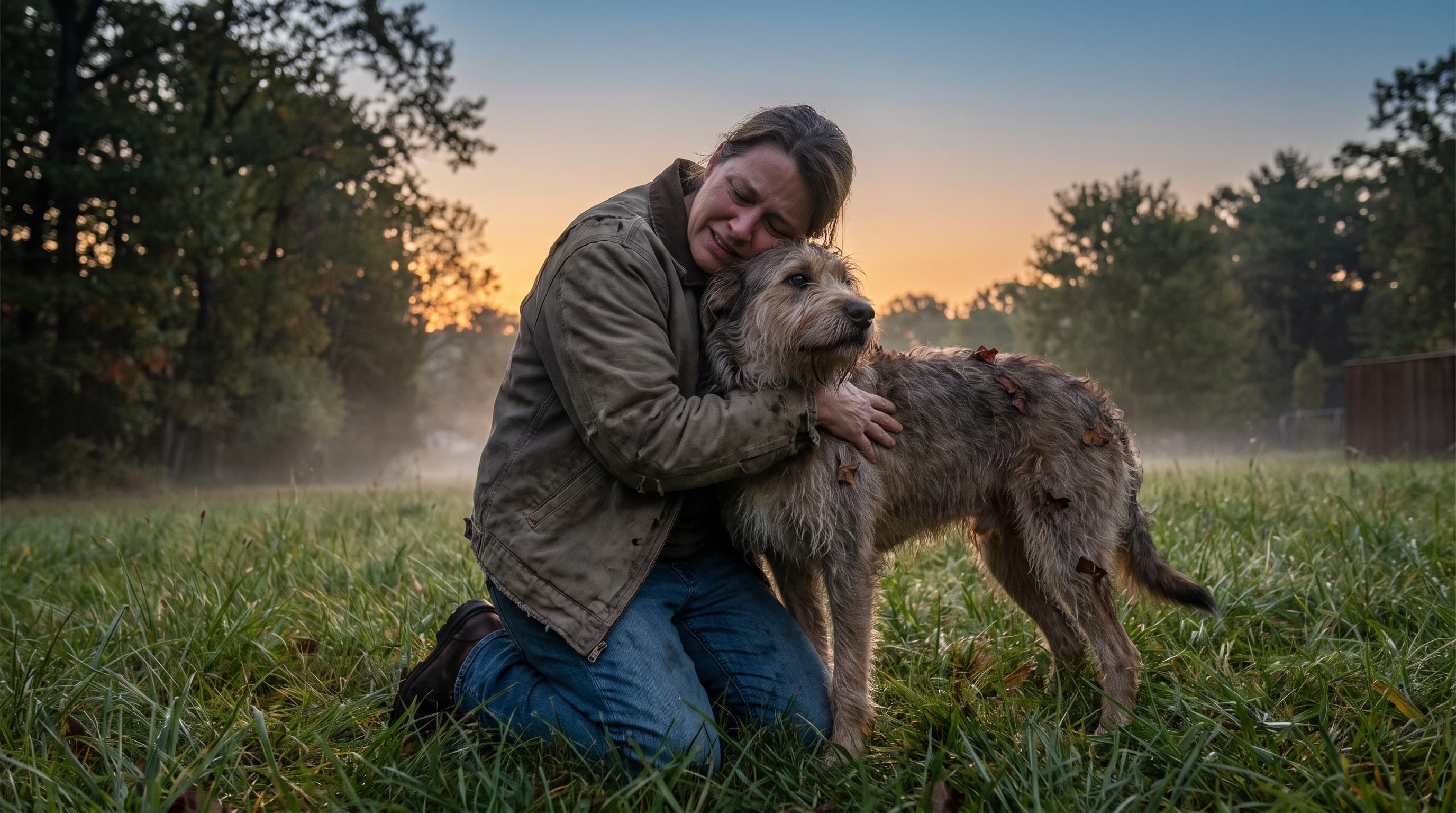

When Gandalf slipped out the door on the Fourth of July, the odds were stacked against him. The little dog has only his two front legs, and after a night of fireworks and a follow-up round of thunderstorms, he was somewhere in the wooded ravines of Shaler, Pennsylvania — scared, soaked, and unable to walk his way home. Then a volunteer showed up with a drone. Within minutes, a heat-sensing camera picked out his shivering body in the leaves about six houses away, and the reunion video racked up nearly 8 million views on Facebook. "Her generosity and selflessness on a holiday, no less, are why I have my baby boy back with me today," Gandalf's owner said of the pilot who found him.
Gandalf is one dog. But he's also the face of a fast-growing movement: a loose national network of volunteer pilots flying thermal-imaging drones to find lost pets from the sky. If you've never heard of them, you're not alone — and if your dog ever bolts, they may be the most useful phone number you don't yet have saved.
Summer is the worst time of year to lose a dog
There's a reason these teams are flying overtime right now. Roughly 10 million cats and dogs are lost or stolen in the United States every year, and about one in three pets will go missing at some point in their lives. That risk isn't spread evenly across the calendar. It spikes hard in the summer, when open windows, backyard barbecues, and — above all — fireworks turn ordinary evenings into escape attempts.
The days around the Fourth of July are the single busiest stretch of the year for animal shelters. This summer, Southern California shelters were flooded within 48 hours of the holiday: Riverside County alone took in 360 animals between July 1 and July 5, San Diego Humane logged 127 lost pets by the following Monday, and Los Angeles County counted 189. Officials pinned the surge squarely on holiday fireworks. And the noise doesn't stop on July 5 — thunderstorms roll through August, and the sudden quiet of back-to-school season stresses dogs out too. (If your pup panics at loud noises, our guide to easing dog anxiety as summer winds down is worth a read before the next storm.)
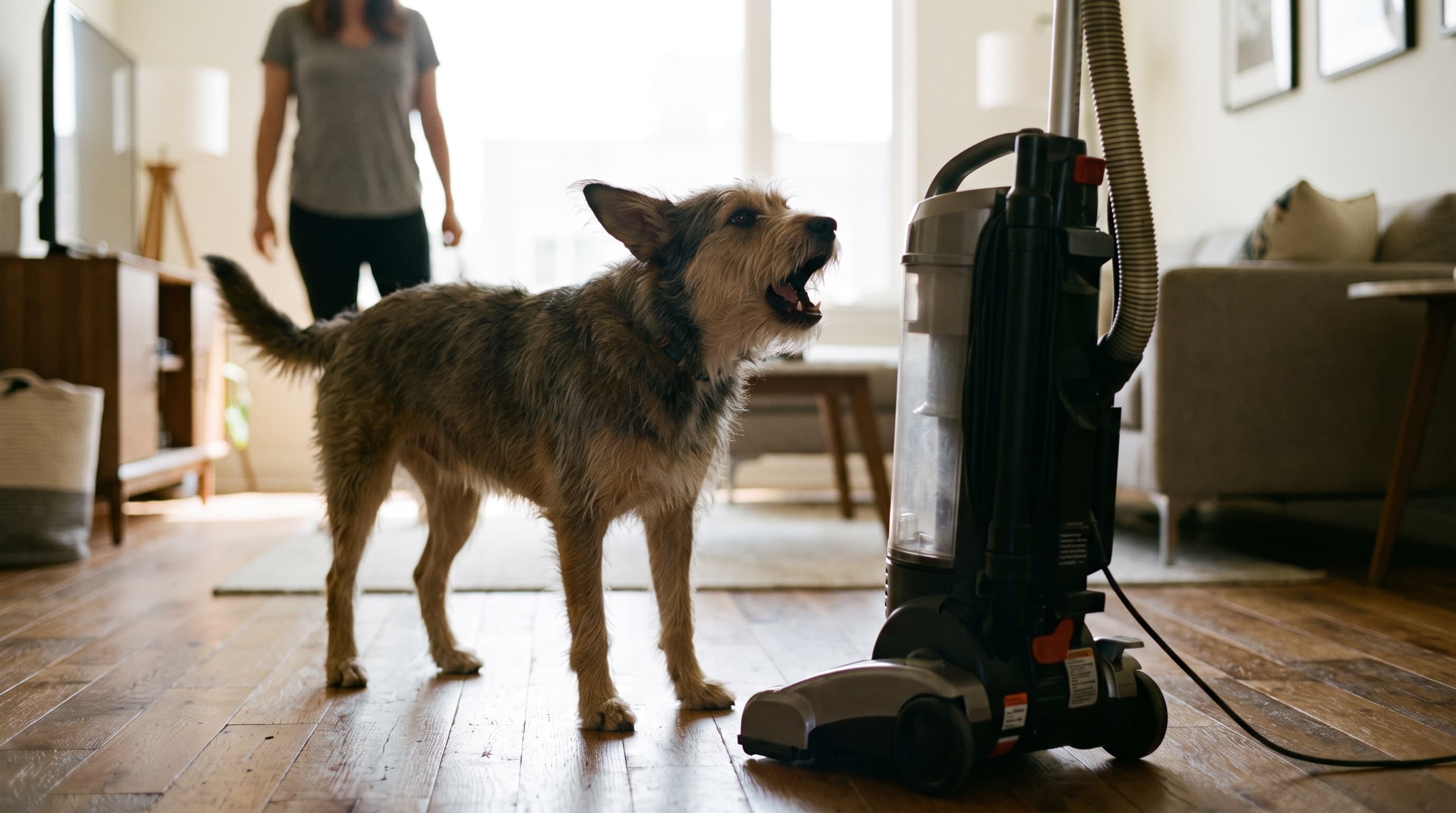
A frightened dog doesn't run in a straight line and doesn't come when called. It hides. That's exactly the problem thermal drones were built to solve.
How a drone finds a dog that people can't
A ground search relies on eyes, ears, and daylight. A thermal drone relies on none of them. The cameras detect the heat a living animal gives off, rendering a warm body as a bright glow against a cool background of brush, water, and rock. That means a pilot can spot a dog curled under a porch, wedged in a drainage culvert, or frozen in dense woods — even in total darkness.
Night is when the technology really earns its keep. Wildlife quiets down, the ground cools, and a dog's heat signature pops. The pilots who run these searches are near-unanimous on one point: speed matters more than anything. "If you do it immediately, we could do a radius search and detect with the thermal drone even at night," Leslie Bottesch, who helped launch a Florida nonprofit called Paws Angels, told a Central Florida news station. The critical window is the first hours after a dog disappears, before it wanders miles from home or gets pushed farther by traffic and people.
The results can feel like magic to a family that has spent days papering the neighborhood with flyers. In one recent search, an operator located a missing dog roughly a mile and a half from home after about an hour in the air. For the pilots, the emotional payoff is hard to overstate. Chris Carter, who runs Space Coast Drone Pet Recovery in Brevard County, described a successful reunion as being "like finding a lost child."
The volunteers behind the sky-high rescues
What makes this movement remarkable is who's driving it: not a government agency or a national charity, but scattered hobbyists, off-duty drone pilots, and small nonprofits who mostly work for free. The pilot who found Gandalf, Amelia Breitenbach of Pittsburgh Drone Pet Search and Rescue, runs her operation at no charge and describes being on call essentially around the clock. Groups with names like Paws Angels, Space Coast Drone Pet Recovery, and dozens of regional teams have popped up across the country in the past two years, many spun up by a single volunteer who bought a thermal-equipped drone and started answering desperate posts on local lost-pet pages.
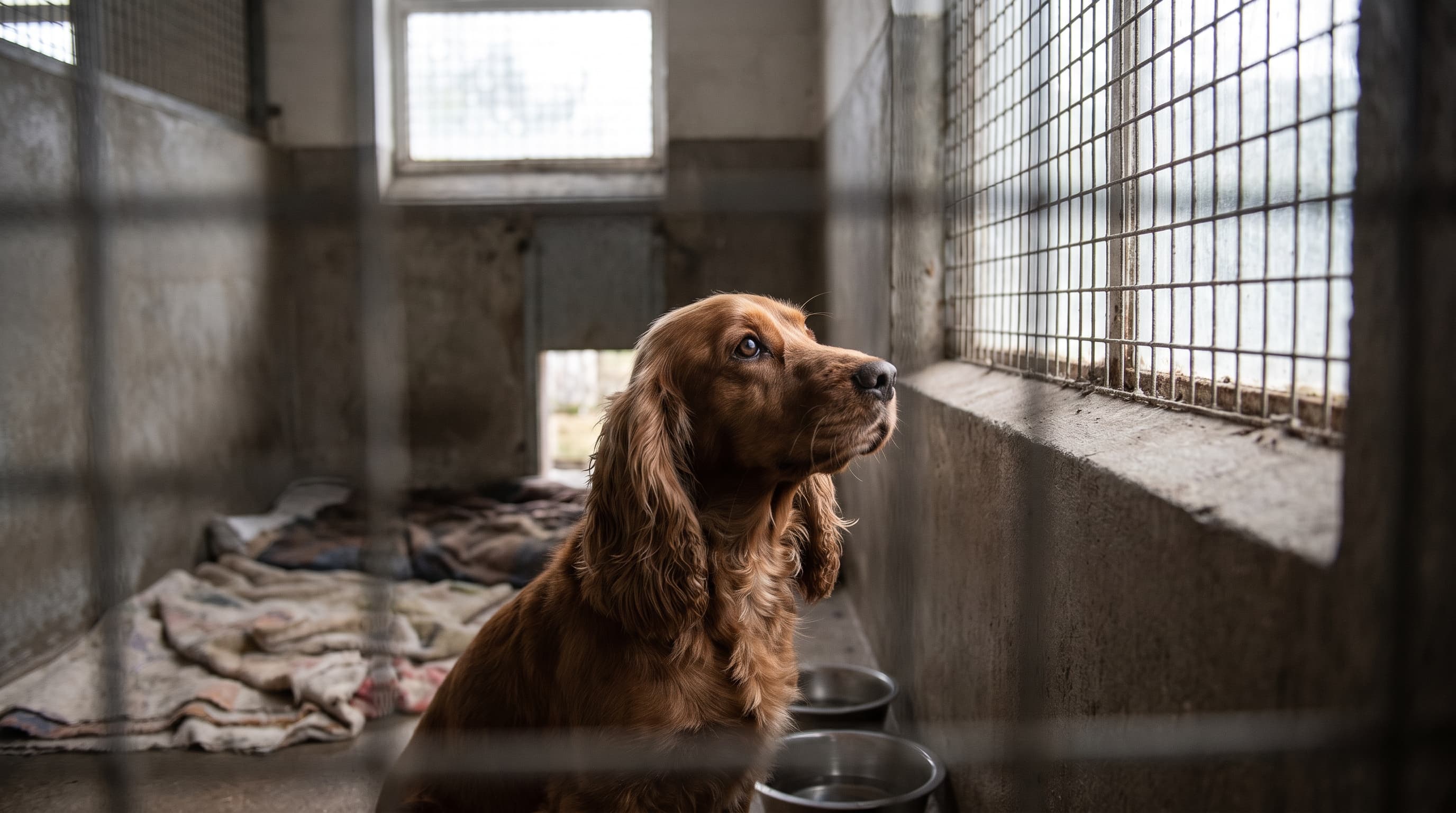
They're filling a gap that traditional recovery methods leave wide open. Microchips help enormously once a dog reaches a shelter — microchipped pets are about three times more likely to be reunited with their owners, and roughly 52% of lost dogs returned home carried one. But a chip only works if the dog is caught and scanned. A scared, hiding dog that never comes near a person can stay lost for weeks. A drone finds the dog before it ever becomes a shelter statistic.
The catch: fragile gear, thin budgets, no safety net
This is a movement held together with duct tape and donations. The equipment is expensive and shockingly easy to lose. In late July, a Las Vegas group called Paws Patrol LV was searching for an injured dog that had fled into a wash when people living in the area, believing they were being surveilled, knocked the roughly $7,000 thermal drone out of the sky and destroyed it. "It just flopped over, you know, like all the arms are broken, the camera's ripped off, the battery is gone," volunteer Tii Riga said. The group had to pause searches and start fundraising to replace it.
That story captures the whole fragile picture: pricey hardware, volunteer labor, no insurance, and a mission that depends on a single piece of gear staying airborne. Most of these teams survive on small donations and the goodwill of pilots who'd rather be reuniting families than billing them. If one operates in your region, they're worth supporting long before you ever need them.
What to do the moment your dog goes missing
Drones are a powerful tool, but they work best alongside a fast, calm response. If your dog bolts, here's what actually moves the needle:
- Act in the first hour. Don't wait to "see if he comes back." The sooner you search — or call a drone team — the smaller the search radius and the higher your odds.
- Don't chase. A panicked dog runs from anyone approaching, even you. Sit low, turn sideways, toss high-value treats, and let the dog come to you.
- Flood the digital neighborhood. Post to local lost-pet Facebook groups, Nextdoor, and shelter intake pages with a clear photo and last-seen location. This is often how families discover a drone team exists nearby.
- Confirm the microchip is registered. A chip with outdated contact info is nearly useless. Nearly 40% of microchips aren't properly registered — take five minutes today to update yours.
- Call the shelters, then call again. Visit in person if you can; a stressed dog may not look like its photo, and staff see hundreds of animals a week.
The rise of thermal-drone rescue is one of the more hopeful dog stories of the summer — a reminder that as fireworks and heat push more dogs to run, technology and volunteers are running right after them. Gandalf made it home on two legs and a drone. With a little preparation, your dog can too.
At Sidewalk Dog, we're always chasing the stories, tips, and tools that keep tails wagging and dogs safe. Explore more of our guides and news at Sidewalk Dog — and this weekend, take a minute to double-check that your dog's tags and microchip are current. Future-you will be grateful.