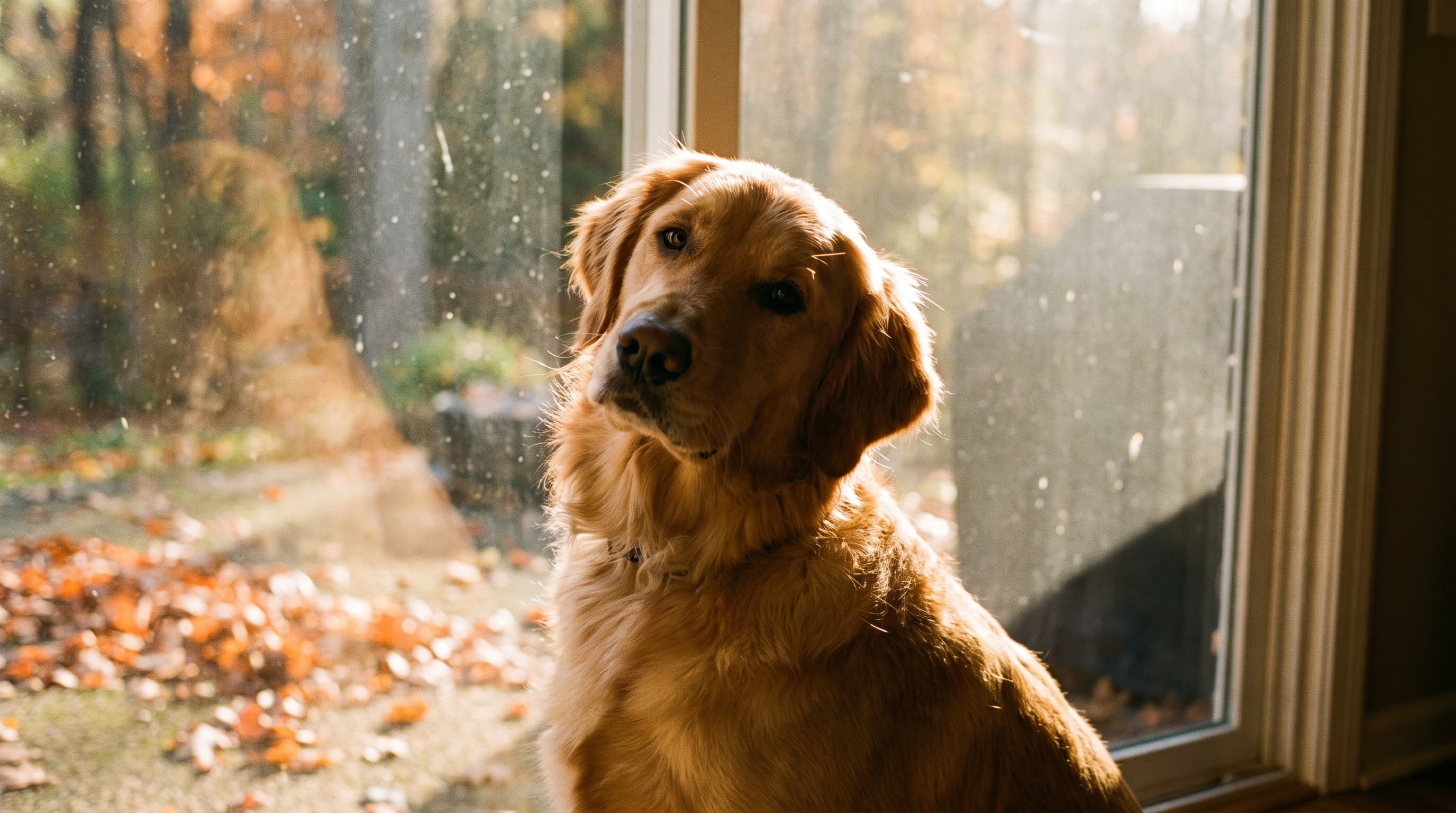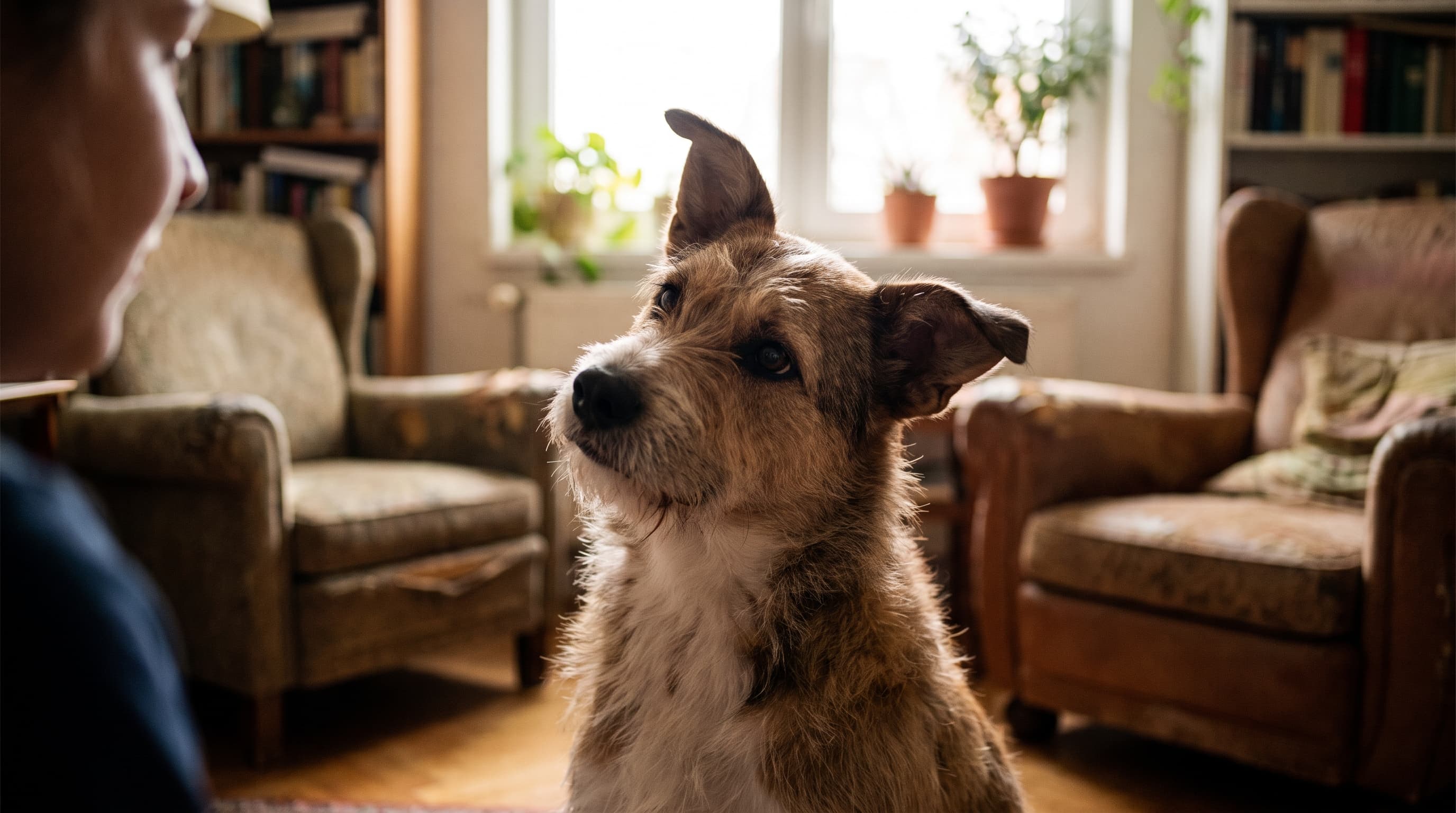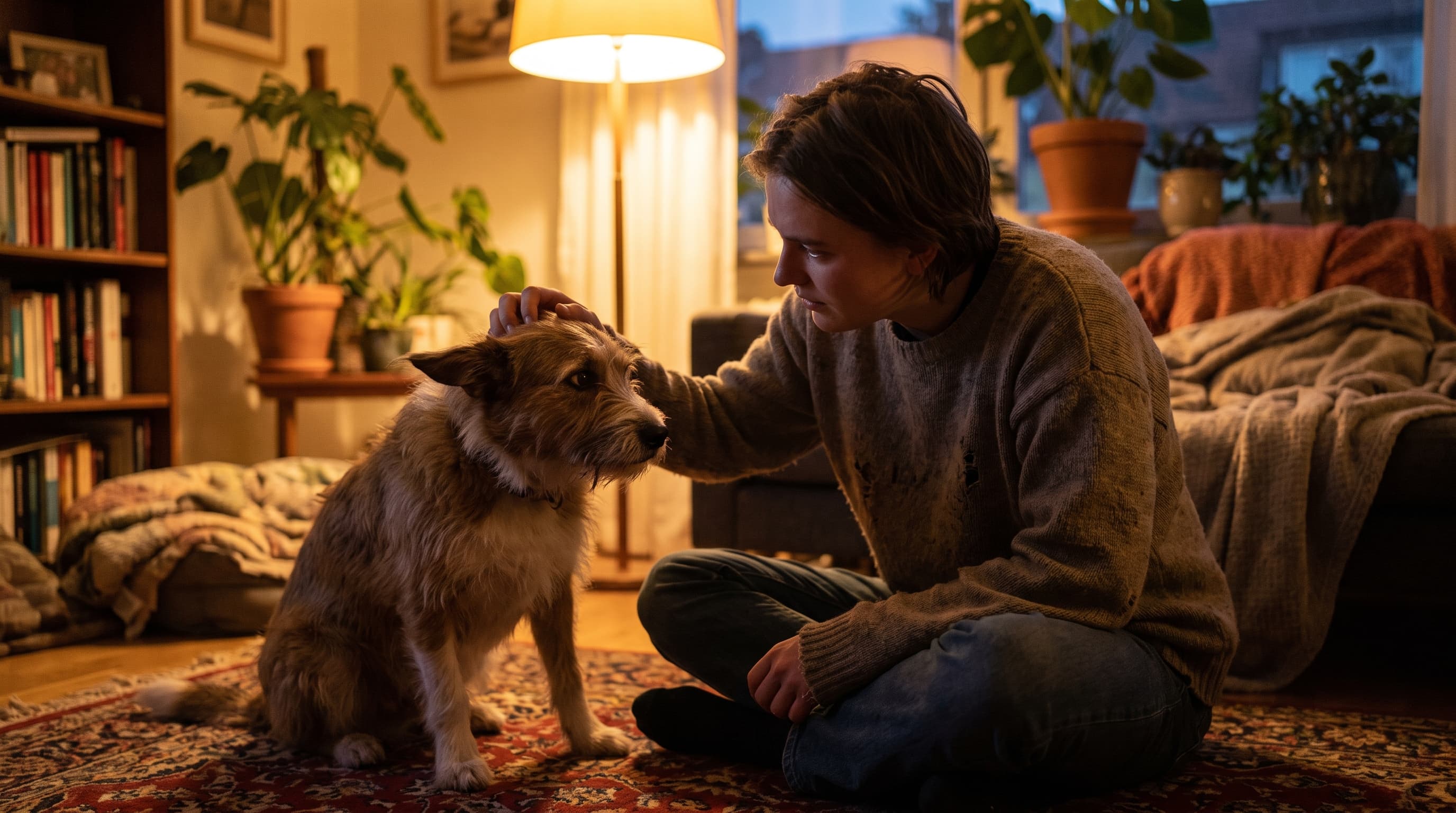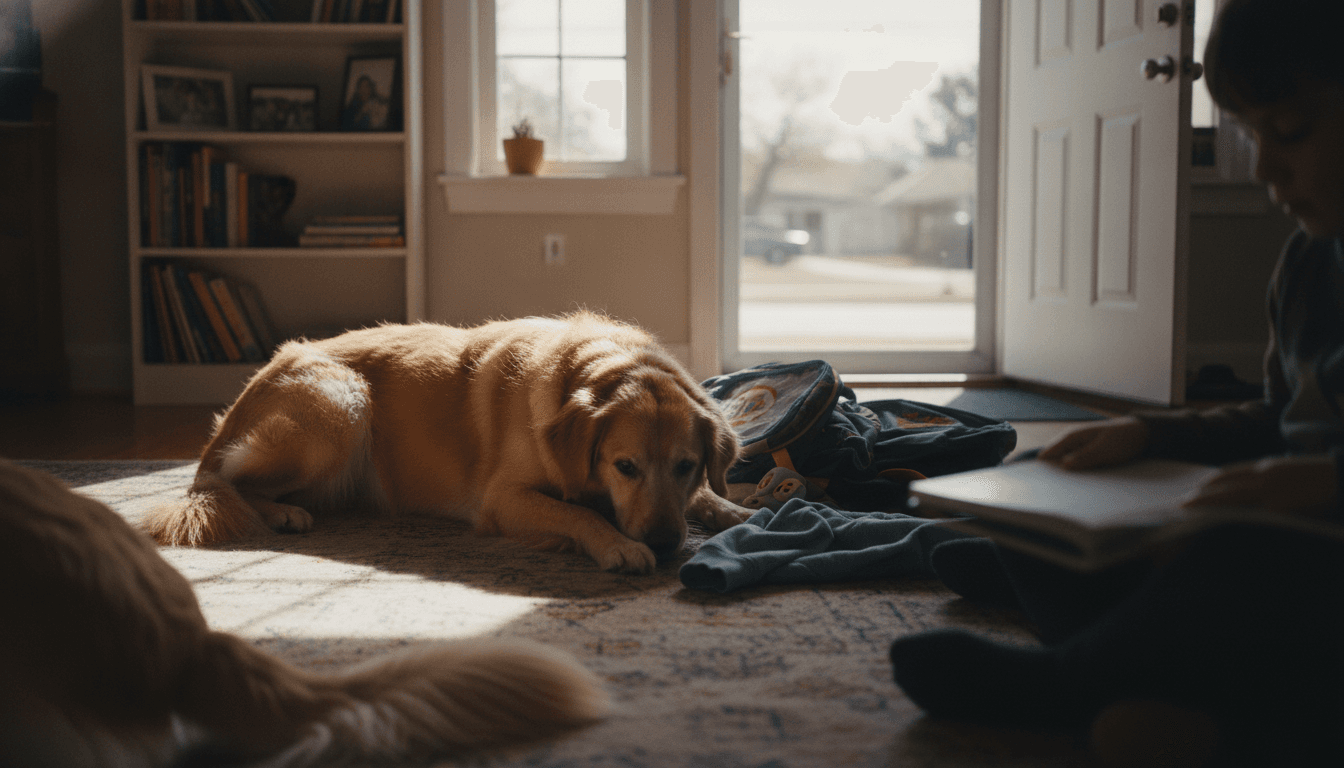

Your dog spent all summer glued to your side — sprawled across the kitchen floor at lunch, riding shotgun on every errand, greeting a house full of kids home from school. Then, almost overnight in August, the door clicks shut and the house goes silent for eight hours. For millions of American dogs, that sudden quiet is the single most stressful moment of the year.
New research suggests they were already primed for it. A Texas A&M study of more than 43,000 dogs found that over 84% show at least mild signs of fear or anxiety in everyday situations. In other words, most dogs are already running with an anxious baseline before the back-to-school schedule change ever hits — and the swing from constant companionship to long hours alone is exactly the kind of trigger that tips low-grade worry into full-blown separation distress.
Here is the good news, and the reason this is a late-July story and not an August one: you still have a few weeks to get ahead of it. Behaviorists agree the fix is gradual, and gradual takes lead time.
The 84% wake-up call
The Texas A&M analysis, led by Dr. Bonnie Beaver, a professor of behavior at the Texas A&M College of Veterinary Medicine, pulled owner-reported data from the national Dog Aging Project. The most common triggers were unfamiliar people and unfamiliar dogs — but the headline number is just how widespread everyday anxiety turned out to be.
“Short-term fear is something we all experience, and dogs are no different,” Beaver noted. “When that fear becomes chronic, that is when it starts to impact their overall well-being.” The study also connected long-term stress to real physical costs, linking chronic anxiety to negative effects on the immune system and a dog’s overall quality and length of life. Translation: separation anxiety is not just a nuisance behavior that wrecks your door frame. Left unmanaged, it can quietly chip away at your dog’s health.
Why back-to-school is a perfect storm
Summer quietly rewires a dog’s expectations. Between family vacations, remote work, and kids home for months, most dogs settle into what one veterinary team calls “near-constant companionship.” Then the calendar flips. Across much of the Sunbelt — Georgia, Texas, Arizona and Florida districts routinely reopen in late July and early August — that change lands weeks before Labor Day. Parents head back to the office, kids leave at 7 a.m. and do not return until mid-afternoon, and the dog is suddenly alone for the longest stretches it has faced in months.
Dogs thrive on predictability. “Routines reduce uncertainty, and dogs hate uncertainty,” the same clinic notes. A schedule that swings from all-day company to all-day solitude in a single week is about as much uncertainty as you can hand a dog at once.
Separation anxiety vs. a dog just being bored
Not every chewed shoe is a panic attack, and it is worth being honest about the difference — something we dug into when we covered the gap between reactivity and true aggression earlier this year. Genuine separation anxiety is a real panic response, not spite or a training gap. According to the American Kennel Club, the tell-tale signs cluster tightly around your departures and absences:
- Pacing, whining, panting or trembling while you get ready to leave
- Excessive barking or howling once you are gone
- Destructive chewing or digging focused on doors and windows
- House-soiling accidents in an otherwise reliably housetrained dog
- Drooling, refusing food, or escape attempts that can cause real injury
The key marker is timing. A bored dog chews the couch at random. An anxious dog melts down specifically when — and often right before — you leave.
Your three-week head start
The reason to act now is simple: you cannot cram desensitization. The whole point is to rebuild your dog’s confidence in small, boring, successful increments. Start this week and your dog can be adjusted before the first school bell rings.
1. Practice micro-departures
Belmont Animal Hospital recommends starting almost absurdly small — roughly five minutes of alone time — then slowly stretching the duration as your dog stays calm. Walk out the door, wait on the porch, and come back before your dog has a chance to spiral. Repeat, adding a few minutes at a time.
2. Defuse your departure cues
Dogs read the ritual long before the door opens: keys, shoes, the work bag. The AKC suggests desensitizing those cues by picking up your keys and then not leaving, or handing over a high-value treat right as you go so your dog “might even begin to look forward to your departure.” Counterconditioning turns the scariest moment of the day into the best one.
3. Keep hellos and goodbyes boring
It can feel cold, but the calmer you are, the calmer your dog learns to be. The AKC is blunt about it: keep arrivals and departures “calm and without fanfare.” Skip the tearful send-off and the ecstatic reunion — both teach your dog that your comings and goings are enormous, worrying events.
4. Front-load enrichment
A stuffed food puzzle, a long-lasting chew, or a snuffle mat handed over right as you leave gives your dog a job and a positive association with alone time. Even a couple of days a week with a midday dog walker or daycare can bridge the longest gaps while your dog adjusts.
5. Rehearse the new routine early
Do not wait for day one. Start waking, walking, and feeding on the school-year schedule a couple of weeks ahead, so the timing shift is not stacked on top of the alone-time shift all at once.
When to call your vet
If your dog is injuring itself trying to escape, refusing to eat all day, or so panicked it simply cannot learn, gradual training alone may not be enough. The AKC notes that the most effective plans often pair behavior work with, in some cases, prescription anti-anxiety medication — and that separation anxiety, treated properly, has a high rate of success. A quick conversation with your veterinarian now, before the August crunch, beats an emergency call after your dog eats a door frame.
The 84% figure is a lot to sit with, but it cuts both ways: if nearly every dog carries some anxiety, then nearly every dog benefits from a calmer, more predictable send-off into the school year. A handful of boring five-minute goodbyes this week may be the cheapest insurance you buy all summer.
Want more vet-informed, no-nonsense dog guidance in your inbox? Sidewalk Dog helps you sniff out the good stuff — sign up for our newsletter and keep your pup happy, healthy, and calm all year long.