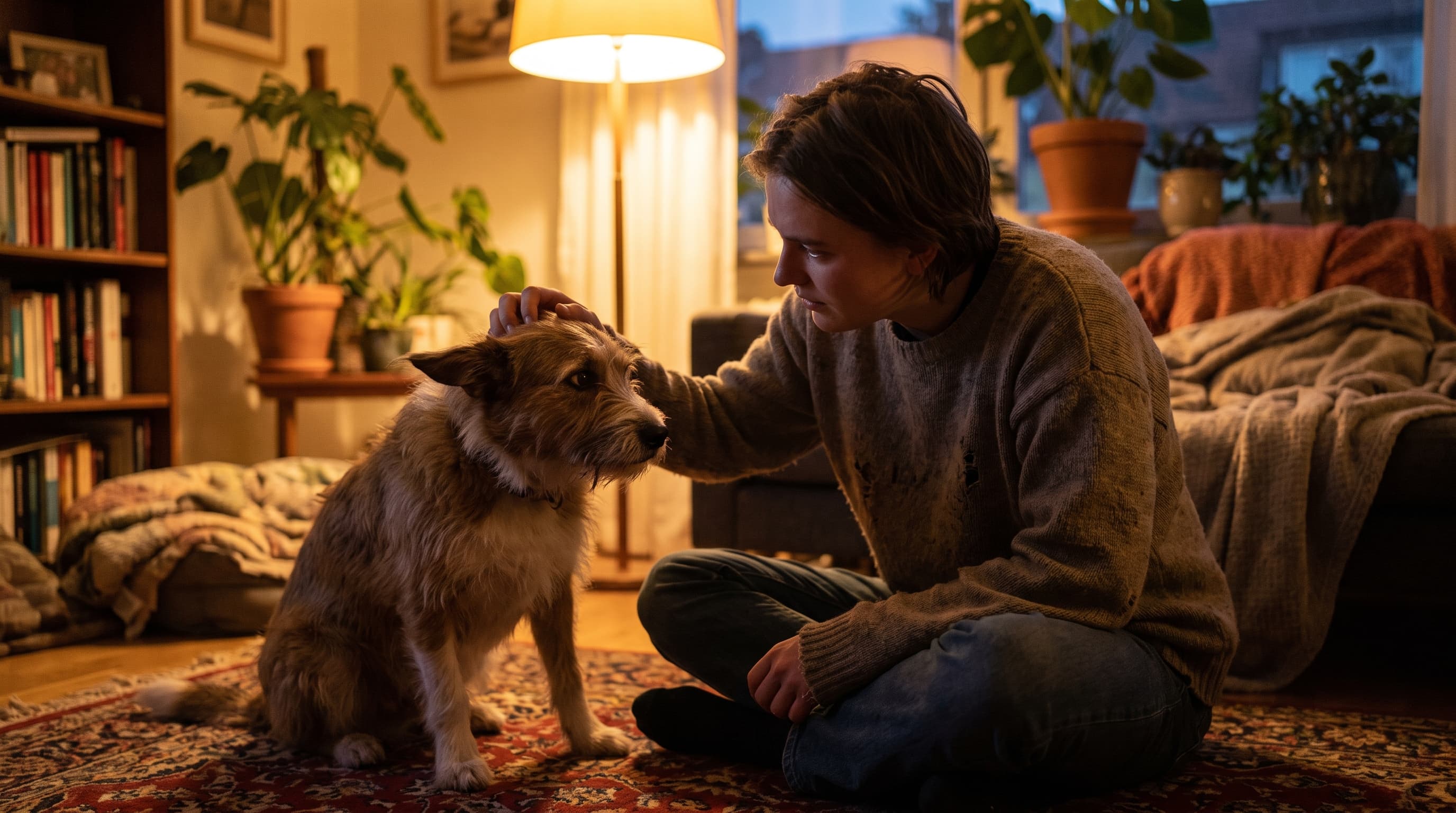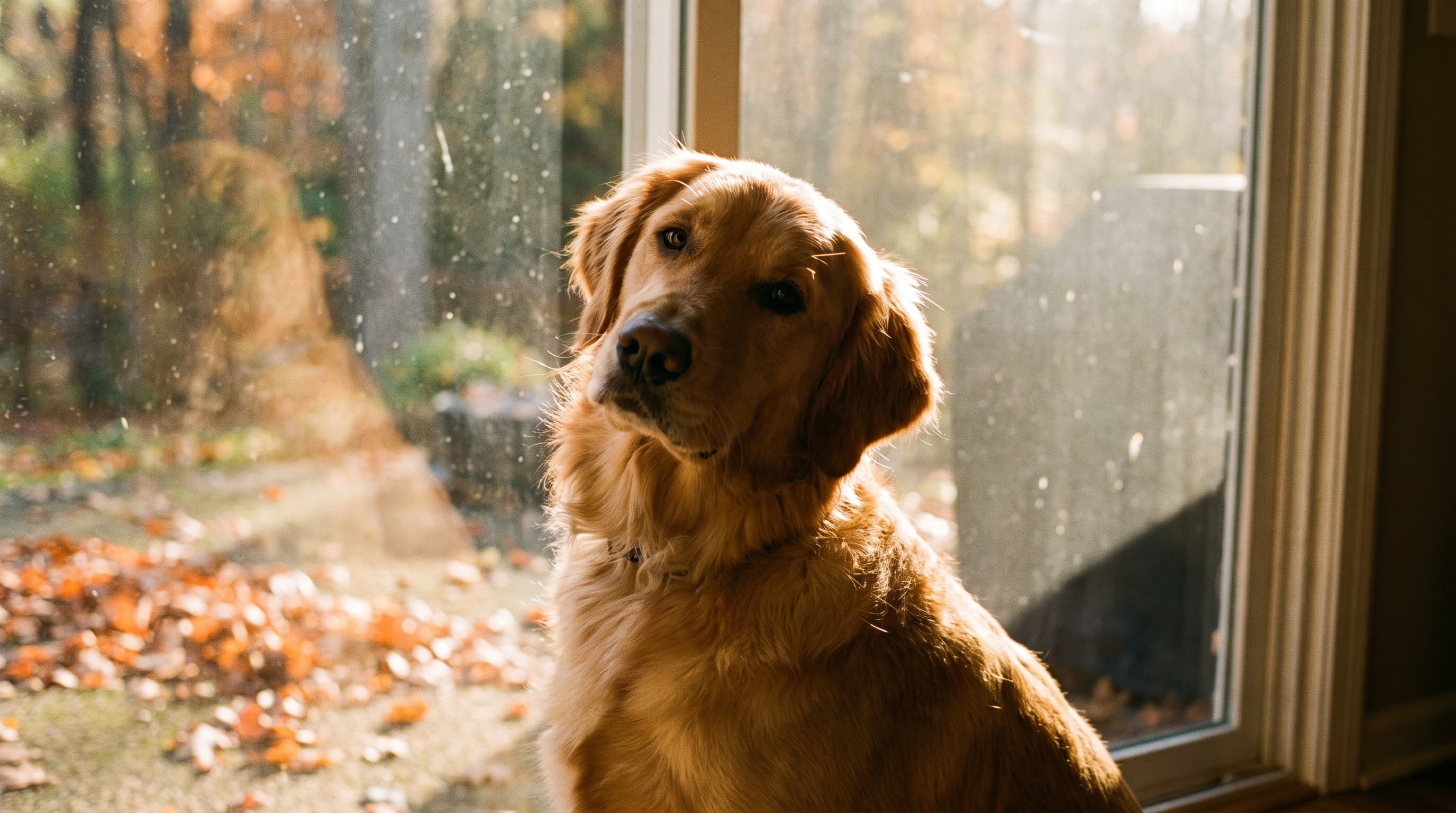

When clocks fall back one hour at 2 a.m. on Sunday, November 1, 2026, you get what feels like a free extra hour of sleep. Your dog gets something else entirely: a breakfast that suddenly arrives an hour late, a walk that lands after dark, and a human who keeps hitting snooze while the dog stares, stomach growling, convinced it is already time to eat.
Dogs do not read clocks. They run on routine, daylight, and the rhythm of the people they live with, so a one-hour shift can quietly throw them off for days. The good news is that a little planning this week keeps the transition smooth. Here is what actually happens inside your dog when the time changes, what the research says, and a simple seven-day plan to reset their schedule before November 1.
Why the "extra hour" isn't a gift to your dog
Your dog's sense of time is built on habit and environment, not the number on your phone. As the American Kennel Club explains, dogs respond to daylight rather than clock time, which is exactly why they can't immediately adapt when you suddenly move everything an hour. To your dog, 6 a.m. breakfast is simply "breakfast time," anchored to the gray light at the window and the sound of your alarm. Move that anchor overnight and the whole day feels off.
There is biology underneath the habit, too. Dogs are highly attuned to their owners' daily patterns, and research on activity rhythms has found that pet dogs tend to mirror the monophasic, active-by-day, quiet-at-night rhythm of the humans they live with. When your routine lurches by an hour, theirs does not automatically follow.
Amber Batteiger, a veterinary nurse at Embrace Pet Insurance, told Newsweek that the disruption can lead to "anxiety, restlessness, or even accidents if their usual bathroom breaks are delayed." You might notice your dog begging for food early, pacing, or following you from room to room expecting a walk that, by their internal clock, is overdue.
What the research actually says
Before you panic, here is the reassuring part: most pet dogs handle the fall change better than you might expect. A PLOS ONE study from the University of Toronto tracked 29 pet dogs and 25 working sled dogs with motion-sensitive activity monitors through the "fall back" weekend. The pet dogs showed essentially no change in their morning activity, even though their owners were waking an hour earlier by the clock.
The dogs who struggled were the ones on rigid, externally imposed schedules. The sled dogs, whose handlers normally arrived at sunrise, were thrown off when sunrise suddenly came an hour before the humans showed up. The study's other notable exception was age: older pet dogs were less active on the first morning after the change, suggesting senior dogs feel the shift more than younger ones. As one of the researchers put it, "flexible routines can help dogs better adjust."
The takeaway for the average owner is encouraging but not a free pass. If your dog is young, adaptable, and lives a flexible life, they will likely settle within a day or two. If your dog is a senior, a stickler for routine, anxious, or on a medication schedule, a gradual approach is worth the small effort.
The seven-day reset plan
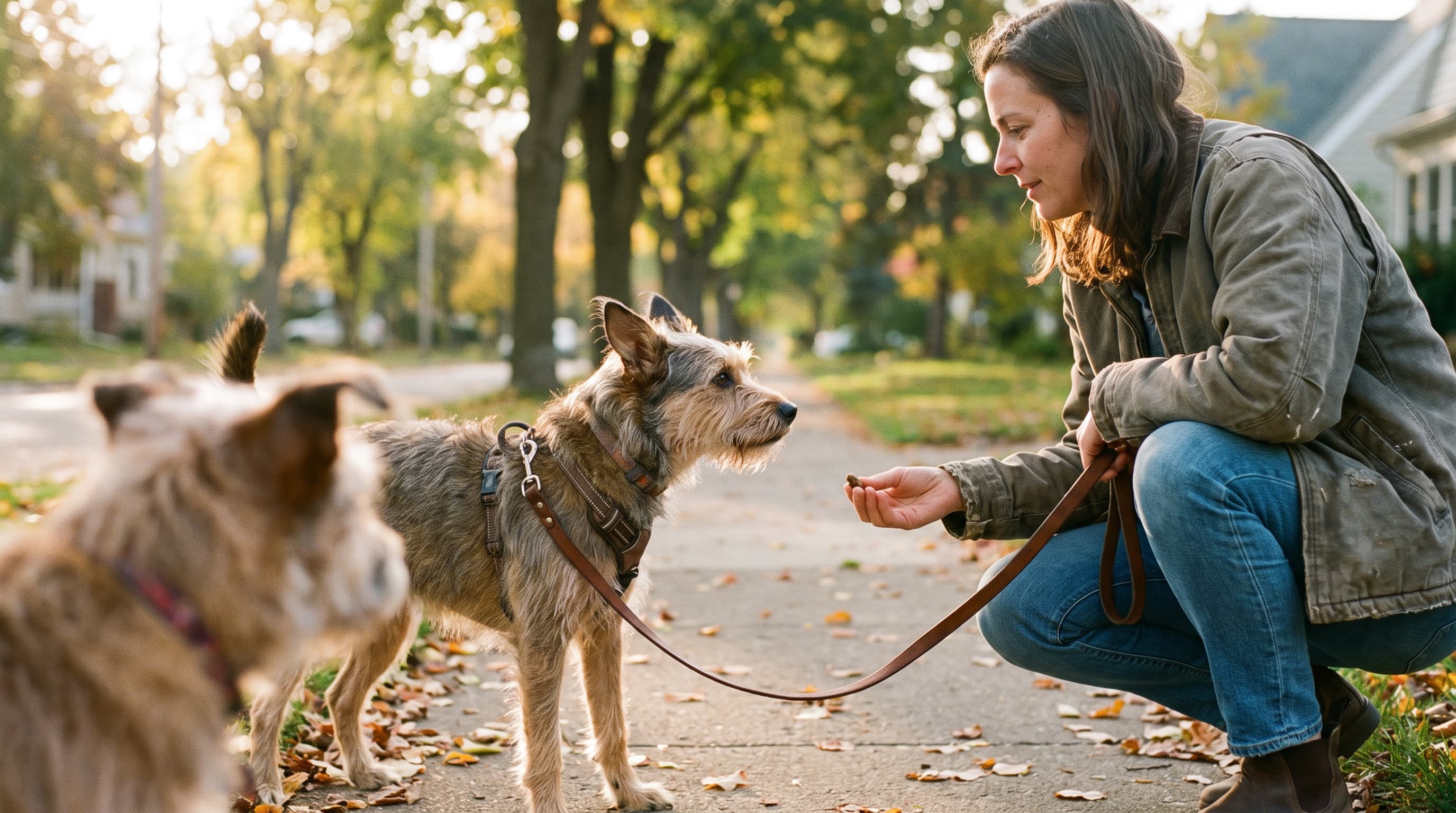
Nearly every veterinary source agrees on the core method: shift gradually instead of all at once. Writing for Zoetis Petcare, Dr. Heather Berst, VMD, recommends moving feeding and activity times by 10 to 15 minutes per day in the days before the change, and notes that dogs who struggle can go slower, in steps of about five minutes. Over a week, those small nudges add up to the full hour so your dog never feels a jarring jump.
Because we are "falling back," you are shifting everything later. Starting roughly a week out (around October 26), push each daily anchor back by about 10 minutes a day until you reach the new time by November 1.
Meals: the main flashpoint
Food is almost always the first thing a dog notices. A bowl that shows up late is the fastest route to whining, counter-surfing, or raiding the trash. Make mealtimes your priority: feed breakfast and dinner about 10 minutes later each day in the lead-up. If your dog is especially food-driven or anxious, slow the shift to five-minute increments and spread it over the full week.
Walks and potty breaks
Move walks later on the same gradual schedule. Pay special attention to bathroom breaks in the first few days after the change, when a delayed trip outside is the most likely cause of an accident. Offering one extra potty break during the adjustment window is a small insurance policy, especially for puppies and seniors with less bladder control.
Bedtime and wake-up
Nudge bedtime later in the same 10-minute steps, and brace yourself for a few early wake-ups. Your dog's internal clock will still say "morning" at the old time for a day or two. The AKC's advice is to stay patient and consistent rather than rewarding the early wake-up with an immediate breakfast, which only teaches your dog that 5 a.m. whining works.
Don't overlook the darker evenings
The sneakiest part of the fall change isn't the hour on the clock, it's the sudden darkness. Walks that happened in daylight last week now happen at dusk or after dark, and that brings its own to-do list. Add a reflective harness, leash, or a clip-on LED collar light so you and your dog stay visible to drivers. Keep a closer eye on the ground, since low light makes it easier to miss hazards like sharp debris, dropped food, or fall mushrooms.
Darkness also changes the emotional math for dogs who dislike being home alone. Coming home "after dark" can make a long afternoon feel even longer, and owners of velcro dogs often see a bump in clingy or anxious behavior this time of year. If that sounds familiar, our guide to easing fall separation anxiety pairs perfectly with the time change. Front-loading enrichment during daylight hours helps, too, whether that's a longer midday walk, a puzzle feeder, or a dog-friendly fall outing while the sun is still up.
The dogs who need a little extra help
Some dogs sail through the time change and some need a gentler hand. Puppies, senior dogs, and dogs with medical conditions typically take longer to settle, so start their gradual shift earlier and keep expectations modest. Dr. Eugene Lipov, a physician who studies stress, told Newsweek that abrupt time shifts can disrupt a dog's internal clock and lead to poor sleep and heightened anxiety, which may surface as excessive barking, pacing, or destructive behavior.
Two situations deserve a call to your veterinarian. First, if your dog is on time-sensitive medication, ask how, or whether, to adjust the dosing schedule rather than guessing. Second, if restlessness, appetite changes, or house accidents linger well past the transition, don't chalk it up to the clocks indefinitely. Persistent changes can have a medical cause that has nothing to do with daylight saving, and they are worth a professional look.
Small steps, smoother season
The end of daylight saving time is one of those rare dog-care challenges you can almost completely prevent with a little foresight. Start nudging meals, walks, and bedtime later this week, lean on daylight and consistency to re-anchor your dog's internal clock, give extra patience to your senior or anxious pup, and gear up for darker evening walks. Do that, and November 1 will come and go with nothing more dramatic than an extra hour of sleep, for both of you.
For more seasonal tips to keep your pup happy through the shorter days ahead, follow along with Sidewalk Dog and sign up for our newsletter, where we fetch the week's best dog news, advice, and trivia straight to your inbox.