
The forecast this week reads like a warning label. With the 2026 North American heat wave tying and breaking temperature records from coast to coast, the midday sidewalk has become one of the most dangerous surfaces in your dog's day. And here's the part most owners miss: even when the air feels merely uncomfortable, the ground can be brutal. Pavement can reach 140 degrees in the summer sun—hot enough to blister a paw pad in seconds.
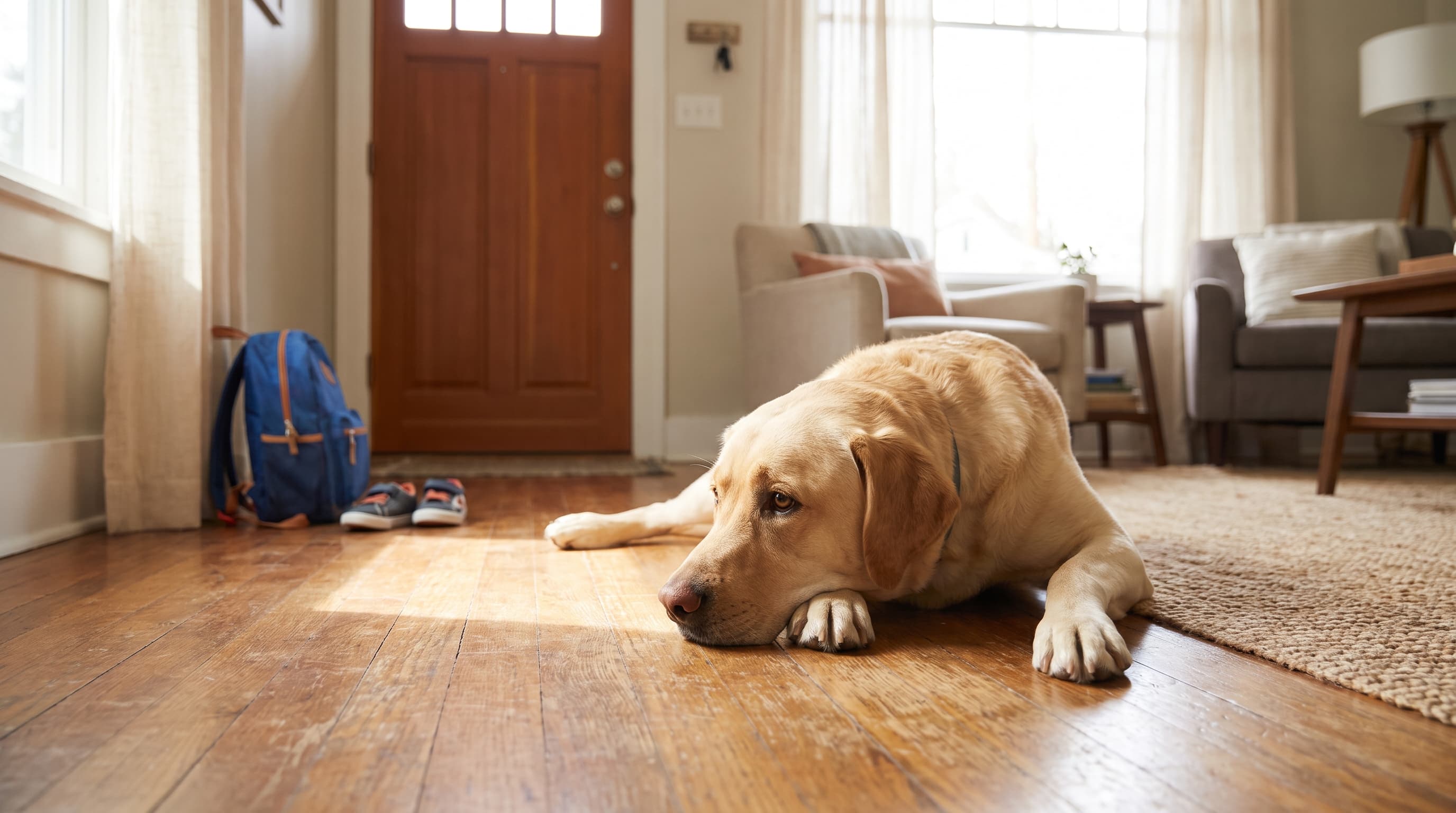
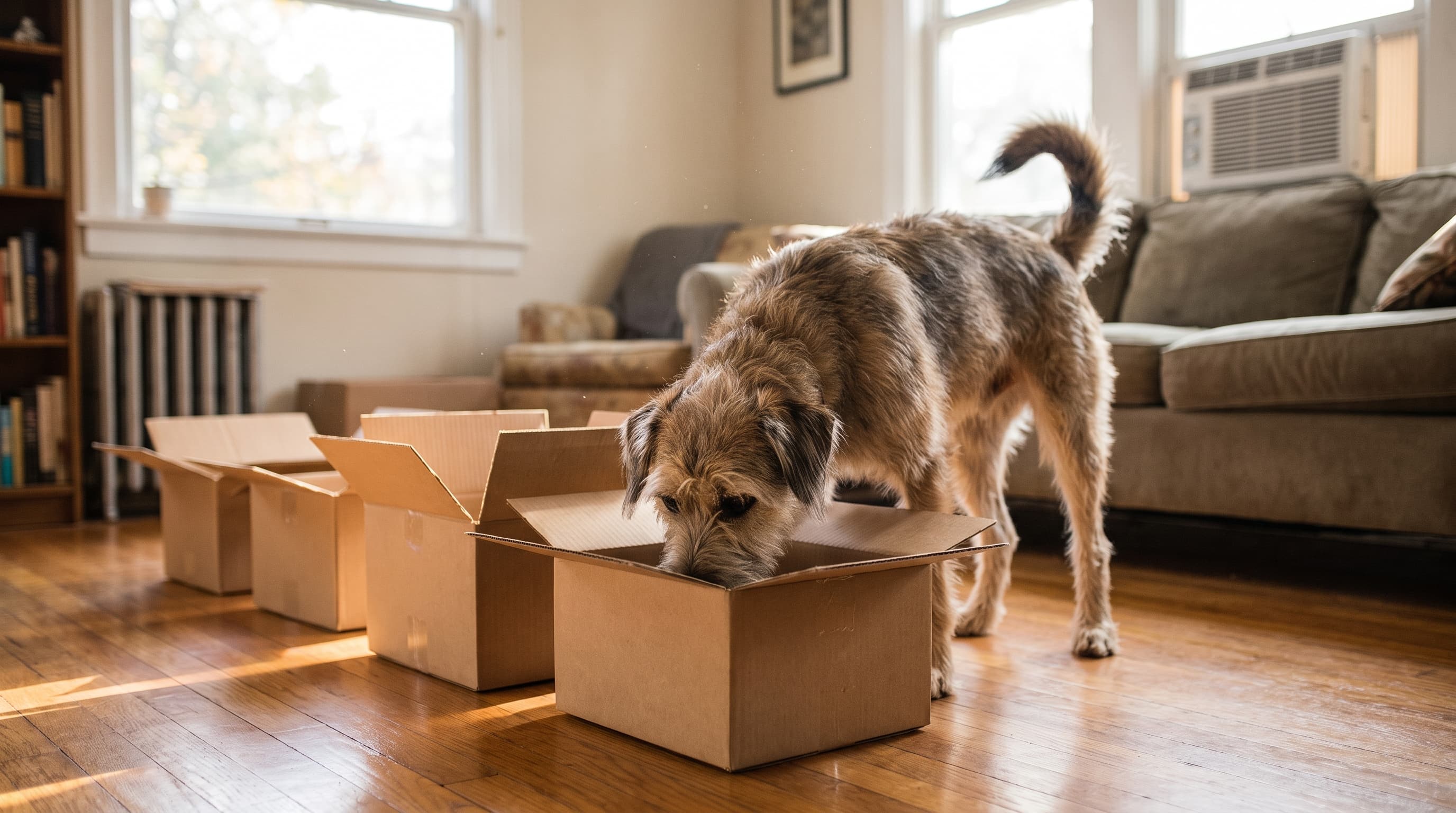
So the daily walk is out. But a bored dog is its own kind of problem, and "just skip it" leaves you with a restless, under-stimulated companion pacing the kitchen. The good news is that trainers and shelters have a better answer than the treadmill or another chewed-up couch cushion: move the workout indoors and let your dog's nose do the heavy lifting. Indoor scent work—the fast-growing sport of hide-and-seek for smells—is quietly becoming the go-to way to tire a dog out during a heat wave, no yard and no equipment required.
Why the pavement is the real hazard right now
Dogs don't sweat the way we do; they shed heat mostly by panting, which makes them far less efficient at cooling down than their humans. During extreme heat, that gap turns dangerous fast. The American Kennel Club notes that a dog's safe body temperature tops out around 102.5°F, and 103°F or higher signals heatstroke—a swing of just a few degrees.
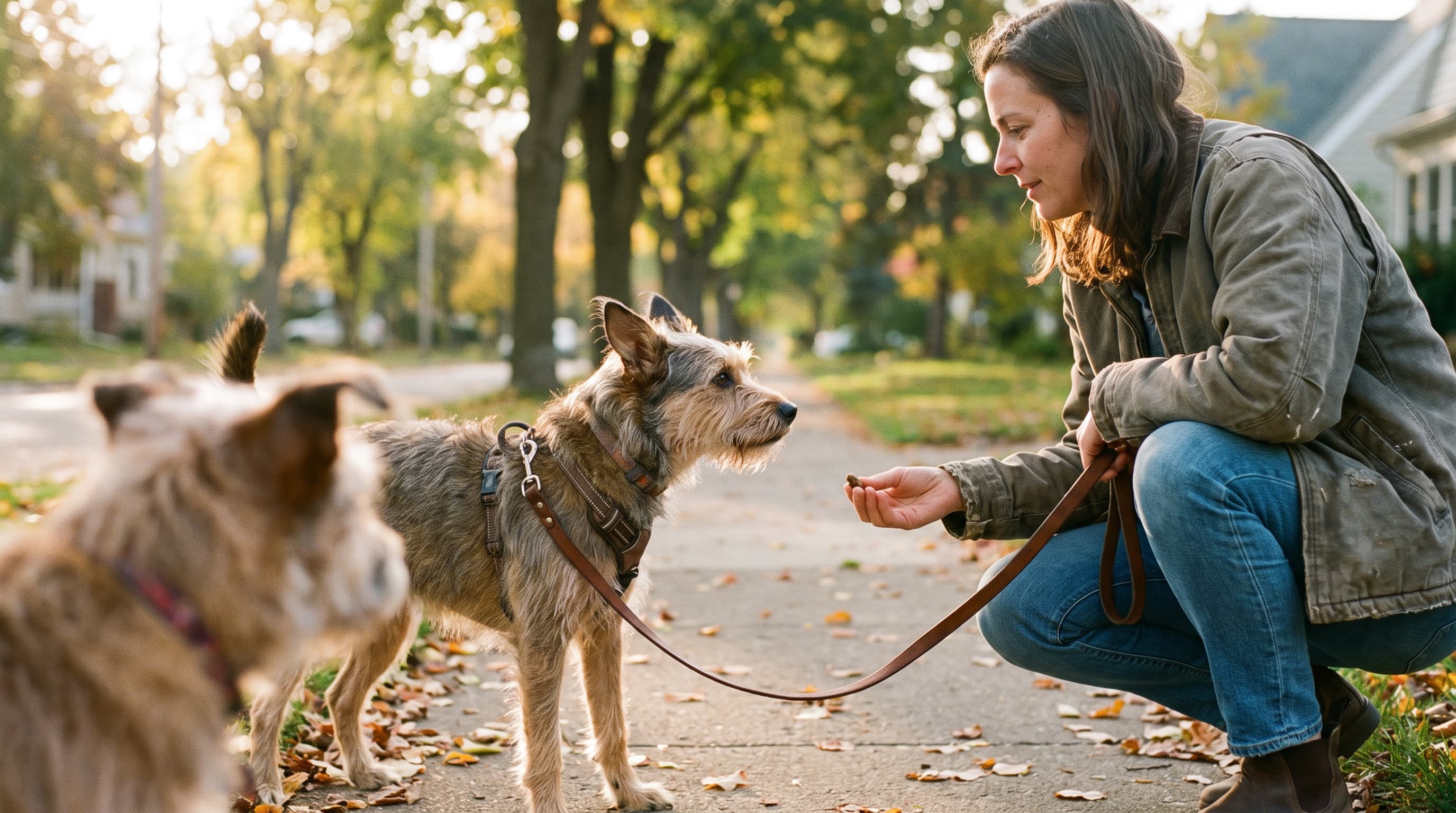
The ground makes it worse. "Sidewalks and asphalt can really heat up quickly. Pets can burn their foot pads," Michelle Logan, executive director of the Best Friends Pets Resource Center in Bentonville, Arkansas, told reporters this week as record temperatures gripped the country. Her rule of thumb is the one every dog owner should memorize: "If you can't comfortably hold your hand on the pavement for seven seconds, it's too hot for your pet's paws."
Run that test at 8 a.m. and again at 3 p.m. this week and you'll understand why so many walks are being shelved. Which is exactly why the smartest move isn't to power through—it's to bring the enrichment inside.
Scent work: the indoor sport built for a heat wave
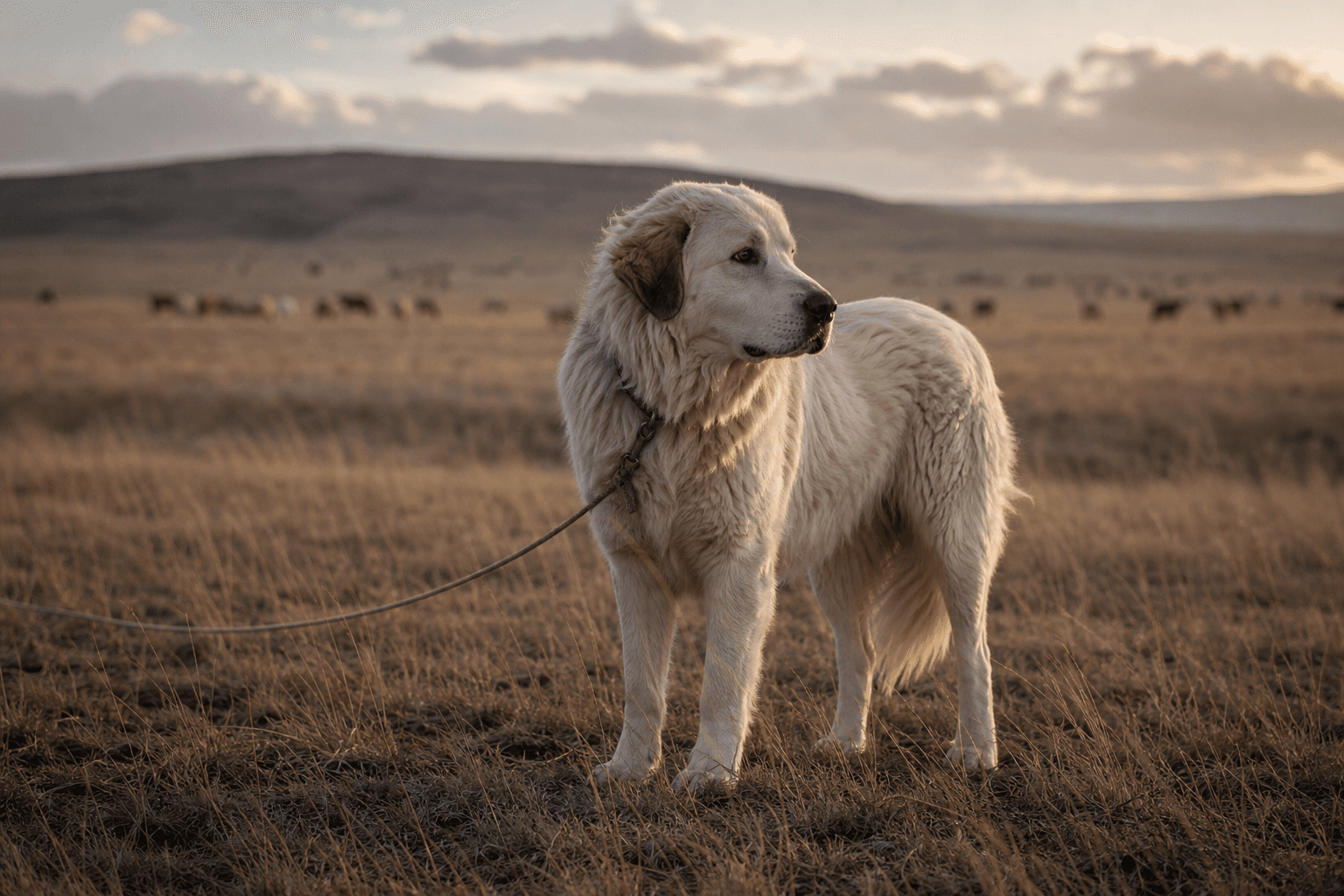
If you've never heard of scent work, picture a civilian version of what detection dogs do at airports. Your dog searches a room, a set of boxes, or a piece of furniture for a specific hidden odor, then signals when they've found it. It leans on the one thing every dog already does better than any gadget you own: smell. A dog's nose is estimated to be 10,000 to 100,000 times more sensitive than ours, which means a search that looks trivial to you is a rich, absorbing puzzle for them.
The sport is organized around four elements—Container, Interior, Exterior, and Buried—and three of the four can happen entirely inside your air-conditioned home. Best of all, it's low-impact. Unlike agility or a long run, sniffing games ask almost nothing of your dog's joints, which makes them a perfect fit for seniors, puppies, brachycephalic (short-nosed) breeds that overheat easily, and dogs on activity restrictions. As the AKC's own primer puts it, the sport "doesn't require a lot of equipment" and comes naturally to nearly every dog.
Why sniffing tires a dog out faster than a walk
Here's the counterintuitive payoff. Ten minutes of concentrated searching can leave a dog more satisfied and ready to nap than a half-hour stroll around the block. Scenting is demanding cognitive work—your dog is processing a flood of information, problem-solving, and making decisions. That mental effort burns energy and lowers arousal in a way physical exercise alone often doesn't. For the anxious or over-caffeinated household dog, a few daily sniff sessions can take the edge off far better than one more lap of the neighborhood ever could.
How to start indoor scent work today—with what's already in your kitchen
You do not need to enroll in a class or buy a kit to begin. You need treats, a few household containers, and five minutes.
1. The three-box game
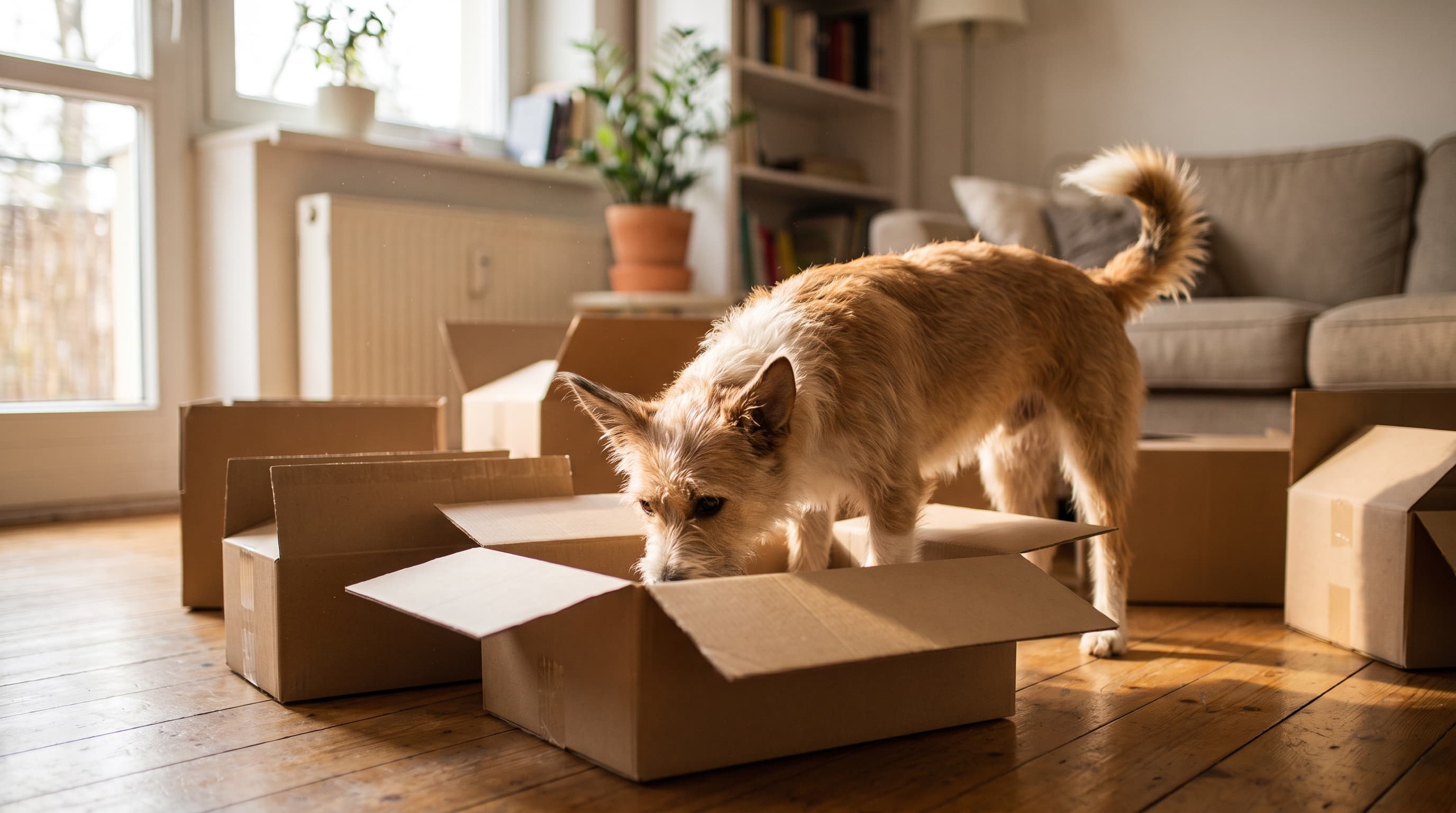
Line up three or four open cardboard boxes or plastic containers on the floor. With your dog watching, drop a high-value treat (something smellier than kibble—think a bit of cheese or freeze-dried liver) into one box. Release your dog with a cue like "Find it!" and let them investigate. When they nose the right box, praise and let them eat the reward. Repeat, and soon you can hide the treat while they're out of the room so they have to search rather than watch.
2. Graduate to a room search
Once your dog reliably works the boxes, scatter a few hidden treats around a single room—behind a chair leg, under the lip of a rug, on a low shelf—and send them to hunt. This mirrors the sport's Interior element and can fill a surprising amount of time. Keep sessions short and successful; five to ten minutes of real searching is plenty.
3. Add a target odor when you're ready
Owners who catch the bug can introduce the same odors used in competition—birch, anise, and clove essential oils—pairing a scented cotton swab with treats until the dog learns to seek the odor itself. That's the on-ramp to formal AKC trials, part of the tens of thousands of AKC events held across the country each year. But plenty of dogs live happy, enriched lives never advancing past the kitchen-floor version—and during a heat wave, the kitchen floor is the whole point.
Other cool-weather-free ways to keep a dog busy
Scent work pairs well with a rotation of other indoor enrichment so your dog isn't doing the same thing every day:
- Puzzle feeders and frozen treats. Swap the food bowl for a puzzle toy, or freeze a stuffed rubber toy for a long-lasting, cooling project. (Curious whether ice itself is safe? We cleared up the ice-cube "bloat" myth in a separate vet-backed guide.)
- Trick training. Teaching "spin," "shake," or "place" is mental exercise that doubles as bonding, and it's easy to build on the basics—here's our step-by-step guide to teaching a rock-solid sit if you're starting from scratch.
- Indoor fetch and tug, in short bursts, down a carpeted hallway where footing is safe.
When it's genuinely too hot: the safety checklist
Enrichment is the fun half of the equation. The other half is knowing the red lines. Keep these AKC-backed basics handy for the rest of the heat wave:
- Run the seven-second test before any outdoor potty break. If you can't hold your hand on the pavement that long, neither can your dog's paws—move to shaded grass or wait for dusk.
- Walk only at the cool edges of the day, early morning and late evening, and keep it short.
- Never leave a dog in a parked car. Logan warns that even at 70 degrees outside, a car's interior can hit 89 degrees in just ten minutes.
- Watch the at-risk crowd closely: overweight dogs, dogs with heart conditions, and flat-faced breeds like Frenchies and Pugs overheat fastest.
- Know the warning signs of heatstroke: heavy or unusual panting, thick drooling, a bright or dark red tongue, vomiting, or disorientation. If you see them, cool your dog with room-temperature (not ice-cold) water and call your vet immediately.
A dangerous heat wave doesn't have to mean a stir-crazy dog. With a handful of boxes and a pocket of treats, you can give your dog a genuinely tiring, deeply satisfying workout without ever touching the scorching pavement—and come September, you may find the sniffing games have become a year-round habit.
For more seasonal training tips, safe-treat guides, and the occasional very good dog story, keep it locked to Sidewalk Dog—we fetch the news so your pup doesn't have to.