
Here is a dog activity that costs nothing, takes about 15 minutes, works for a wobbly senior or a bouncing puppy, and — according to a growing stack of research — may leave your dog measurably calmer and more optimistic. It is not a new gadget or a boutique class. It is your dog's nose, six cardboard boxes, and a handful of treats.
Welcome to nose work, sometimes called scent work: the quietly booming dog sport that trainers, shelters, and behavior researchers have fallen for, and that you can start on your kitchen floor tonight. As back-to-school schedules leave more dogs home alone and under-stimulated, sniffing games are having a genuine moment — and the science behind them is more interesting than a bag of the fanciest puzzle toys.
What actually happens when your dog sniffs
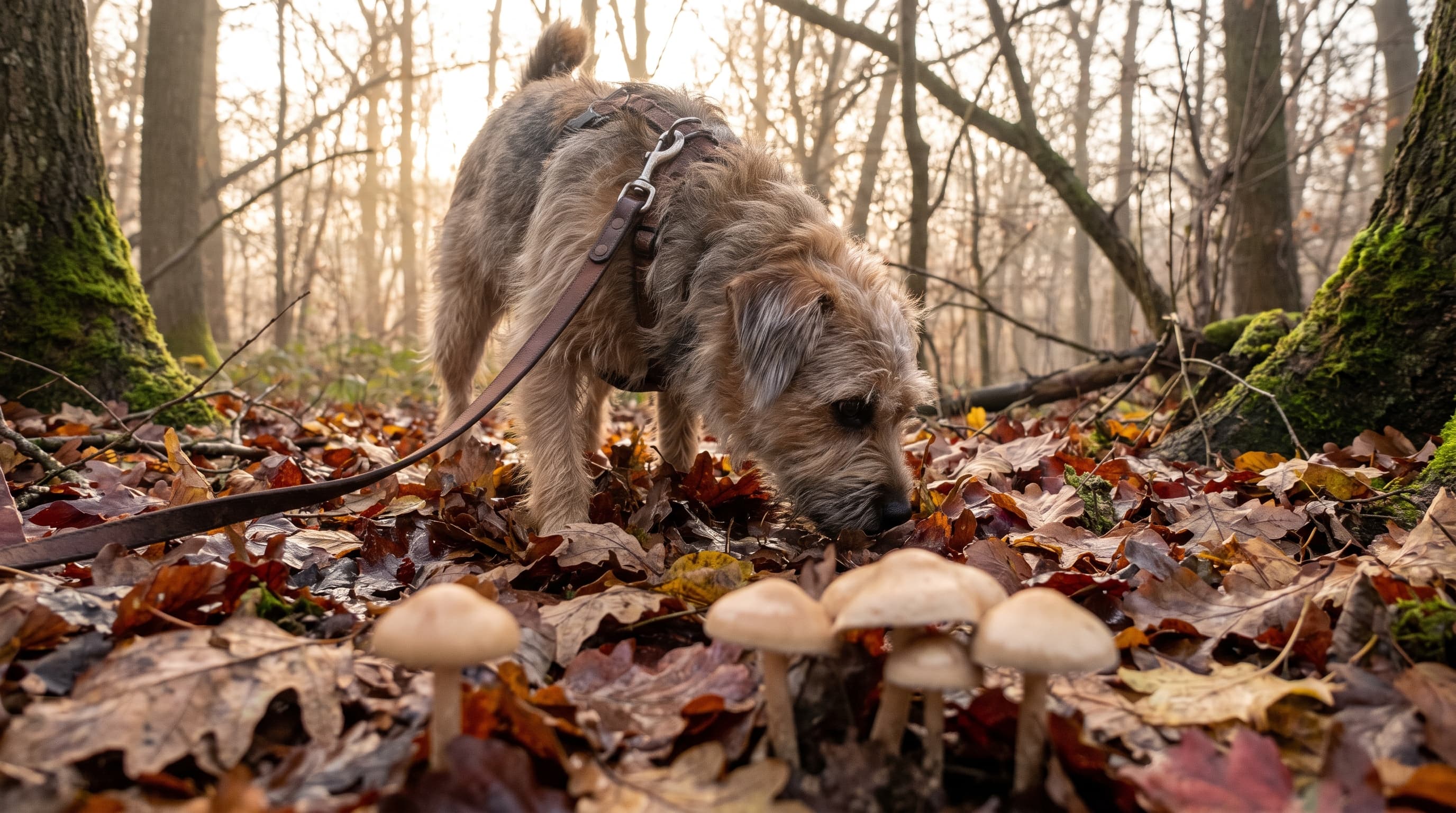
Sniffing is not idle behavior. A dog's sense of smell is their primary way of reading the world, and letting them use it fully appears to change how they feel. In a widely cited 2019 study, researchers Charlotte Duranton and Alexandra Horowitz split 20 pet dogs into two groups: half did daily nosework, half did daily heelwork without sniffing. After two weeks, the nosework dogs approached an ambiguous food bowl faster — a classic sign of optimism in animal-behavior science — while the heelwork group showed no change. Their conclusion was blunt: "allowing dogs to spend more time using their olfaction through a regular nosework activity makes them more optimistic."
The picture got a useful dose of nuance in 2025. A team from the University of Adelaide, publishing in the journal Applied Animal Behaviour Science, ran a longer, more real-world version: four-week scent work classes versus four-week traditional obedience classes. On the strict optimism test, the two groups came out similar — a reminder that obedience training is good for dogs too. But the owners of the scent work dogs reported a higher perceived quality of life for their pets, and the researchers noted that scent-based activities uniquely tapped into behaviors dogs are intrinsically driven to perform. Put the two studies together and the takeaway is not "sniffing is magic," but something more grounded: giving your dog structured chances to use their nose is one of the highest-value, lowest-effort things you can do for their day-to-day welfare.
Why nose work is suddenly everywhere
Part of the surge is cultural. Pet parents in 2026 are hungry for enrichment that tires dogs out mentally rather than just physically, and sniffing does exactly that — a focused search session can leave a dog as satisfied as a long walk. Part of it is institutional. The American Kennel Club now runs more than 22,000 competitive events a year across its sports, and Scent Work has become one of the friendliest on-ramps for regular owners: there are no jumps, no split-second timing, and mixed breeds compete on exactly the same footing as purebreds.
The sport is even growing its own marquee event. The AKC held its inaugural Scent Work Master National in 2025, and the 2026 edition runs October 18–20 at Chateau on the Lake in Branson, Missouri — a sign of how fast the discipline is maturing. If you have read our piece on Fast CAT, the 100-yard dash for dogs, think of nose work as its calm, cerebral cousin: same explosion of grassroots interest, opposite energy.
The 15-minute box game: start tonight
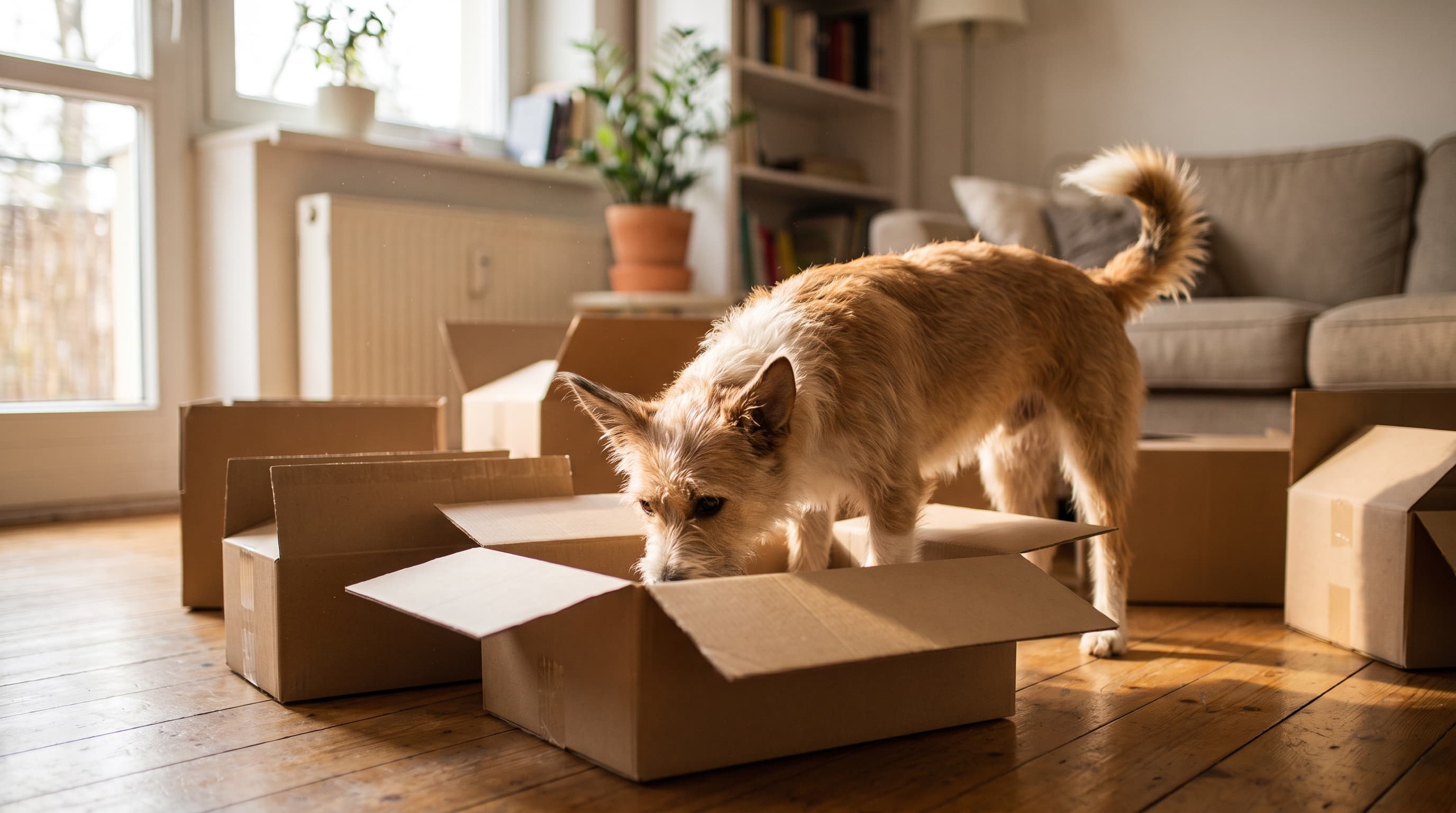
You do not need a class, a kit, or a single essential oil to begin. The gold-standard beginner exercise, recommended by rescue experts at Best Friends Animal Society, uses gear you almost certainly already own.
What you need
- About six open cardboard boxes of similar size
- Your dog's favorite high-value treats (something smelly — think chicken, cheese, or liver)
- A six-foot leash, or a quiet room where your dog can move freely
How to play
- Take your dog out of the room. Scatter the boxes and hide treats in at least half of them, leaving the boxes open so your dog can help themselves once they find the goods.
- Bring your dog in and let them investigate on their own. Resist the urge to point, steer, or say "over here" — the entire benefit comes from your dog solving it with their nose.
- When they find a baited box and eat the reward, quietly celebrate and re-bait for the next round.
- Run three to five short rounds of one to two minutes each, for a session of roughly 15 minutes total, with brief rest breaks in between.
- Do at least half a dozen sessions before you make it harder — say, by hiding treats in fewer boxes or in trickier spots.
That is it. The magic is in the restraint: because the dog leads, the game builds confidence and independence rather than dependence on your cues. It is a refreshing counterweight to the "wait, watch me, sit" rhythm of standard obedience training.
Beyond the box: everyday sniffing wins
Once your dog gets the idea, you can weave scent enrichment through ordinary life without setting anything up. Behavior researchers and trainers point to a handful of easy variations:
- The "sniffari" walk. Instead of marching your dog around the block on a mission, let one walk a week be entirely on their terms — long line, loose leash, and permission to stop and read every mailbox, hydrant, and clump of grass for as long as they like.
- Scatter feeding. Toss part of a meal across the lawn or a snuffle mat and let your dog hunt for it, turning a 30-second bowl into a 10-minute foraging session.
- New smells at home. Bring in a novel, safe scent — a fresh herb, a feather, a leaf from a walk — and simply let your dog investigate. Novelty is part of what makes sniffing rewarding.
- The muffin-tin puzzle. Drop treats into a muffin tin and cover each cup with a tennis ball for a beginner-friendly search your dog has to nose apart.
None of these require special skill from you, which is exactly why they stick.
Which dogs benefit most
Nose work's biggest selling point may be its universality. As Best Friends puts it, "virtually any dog can do it" — including seniors, dogs recovering from injury, and pups with physical limitations who can no longer run or jump. It is especially valuable for shy and fearful dogs, because succeeding at a search on their own terms builds the kind of quiet confidence that no amount of coaxing can.
That is also why shelters increasingly use scent games to keep kenneled dogs mentally healthy while they wait for homes, and why it comes up so often for dogs who struggle with big feelings. If your dog gets wound up around triggers, the focus and self-regulation that sniffing demands can be a useful piece of a broader plan — a natural companion to the strategies in our guide on reactivity versus aggression. And for households navigating the fall transition, a short scent session before you leave can take the edge off back-to-school separation anxiety by sending your dog into their alone-time already mentally satisfied.
Ready to make it official?
If your dog catches the bug, competitive Scent Work is one of the most accessible dog sports out there. In AKC trials, dogs search for cotton swabs saturated with the essential oils of birch, anise, clove, and cypress, hidden in containers, interiors, exteriors, or buried in the ground. Any dog at least six months old with an AKC number can enter — purebred or proudly mixed — and teams are scored pass/fail against a standard rather than ranked against each other, so it is far less cutthroat than it sounds. Many owners start in a local beginner class and are hooked within a session.
But you do not need a title, a trainer, or a single dollar to give your dog the core of what makes this sport special. Tonight, hide a few treats in a few boxes, step back, and watch your dog do the one thing they were built to do. At Sidewalk Dog, we are big believers in the small, free rituals that make ordinary days better for the dogs we love — and few pay off faster than simply letting them sniff. For more enrichment ideas, training how-tos, and the dog stories worth your time, keep exploring Sidewalk Dog.