
For a dog diagnosed with bone cancer, the hardest part is often the pain. Osteosarcoma, the most common bone tumor in dogs, is aggressive and deeply uncomfortable, and controlling that pain is one of the biggest challenges owners and veterinarians face. This week, that conversation took a notable turn.
On October 5, 2026, the U.S. Food and Drug Administration's Center for Veterinary Medicine determined that a cannabinoid-based drug called CannEpil qualifies as a "minor use" for controlling pain associated with bone cancer in dogs. That technical-sounding ruling opens the door to something many dog owners have wondered about for years: a cannabis-derived medicine for dogs that actually goes through the FDA.
Here's what the decision does and doesn't mean, and what it should (and shouldn't) change about how you think about CBD and your dog.
What the FDA actually decided
Let's be precise, because the headlines around cannabis and pets tend to outrun the facts. The FDA did not approve CannEpil. It did not even conditionally approve it. What the agency did was determine that the drug's intended use—pain from bone cancer in dogs—qualifies as a "minor use" under the Minor Use and Minor Species (MUMS) program.
MUMS exists to encourage companies to develop drugs for conditions that affect relatively small animal populations, where the usual cost of full approval might otherwise scare developers off. In this case, the agency treats bone cancer pain in dogs as a minor use because fewer than 70,000 dogs are typically affected by it each year. Qualifying as a minor use does one key thing: it makes CannEpil eligible to pursue the conditional approval pathway.
For now, CannEpil remains an investigational new animal drug. It is not something your veterinarian can prescribe today, and it is not on any shelf.
Why "conditional approval" matters
Conditional approval is the part worth understanding. Normally, a new animal drug has to meet the FDA's full "substantial evidence" standard for effectiveness before it can be sold. The conditional pathway lets a company legally market a drug once it has shown safety, proper manufacturing, and a "reasonable expectation of effectiveness"—while it continues gathering the full effectiveness data.
Conditional approval lasts one year and can be renewed annually for up to four more years, giving a sponsor up to five years to complete the work needed for full approval. It's designed to get genuinely useful therapies to uncommon conditions sooner rather than later. Bone cancer pain in dogs is exactly the kind of serious, underserved problem it was built for.
Who is behind CannEpil
CannEpil is being developed by Endovia Health Sciences (NYSE American: EDVA) in partnership with Lupvindol BioSciences. The drug itself is a proprietary oral solution that combines cannabidiol (CBD) and tetrahydrocannabinol (THC).
The partnership carries some real pharmaceutical pedigree. Lupvindol is led by Hunter Land, Ph.D., who worked on the development of Epidiolex and Sativex at GW Pharmaceuticals—two of the most prominent cannabinoid medicines ever brought through regulators for humans. That background matters, because the gap between a marketed "pet CBD" supplement and an FDA-reviewed drug is enormous.
"This determination represents an important regulatory milestone for CannEpil," said Brady Cobb, interim chief executive officer of Endovia, who added that the company's veterinary program addresses "a serious unmet need for dogs suffering from cancer-related pain." Cobb also said the companies are "not waiting to begin preparing for commercialization," and are already sourcing U.S.-based manufacturing.
The timeline
Two dates are worth marking. Endovia and Lupvindol are scheduled to meet formally with the FDA on November 19, 2026 in a pre-submission conference to align on the studies, manufacturing, and paperwork needed. From there, the companies say a potential veterinary launch could come in 2027—though they're careful to note that depends on regulatory review, manufacturing readiness, and other factors. In other words: promising, but not a sure thing, and not soon.
Why bone cancer pain is such a hard problem
To appreciate why this news landed, it helps to understand what dogs with osteosarcoma are up against. It is, by a wide margin, the most common bone tumor dogs develop, and it tends to strike large and giant breeds hardest—Rottweilers, Great Danes, greyhounds, Dobermans, German shepherds, golden retrievers, and others. Size appears to matter more than breed itself.
It usually appears in the limbs, and it hurts. The standard of care is amputation of the affected leg, often followed by chemotherapy. Even then, the numbers are sobering: amputation on its own is considered palliative and does little to extend life, while surgery combined with chemotherapy pushes median survival to roughly 235 to 366 days, with only a minority of dogs reaching the two-year mark.
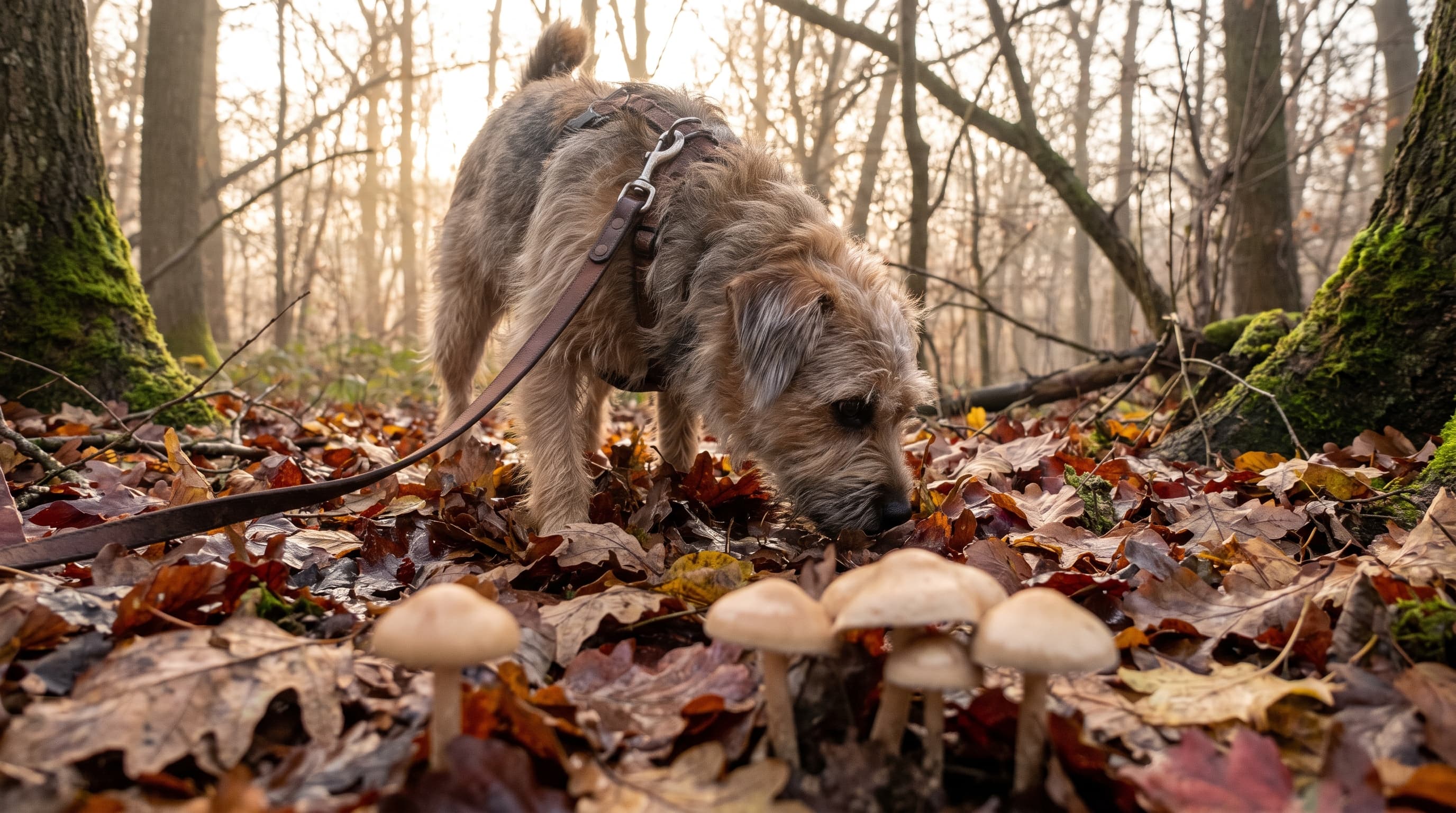
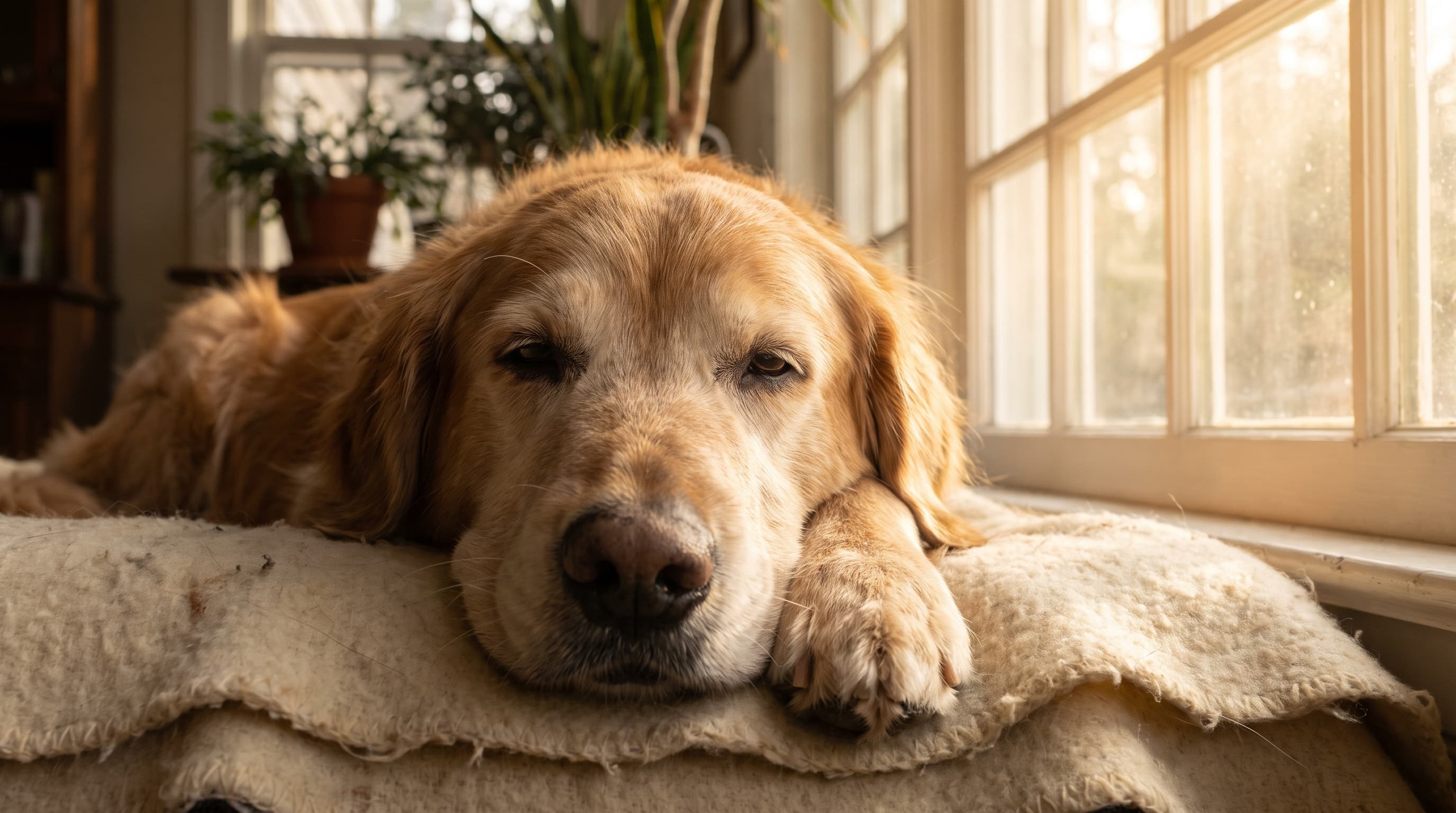
Because the disease is so often not curable, pain control is the heart of the fight. Keeping a dog comfortable—able to rest, eat, and still enjoy a slow sniff around the block—is frequently the real goal of treatment. A new, dedicated pain medicine that's actually studied and regulated for this exact use would be a meaningful addition to a veterinary oncologist's toolkit. For more on supporting an aging or chronically ill dog's quality of life, our guide to low-impact scent games is a gentle place to start.
The big caveat: this is not a green light for cannabis at home
Here's the part every dog owner needs to hear clearly. The excitement around a regulated cannabinoid drug should not be read as permission to dose your dog with cannabis products from a dispensary, a gummy from the nightstand, or whatever CBD oil is on sale at the pet store.
THC is genuinely dangerous to dogs. Marijuana toxicity in pets has risen sharply as cannabis has become more widely available—the ASPCA's poison control center once reported a 765% jump in marijuana-ingestion calls in a single year—and dogs are especially sensitive. Symptoms can include stumbling, vomiting, incontinence, dangerously low heart rate and body temperature, tremors, and in severe cases seizures or collapse. The precise, pharmaceutical-grade formulation and dosing in a drug like CannEpil is exactly what makes it potentially safe—and exactly what a random edible or unregulated tincture lacks.
The "pet CBD" market, meanwhile, is largely unregulated, and independent testing has repeatedly found products whose actual CBD and THC content doesn't match the label. That's the whole point of a drug going through the FDA: known ingredients, known dose, known safety profile, and oversight.
What to do right now
- If your dog has a limp or bone pain that won't resolve, see your vet promptly. Early imaging matters, and osteosarcoma is often mistaken for an ordinary sprain at first.
- Don't self-medicate with cannabis products. If your dog may have eaten THC, call your vet or the ASPCA Animal Poison Control Center immediately—it's treatable when caught early.
- Ask about today's proven pain options. Veterinary oncologists already have a toolbox—NSAIDs, opioids, bisphosphonates, and palliative radiation among them. Don't wait on a 2027 maybe.
- Talk to a board-certified veterinary oncologist if your dog is diagnosed. They can walk you through realistic outcomes for your dog's specific situation.
The bottom line
This is an encouraging, genuinely novel development: a CBD-THC medicine moving through the real FDA process, aimed squarely at one of the most painful diagnoses a dog can get. It signals that cannabinoid therapies for pets are maturing from the supplement aisle toward actual, accountable medicine.
But it's a first step, not a finish line. There's a key FDA meeting in November, a long road of data after that, and a hoped-for launch no sooner than 2027. For now, the best thing a dog owner can do is stay informed, lean on proven pain relief, and keep the cannabis products firmly out of reach.
We'll keep tracking this one as it moves through the FDA. For more science-backed news that actually affects your dog's health and happiness, keep reading Sidewalk Dog—and give your pup an extra ear scratch from us today.