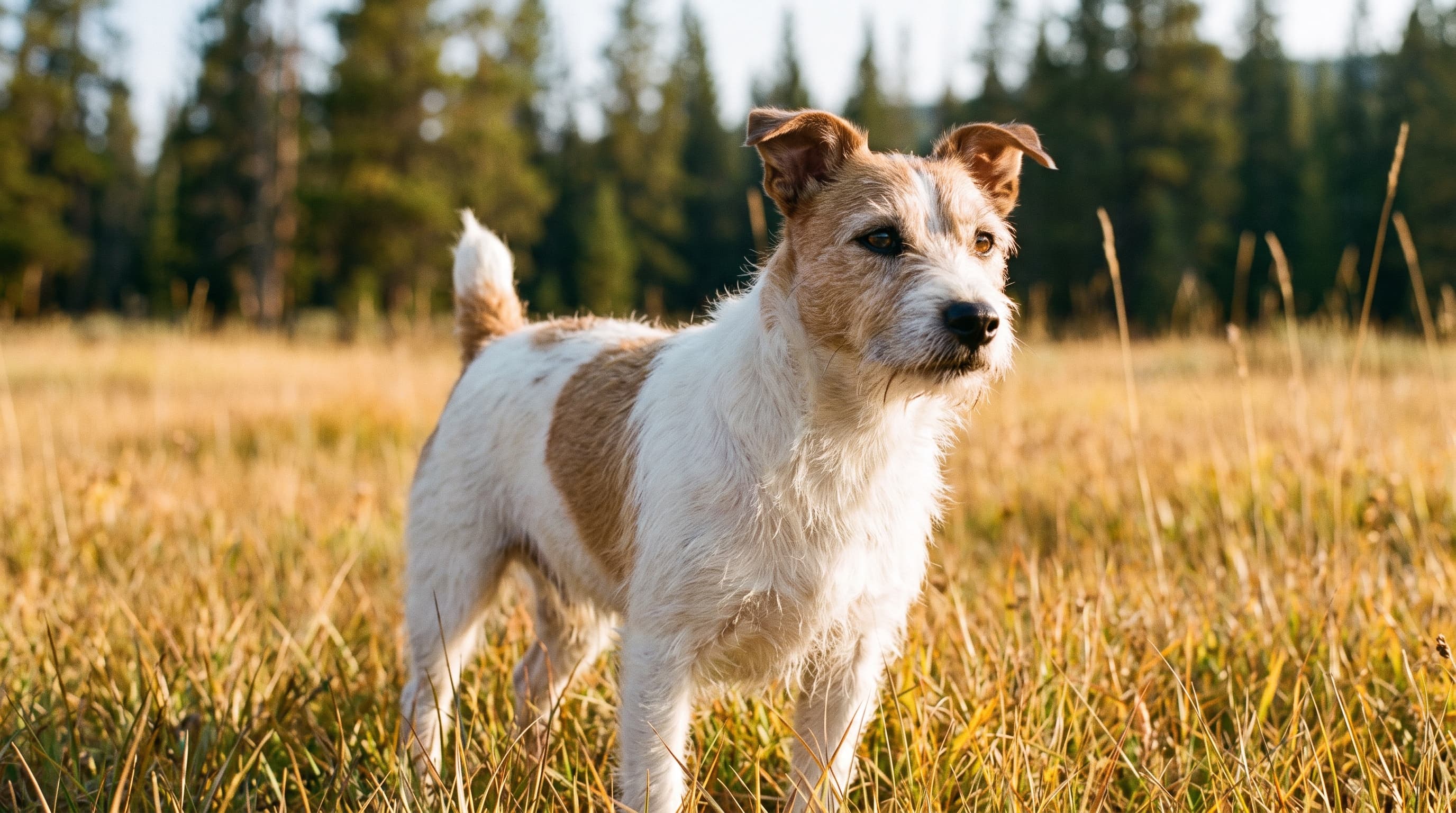

Somewhere this weekend, in a grassy field ringed by folding chairs and coolers, a chunky pug, a rescue mutt, and a retired show Whippet all lined up to do the exact same thing: sprint 100 yards as fast as their legs could carry them. Welcome to Fast CAT, the American Kennel Club's wildly addictive "100-yard dash for dogs" — and this summer, it is absolutely everywhere. Entries are breaking warm-weather records, weekend trials are selling out, and everyday owners are discovering that their couch companion might just be a secret speed demon capable of hitting 35 miles per hour.
If you've never heard of it, you're about to. And if your dog has a pulse and a love of chasing things, there's a very good chance they qualify.
What Fast CAT Actually Is
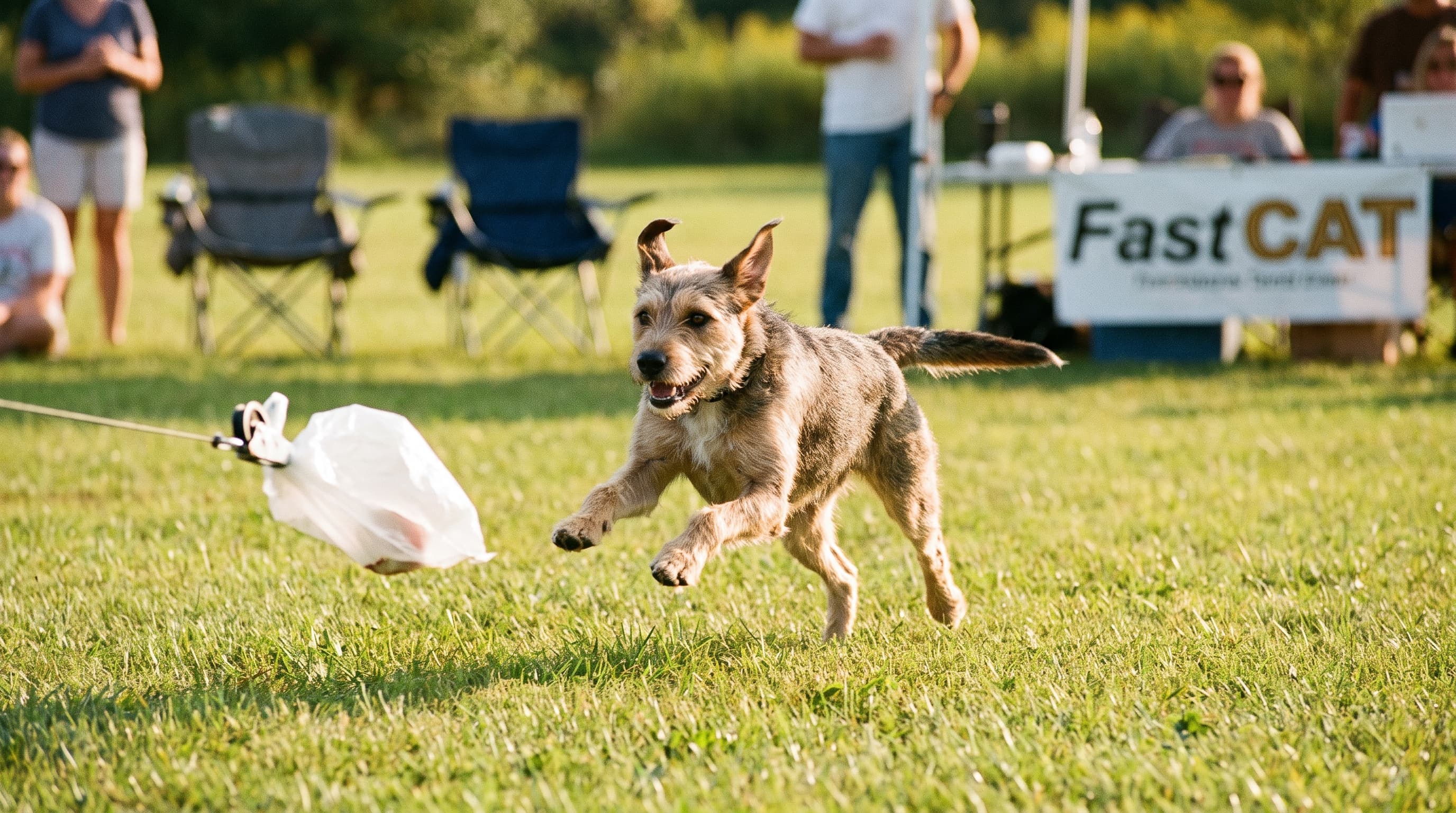
Fast CAT — short for Coursing Ability Test — is beautifully simple. One dog at a time chases a lure (usually a plastic bag zipping along a pulley line) down a straight 100-yard track. A timing system clocks the run and converts it to miles per hour. That's the whole sport. No obstacles, no obedience, no years of training required.
The speeds are the hook. Dogs regularly clock 35 to 45 miles per hour — fast enough that the top runners would leave Olympic sprinter Usain Bolt, who topped out around 28 mph, eating dust. As one AKC official put it, Fast CAT is "one of the few events where all that is needed to compete is a dog's natural instincts." There's no secret handshake and no pedigree requirement. If your dog will run after a flapping bag, they can play.
Why the Sport Is Exploding in 2026
Instinct-based dog sports are having a genuine moment, and Fast CAT is leading the charge. The appeal comes down to one word: access. Unlike conformation showing or advanced agility, there's almost no barrier to entry. Every dog qualifies — purebred or mixed breed — as long as they're at least 12 months old and have an AKC number, which mixed-breed dogs can get for free through the AKC Canine Partners program.
National exposure hasn't hurt, either. The invitation-only AKC Fastest Dogs USA championship now airs on ESPN2, turning the fastest dogs in the country into legitimate sports celebrities. The reigning benchmark belongs to a Whippet named Revenant, owned and handled by Rebecca Johnson of Arlington, Washington, who blitzed the course in a jaw-dropping 5.712 seconds. Watching a dog fly across a field at highway-shoulder speeds is undeniably thrilling — and thousands of owners are deciding they want in.
The Handicap System That Levels the Field
Here's the part that surprises newcomers: your tiny dog isn't out of the running. Fast CAT uses a clever handicap so that a Corgi has a real shot at a title alongside a Greyhound. Points are calculated as MPH multiplied by a height-based handicap:
- 18 inches and taller at the withers: × 1.0
- 12 to under 18 inches: × 1.5
- Under 12 inches: × 2.0
That multiplier means a determined little dog can rack up points just as quickly as a leggy sighthound. Dogs earn suffix titles as they go: BCAT at 150 points, DCAT at 500, and FCAT at 1,000, with a new number tacked on for every additional 500 after that. Progress is addictive, and the leaderboards prove no breed is too unlikely. The fastest Whippet on record averaged 35.02 mph, but a Dachshund named Nugget once clocked 21.6 mph, a Pembroke Welsh Corgi can hit around 25, and yes — even the fastest Pekingese, at 7.39 mph, has its own moment of glory. Every dog gets to be the fastest version of itself.
Barn Hunt: The Other Instinct Sport Blowing Up
Fast CAT isn't the only accessible sport surging this summer. If your dog is more sniffer than sprinter, Barn Hunt — often called the fastest-growing dog sport in the country — might be the one. Dogs navigate a course of hay bales searching for rats that are safely and humanely enclosed in aerated PVC tubes, using nothing but their nose. The handler calls "rat!" when their dog makes a find.
The growth speaks for itself: owners have registered nearly 50,000 dogs with the Barn Hunt Association over the last eight years. It's open to every dog over six months old — purebred, mixed breed, and even dogs with physical disabilities. "It's not the fastest run, it's not the perfect run," says BHA judge and instructor Cathy Hoese. "It's really watching a dog figure it out." Founder Robin Nuttall built the sport to welcome everyone: "Some are brand new, some of our handlers are older, some of our dogs are older, and I want us to appeal to a variety of breeds."
Both sports tap into the same truth: dogs are happiest when they get to do a job. Whether that job is running flat-out or working a scent puzzle, the reward is a tired, satisfied, deeply engaged dog.
How to Get Your Dog Started
The best news? Getting involved is easier than you'd think, and there's almost certainly a club near you. Here's how to take the first step in each sport.
Trying Fast CAT
- Get your dog's AKC number. Purebreds use their registration; mixed breeds enroll for free in AKC Canine Partners.
- Find a local trial. Search the AKC event calendar for Fast CAT trials in your area — most host multiple runs across a weekend.
- Bring high-value motivation. Some dogs chase the lure instinctively; others do better with an owner cheering at the finish line.
- Warm up and cool down. An all-out sprint is athletic. Check with your vet first if your dog is older, overweight, or brachycephalic, and never run a dog in extreme heat.
Trying Barn Hunt
- Start with an Instinct Test. This low-pressure intro asks your dog to simply identify which of three tubes holds the rat.
- Take a class or attend a fun test. Local Barn Hunt clubs teach dogs to distinguish rat scent from decoy tubes before they ever compete.
- Practice the tunnel. Dogs need to fit through an 18-inch-wide tunnel of hay bales, so get your pup comfortable crawling and climbing.
- Volunteer first. Helping at a trial is the fastest way to learn how the day flows — and to meet the welcoming community these sports are known for.
A little foundation training goes a long way in both. If you're still building the basics, brushing up on solid focus and impulse-control skills at home will make trial day smoother for everyone.
Why This Trend Is Worth Chasing
What makes instinct sports so special is that they were designed for regular dogs and regular people. You don't need a champion bloodline, a fancy training résumé, or a big budget — just a dog that loves to run or sniff and an afternoon to spend together. That accessibility is exactly why entries keep breaking records: these sports say yes to the shelter mutt, the senior citizen with a slow-but-happy hound, and the family Lab who mostly specializes in napping.
So this summer, before the season winds down, look up a Fast CAT or Barn Hunt event near you. Your dog might discover a hidden talent — and you might discover a whole new community that gets just as excited about your dog as you do.
For more trending dog stories, training tips, and everything that makes life with dogs better, keep it locked to Sidewalk Dog — we fetch the good stuff so you don't have to.