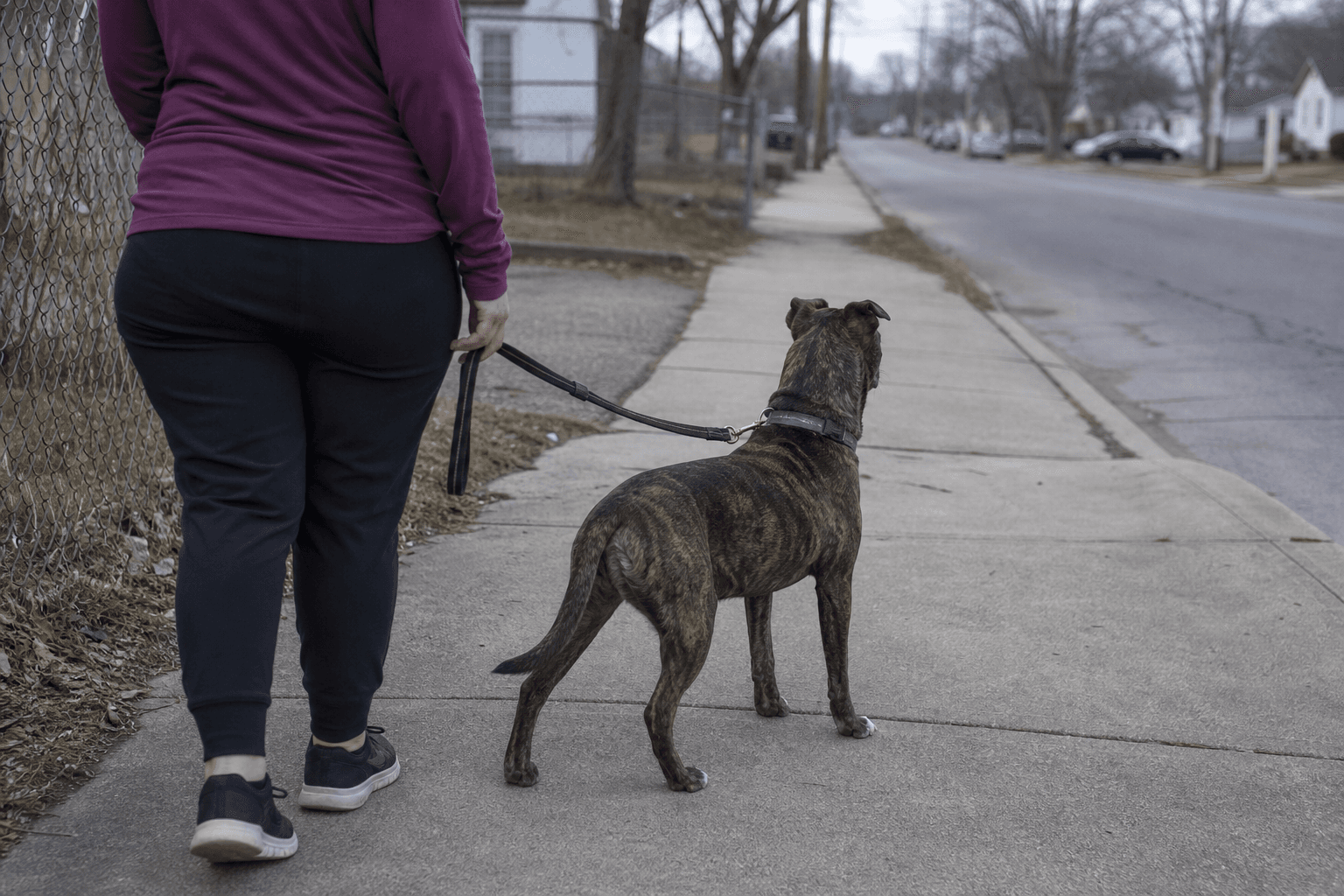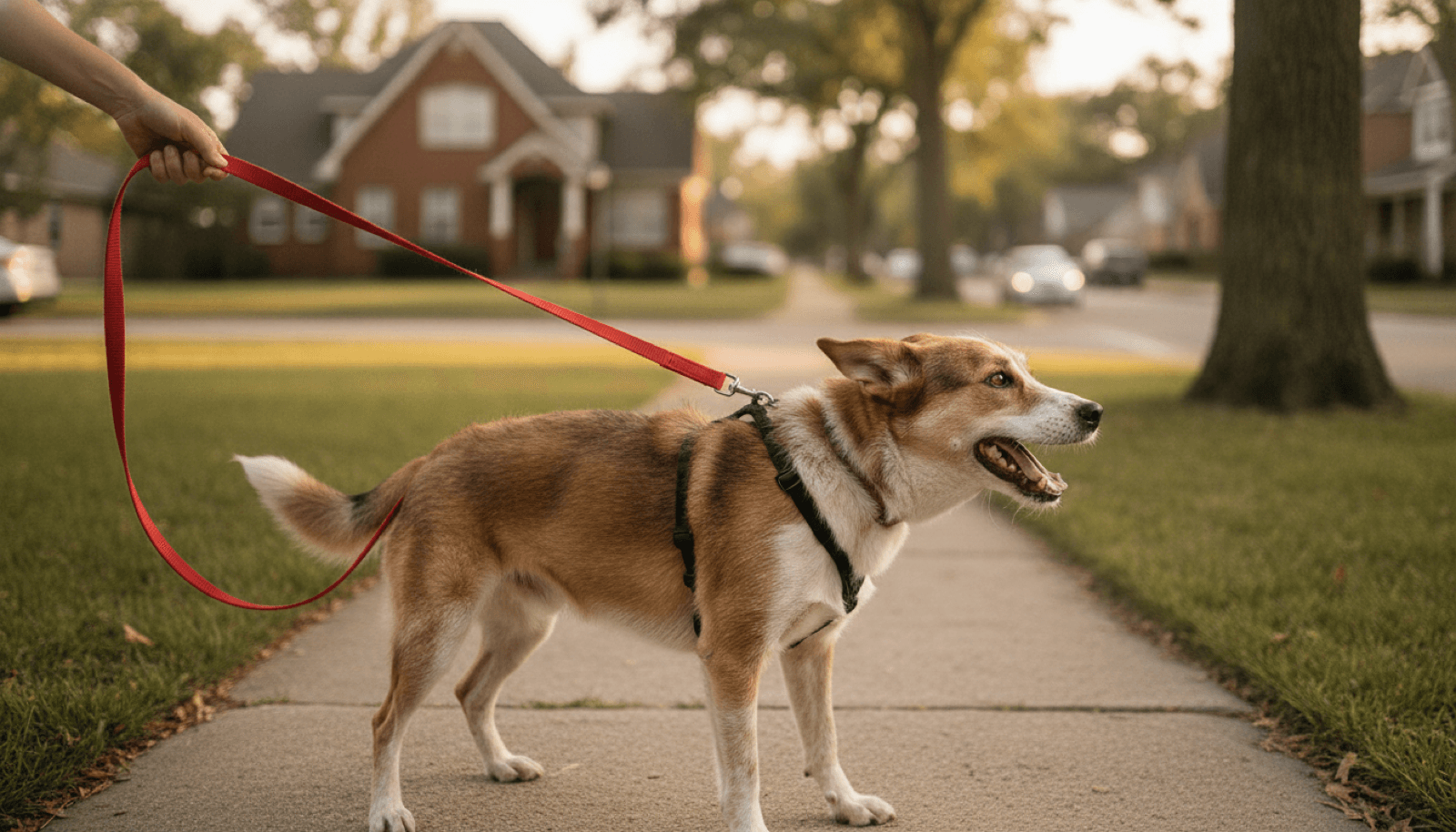

If you've ever stood on a sidewalk while your dog lunged, barked, and hit the end of the leash at the sight of another dog, you've probably wondered a scary question: Is my dog aggressive? A sweeping new look at how American families ask for help suggests that for most of those dogs, the honest answer is no.
Bark Busters Home Dog Training, one of the largest in-home training networks in the country, published its 2026 U.S. National Dog Behavior Analysis on March 4, 2026, drawing on nearly 50,000 in-home training consultation requests from dog owners across the United States. The headline finding is one every dog parent should sit with: the single most misunderstood behavior in American homes isn't aggression at all. It's reactivity — and the two get confused constantly.
Reactivity and aggression look alike. They are not the same thing.
From the curb, a reactive dog and an aggressive dog can look identical: hackles up, teeth flashing, a bark that makes strangers cross the street. But underneath, they're driven by completely different engines — and that difference changes everything about how you fix it.
"Many dogs labeled as aggressive are actually reactive and struggling with emotional regulation," Carl Peterson, CEO of Bark Busters USA, said in comments to Newsweek about the report. Reactivity, the analysis explains, is an overreaction to a normal trigger — another dog, a skateboard, a doorbell, a stranger in a hat. The dog's emotional response is wildly out of proportion to the actual threat, and the nervous system gets so flooded that impulse control briefly goes offline. There's no plan to hurt anyone. The dog is simply overwhelmed.
Aggression is something else: behavior intended to cause harm or assert control — biting, snapping, guarding territory or resources with real intent. It's far rarer than the leash explosions most owners panic about, and it needs a different, more careful plan.
The tell: does the behavior switch off when the trigger leaves?
Peterson points to one practical clue that separates the two. "One clear sign that a dog is reactive rather than truly aggressive is that the behavior ties to a specific trigger and stops" once that trigger disappears, he explained. The barking lab who turns back into a marshmallow the moment the other dog rounds the corner is showing you reactivity. The dog who stays locked, stiff, and stalking after the trigger is gone is telling you something different.
This is not a "bad breed" problem
One of the most reassuring takeaways from the Bark Busters data is that behavior challenges spanned breeds of every size and reputation. The report links most struggles not to genetics but to communication gaps, inconsistent structure, and environmental stress — the stuff of ordinary household life, not a dog's pedigree.
Independent science backs up the "it's complicated, not breed-destiny" view. A separate benchmarking study of 47,444 dogs, co-led by Virginia Tech and the University of Washington through the Dog Aging Project and published in PLOS One in September 2025, grouped canine behavior into four domains — fear, attention/excitability, aggression, and trainability — and found that size, life stage, and individual history shaped behavior far more than tidy breed stereotypes. Smaller dogs under 20 pounds, for instance, actually scored as more fearful and reactive than the big dogs people instinctively brace for. The chihuahua at the end of a vibrating leash isn't an exception; she's the rule.
Why the label matters so much
Mislabeling a frightened dog as "aggressive" isn't just semantics. It changes how the household treats that dog — and too often, it shortens the dog's life.
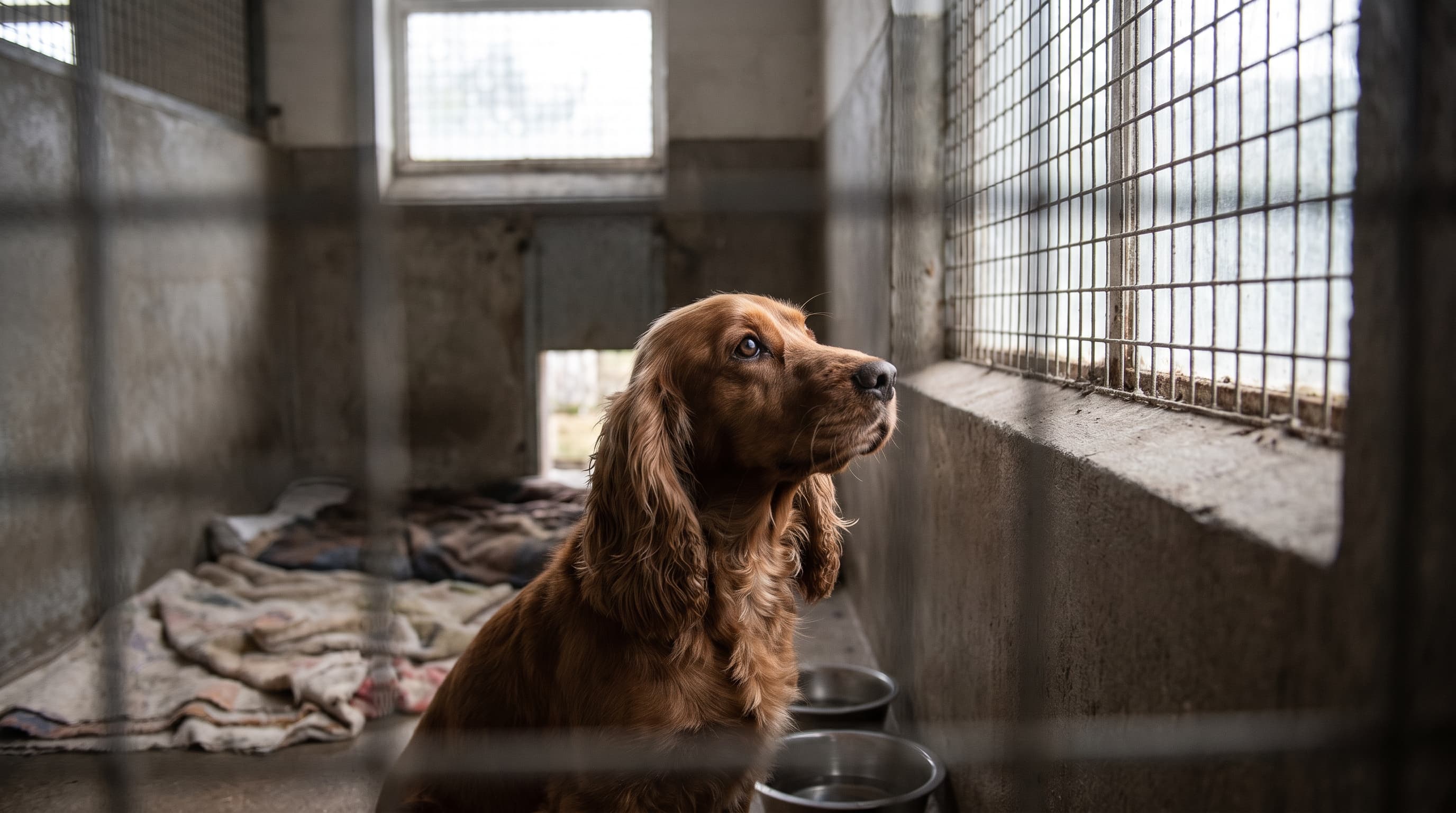
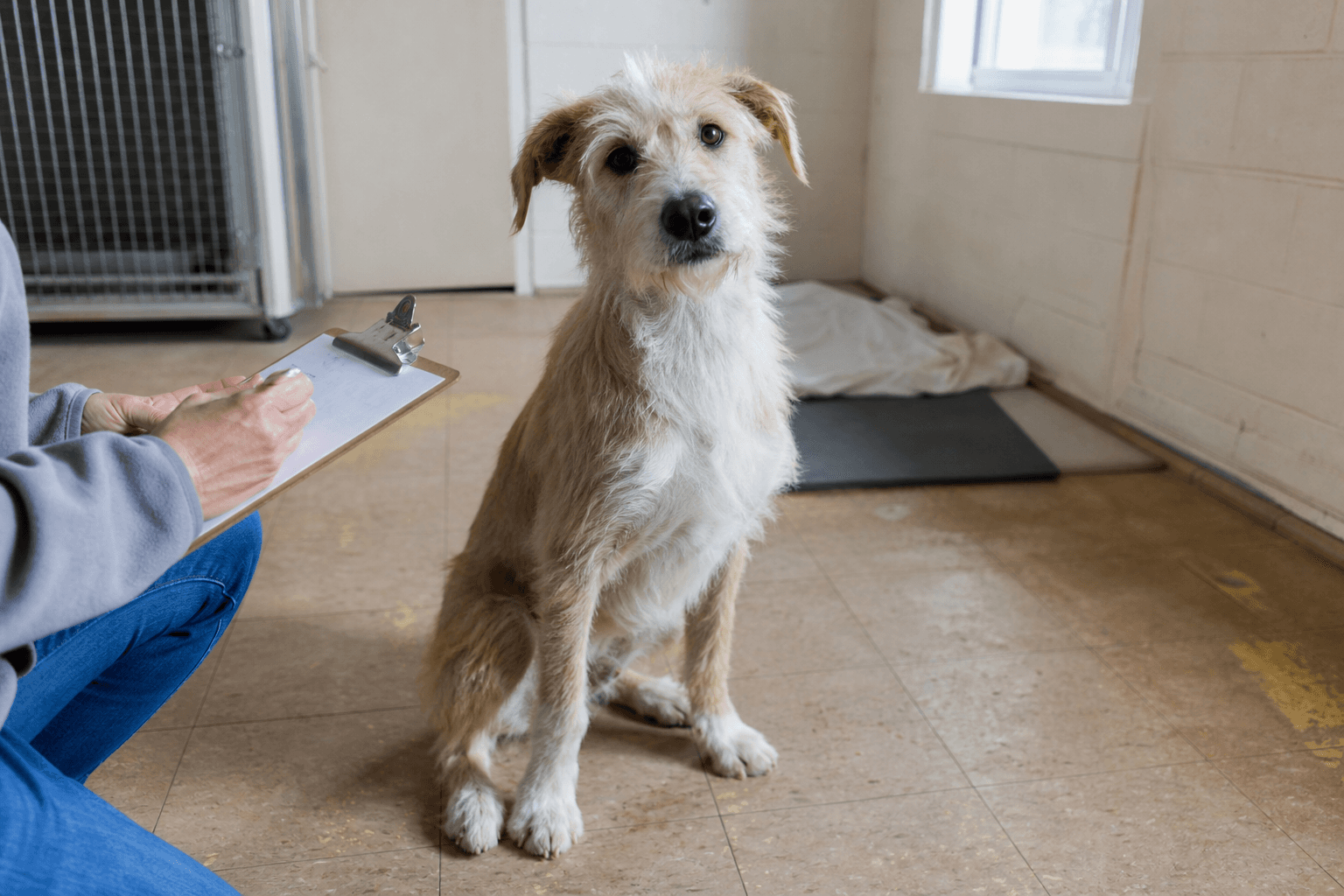
An owner who believes their dog is aggressive may reach for harsh corrections, leash pops, or punishment, which research consistently shows can increase fear and fallout rather than resolve it. Worse, the "aggressive" label is one of the most common reasons dogs land back in shelters. A dog who is actually just scared of skateboards gets written off as dangerous — when what they needed was a plan, not a verdict.
"Dogs thrive on routine, predictability, and consistency," said Michelle Willey, Bark Busters' National Director of Training. "When routines change dramatically, behavior changes follow." That's a notable point in 2026, with training demand climbing as families continue to bring home rescue dogs and pandemic-era puppies who never got a calm, gradual introduction to the world.
What actually helps a reactive dog
The good news: reactivity is one of the most treatable behavior problems there is, because you're changing an emotion, not breaking a habit. The gold-standard approach recommended by veterinary behaviorists is desensitization and counterconditioning — gradually exposing your dog to the trigger at a safe intensity while pairing it with something wonderful, until the trigger predicts good things instead of danger.
Start with distance
Every dog has a threshold — the closest distance to a trigger at which they can still stay calm. The entire game is working under that threshold. As VCA Animal Hospitals explains, you control intensity through distance, volume, and speed, keeping your dog comfortable rather than flooded. If your dog can see another dog across a parking lot without erupting, that's your starting line — not the crowded sidewalk.
Make the trigger mean chicken
The moment your dog notices the trigger (and before they react), feed a stream of high-value treats — real chicken, cheese, hot dog. When the trigger leaves, the food stops. Done consistently, your dog's brain starts to rewrite the equation: other dog appears = good things rain from the sky. Trainers suggest short reps of roughly 30 to 60 seconds, repeated a few times per session, several days a week. Only close the distance once your dog is calmly looking to you for the treat.
Protect your dog from over-threshold moments
Every time your dog blows past threshold and rehearses the full meltdown, you lose ground. Cross the street, turn around, use parked cars as visual barriers, and don't apologize for it. Management isn't failure — it's what keeps the training intact between sessions.
Build confidence outside the trigger, too
A dog with a fuller, more confident life has more emotional runway. Structured, success-filled activities — sniff walks, simple trick training, even the booming world of backyard dog agility — give anxious dogs wins and a sense of predictability that carries over to the scary stuff.
When to call a professional
If your dog has bitten and broken skin, guards food or objects with real intent, or you simply feel out of your depth, that's the moment to loop in a qualified, reward-based trainer or a veterinary behaviorist — not to confirm a scary label, but to build a safe, specific plan. Reactivity that's left to escalate can harden into genuine aggression, so early help is the kindest thing you can do.
The bigger lesson from 50,000 worried owners is a hopeful one. Most of those dogs barking and lunging on the sidewalk aren't bad, broken, or dangerous. They're overwhelmed — and overwhelmed is something you can work with.
At Sidewalk Dog, we're all about helping you and your dog feel confident out in the world together — from quiet patios to dog-friendly trails. If you're working through reactivity, start small, choose calm over crowded, and celebrate the boring walks. Then come find your next low-key, dog-welcome adventure with us at Sidewalk Dog.