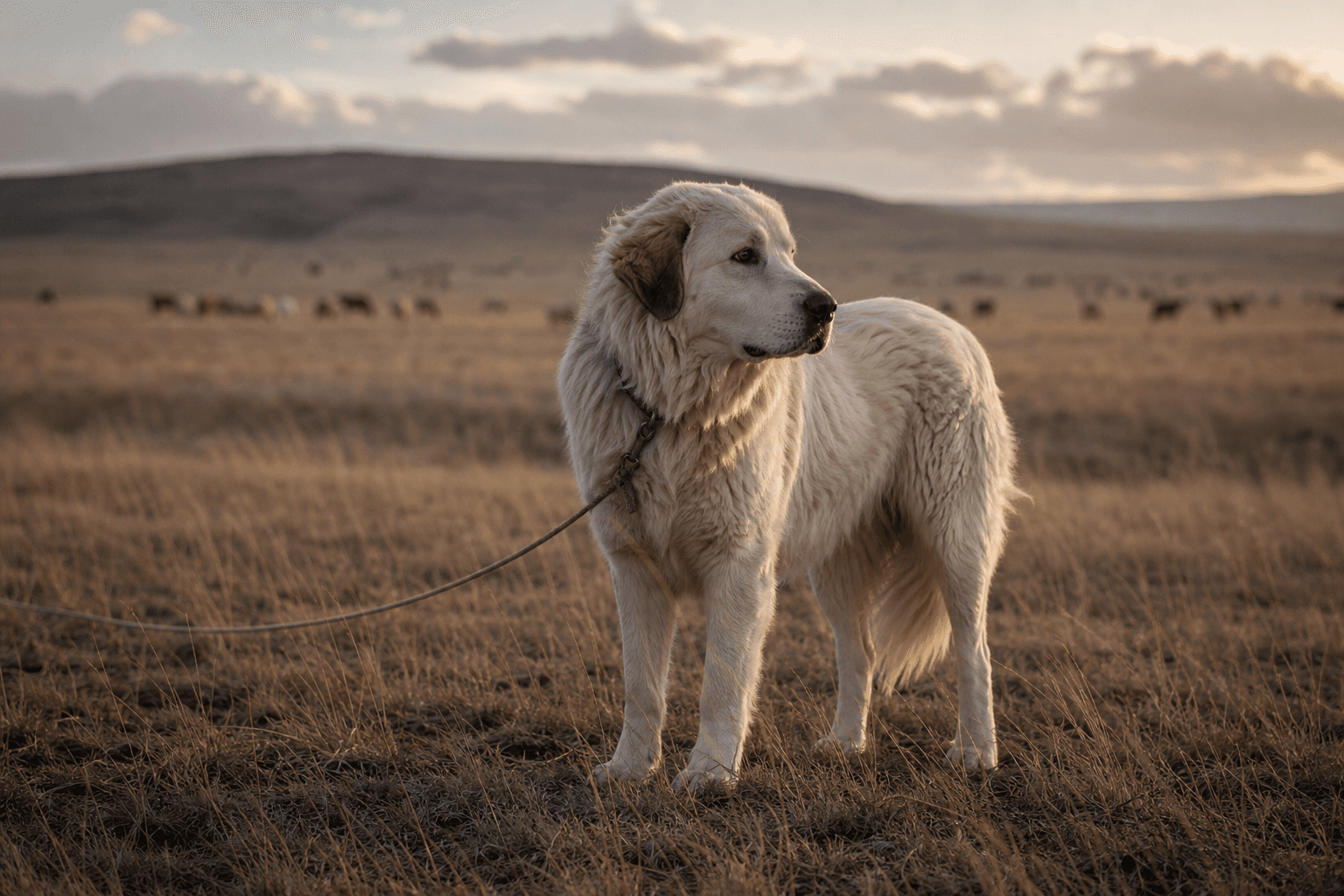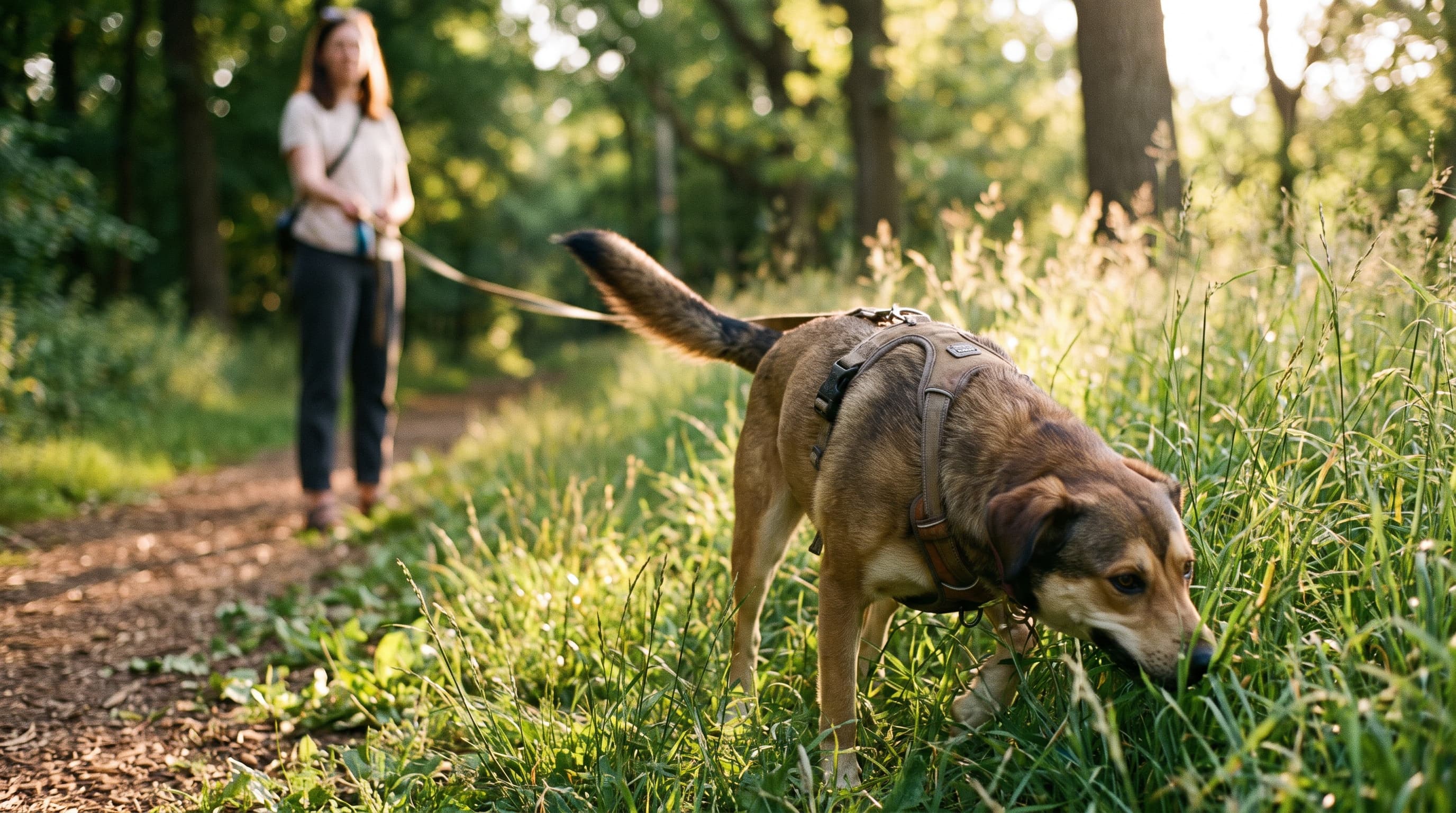

Somewhere on your street this week, a dog owner stood still for four full minutes while their Labrador buried its nose in the same clump of grass. No tugging. No "let's go." Just waiting. If that sounds like a waste of a walk, you may be behind on the single biggest shift in how American dog owners are walking their dogs in 2026 — the sniffari.
Part "sniff," part "safari," a sniffari flips the daily walk on its head. Instead of a brisk march where you set the pace and the dog keeps up, the dog leads, lingers, doubles back, and reads the neighborhood one scent at a time. It's the same idea trainers call a "decompression walk," and it has moved from a niche behaviorist tip to a mainstream routine — one that a growing pile of research says does something a normal walk can't: it changes your dog's mood for the better.
What exactly is a sniffari?
A sniffari is a walk built around your dog's nose instead of your step count. The human's job isn't to cover ground; it's to give the dog the time and slack to investigate whatever the world is telling it. Your dog decides the route, the pace, and how long to camp out on a fence post that, to you, smells like nothing at all.
That "nothing" is actually a dense information stream. Dogs experience the world primarily through smell, and as University of Adelaide researcher Jade Fountain puts it, giving dogs "opportunities to sniff more of the environment and put their nose to use may be the ultimate way to enrich their wellbeing." When a dog has its nose to the ground, it's reading the odor stories left behind by every animal that passed before — who they were, when they came through, how they were feeling. A ten-minute stretch of sidewalk can hold a week's worth of news.
The science: why sniffing changes your dog's mood
The sniffari trend isn't just feel-good marketing. The clearest evidence comes from a study by Charlotte Duranton and Barnard College cognition researcher Alexandra Horowitz, who wanted to know whether letting dogs use their noses actually affects how they feel. Their answer, published as "Let me sniff! Nosework induces positive judgment bias in pet dogs," was yes.
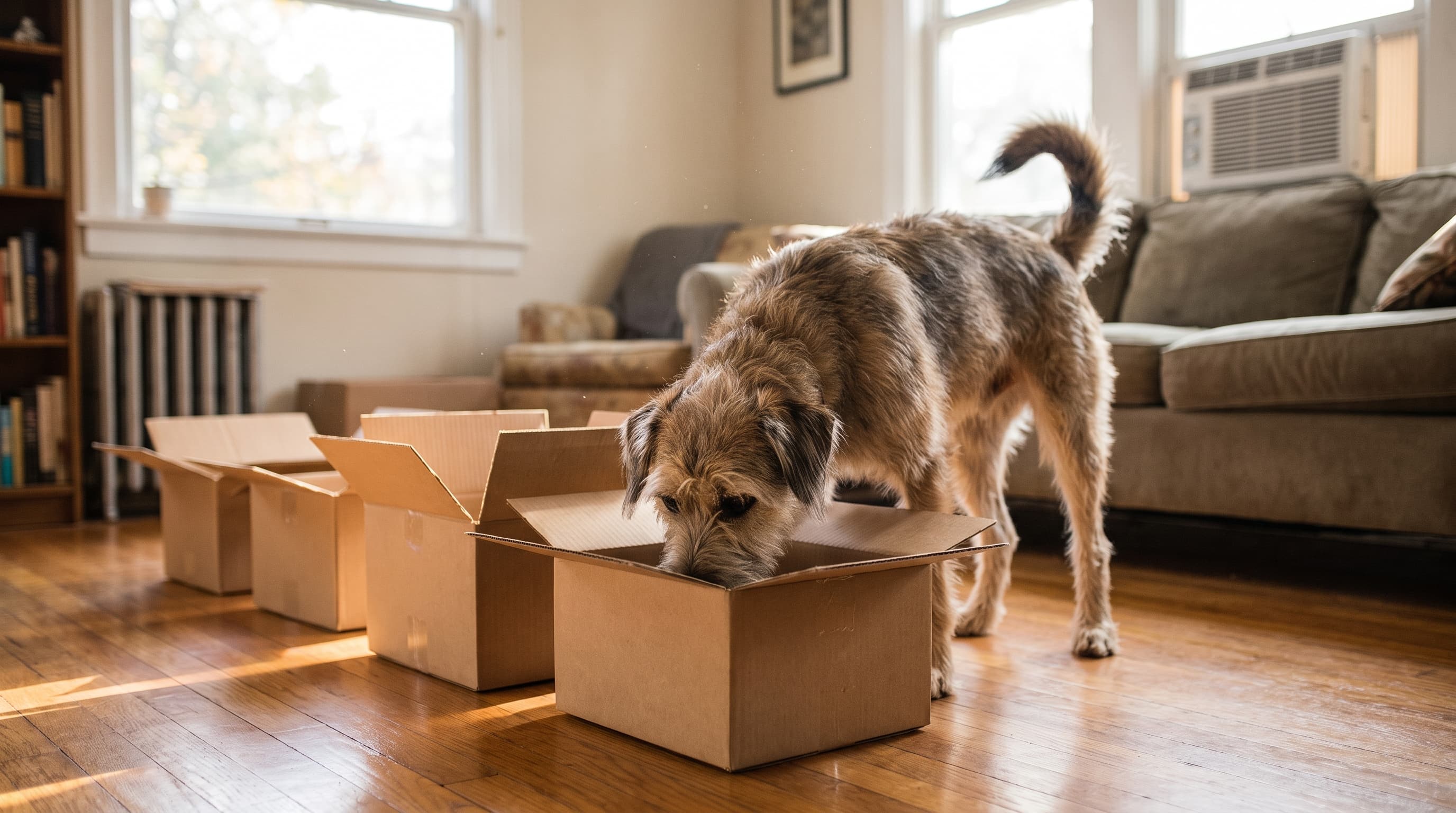
The team worked with 20 dogs of assorted breeds — Australian Shepherds, Huskies, Cocker Spaniels, mixes — and split them into two groups for two weeks. One group did nosework, searching and sniffing for hidden food. The other did heelwork: the same amount of exercise and the same treats, but no freedom to search with the nose. Afterward, every dog took a "cognitive bias" test, the animal-behavior equivalent of asking whether the glass is half full. Dogs that had spent two weeks sniffing approached an ambiguous, could-be-empty food bowl faster — the researchers' marker for optimism. In plain terms, the sniffing dogs had become more hopeful about the world.
That optimism finding is why so many professionals now treat scent as mental health care rather than a party trick. Fountain notes that engaging in scent work has been shown to increase optimism in dogs and build more focus than many traditional dog sports, and that introduced scents can reduce stress and boredom while increasing relaxed behavior. When Fountain's team surveyed professional dog trainers in 2025, sniff-based walks turned out to be the single most common form of scent enrichment they reached for — used more than sensory gardens or scatter feeding.
Twenty minutes of sniffing, an hour of running
Ask almost any trainer why they push sniffaris and you'll hear a version of the same rule of thumb: fifteen to twenty minutes of hard sniffing tires a dog out more thoroughly than an hour of fetch. The mechanism is real even if the exact numbers are shorthand — smelling is cognitively demanding work. As certified behavior consultant Cathy Madson explains, dogs "are using a lot of brainpower to sniff through all the information they find, which makes this activity a great option for mental exercise." A mentally tired dog is a calmer dog at home — which is exactly why owners battling barking, pacing, and general zoomies are trading distance for depth.
Why 2026 is the year of the sniffari
The timing isn't an accident. Pet culture has spent the last two years pivoting hard toward enrichment and emotional wellbeing — owners are increasingly asking not just "did my dog get exercise?" but "did my dog get to be a dog?" As neighborhoods fill with apartment-friendly breeds like the French Bulldog, America's most popular dog, more owners are managing high-drive animals in small spaces where physical exercise alone never quite takes the edge off. A sniffari solves that without a backyard, a hike, or a single piece of new gear.
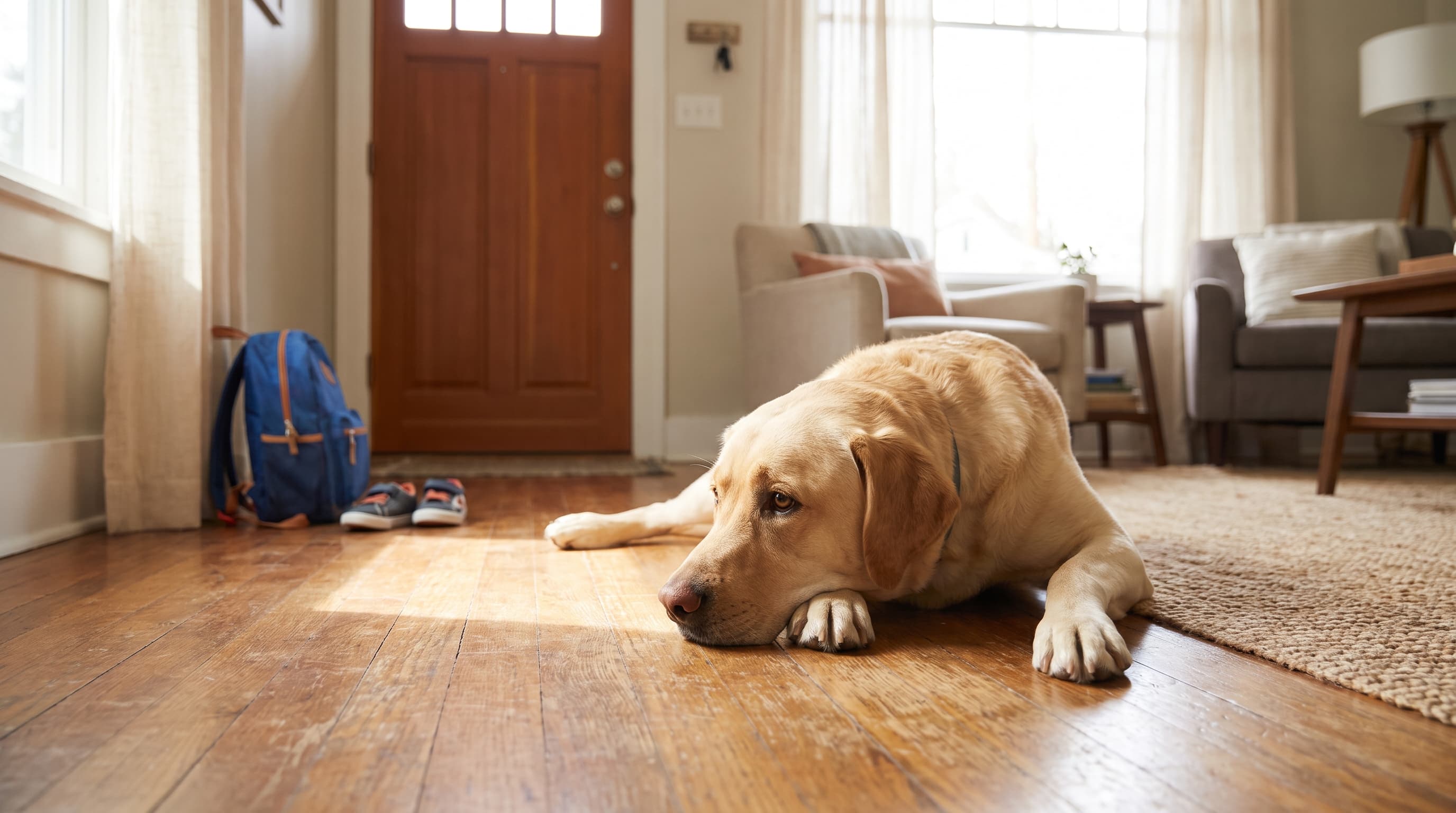
It also lands in the same conversation as summer's toughest walking problems. On an August afternoon, blistering pavement makes a long, fast walk genuinely unsafe — but a short, shady, dog-led sniff session delivers more decompression in less distance and less heat. For dogs rattled by fireworks, thunderstorms, or the household chaos of kids heading back to school, the calming effect of sniffing is a low-effort tool that meets the moment.
How to turn your next walk into a sniffari
The best part of this trend is that it costs nothing and requires almost no skill. Here's how to run one well.
1. Get the leash right
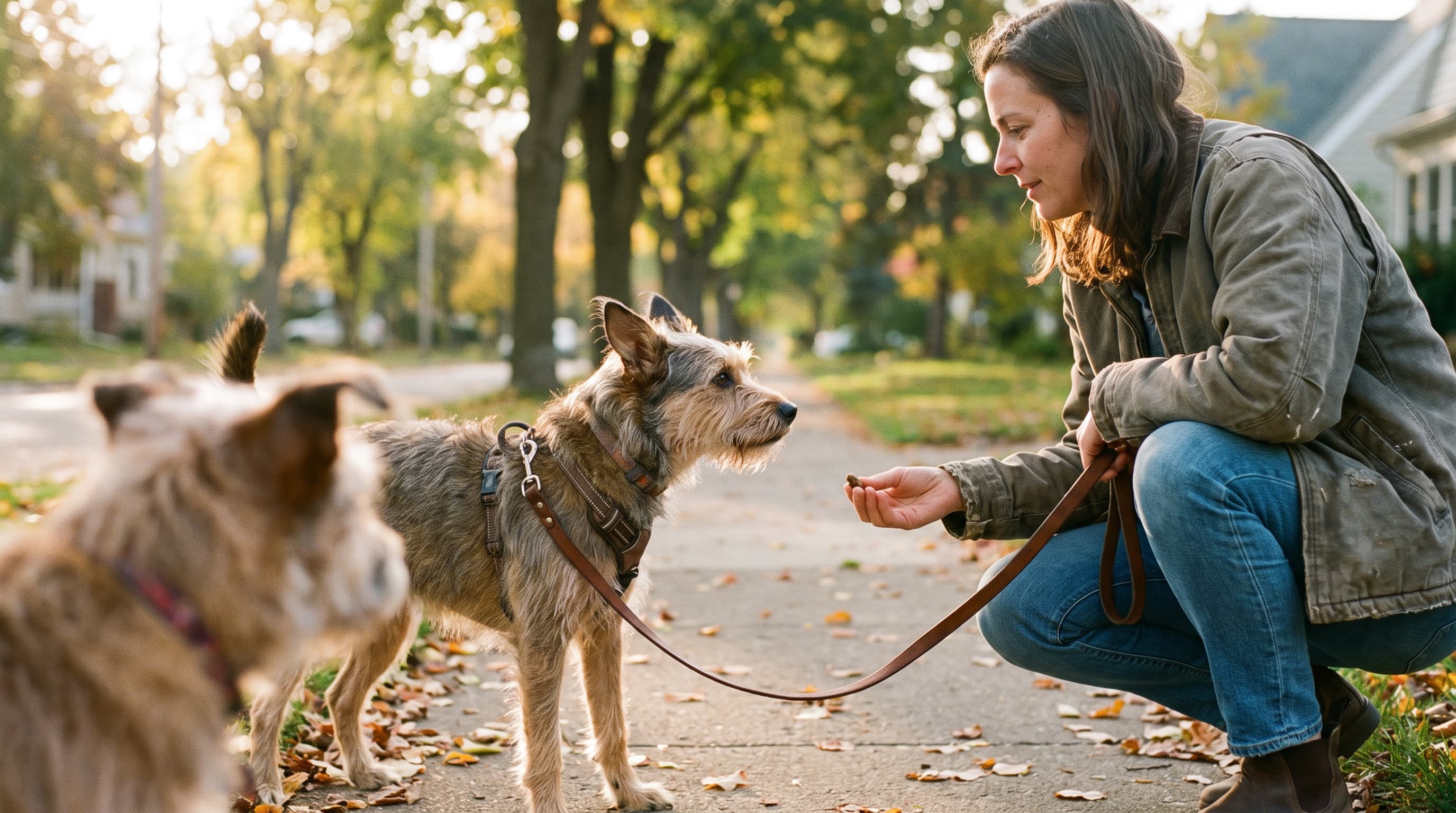
Give your dog room. Trainers recommend a long line — anywhere from 10 to 30 feet — clipped to a well-fitted body harness, never a collar, since a dog hitting the end of a long line on its neck can be injured. Skip the retractable leash, which teaches constant tension and can fail at the worst moment. A simple biothane or cotton long line is the whole equipment list.
2. Let the dog drive
This is the hard part for humans. On a sniffari, your dog picks the direction and sets the clock. If they want to spend five minutes on one hydrant, you let them. Your only jobs are to keep them safe and to resist the urge to hurry things along. A soft cue like "go sniff" tells your dog the nose is officially open for business.
3. Choose scent-rich ground
Aim for variety over pavement: a park edge, a tree line, a quiet trail, tall grass, a patch of woods. The richer the scent landscape, the more your dog gets out of the outing. If you can step off concrete, do it.
4. Make it a habit, not an event
You don't have to replace every walk. Most trainers suggest weaving a true sniffari in a few times a week — three to five sessions of 20 to 45 minutes is plenty. On other days, simply building in more "yes, you can sniff that" moments still counts.
A few cautions
Watch what your dog puts its nose near — roadside trash, unknown wildlife scat, rodent bait, and other dogs' waste can carry parasites or toxins. Keep sniffaris to cooler parts of the day in summer, bring water, and steer clear of areas treated with lawn chemicals. And if your dog is reactive to other dogs or people, pick low-traffic times and spots so the walk stays relaxing rather than stressful.
The bigger picture
What makes the sniffari more than a passing hashtag is that it reframes the daily walk from a chore we owe our dogs into a genuine act of care. The research is still young and some of the punchier claims outrun the data — but the direction is consistent: dogs given the freedom to sniff are calmer, more focused, and measurably more optimistic. That's a remarkable return on the price of slowing down.
So the next time your dog freezes mid-stride, nose locked on some invisible headline in the grass, try doing nothing at all. You're not falling behind on the walk. As far as your dog is concerned, the walk just got good.
Want more science-backed ways to keep your dog happy, calm, and out of trouble? Sidewalk Dog breaks down the trends, the training, and the everyday wins — from the basics to the behavior problems that keep you up at night. Fetch the good stuff and leave the fluff to us.