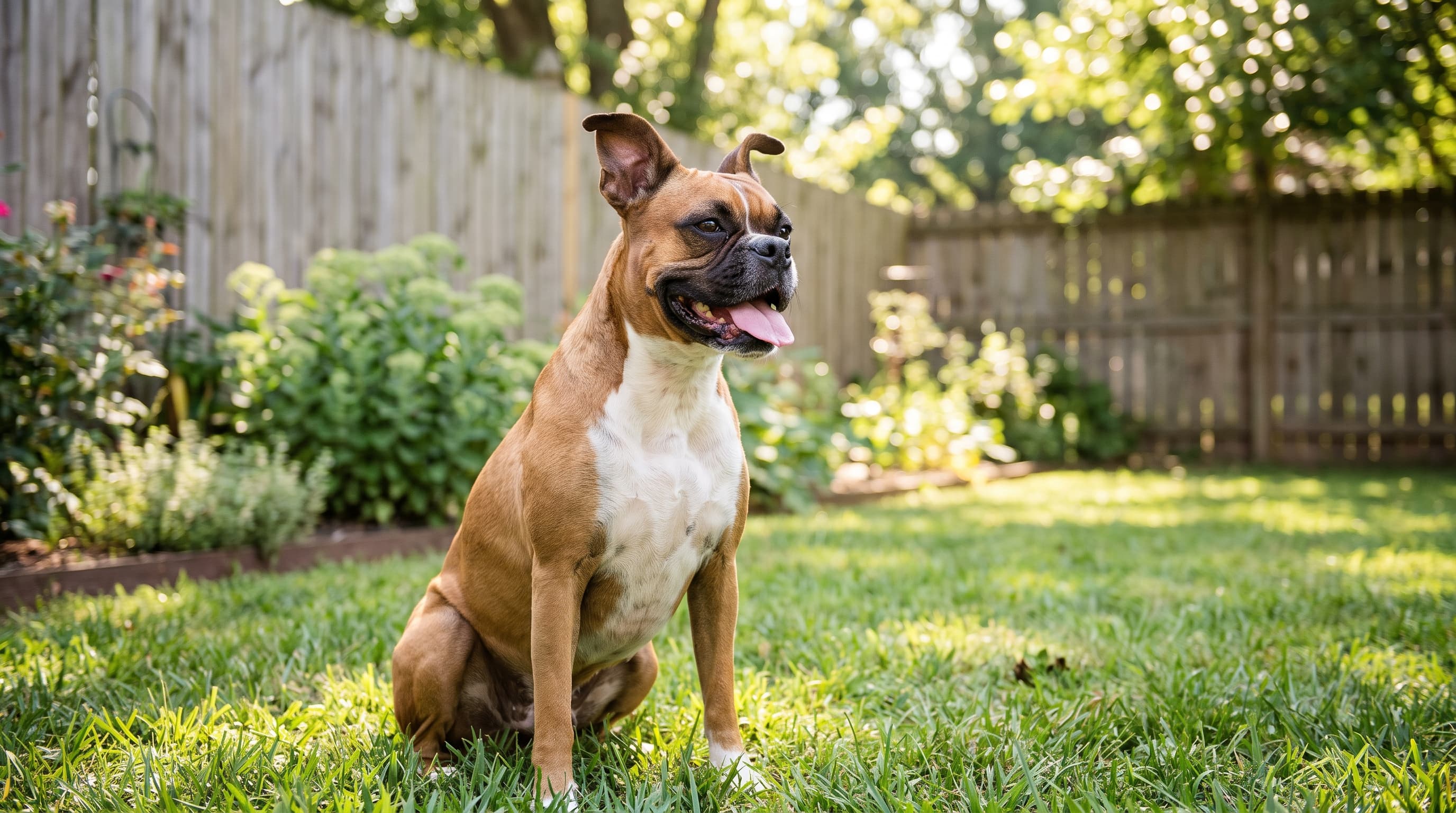

The Miniature Boxer is a hybrid dog — most often a Boxer crossed with a Boston Terrier or French Bulldog — bred to capture the boxer's playful, affectionate personality in a more compact, apartment-friendly package. Expect an energetic, people-loving companion of roughly 25–55 pounds and 15–22 inches tall, with a short low-maintenance coat and a 10–14 year lifespan.
What Is a Miniature Boxer?
Despite the name, the Miniature Boxer is not a smaller version of the purebred Boxer, and it isn't recognized as a breed by the American Kennel Club or other major registries. It's a designer crossbreed, created by pairing a Boxer with a smaller breed — usually a Boston Terrier, and sometimes a French Bulldog. The goal is a dog that looks and acts like a Boxer but fits more comfortably into smaller homes and lower-key lifestyles.
Because it's a hybrid, individual Miniature Boxers vary. A first-generation Boxer × Boston Terrier puppy can favor either parent in size, muzzle length, coat pattern, and energy. That variability is part of the charm, but it also means prospective owners should meet the parents and ask the breeder about temperament and health testing rather than assuming a fixed "standard."
History and Origins of the Miniature Boxer
The Miniature Boxer is a relatively modern creation, emerging alongside the broader designer-dog boom of the past few decades. As demand grew for Boxer-style companions that could thrive in apartments and smaller homes, breeders began crossing Boxers with smaller, structurally similar breeds — most often the Boston Terrier, a compact, tuxedo-coated American breed with a comparable build and friendly disposition.
Unlike purebreds with centuries of documented lineage, the Miniature Boxer has no formal breed standard or governing club, and breeding practices vary widely. Some breeders aim for consistent first-generation (F1) Boxer × Boston Terrier pairings, while others introduce French Bulldog lines. This lack of standardization is why doing your homework on a specific breeder — their goals, their health testing, and the temperament of their dogs — matters more than it would with an established breed.
Miniature Boxer Size and Appearance
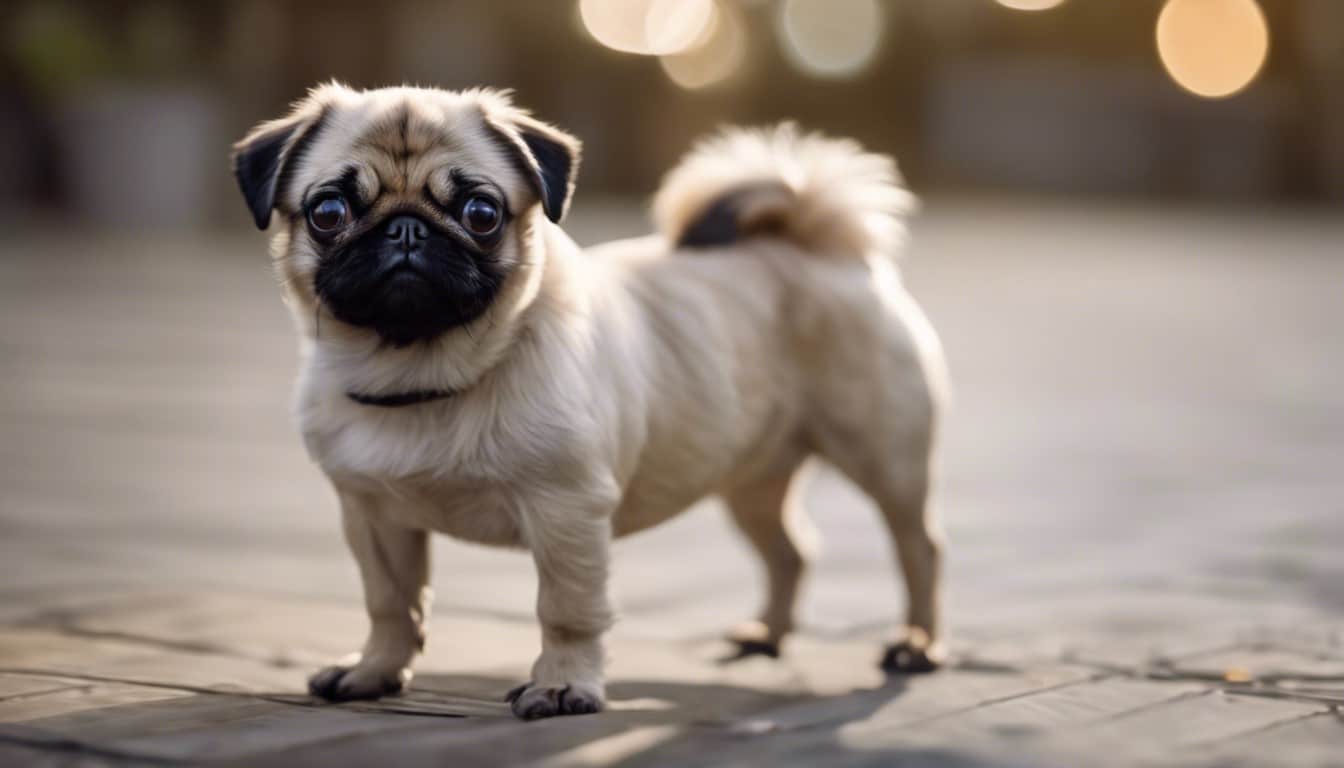
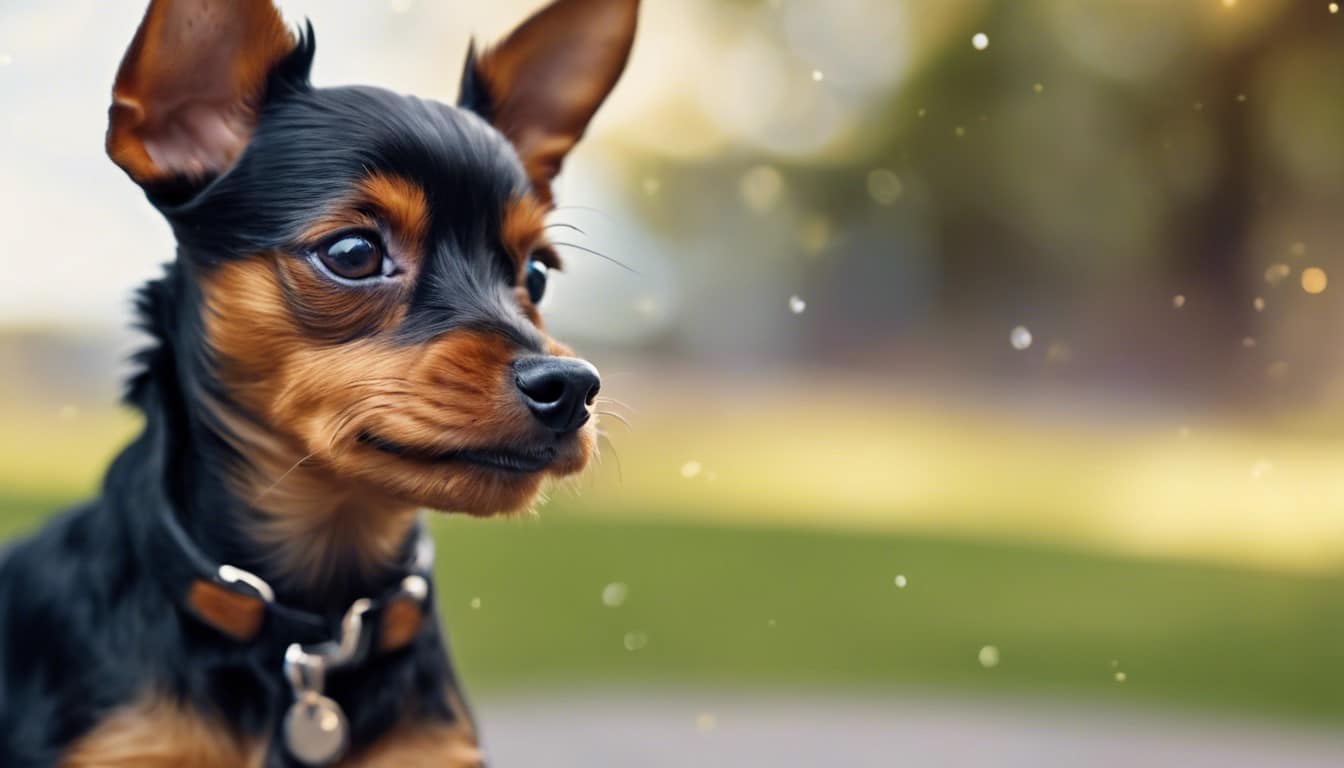
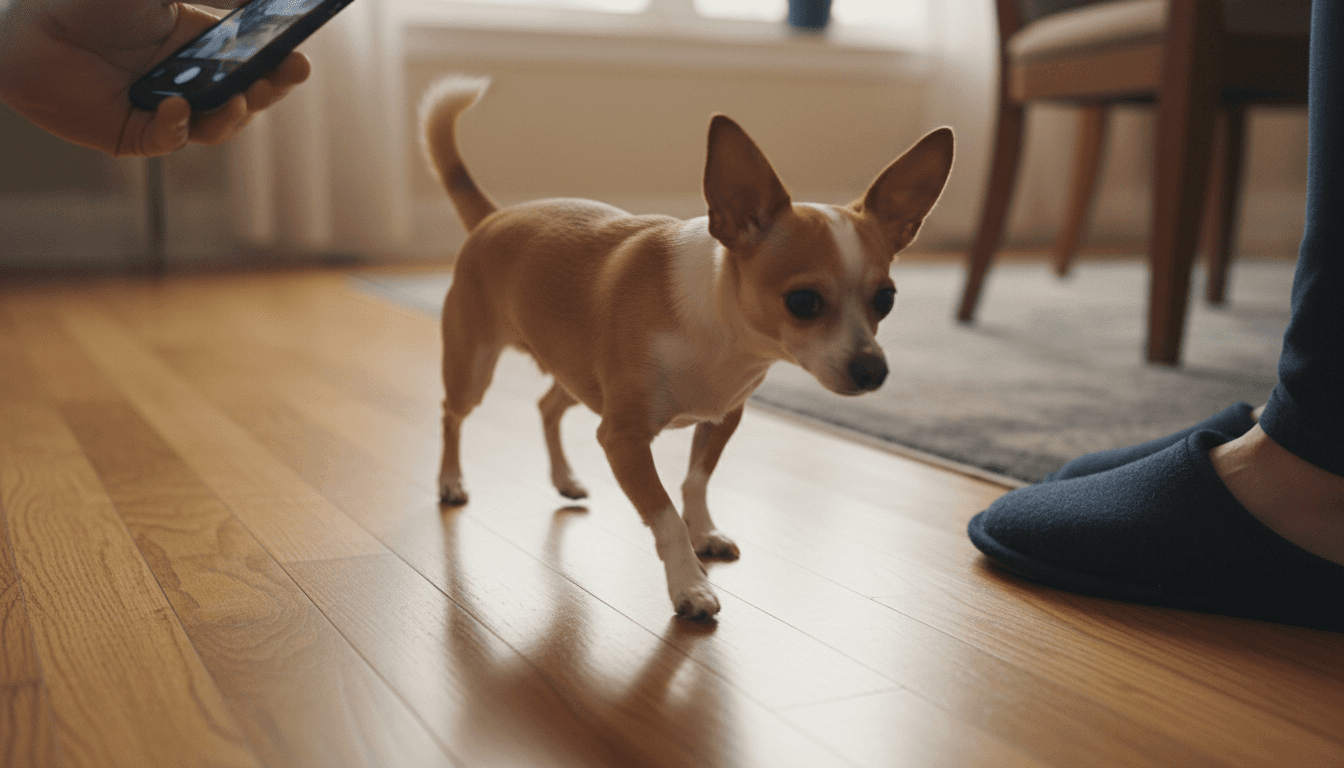
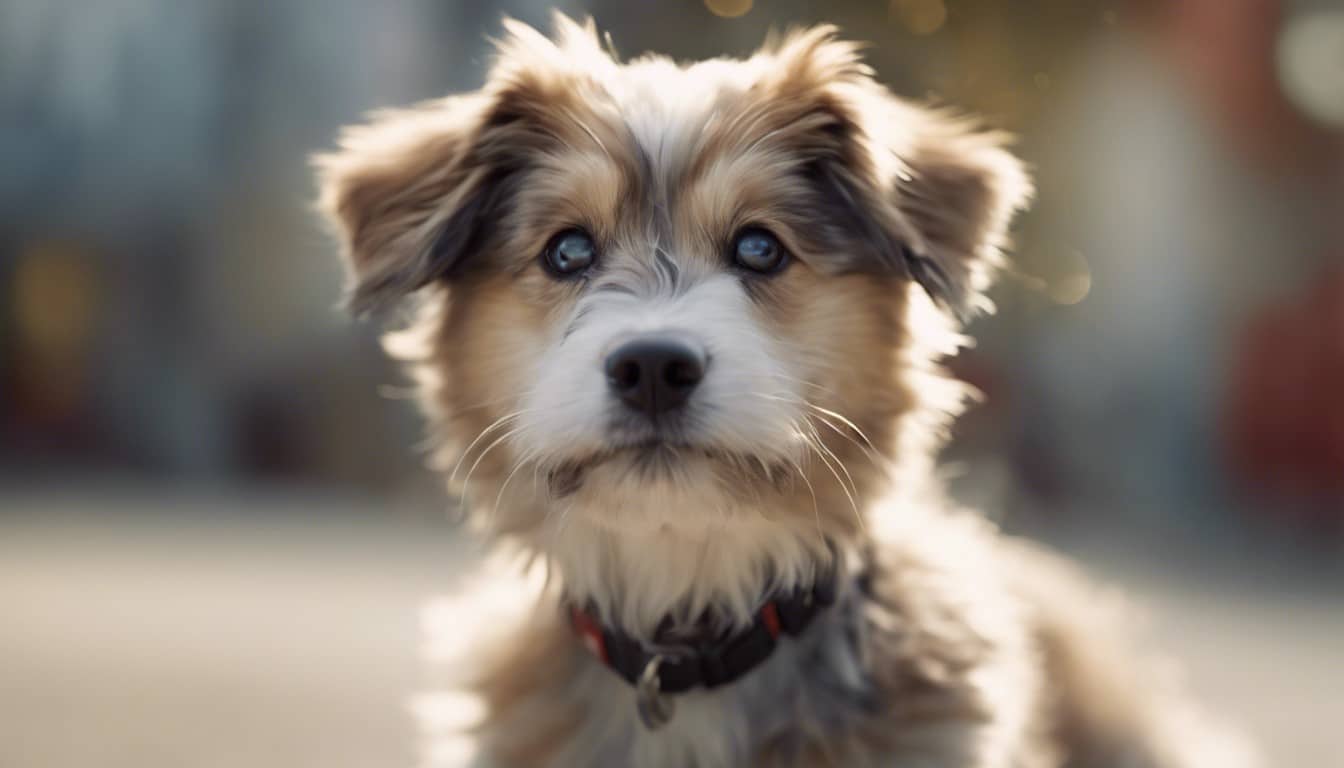
Miniature Boxers are compact, athletic dogs that typically stand 15 to 22 inches at the shoulder and weigh anywhere from about 25 to 55 pounds, depending on which parent breeds are used and which genes dominate. They generally have the Boxer's square, muscular build in miniature, an expressive face, and a short, smooth, easy-care coat.
Common colors include fawn, brindle, black, and combinations with white markings, echoing both Boxer and Boston Terrier coat patterns. Many have the slightly shortened muzzle of their parents, which contributes to their appeal — but, as we'll cover under health, a flatter face also carries real considerations for breathing and heat tolerance.
Temperament: What Miniature Boxers Are Like to Live With
Miniature Boxers are best known for being friendly, affectionate, and outgoing. They tend to be playful, loyal, and deeply people-oriented, forming strong bonds with their families and often getting along well with children and other pets when socialized early. Many owners describe them as "clowns" who stay puppy-like well into adulthood.
That social nature has a flip side: Miniature Boxers generally don't like being left alone for long stretches and can develop separation anxiety or boredom behaviors without enough company and stimulation. They thrive in homes where someone is around much of the day, or where they get plenty of enrichment, exercise, and training to keep their busy minds occupied.
Exercise and Training Needs
Don't let the "miniature" label fool you — these are energetic dogs with real exercise needs, thanks to their Boxer heritage. Plan on at least 45 to 60 minutes of activity a day, split between brisk walks, play sessions, and mentally engaging games. A bored Miniature Boxer will find its own entertainment, often in the form of chewing or digging.
On the training front, Miniature Boxers are intelligent and eager to please, which makes them reasonably trainable — but they can also inherit a stubborn or excitable streak. Positive, reward-based training that starts early works best. Consistent socialization, basic obedience, and impulse-control games will bring out the breed's best behavior. Because they aim to please and love treats, short, upbeat sessions tend to click quickly. Crate training and a predictable routine also help curb the separation-related behaviors this companion-oriented dog is prone to. Puzzle feeders, scent games, and rotating toys go a long way toward keeping a sharp, energetic Miniature Boxer content on days when a long walk isn't possible.
Miniature Boxer Health and Lifespan
Miniature Boxers generally live about 10 to 14 years. As a hybrid, they can be affected by health issues from either parent line, and responsible breeders screen for the most important ones. Key considerations include:
- Brachycephalic (short-muzzle) concerns: If a Miniature Boxer inherits a flatter face from a Boston Terrier or French Bulldog parent, it may be prone to brachycephalic airway syndrome, which affects breathing and makes heat and exercise intolerance more likely.
- Heat sensitivity: Flatter-faced dogs overheat more easily, so hot-weather exercise should be limited and closely monitored — a concern we cover in depth for their French Bulldog cousins and heat stroke.
- Hip and joint issues: Boxers can pass on hip dysplasia, so ask about orthopedic screening in the parents.
- Heart conditions: Boxers are associated with certain heart problems, including a form of cardiomyopathy, making cardiac health worth discussing with a vet.
- Eye and skin issues: Both parent breeds can have eye conditions and skin-fold sensitivities that benefit from routine care.
This is general information, not veterinary advice. Choose a breeder who health-tests their dogs, keep up with regular checkups, and talk to your veterinarian about a screening and prevention plan tailored to your individual dog.
Grooming and Nutrition
Grooming a Miniature Boxer is refreshingly simple. The short, smooth coat needs only weekly brushing to manage moderate shedding, plus routine nail trims, ear checks, and dental care. If your dog has facial folds, wipe them gently to prevent irritation. Baths are needed only occasionally.
On nutrition, feed a high-quality, complete dog food appropriate for your dog's size, age, and activity level, and measure portions to prevent weight gain — extra pounds are especially hard on a compact, potentially short-muzzled dog. Treats should stay within about 10% of daily calories. Your vet can help you dial in the right food and feeding amount as your Miniature Boxer grows and ages.
Is a Miniature Boxer Right for You?
A Miniature Boxer can be a wonderful fit if you want a playful, affectionate, medium-energy companion that's smaller than a full Boxer but just as devoted. They suit active individuals and families who can offer daily exercise, plenty of companionship, and early training. They're less ideal for households that are away from home for long hours or that can't accommodate a dog's need for cool-weather care if the pup inherits a flat face. As with any designer crossbreed, buy from a health-focused, transparent breeder — or consider adoption, since Boxer and bulldog-type mixes frequently appear in rescues.
Frequently Asked Questions
What breeds make a Miniature Boxer?
A Miniature Boxer is most commonly a cross between a Boxer and a Boston Terrier, and sometimes a Boxer and a French Bulldog. It's a designer hybrid, not a purebred or an official "mini" version of the Boxer.
How big does a Miniature Boxer get?
Most Miniature Boxers stand about 15 to 22 inches tall and weigh roughly 25 to 55 pounds, though size varies with the specific parent breeds and which genes a puppy inherits.
How long do Miniature Boxers live?
With good care, Miniature Boxers typically live about 10 to 14 years. Regular veterinary care, a healthy weight, and screening for parent-breed conditions support a long, comfortable life.
Are Miniature Boxers good family dogs?
Yes. They're generally affectionate, playful, and loyal, and they often do well with children and other pets when socialized early. They do best in homes where they aren't left alone for long periods.
Do Miniature Boxers shed a lot?
They're moderate shedders with short, easy-care coats. Weekly brushing usually keeps loose hair under control, making grooming one of the easier parts of ownership.
Are Miniature Boxers hypoallergenic?
No. No dog is truly hypoallergenic, and Miniature Boxers shed moderately, so they're not a good match for people with significant dog allergies.
The Bottom Line
The Miniature Boxer packs a full-size personality — playful, loving, and endlessly loyal — into a more manageable frame. It's a great choice for owners who want Boxer charm without Boxer bulk, provided you can meet its exercise, companionship, and (for flatter-faced pups) heat-care needs. Prioritize a responsible, health-testing breeder, keep up with veterinary care, and you'll have a devoted companion for a decade or more.
Curious about other Boxer-based companions? Explore our guides to the Bullboxer and the Boxerdoodle to compare mixes — then subscribe to the Daily Wag newsletter for breed profiles, training tips, and health guidance delivered to your inbox.