
Pet emergencies can flip a normal day upside down in seconds. One minute, your dog is fine, the next, they're gagging, limping, or acting like something is really wrong. And in those moments, fast action matters. Not because you're expected to fix everything, but because what you do in the first few minutes can keep a bad situation from getting worse.
The goal is simple: stabilize first, then get professional care. Stabilizing means keeping your dog breathing, slowing bleeding, cooling them down safely, and preventing more injury. Then you get them to a veterinarian who can figure out what's actually going on and treat it appropriately.
One more thing comes first, your safety. If traffic is nearby, there's broken glass, or another animal is involved, take a breath and make the area safer before you rush in. It's easier to help your dog when you're not putting yourself in danger, too.
First Things First, Assess the Situation
Start by looking around. Is there an immediate danger, such as cars, an aggressive dog, sharp debris, spilled chemicals, or something electrical? If you can move your dog away from danger without pulling on an injured limb or twisting their body, do that.
Next, restrain your dog so that both of you stay safe. Even the gentlest dog can snap when they're scared or hurting. Use a leash if you have one. If you need to prevent a bite and your dog is not vomiting and not struggling to breathe, you can make a quick muzzle with gauze or a soft cloth strip. For smaller dogs, wrapping them in a towel can help control movement and protect your hands.
Then do a quick ABC check: airway, breathing, circulation. Look for apparent blockage only if it's safe. Watch for chest movement. Listen for airflow. If you can, check gum color; pale or gray gums can be a sign of shock. If your dog collapses, struggles to breathe, bleeds heavily, or you suspect poisoning, bloat, heatstroke, or major trauma, call an emergency clinic right away.
Build a Simple Dog First Aid Kit
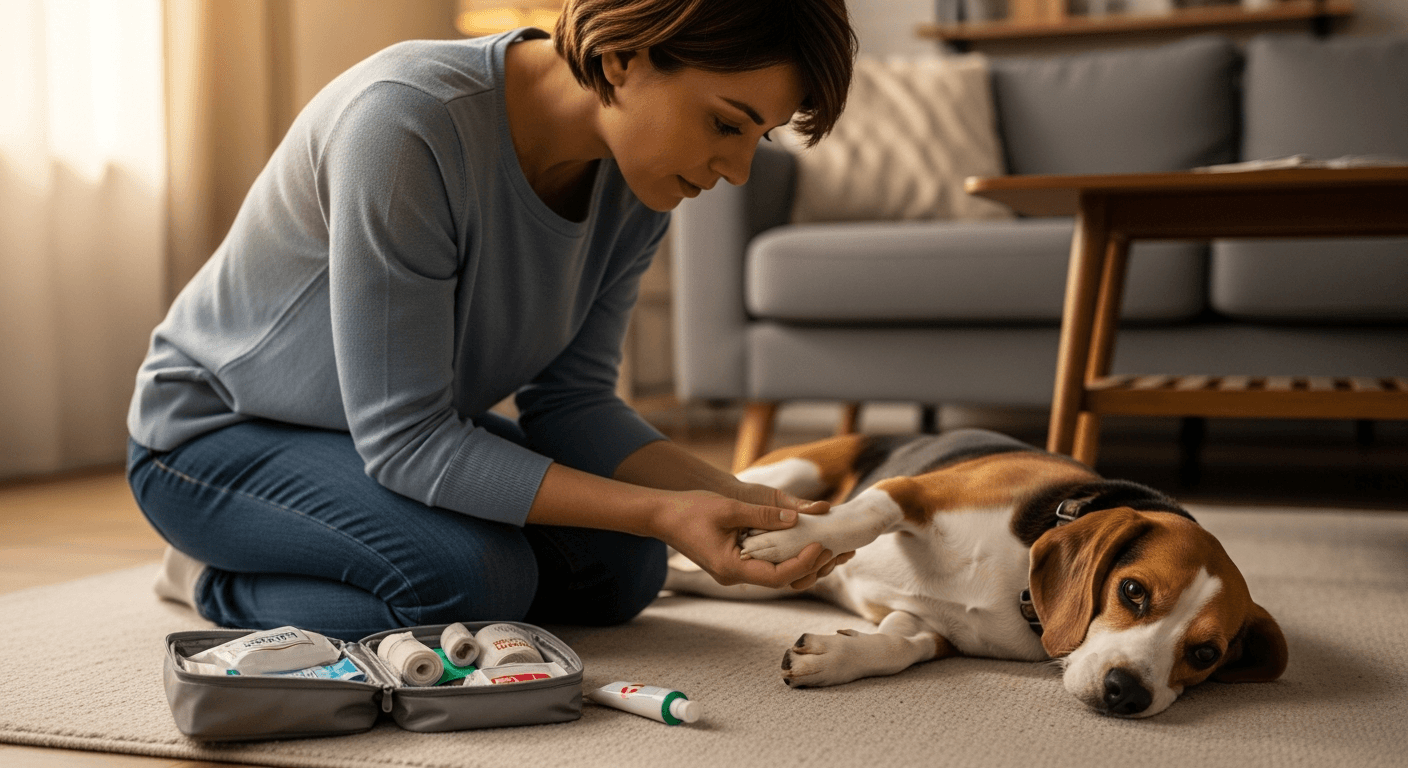
A first aid kit doesn't need to be fancy. It just needs to be ready. Keep one in a known spot at home, and consider a smaller version in your car.
Core items include gauze pads, non-stick wound dressings, vet wrap, medical tape, blunt tip scissors, tweezers, disposable gloves, sterile saline for flushing, a digital thermometer, and a pet-safe antiseptic your veterinarian recommends. Add a couple of clean towels too; they're helpful for restraint, padding, and warmth.
Optional items can be particularly helpful in certain moments. A soft muzzle can prevent bites during painful care. Styptic powder can help if a nail breaks and bleeds. An instant cold pack is handy for swelling on the way to the clinic.
Keep key contacts in the kit: your regular veterinarian, the closest emergency hospital, and a pet poison hotline. When things are stressful, not having to search for phone numbers is a bigger deal than it sounds.
Choking
Choking can look like gagging, pawing at the mouth, drooling, coughing, panic, or a sudden struggle to inhale. If your dog is coughing and moving air, don't panic. Coughing can sometimes clear the object on its own.
If you can safely check the mouth and you see something clearly, you can try to remove it. Avoid a blind sweep with your fingers; it can push the object deeper. If your dog can't breathe, you may need the Heimlich maneuver. For a large dog standing, wrap your arms around the belly just behind the ribs and push up and forward in firm thrusts. For a small dog, you can hold them with their back against your chest and use a similar hand motion. Once the airway clears, still get to the vet.
Severe Bleeding or Wounds
If blood is pooling, soaking through cloth fast, or spurting, apply direct pressure immediately. Use gauze or a clean cloth and press firmly for several minutes without lifting it every few seconds to check. If blood soaks through, add another layer on top and keep pressure steady.
Once bleeding slows, bandage the area with gauze and vet wrap. Wrap snugly but not tight enough to cut off circulation. If it's a leg injury, check toes for swelling or coldness.
Puncture wounds, especially bites, can look small but be deep. Don't try to close them at home. Cover lightly, prevent licking, and get veterinary care quickly.
Suspected Poisoning
Poisoning is one of those situations where calling for guidance right away really matters. Common household risks include chocolate, xylitol in some sugar-free foods, human medications, certain plants, rodent bait, insect products, and cleaning chemicals.
If you suspect your dog ate something toxic, gather details. What was it, how much, and when did it happen? Take photos of labels or bring packaging if you can. And don't induce vomiting unless a veterinarian or poison professional tells you to. Some substances cause more damage when coming back up.
Heatstroke
Heatstroke can escalate fast, especially in hot weather or after intense play. Signs include heavy panting that doesn't slow down, drooling, bright red gums, vomiting, weakness, confusion, or collapse.
Move your dog into shade or air conditioning. Wet them with cool water, especially the belly, paws, and inner thighs. Skip the ice bath; extreme cold can actually slow the cooling process. Offer small sips of water if your dog is alert and able to swallow. Then head to the vet, and keep cooling gently during transport.
When You Need Help Quickly, Calling the Right Professional
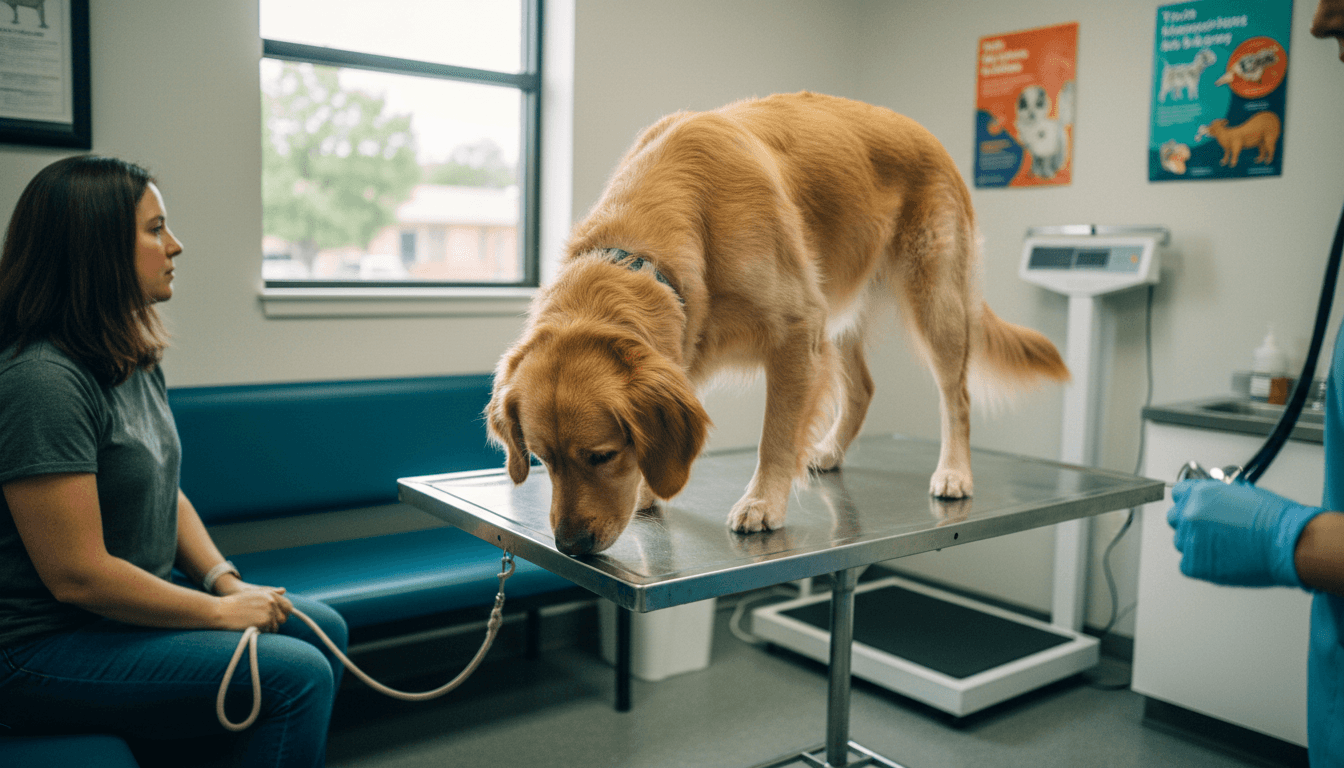
When you call a clinic, share the essentials. Your dog's age, weight, medical conditions, medications, allergies, what happened, when it started, and what you've done so far. If asked, photos and short videos can help the team triage faster, especially for breathing effort, vomiting, gait changes, or seizures.
In situations where transport is difficult or time is critical, owners may consider urgent in-home care options, such as a mobile vet in Mesa, AZ, to triage, stabilize, and advise whether immediate hospital transfer is needed.
Prevention: Reducing the Risk of Emergencies
Prevention is about small habits. Store human medications securely. Keep trash covered. Put toxic foods out of reach. Manage cords and small chewable objects.
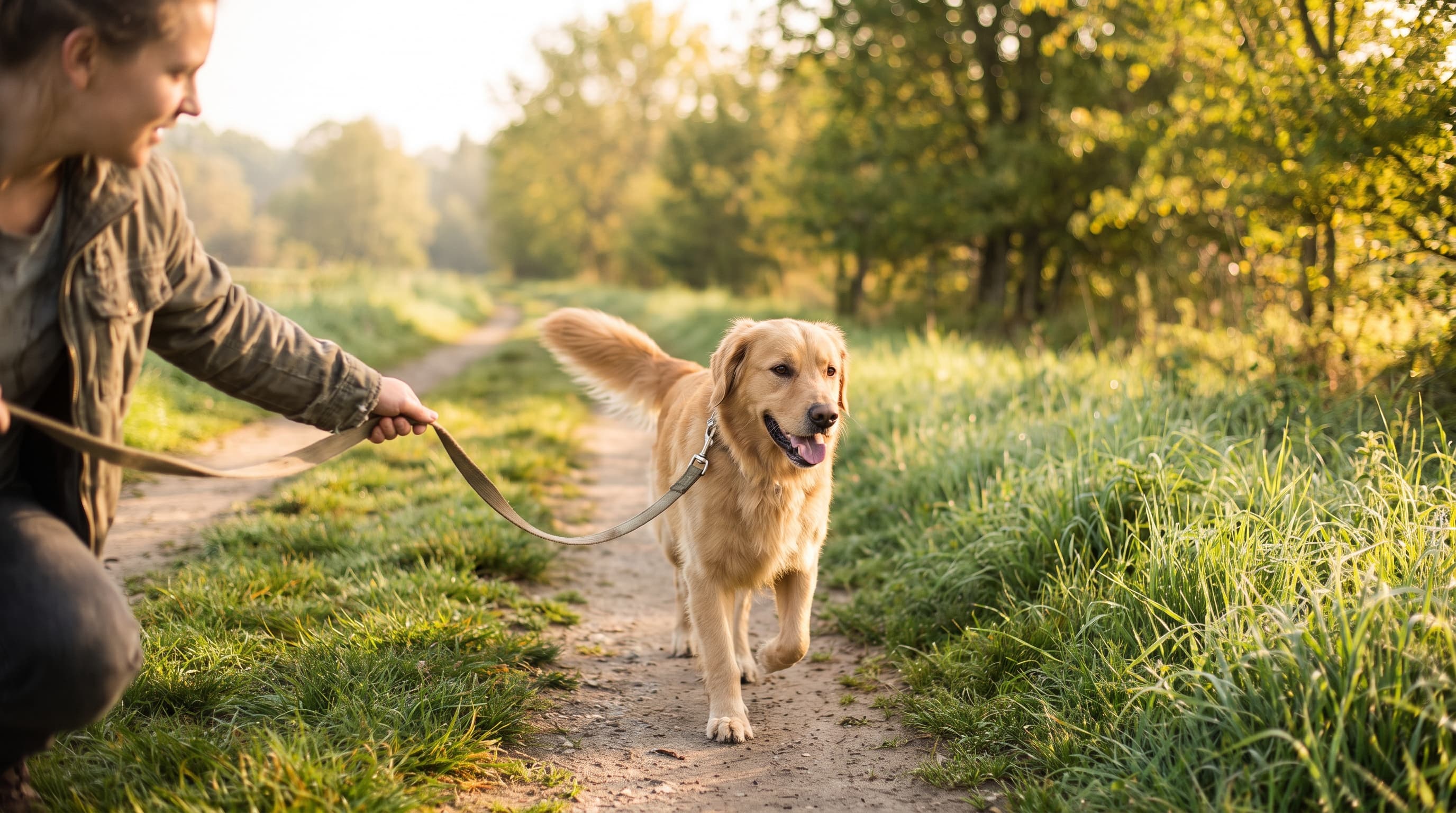
In warm weather, avoid hot pavement and never leave a dog in a parked car. Plan shade breaks and bring water. Use a leash in areas near roads and in unfamiliar places. Consider a life jacket for water outings if your dog goes on boats or near deep water.
Routine wellness care matters too. Regular exams can catch issues early, reducing the odds of a crisis feeling like it came out of nowhere.
Conclusion
When your dog is in trouble, focus on the basics: stabilize, contact a professional, and don't delay when symptoms are severe. A simple first aid kit and ready emergency contacts can turn panic into steps you can actually follow. You can't prevent every emergency, but you can be prepared when your dog needs you to act.