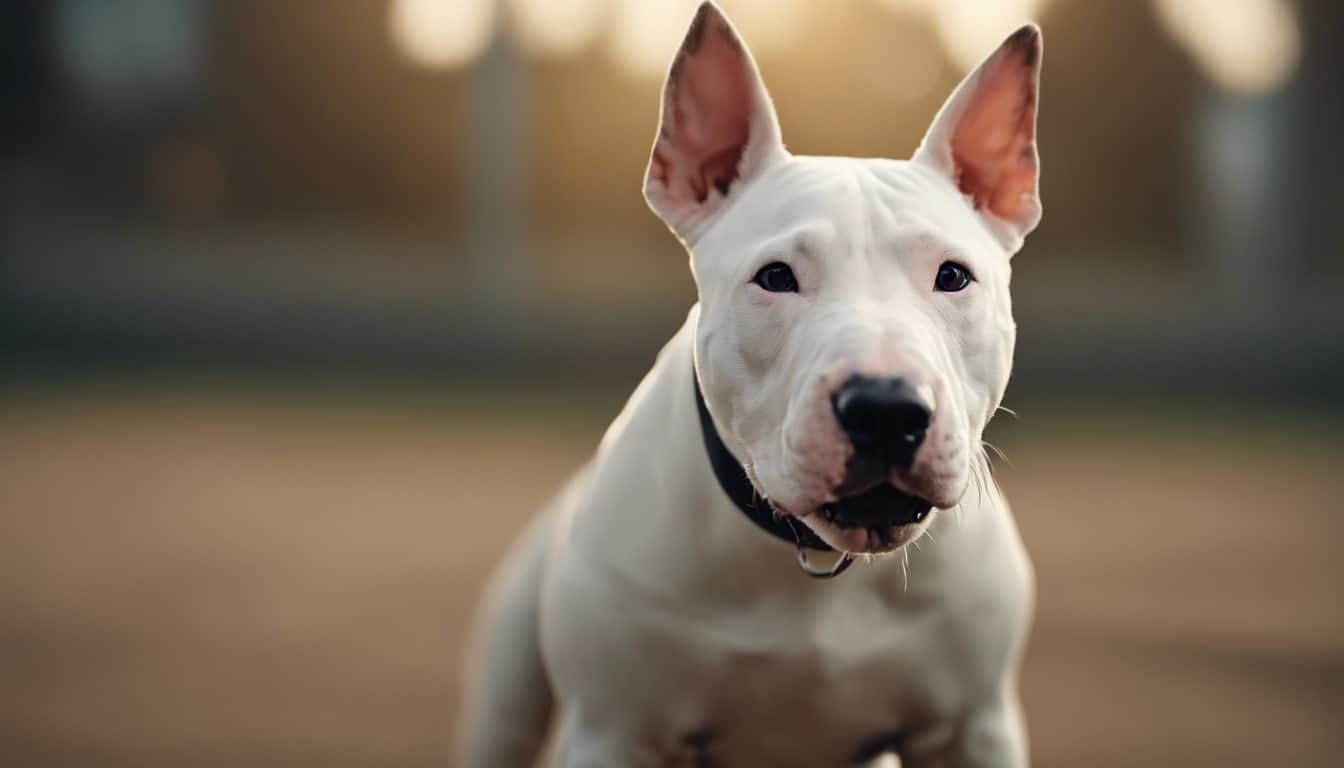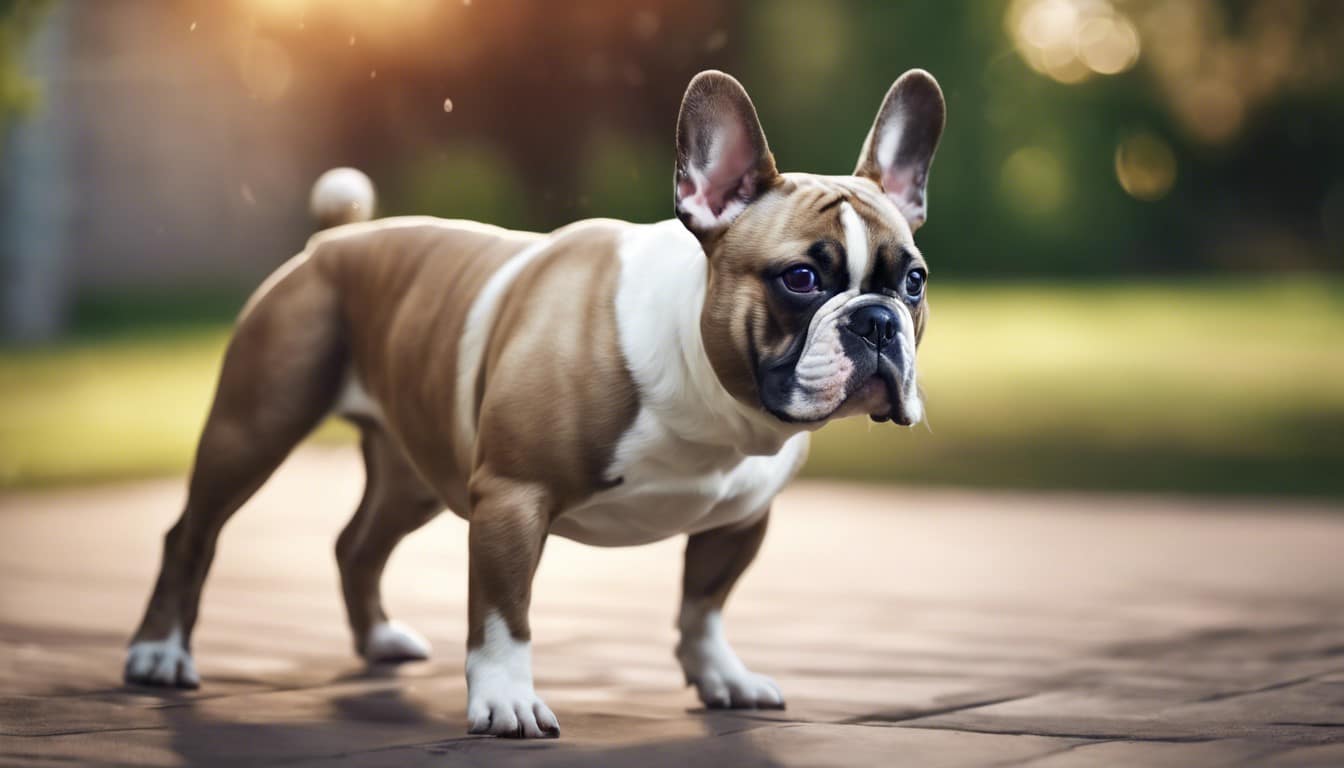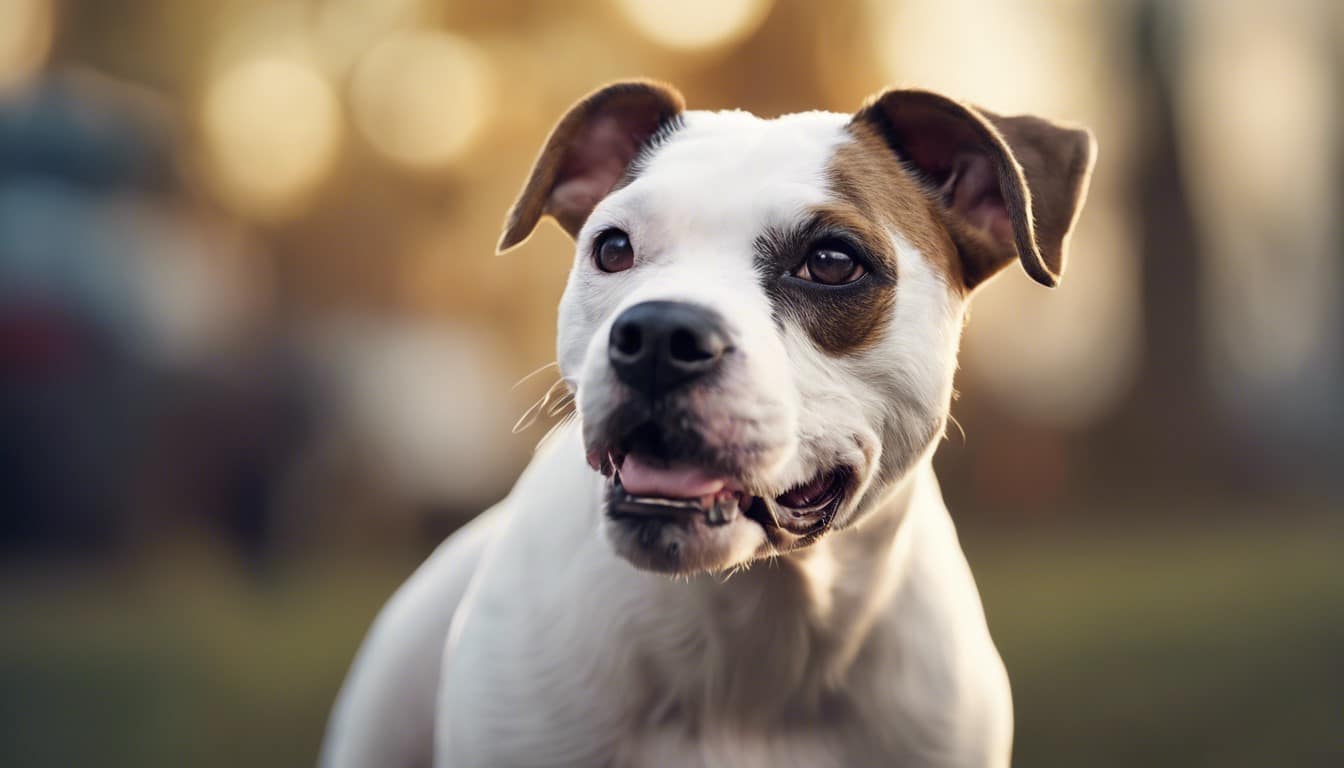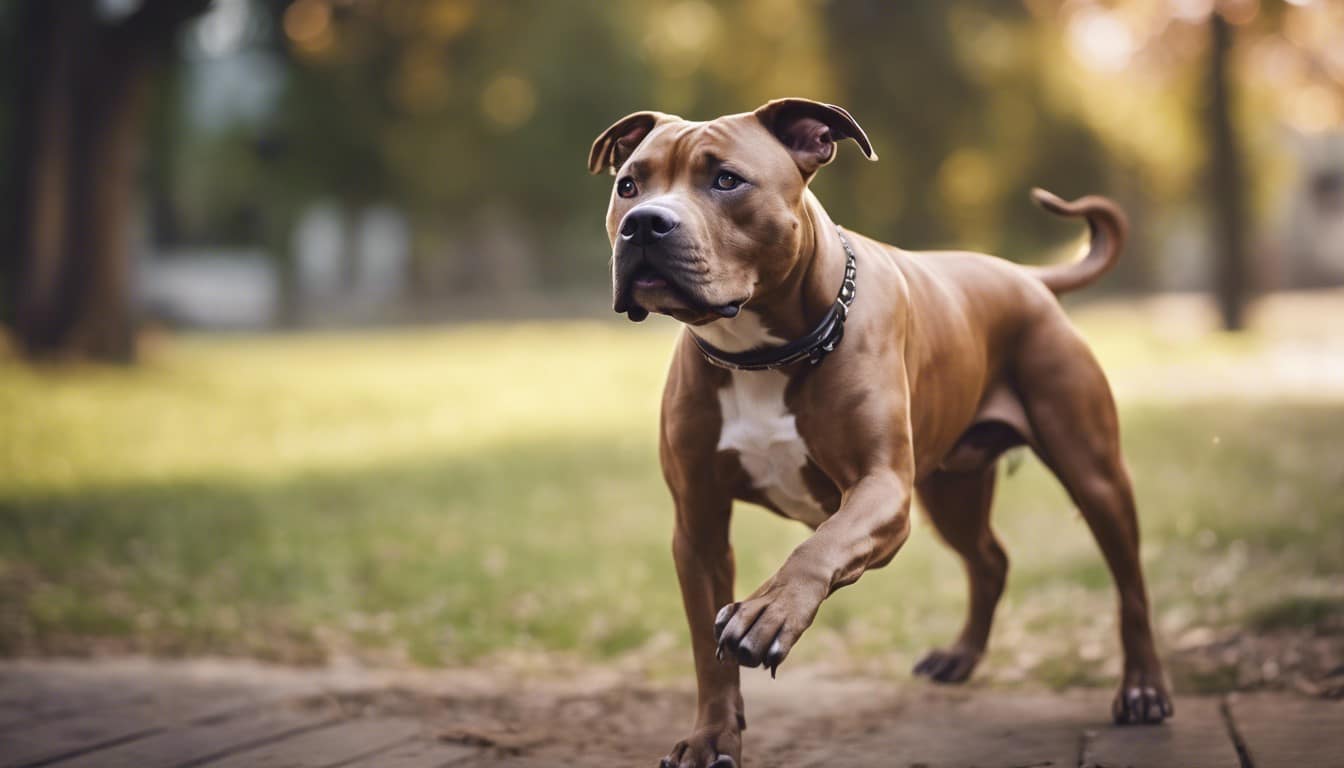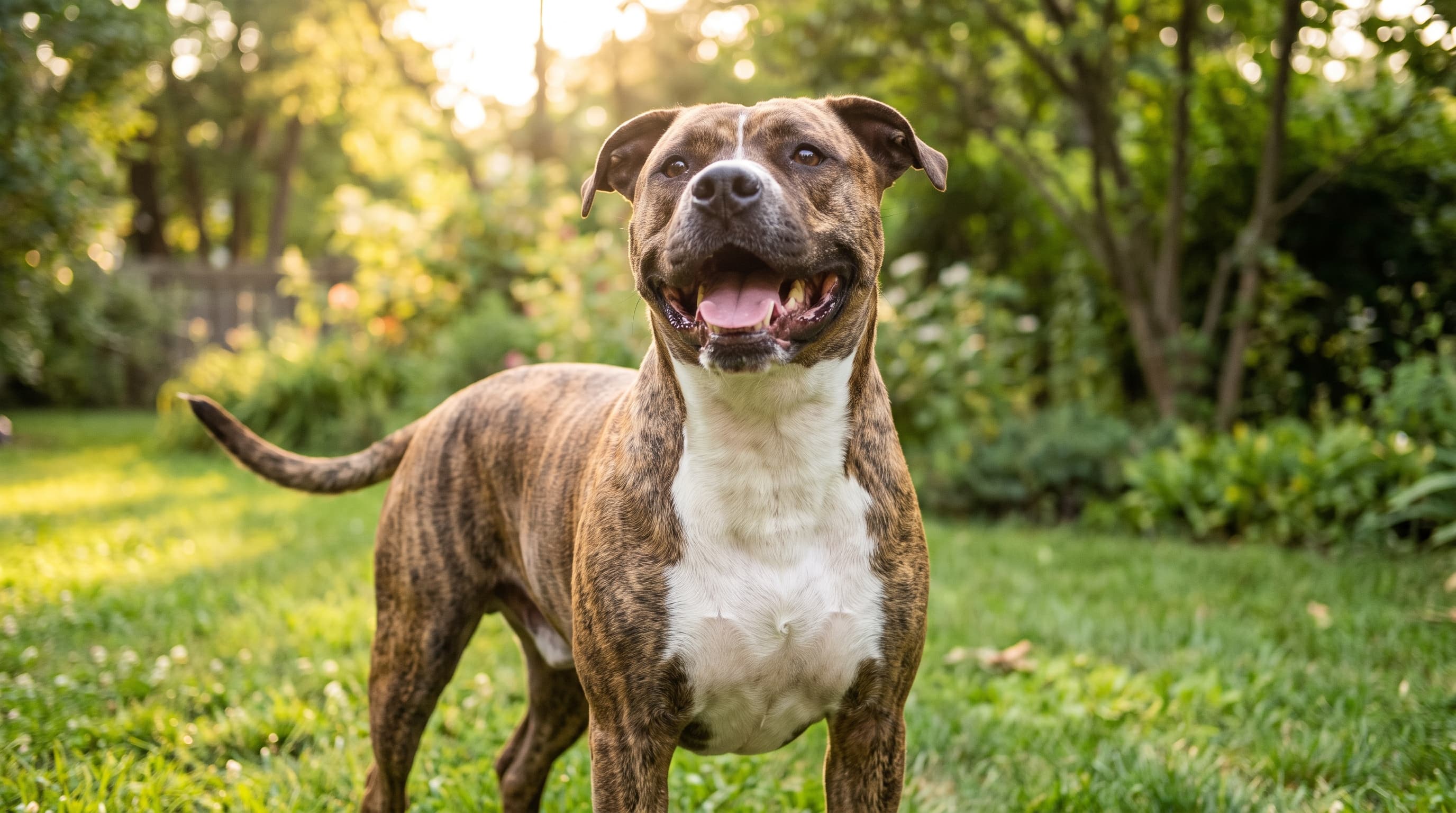

The Bullboxer is a mixed-breed dog created by crossing a Boxer with an American Bulldog. Also called the Bulloxer, it is a muscular, medium-to-large companion weighing roughly 60 to 90 pounds. Bullboxers are affectionate, loyal, and playful family dogs that thrive with confident owners, daily exercise, and early socialization.
What Is a Bullboxer? Meet the Parent Breeds
The Bullboxer is a first-generation "designer" cross, not a purebred, so no major registry like the AKC recognizes it as a distinct breed. Each puppy is a genetic blend of two powerful working dogs, which means littermates can vary noticeably in size, coat color, and temperament. Understanding the parents is the best way to predict what you are bringing home.
The Boxer is a bright, high-spirited German breed developed as a versatile guardian and companion. Boxers are famous for being loyal, silly, endlessly patient with children, and deeply attached to their people. The American Bulldog is a well-balanced athletic farm dog prized for strength, endurance, agility, and a friendly, confident attitude. If you want to dig deeper into that side of the family, our American Bulldog breed guide covers it in detail.
Blend the two and you typically get a stable, courageous, people-oriented dog with an athletic build and a strong protective streak. Breed databases such as Dogster and Hepper describe the result as a loyal, powerful, affectionate companion. Note that "Bullboxer" is sometimes used loosely for other crosses; the Boxer x American Pit Bull Terrier version is covered separately in our Bullboxer Pit guide. This article focuses on the Boxer x American Bulldog mix.
Bullboxer Appearance and Size
Bullboxers are unmistakably athletic dogs. They usually stand 20 to 27 inches at the shoulder and weigh between 60 and 90 pounds, with males typically larger than females. The build is broad-chested and muscular over a lean, agile frame, topped by a broad, square-ish head and a shortened muzzle inherited from both parents.
The coat is short, dense, and close-fitting, which makes it low-maintenance but not non-shedding. Common colors include fawn, brindle, brown, tan, black, and white, often with white markings on the chest and face. Because the muzzle is moderately shortened, some Bullboxers show mild brachycephalic traits and can be sensitive to heat and intense exercise in hot weather, a concern worth taking as seriously as it is for flatter-faced breeds, as our guide on recognizing heat stroke in dogs explains.
Bullboxer Temperament and Personality
Despite an intimidating, tank-like appearance, most Bullboxers are affectionate "gentle giants" at home. From the Boxer side they inherit playfulness, goofiness, and a strong desire to be near their family; from the American Bulldog side they gain confidence, steadiness, and a natural guarding instinct. The result is a dog that is loving and calm indoors but alert and protective when strangers approach.
Bullboxers form intense bonds and do not do well when left alone for long stretches, so they can develop separation anxiety and destructive habits if under-stimulated. They are generally excellent with children they are raised alongside, though their size and enthusiasm mean play with small kids should always be supervised. Both parent breeds can be stubborn, so a confident owner who sets consistent boundaries brings out the best in this mix.
Exercise and Training Needs
This is an energetic, working-lineage dog that needs a real job to stay happy. Plan on 60 to 90 minutes of daily activity split across brisk walks, fetch, tug, structured play, or hiking. Some owners and breed resources such as Wag report these dogs happily handling up to two hours of activity a day, though many do fine with less as they mature. A bored, under-exercised Bullboxer is the number-one cause of chewing, digging, and other destructive behavior owners complain about. Mental work matters just as much as physical work, so rotate in puzzle feeders, scent games, and short training drills. Because this mix is strong and driven, teaching an early "settle" cue is just as valuable as burning energy off, giving your dog an off switch for calm evenings at home.
Bullboxers are intelligent and eager to please, but their independent, stubborn side means training must start early and stay consistent. Use reward-based, positive-reinforcement methods; harsh corrections tend to backfire with sensitive, people-focused dogs like this. Prioritize early socialization with people, dogs, and new environments to temper the protective instinct, plus rock-solid recall and loose-leash walking to manage their strength. If you like the Boxer temperament but want a smaller, more apartment-friendly option, compare notes in our Miniature Boxer guide.
Grooming and Shedding
Grooming a Bullboxer is refreshingly simple. The short coat needs only a weekly once-over with a rubber curry brush or grooming mitt to remove loose hair and spread skin oils; expect low-to-moderate, year-round shedding rather than heavy seasonal blowouts. Bathe every four to eight weeks or when genuinely dirty, since over-bathing strips the coat.
The rest is routine maintenance. Check and gently clean the ears weekly to head off infections, trim nails every few weeks, and brush the teeth several times a week to prevent dental disease. Because of the shortened muzzle, wipe any facial folds and monitor breathing during hot-weather exercise. Starting all of this in puppyhood, and pairing handling with treats and praise, makes grooming and vet visits stress-free for life.
Bullboxer Health and Lifespan
A well-bred Bullboxer typically lives 10 to 13 years. As a crossbreed it can benefit from hybrid vigor, but it can also inherit health issues common to both parent lines. The information below is educational only and is not a substitute for veterinary care; always consult your veterinarian about your individual dog.
Conditions worth knowing about include hip dysplasia, a genetic joint condition common in large muscular breeds; heart disease, including the dilated cardiomyopathy Boxers are prone to; and bloat (gastric dilatation-volvulus), a life-threatening emergency in deep-chested dogs that requires immediate veterinary attention. Others sometimes reported include hypothyroidism, skin allergies, eye conditions such as cataracts, and certain cancers. Ask any breeder for health screening on the parents (hips, heart, and eyes), keep your dog at a lean weight, and stay current on veterinary checkups to catch problems early.
Is the Bullboxer a Good Family Dog?
For the right household, yes. Bullboxers are devoted, playful, and protective family companions that flourish in active homes with a securely fenced yard and people around for much of the day. They suit families with older, dog-savvy children, single owners who love the outdoors, and anyone who wants a built-in workout partner and watchdog rolled into one.
They are a poorer fit for people who are away long hours, first-time owners who are uncomfortable with a strong, willful dog, or apartment dwellers who cannot meet the exercise load. Early socialization and consistent leadership are non-negotiable given the size and guarding instinct. Meet those needs and you get one of the most loyal companions around. If you love the look but want to weigh other bull-and-boxer style crosses, our Boxerdoodle guide offers a lower-shedding alternative.
Bullboxer Cost and Where to Find One
Because the Bullboxer is an unregistered mix, prices vary widely. Puppies from a responsible breeder generally run about $500 to $1,500, with health-tested parents commanding the higher end. Beyond the purchase price, budget for first-year costs, including vaccinations, spay or neuter, microchipping, quality large-breed food, crate, and supplies, which can add another $1,000 or more.
Adoption is often the better route. Boxer and Bulldog rescues, plus general shelters, regularly have Bullboxer-type dogs for a fraction of breeder costs, and you may skip the unpredictable puppy stage. Wherever you look, insist on meeting the dog, and if buying, ask to see the parents and their health clearances.
Frequently Asked Questions
Is a Bullboxer the same as a Bulloxer?
Yes. "Bullboxer" and "Bulloxer" are two spellings for the same Boxer x American Bulldog cross. You may also see it called the American Bull Boxer.
How big does a Bullboxer get?
Most Bullboxers stand 20 to 27 inches tall and weigh 60 to 90 pounds, putting them in the medium-to-large category. Males are usually noticeably bigger than females.
Are Bullboxers good with kids?
Generally yes. They are affectionate and patient with children they are raised with, but their size and exuberance mean play with young kids should always be supervised, and early training helps them learn to be gentle.
Do Bullboxers bark a lot?
They are not excessive barkers, but their guarding instinct makes them alert watchdogs that will sound off at strangers or unusual activity. Consistent training keeps barking in check.
How long do Bullboxers live?
The typical Bullboxer lifespan is about 10 to 13 years. Regular veterinary care, a lean body weight, and daily exercise all help maximize their healthy years.
The Bottom Line
The Bullboxer packs the Boxer's playful heart and the American Bulldog's steady strength into one loyal, athletic package. Give it daily exercise, early socialization, and consistent leadership, and it repays you with unwavering devotion. Ready to keep exploring this family tree? Read our American Bulldog breed guide and our Bullboxer Pit guide next. And if you love smart, practical dog content, subscribe to the Daily Wag newsletter for fresh breed guides, training tips, and care advice delivered straight to your inbox.