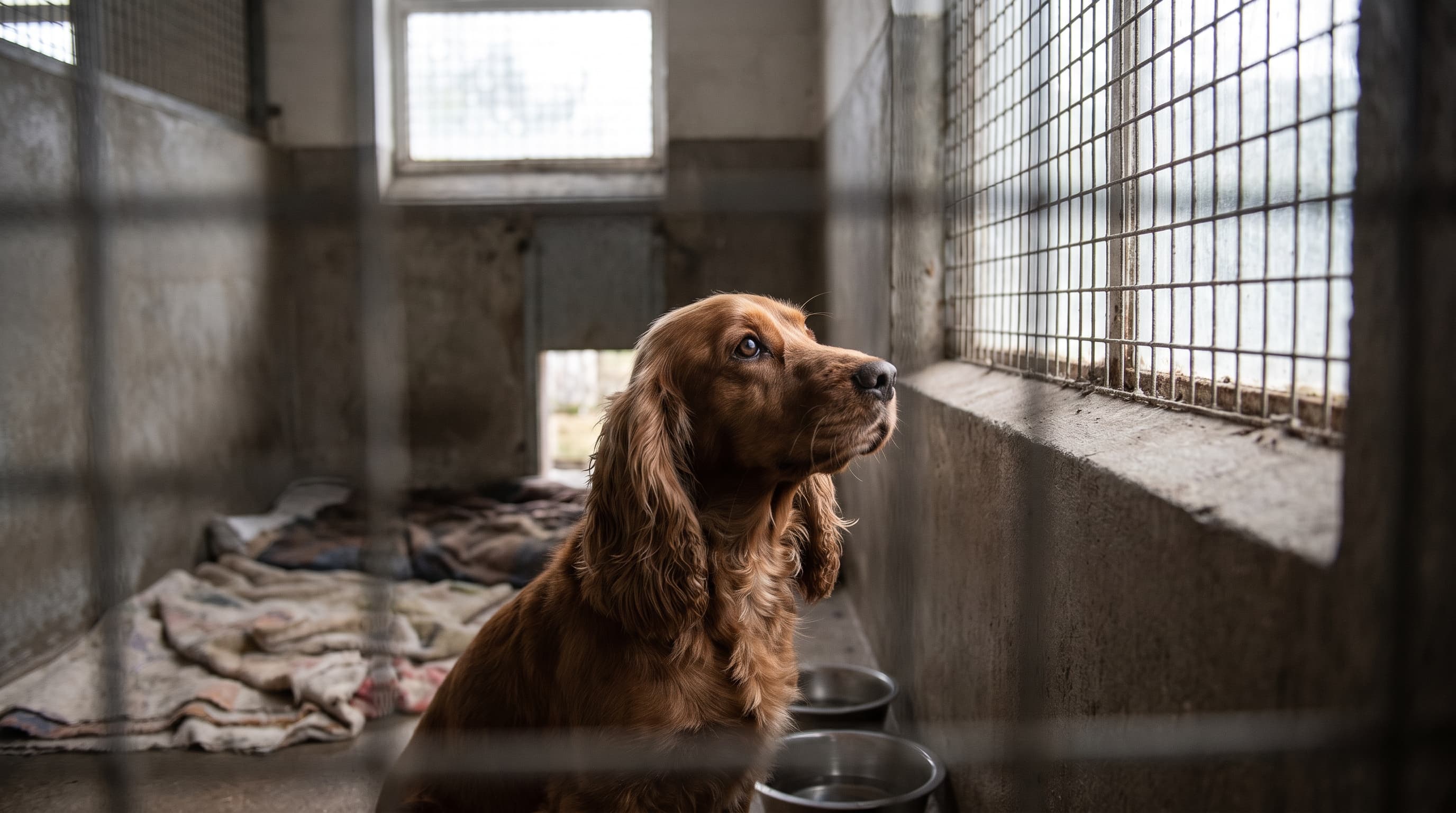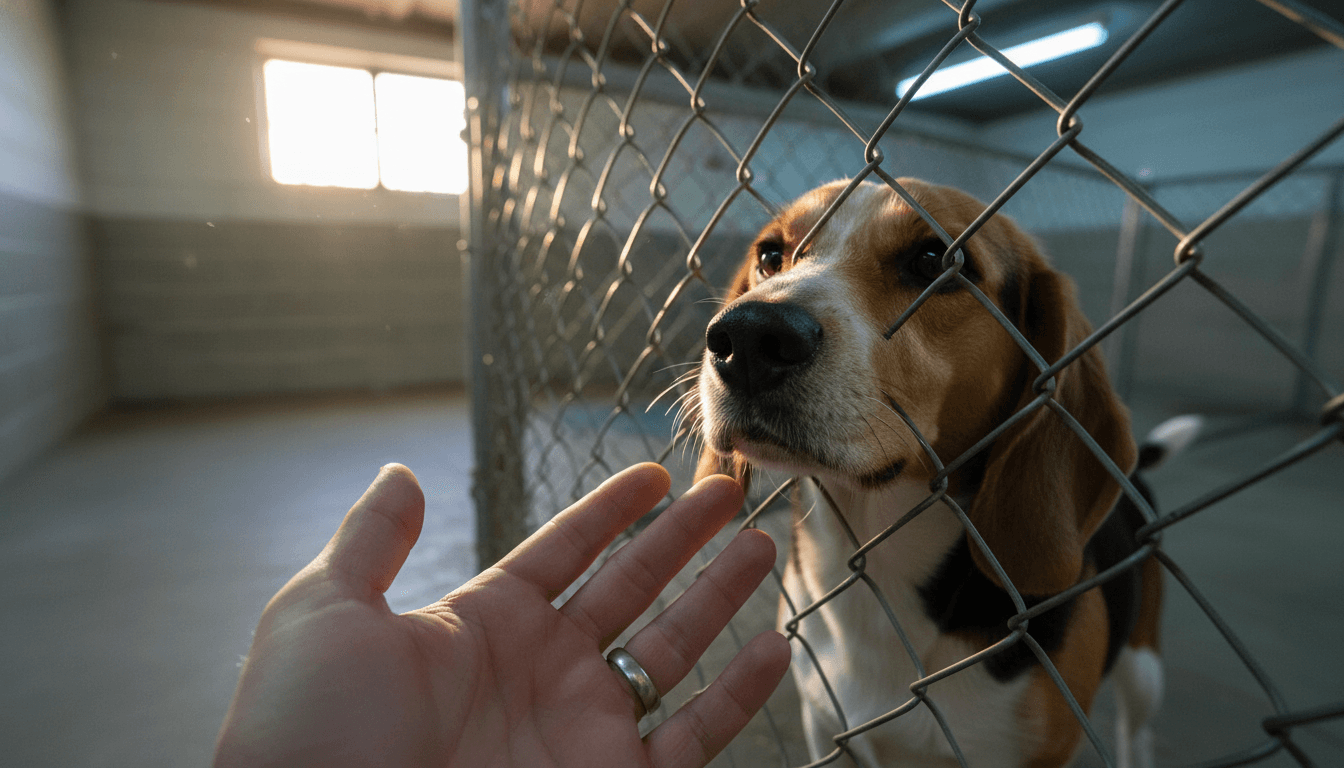

Right now, roughly 2,000 beagles are living in kennels on a farm in Blue Mounds, Wisconsin. They’ve never felt grass under their paws. They’ve never been someone’s pet. According to court findings, some have undergone surgeries without anesthesia, with wounds left untreated in the aftermath. These dogs were born to supply medical research labs — and a countdown clock is ticking on what happens to them next.
The facility, Ridglan Farms, is one of the largest beagle breeding operations in the United States. It supplies dogs to pharmaceutical companies and research institutions for toxicity testing, drug development, and medical studies. It’s also at the center of one of the most charged animal welfare standoffs the country has seen in years — and the outcome over the next few months could determine the fate of thousands of dogs.
How We Got Here
Ridglan Farms has been under scrutiny for years, but things accelerated last fall when a Wisconsin state judge found the facility likely violated the state’s animal cruelty laws. The ruling cited “appalling, gratuitous, and illegal acts of animal cruelty” — including surgeries performed without anesthetics and untreated injuries. Facing potential felony charges, Ridglan Farms reached a legal agreement with prosecutors: the company would surrender its Wisconsin dog-breeding license by July 1, 2026, effectively shutting down its pipeline of beagles to research labs.
On paper, that sounds like a win. But the fine print complicated things. Under the terms of the agreement, Ridglan could continue limited sales to existing customers during the wind-down period — meaning many of the 2,000 dogs currently on the property could still end up in research facilities before July 1. The agreement also states that any dogs remaining at Ridglan after the deadline must be transferred out for rehoming or adoption rather than sold into research pipelines. According to Beagle Lovers & Rescuers, the facility breeds more than 4,000 puppies annually, with mortality rates between 7 and 13 percent.
Animal welfare advocates weren’t satisfied with waiting. They wanted to get the dogs out now.
Two Rescue Attempts — And a Growing Standoff
On March 15, 2026, a coalition of activists operating under the banner of the Coalition to Save the Ridglan Dogs entered the facility and removed more than 20 beagles. Some of those dogs experienced the outdoors for the first time in their lives. But law enforcement quickly responded — eight of the rescued dogs were seized by authorities, and 63 people ultimately faced charges from the incident. Wayne Hsiung, a co-founder of Direct Action Everywhere (DxE) and an attorney, was among those arrested. “I’m in jail for rescuing dogs,” he said at the time. “It’s where I was meant to be.”
Undeterred, advocates organized a second, larger effort for April 18. Hundreds of activists — CBS News reported an estimated 1,000 — converged on the Blue Mounds property, located about 25 miles southwest of Madison. They arrived to find Ridglan had significantly hardened its perimeter: manure-filled trenches, hay bale barricades, and barbed wire surrounding the facility. Seventeen law enforcement agencies responded. Police deployed tear gas, rubber bullets, and pepper spray. Dozens were arrested. The crowd breached fencing but couldn’t reach the dogs.
“The world saw extreme levels of power and oppression at play against people who want to save beagles from a life of torture for money,” said Jeff Brown, a Wisconsin animal welfare activist. No dogs were rescued. If this caught your interest, don't miss Meet Merle.
Wayne Hsiung was arrested again, this time on probable cause for conspiracy to commit burglary. Making matters more concerning for advocates: the National Association for Biomedical Research invoked the Animal Enterprise Terrorism Act — a federal law historically used to prosecute people who challenge research facilities. Hsiung was questioned by a joint state-federal terrorism task force while detained.
Why Beagles? Understanding the Research Breed
To understand why Ridglan matters, it helps to understand why beagles became the default dog for research in the first place. According to science journalist Melanie D.G. Kaplan, author of Lab Dog, it comes down to a combination of temperament and infrastructure. “They’re docile and small and you can easily pick them up and they are pretty much happy to do whatever you want,” she explained. When pharmaceutical testing expanded after World War II, breeding systems for beagles were already in place — and the industry simply built on existing infrastructure.
An estimated 40,000 beagles are used in U.S. research labs every year — down from a peak of roughly 70,000, but still a significant number. They’re used to test drugs, agricultural chemicals, medical devices, and more. Most are purpose-bred at facilities like Ridglan, which means they’ve known nothing but kennels and cages their entire lives.
That docile, people-loving nature — the very quality that makes beagles beloved family pets — is also what makes them ideal lab subjects. They don’t fight back. They trust people even when they have every reason not to.
What Happens on July 1
The July 1 deadline is both a milestone and an open question. After that date, Ridglan will no longer be able to breed or sell beagles for laboratory use. Any remaining dogs must be transferred out for rehoming or adoption rather than sold into research pipelines. Advocacy groups including Dane4Dogs and The Marty Project are already working to build rehoming support for the dogs that will need placement.
But the window between now and July 1 is the danger zone. Ridglan retains the legal right to sell its existing inventory to research customers during the wind-down. Every dog sold before July 1 disappears into the lab pipeline — and most never come out. That’s why advocates are pushing hard: legally, politically, and through direct action.
Wisconsin Congressman Mark Pocan has urged state officials to ensure the dogs are safely rehomed, raising the central question: how do you ensure 2,000 beagles aren’t euthanized or quietly funneled to another facility just like Ridglan?
What Dog Lovers Can Do Right Now
You don’t have to breach a fence to make a difference. Here’s how dog owners and animal lovers can meaningfully support the Ridglan beagles before July 1 changes everything.
Contact Your Representatives
Federal and state legislators respond to constituent pressure. If you’re in Wisconsin, contact your state assembly member and senator and ask them to ensure strict oversight of the July 1 transition and real protections for dogs that could be sold before that date. Outside Wisconsin? Contact your U.S. House representative about strengthening federal oversight of research animal suppliers.
Support Beagle Rescue Organizations
Organizations directly working on the Ridglan situation — including Dane4Dogs and The Marty Project — are preparing to help place dogs as they come out of the facility. The Beagle Freedom Project has a long track record of transitioning former lab beagles into family homes and can always use financial support and foster volunteers.
Consider Adopting a Former Research Beagle
When the Ridglan dogs eventually start entering the adoption pipeline, they’ll need patient homes. Former lab beagles often have to learn things that pet dogs take for granted — how to play, how to navigate stairs, what it feels like to sleep on a soft surface. Many become deeply devoted companions once they discover what home means. Check the Beagle Freedom Project for adoption listings if you’re open to giving one a second chapter.
Spread the Word
The Ridglan story has a hard deadline. Awareness now — before July 1 — creates the political and social pressure that can shape how the wind-down is handled and what accountability looks like. Share what you know.
The Clock Is Running
In 68 days, the legal landscape around Ridglan Farms shifts. What happens between now and then — and what accountability exists for how the remaining 2,000 beagles are handled — depends significantly on how much the public is watching.
These dogs were bred to be compliant. They didn’t choose their circumstances. But there’s a growing coalition of advocates, lawmakers, and everyday dog lovers who believe that docile and trusting shouldn’t mean disposable.
At Sidewalk Dog, we’ll keep following this story as July 1 approaches. Stay connected with us for updates on the Ridglan beagles and other news that matters to dog owners.