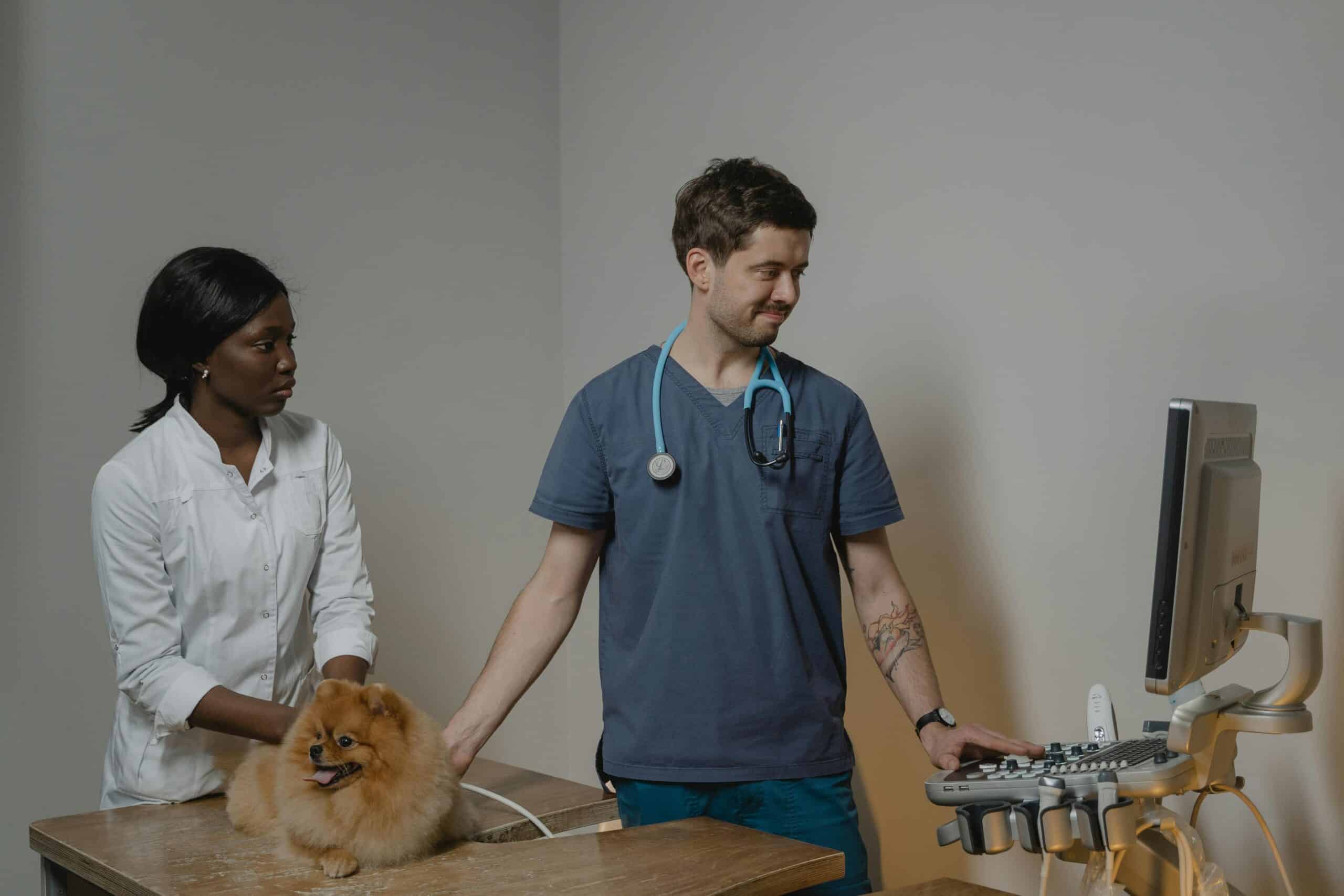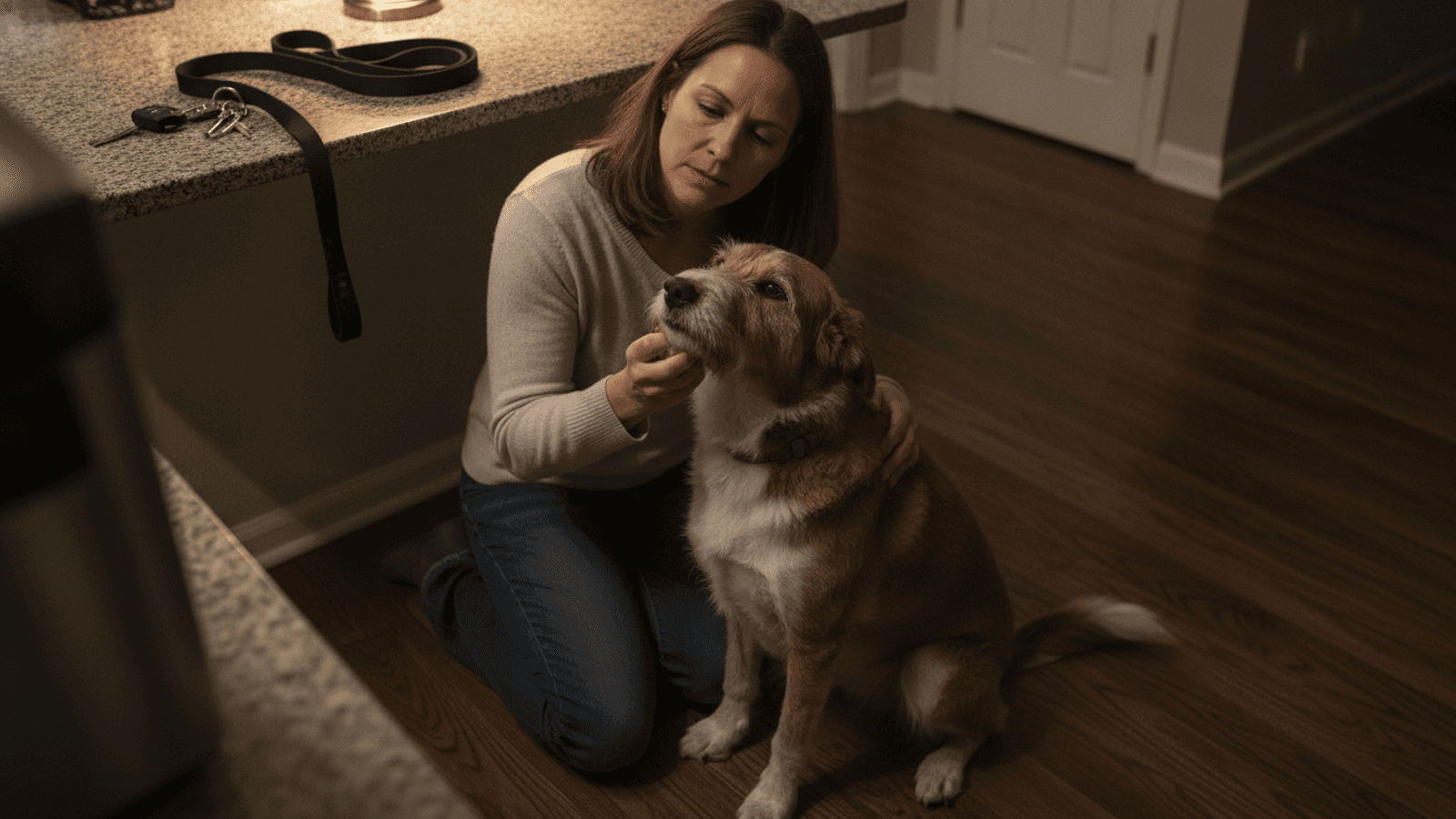
When your dog or cat gets sick or hurt outside regular clinic hours, quick decisions matter. The safest next step depends on how serious the symptoms are and what type of facility is available nearby. Understanding the difference between urgent care and emergency care can help you act with more confidence.
Dogs and cats rarely pick a convenient time for an injury, stomach upset, or sudden change in behavior. That is why many owners want a clear plan before a stressful night or weekend problem begins. If you need local help after your regular veterinarian closes, you can find an UrgentVet clinic location near you in Illinois and check what care is available. Knowing where to go ahead of time can save valuable minutes when your pet needs attention.
When Urgent Care Is the Right Choice
Veterinary urgent care is meant for problems that should not wait for a routine appointment but are not immediately life-threatening. A dog with vomiting, diarrhea, a limp, an ear infection, or a minor bite wound may need same-day attention without requiring a full emergency hospital. Cats with mild breathing changes, reduced appetite, or a painful paw can also fit this category if they are still responsive and stable. These clinics help fill the gap between your daytime veterinarian and an overnight hospital. For many families, that middle option feels more practical and less overwhelming than going straight to an emergency room.
Urgent care clinics are usually set up to evaluate, diagnose, and begin treatment for common after-hours concerns. That can include exams, X-rays, in-house lab work, fluids, pain medication, wound care, and short-term monitoring. They are especially useful when your pet looks uncomfortable but not critical, and you do not want to wait until morning. Staff can also tell you if your pet needs a higher level of care after the initial exam. That safety net makes urgent care a helpful starting point when the situation needs prompt treatment but not full emergency intervention.
When Your Pet Needs an Emergency Hospital
An emergency veterinary hospital is the right destination for severe or rapidly worsening symptoms. Trouble breathing, collapse, active seizures, major trauma, heavy bleeding, or a known toxin exposure all require immediate emergency attention. The same is true for repeated unproductive attempts to urinate, extreme weakness, or signs of intense pain your pet cannot settle through. These facilities are equipped for critical cases and can provide advanced imaging, oxygen support, surgery, and around-the-clock monitoring. If your pet seems unstable, it is safer to choose the emergency hospital first rather than hoping urgent care will be enough.
The biggest difference is not the building but the level of resources available through the night. Emergency hospitals are designed for patients who may need constant supervision, rapid intervention, or specialty procedures. That matters when minutes count and a pet could decline on the drive or in the waiting room. If you are unsure, call ahead and describe the symptoms as clearly as possible, including when they started and whether they are getting worse. A veterinary team can help guide you, but if your pet cannot breathe comfortably or is not responsive, skip the debate and go immediately.
How to Assess Your Pet Before You Leave Home
Start by looking at breathing, alertness, movement, and gum color. A pet that is bright, aware, and able to walk may still need fast care, but a pet that is pale, blue-tinged, disoriented, or unable to stand should raise the level of concern right away. Note whether vomiting or diarrhea has happened once or many times, and whether blood is present. Check for visible swelling, signs of pain when touched, or sudden bloating in the abdomen. Those observations help you decide where to go and give the clinic useful information before you arrive.
It also helps to think about what may have happened in the previous few hours. Did your dog eat something unusual on a walk, raid the trash, or chew medication left on a table? Did your cat fall, hide for hours, or stop using the litter box? If ingestion might be involved, bring any packaging, product labels, or medication bottles with you, and review the common signs of dog poisoning so you can describe what you are seeing. Keep your pet as quiet and secure as possible during transport, and use a carrier or leash even if they are normally calm. Clear details and safe handling can speed up triage once you reach the clinic.
What to Expect From After-Hours Veterinary Visits
Both urgent care clinics and emergency hospitals triage pets based on medical need, not arrival order. That means a stable dog with an ear infection may wait while a pet in breathing distress is taken back immediately. During the visit, staff will ask about symptoms, timing, medications, and any known medical conditions. From there, the team may recommend diagnostics, treatment, monitoring, or transfer if the case is more serious than first expected. The process feels easier once you understand that triage is designed to protect the sickest animals first, not to delay care without reason.
Cost is also part of the decision for many households, especially when the issue is urgent but not critical. Urgent care often costs less than a 24-hour emergency hospital because it focuses on non-life-threatening cases and shorter-term treatment. For pets that need care at night, on weekends, or over holidays, UrgentVet is an affordable, after-hours emergency vet clinic alternative when a full emergency room is not necessary. Having that option can help owners get timely medical attention without waiting for a regular appointment. The most important step is acting quickly enough that a manageable problem does not become a dangerous one.