
When your dog or cat gets sick or injured without warning, staying calm helps you make better choices. Knowing the difference between urgent and emergency care can save time and reduce stress. A little planning before a crisis makes it easier to protect your pet when every minute feels important.
Unexpected health scares are part of life with animals, and they rarely happen when your regular clinic is easiest to reach. If you are trying to prepare ahead of time, finding an affordable emergency vet near you in South Carolina gives you a practical starting point for nights, weekends, and holidays. UrgentVet is a trusted after-hours emergency vet alternative, offering fast, affordable same-day veterinary urgent care for pets, because your pet can’t wait to feel better®. Dogs and cats often hide pain well, so subtle changes in posture, appetite, breathing, or energy can matter more than many owners realize. When you know where to go and what to watch for, you can act faster and with more confidence.
Spotting the Signs That Should Not Wait
Some situations are clearly emergencies, including trouble breathing, severe bleeding, collapse, repeated seizures, and major trauma. Other problems may seem mild at first but can worsen quickly, especially in puppies, kittens, senior pets, and animals with existing medical conditions. Repeated vomiting, nonstop diarrhea, a distended belly, or pale gums should never be brushed off as something that will pass by morning. The same is true for sudden weakness, unsteady walking, or crying out when touched. If your pet seems restless, hides, pants unusually, or cannot get comfortable, those changes can signal significant pain.
It also helps to take a hard look at what may have caused the problem. Pets that swallow socks, bones, string, medications, chocolate, grapes, or xylitol need prompt veterinary guidance even before symptoms become obvious. Eye injuries, heat exposure, and rapidly worsening limps can also require same day attention. Because dogs and cats do not explain what hurts, their body language becomes your best clue. Trusting those changes is often safer than waiting to see whether they improve on their own. Quick action tends to create more treatment options and a smoother recovery path.
Choosing the Right Clinic for the Moment
Your regular veterinarian is still your best first call during normal business hours, but not every general practice can handle walk in cases or overnight monitoring. That is why it helps to know the difference between urgent care and a full emergency hospital before you need one. Urgent care is usually appropriate for issues that need prompt attention but are not immediately life threatening, such as vomiting, diarrhea, ear infections, allergic reactions, minor wounds, limping, or skin problems. Emergency hospitals are better equipped for critical cases like major trauma, breathing distress, uncontrolled bleeding, or surgeries that cannot wait. Picking the right destination can spare your pet an unnecessary delay.
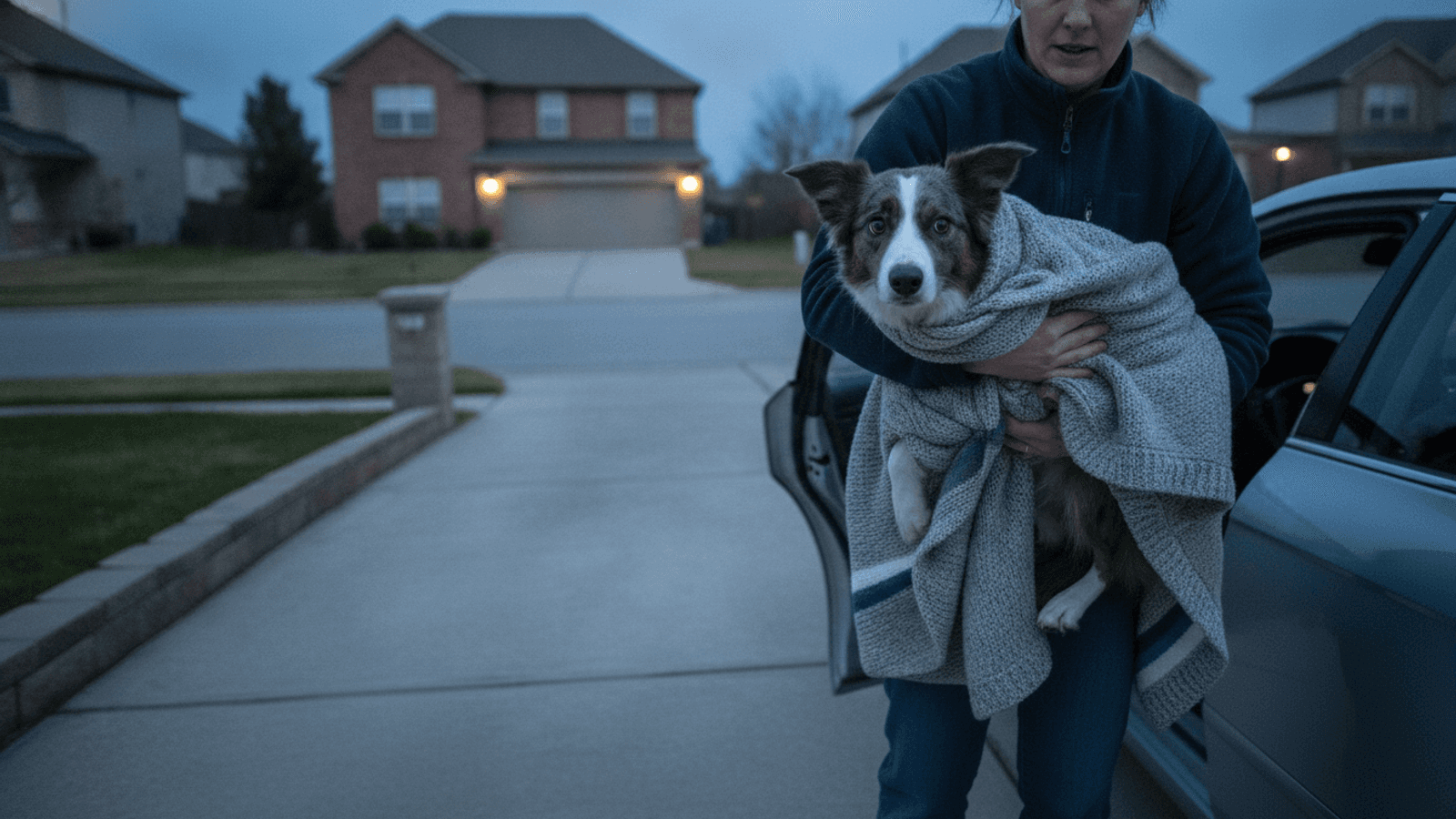
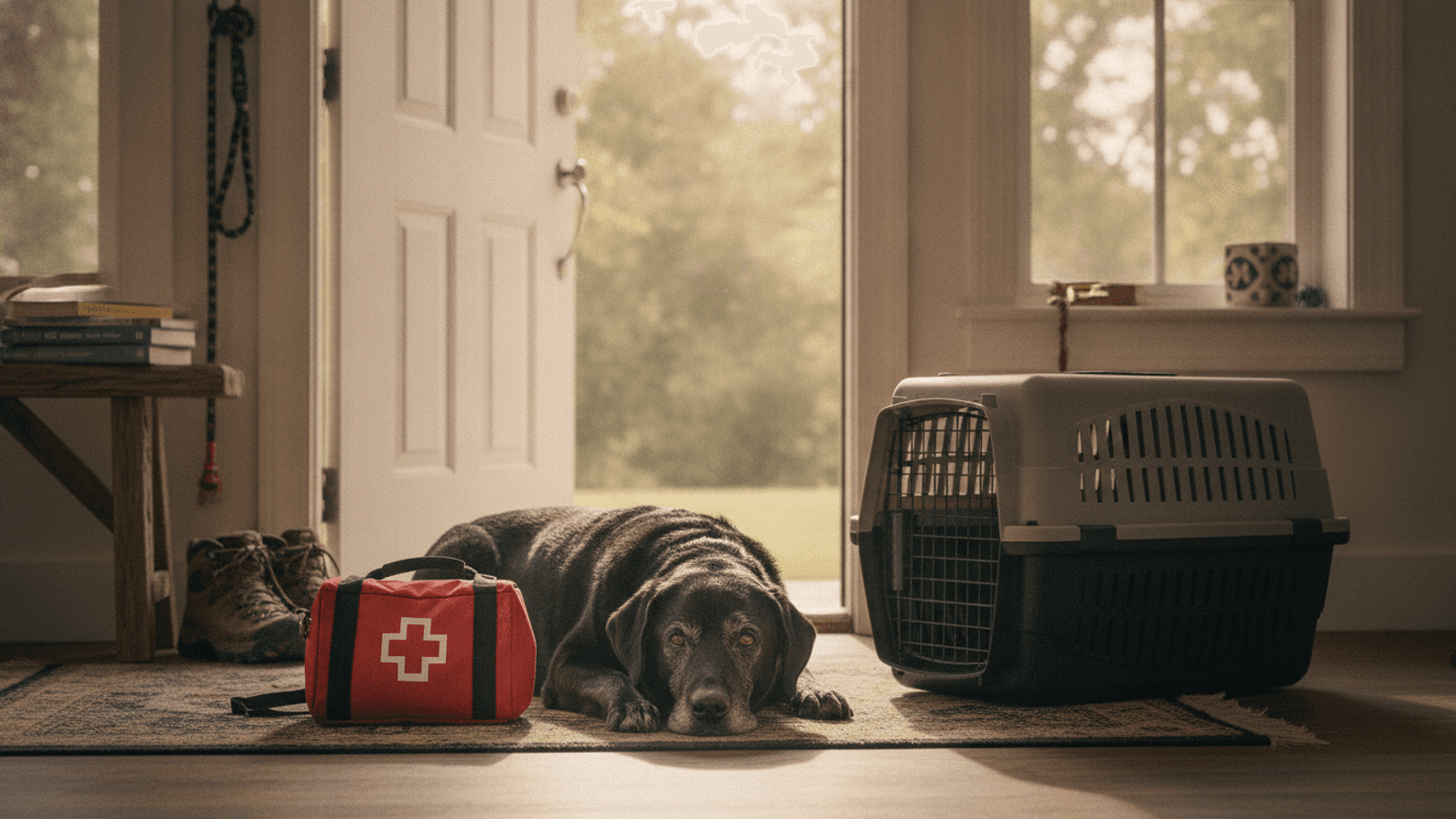
Preparation matters just as much as knowing the categories. Save clinic addresses, phone numbers, and driving routes in your phone rather than searching while your pet is sick. Ask your primary vet which local hospitals they recommend and whether records can be sent quickly if follow up care is needed the next day. Keep a leash, carrier, towel, and clean blanket where you can grab them fast. If your pet is painful or frightened, call ahead so the team can tell you the safest way to move them. Those simple steps make a chaotic moment feel far more manageable.
What You Can Expect During the Visit
When you arrive, a technician will often assess your pet right away through triage. That means the most unstable animals are treated first, even if another patient checked in earlier. You may be asked when signs began, whether your pet ate something unusual, and which medications were given at home. Clear answers help the team prioritize tests, pain relief, and supportive care. Depending on the problem, the visit may include bloodwork, X rays, wound treatment, oxygen support, fluids, or monitoring for several hours.
Costs are usually higher than a routine appointment because after hours clinics maintain staff, equipment, and diagnostic access outside standard schedules. That does not mean every case becomes a hospital stay. Many pets are treated, stabilized, and sent home with medication, feeding instructions, and a plan for follow up. Others may need transfer if their condition requires surgery or intensive overnight care. When owners understand how clinics like UrgentVet fit between a day practice and a major emergency hospital, the decision process feels less confusing. Knowing that range in advance can make a stressful night feel more navigable.
Building a Plan Before Anything Goes Wrong
The easiest emergency to manage is the one you have already prepared for. Keep your pet’s vaccine records, medication list, microchip number, and past health issues in one easy to find place, either on your phone or in a folder by the door. Stock a simple first aid kit with gauze, saline, towels, and bandage material, but remember that home care is only a short bridge to professional treatment. Practice getting your dog into the car calmly and make sure your cat carrier is accessible instead of buried in storage. If more than one person cares for your pet, make sure everyone knows where to go and who to call.
Just as important, learn what is normal for your animal on an ordinary day. Notice how your pet breathes at rest, how quickly they eat, how much they drink, and how they move after a walk or jump. Those details make it easier to recognize a meaningful change before a problem becomes severe. You can also lower risk by avoiding common hazards like open medicine bottles, cooked bones, toxic foods, and overheating in warm weather. A thoughtful plan does not remove the worry of a sudden illness, but it gives you a clear path to follow when your pet needs fast care.