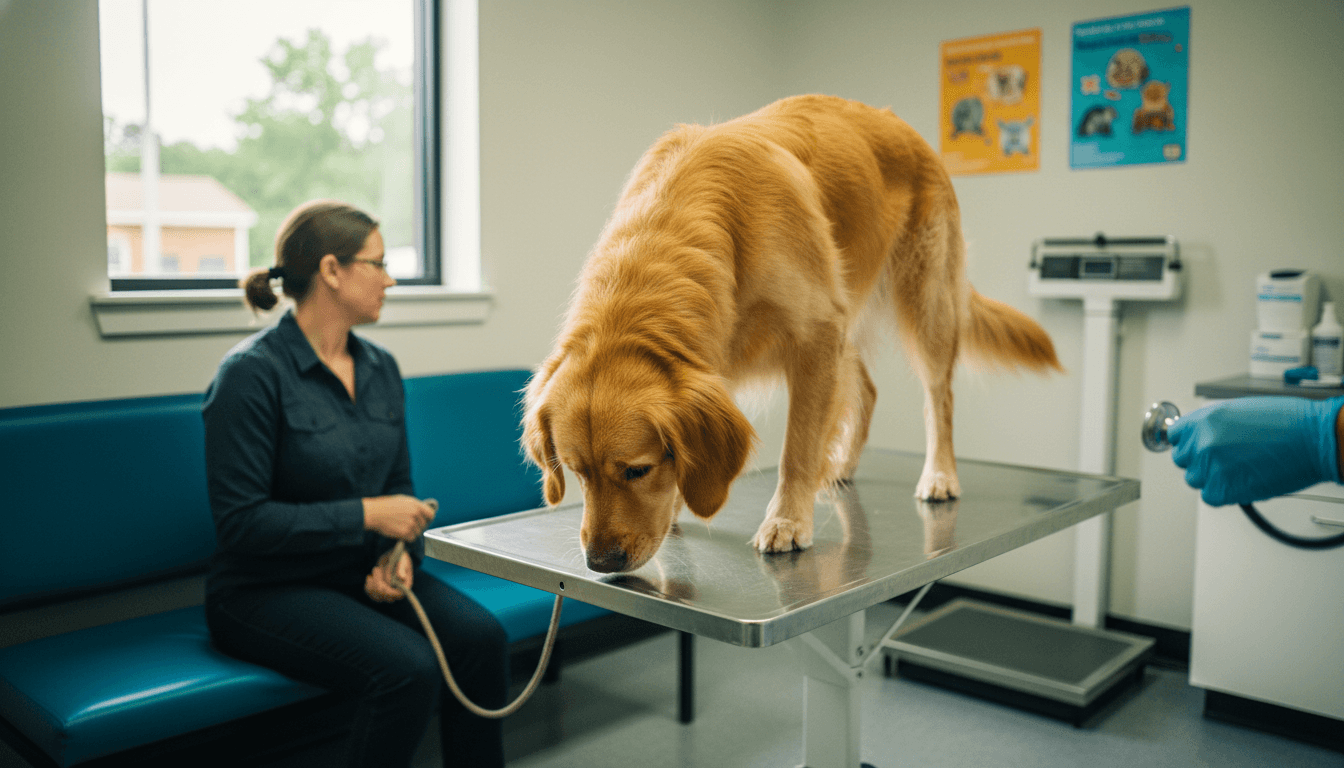

When your dog or cat suddenly seems unwell, hesitation can cost precious time. A simple plan helps you stay calm, spot warning signs, and head to the right clinic faster. Knowing how urgent care works can make a stressful night feel more manageable.
Pets have a talent for getting sick or injured at the worst possible moment, which is why it helps to plan before anything goes wrong. If you already know how to find an affordable emergency vet near you in Texas, you can spend less time searching and more time helping your pet. UrgentVet is a trusted after-hours emergency vet alternative, offering fast, affordable same-day veterinary urgent care for pets, because your pet can’t wait to feel better. That preparation matters whether your dog is limping after a park outing, your cat is hiding and refusing dinner, or a problem starts after your regular clinic has closed. A little forethought can turn panic into action and help you make better choices when minutes matter.
Know Which Signs Need Same Day Care
Some symptoms should push you to seek help right away instead of waiting until morning. Trouble breathing, repeated vomiting, collapse, seizures, heavy bleeding, or severe pain all deserve prompt attention. So do swollen bellies, pale gums, sudden weakness, and injuries after a fall or fight. Cats often hide illness longer than dogs, so a cat that will not eat, cannot stand, or seems strangely withdrawn may be sicker than it looks. If your pet changes quickly and you cannot explain why, it is safer to call than to watch and hope.
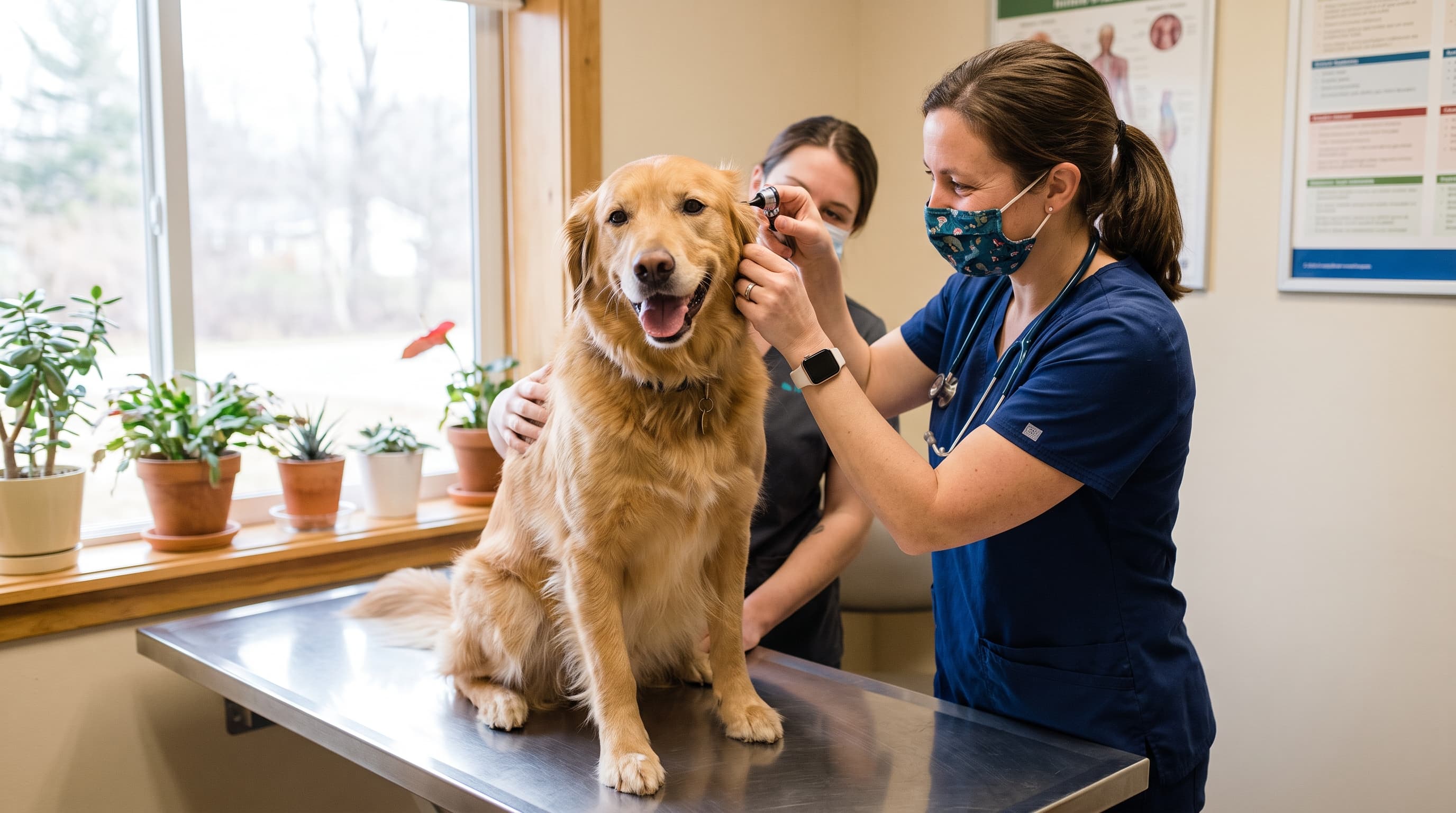
Not every problem is life threatening, but plenty still need urgent care. Ear infections, paw wounds, limping, eye irritation, allergic reactions, and urinary issues can worsen fast and become harder to treat. Puppies, kittens, senior pets, and animals with chronic conditions often decline more quickly than healthy, fully grown pets. Breed can matter too, especially for flat faced dogs with breathing trouble or large deep chested dogs at risk for bloat. Trust what you know about your pet, because owners usually notice subtle warning signs first.
Pick the Right Clinic Before You Need One
The smartest time to research pet urgent care is when nothing is wrong. Ask your regular veterinarian where they recommend you go on evenings, weekends, and holidays, then save those numbers in your phone. Check the distance from your home, work, and the places your dog spends time most often. Find out whether each location handles non life threatening urgent issues, overnight monitoring, surgery, or only basic stabilization. Those details matter when you need quick stitches for a paw cut or more advanced support for a serious condition.
You should also know how a clinic operates before stress clouds your judgment. Some facilities want you to call ahead from the parking lot, while others bring critical cases inside immediately for triage. Ask about payment expectations, pet insurance, and whether treatment estimates are discussed before care begins. Recent reviews can help if you focus on practical details like communication, wait times, and follow up rather than emotion alone. If you live far from a city, keep both a primary option and a backup hospital in mind so you are not scrambling for directions during a crisis.
Make the Trip Safer and More Efficient
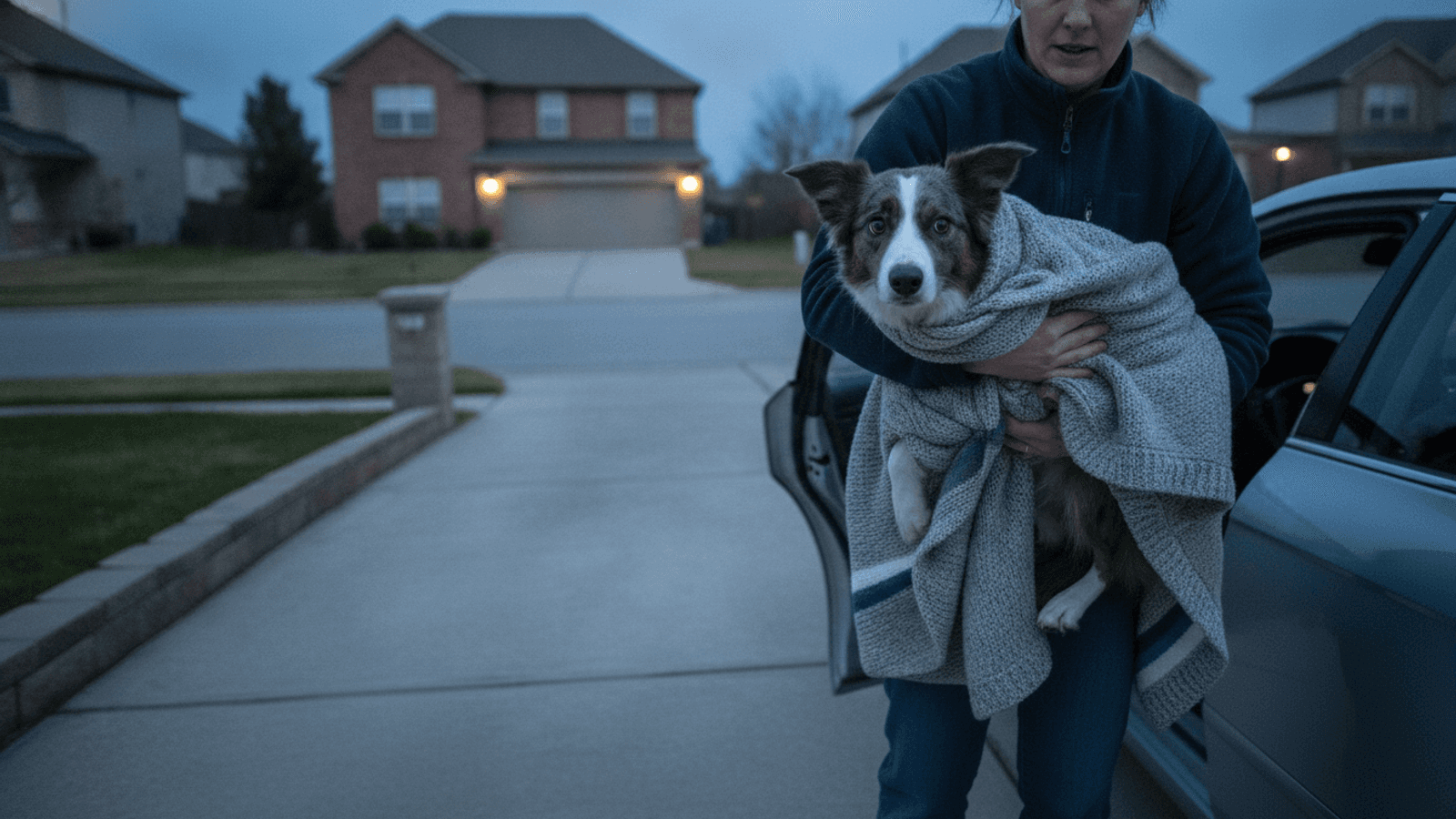
Once you decide to go, your own calm can help your pet stay steadier. Move your dog or cat carefully, and use a carrier, crate, towel, or blanket when needed to prevent escape and reduce injury. A scared pet may bite even if they are normally gentle, so protect your hands and avoid putting your face close. Call before you arrive so the staff can prepare for the symptoms you are seeing and tell you if they want you to do anything on the way. Clear details about when the problem started, what your pet ate, and how they are acting can save valuable time.
Bring anything that may help the team assess the situation quickly. Medication lists, vaccine history, records of chronic illness, and the packaging from anything your pet swallowed can all be useful. Videos of coughing, stumbling, or seizure activity also help when symptoms stop before you reach the clinic. In many after hours situations, teams such as UrgentVet can guide owners on whether a case fits urgent care or needs a full emergency hospital instead. Getting pointed in the right direction first can spare your pet extra stress and shorten the path to treatment.
Support a Smoother Recovery at Home
The visit is only part of the job, because healing often depends on what happens after you leave. Read the discharge paperwork carefully and ask questions before driving home if any instruction seems unclear. Make sure everyone in your household understands medication timing, feeding directions, activity limits, and the signs that mean you should return. Setting alarms for doses and check ins can prevent mistakes during a stressful first night. Quiet rest, fresh water, and close observation will tell you whether your pet is improving as expected.
Follow up with your regular veterinarian whenever the urgent care team recommends it, especially after injuries, infections, digestive upset, or unexplained pain. Keep test results, invoices, and treatment notes together so future visits are easier to coordinate. It also helps to review the experience once things settle down and update your emergency plan with what you learned. You may decide to keep a carrier by the door, a leash in the car, or records stored where everyone can find them fast. Better preparation now means less confusion the next time your pet needs you to act quickly.