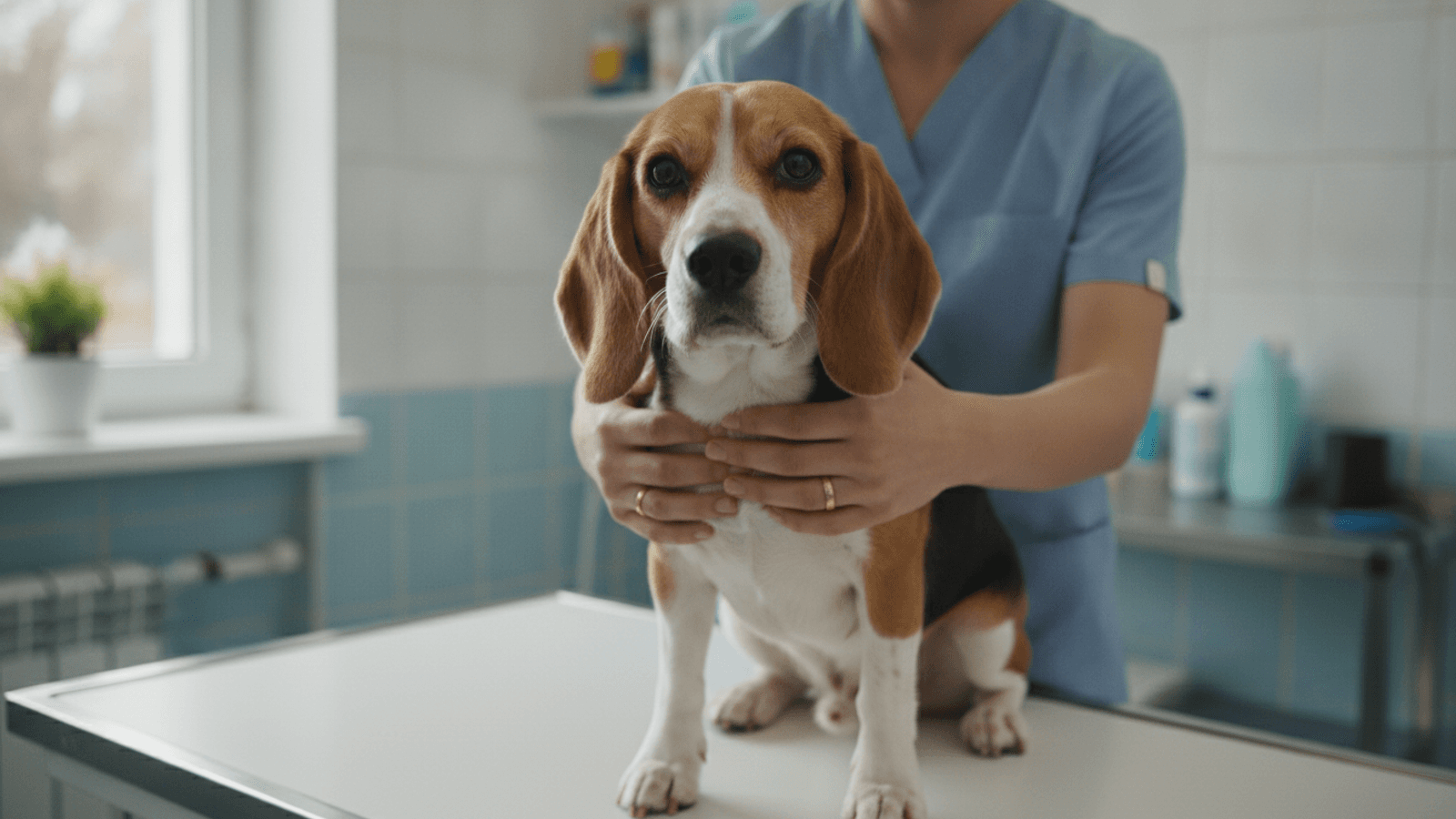

When your pet gets sick or injured without warning, clear choices matter. Knowing where to go can save time, lower stress, and help your dog or cat get care faster. A little planning now can make a hard day more manageable.
No pet owner wants to face a midnight limp, sudden vomiting, or a painful ear infection, yet these problems happen all the time. If you already know your options for veterinary urgent care for dogs and cats in Virginia, you can spend less time searching and more time helping your pet stay calm. UrgentVet is a trusted after-hours emergency vet alternative, offering fast, affordable same-day veterinary urgent care for pets, because your pet can’t wait to feel better. It also helps to understand which symptoms fit urgent care and which need an emergency hospital right away. That simple distinction can shape every next step.
Recognize When Care Cannot Wait
Some symptoms should push you to act right away instead of waiting for your regular veterinarian to open. Trouble breathing, repeated seizures, collapse, major bleeding, or a bloated abdomen with unsuccessful retching all need immediate medical attention. Cats may hide when they are in pain, and dogs may try to stay close while acting strangely quiet, so behavior changes can matter as much as obvious injuries. If your pet suddenly seems weak, disoriented, or unable to get comfortable, treat that shift as important. Fast action can keep a serious problem from becoming far more dangerous.
Other issues may not look dramatic at first, but they still deserve same day evaluation. Repeated vomiting, diarrhea, limping, eye irritation, allergic reactions, bite wounds, and painful ears can all worsen quickly if ignored. A pet who ate medication, chocolate, grapes, xylitol, or a foreign object should be assessed promptly, even before symptoms appear. Waiting to see what happens can reduce treatment options and make recovery harder. When you are unsure, calling a clinic for guidance is often the safest move.
Know the Difference Between Urgent and Emergency
Urgent care clinics and emergency hospitals both help sick pets, but they are not built for exactly the same cases. Urgent care is usually appropriate for conditions that need prompt treatment without signs of immediate collapse or severe instability. That can include vomiting, diarrhea, limping, minor wounds, skin problems, coughing, or mild dehydration. Emergency hospitals are the better choice for severe trauma, active seizures, poisoning with serious symptoms, breathing distress, or any condition that may need surgery without delay. Understanding that difference can save crucial minutes when your pet needs help.
Calling ahead is one of the smartest things you can do before getting in the car. Staff members can tell you whether the clinic is a good fit, whether your pet should go straight to an emergency hospital, and what to expect on arrival. You should also keep phone numbers, addresses, and hours for local options saved in your phone. Ask your regular veterinarian which after hours facilities they trust most and whether they share records electronically. Preparation done on a normal day is often what makes a stressful situation feel less chaotic.
Make the Visit Smoother for You and Your Pet
When you arrive for an urgent visit, the team will usually start with triage. That means they assess how sick your pet is and treat the most critical cases first, even if those pets came in later. Bring a current medication list, any history of allergies, and a summary of when the problem began if you can gather it quickly. A short video of coughing, wobbling, unusual breathing, or repeated vomiting can also be very helpful. Clear information helps the veterinary team make better decisions faster.
You should expect questions about recent meals, possible toxins, new medications, bathroom habits, and any changes in energy or behavior. Depending on the problem, the veterinarian may recommend X rays, bloodwork, urine testing, or wound care before discussing next steps. Many pets can be treated on site with fluids, pain control, anti nausea medication, ear treatment, or bandaging. Clinics such as UrgentVet are helpful when your dog or cat needs timely attention outside standard office hours for a non life threatening problem. If the team believes your pet needs surgery, intensive monitoring, or round the clock support, they may refer you to an emergency hospital.
Prepare Before the Next Unexpected Problem
You do not need a complicated plan to be better prepared for a pet health scare. Keep vaccination records, microchip details, medication lists, and your regular veterinarian’s contact information together in one easy place. A basic pet first aid kit with towels, gauze, a leash, and a sturdy carrier can also make a fast departure easier. If your pet hates car rides, practice short calm trips so travel is less frightening when something feels wrong. Small steps like these can help you respond with a steadier head.
Home safety also reduces the number of urgent visits many owners face each year. Store medications, cleaners, gum, raisins, and small chewable objects well out of reach. Check fences and gates, use a leash in unfamiliar places, and watch closely after rough play, falls, or hot weather walks. Pay attention to what is normal for your pet, including appetite, bathroom habits, sleep, and energy, because early changes are often your first warning sign. When you know both your pet and your local care options well, you can move faster when it matters most.