
When your pet gets sick or injured without warning, fast decisions can make a real difference. Knowing where to go helps you avoid delays, confusion, and extra stress. A little planning now can make a frightening situation easier to manage later.
Dogs and cats rarely pick convenient times for sudden health problems, which is why pet owners benefit from having a plan before they need one. If you already know how to find an UrgentVet location near you in North Carolina, you can move faster when your regular clinic is closed or fully booked. UrgentVet is a trusted after-hours emergency vet alternative, offering fast, affordable same-day veterinary urgent care for pets, because your pet can’t wait to feel better®. It also helps to understand which symptoms may fit urgent care and which signs point to a true emergency hospital visit. That kind of preparation can save time, reduce panic, and help your pet get support sooner.
Knowing When a Problem Cannot Wait
Some symptoms deserve immediate attention because they can worsen quickly or signal a serious underlying problem. Trouble breathing, collapse, repeated vomiting, seizures, heavy bleeding, or possible toxin exposure are all reasons to seek veterinary care right away. A dog with a swollen belly, intense pain, or sudden inability to stand should never be watched at home for long. Cats often hide illness, so open mouth breathing, straining in the litter box, or sudden weakness should raise concern quickly. If your pet seems disoriented, unusually quiet, or unable to walk normally, trust that change and act on it.
Less dramatic signs can still be urgent when they appear suddenly or persist for several hours. Pale gums, nonstop diarrhea, facial swelling, eye injuries, or refusal to drink after heat exposure may point to conditions that need prompt treatment. Waiting for symptoms to become obvious can lead to more discomfort and fewer options for easy care. If your pet may have eaten medication, chocolate, xylitol, grapes, or a foreign object, call for help before trying home remedies. Owners usually know when a behavior change feels wrong, and that instinct is worth taking seriously.
Understanding Urgent Care and Emergency Care
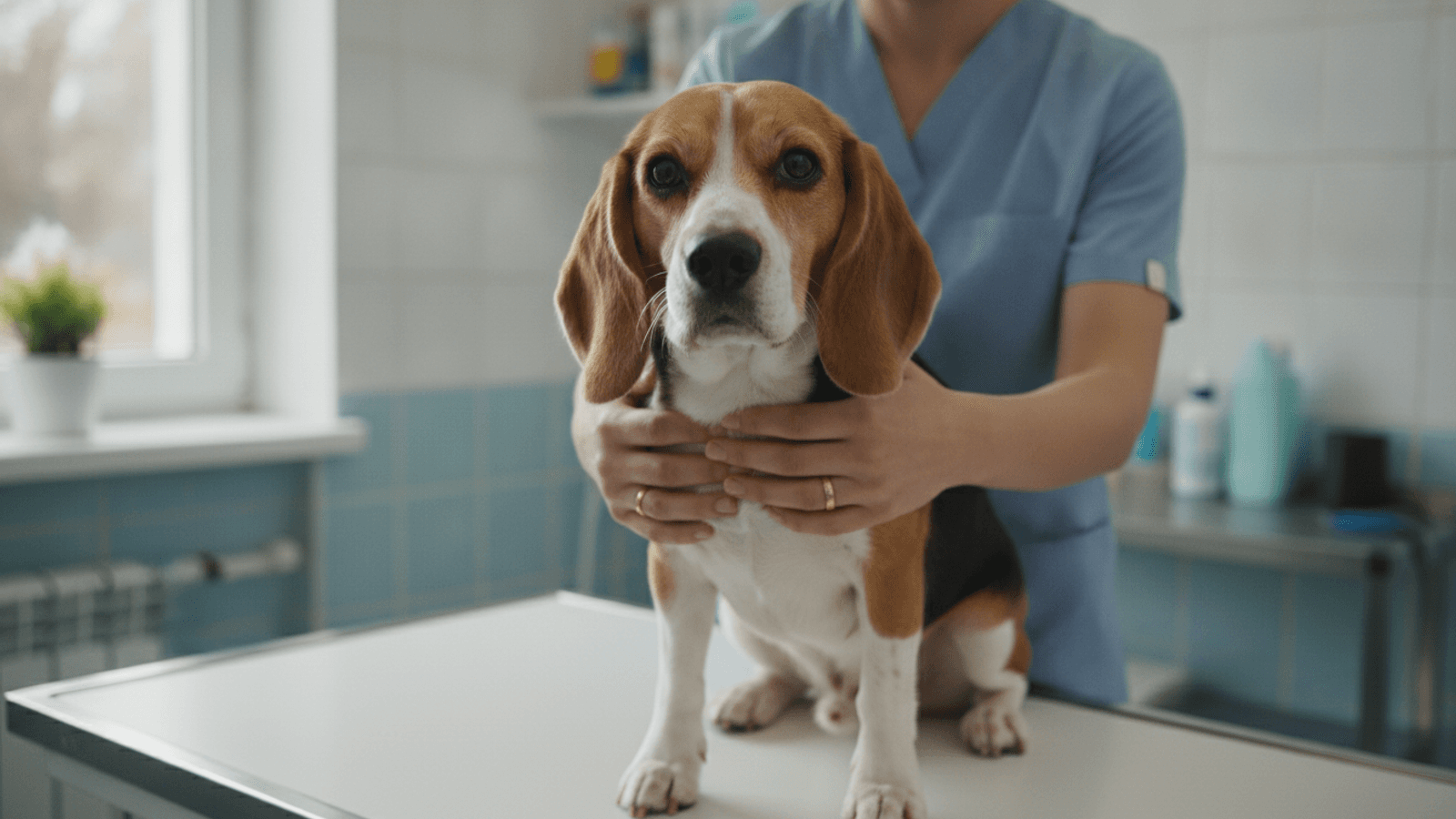
Urgent care clinics help with medical issues that need same day attention but are not clearly life threatening. That often includes limping, mild allergic reactions, skin problems, ear infections, stomach upset, minor wounds, or small bite injuries. These clinics can bridge the gap when your primary veterinarian is unavailable and you do not want to wait until the next business day. They may offer examinations, lab work, imaging, and treatment that can quickly clarify what is going on. For many families, that creates a practical option between routine care and the highest level of emergency services.
Emergency hospitals are designed for the most critical cases and for pets that may decline without rapid advanced treatment. Severe trauma, active seizures, shock, breathing distress, uncontrolled bleeding, and conditions that may require surgery belong in that setting. If your pet could suffer permanent harm or death without immediate intervention, an emergency hospital is the safer choice. In some situations, an urgent care team can stabilize your pet and then transfer them for more complex monitoring or procedures. Knowing the difference before a crisis helps you make a clearer decision under pressure.
Preparing Before You Ever Need to Leave Home
A good emergency plan starts with information that is easy to access in a rush. Save your regular veterinarian's number, the nearest urgent clinic, and the closest emergency hospital in your phone, and keep a written copy at home. Store vaccination records, current medications, allergy notes, and major diagnoses in one place so you can grab them quickly. Ask your vet during routine visits what after hours options they recommend in your area. Those small steps can shorten intake time and make it easier for the medical team to understand your pet's history.
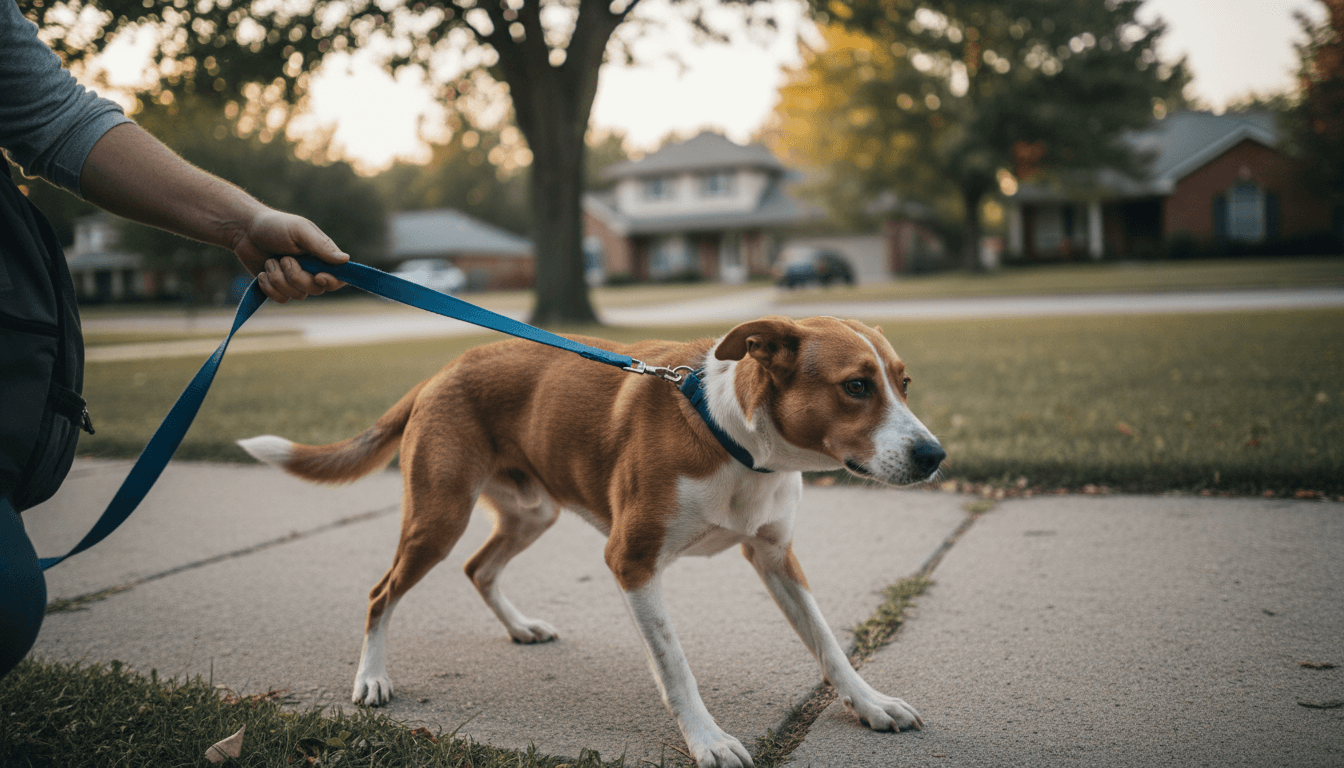
It also helps to keep basic supplies ready for a fast exit. A carrier, leash, towel, gauze, saline, and a blanket can be useful when your pet is frightened or in pain. Practice getting your dog into the car calmly and your cat into a carrier without turning the process into a chase. If you travel often or split time between homes, look up trusted clinics in advance, including UrgentVet if it serves the area you visit. Planning for transportation, payment, and who can help you leave quickly is just as useful as knowing the symptoms.
What to Do Once You Are on the Way
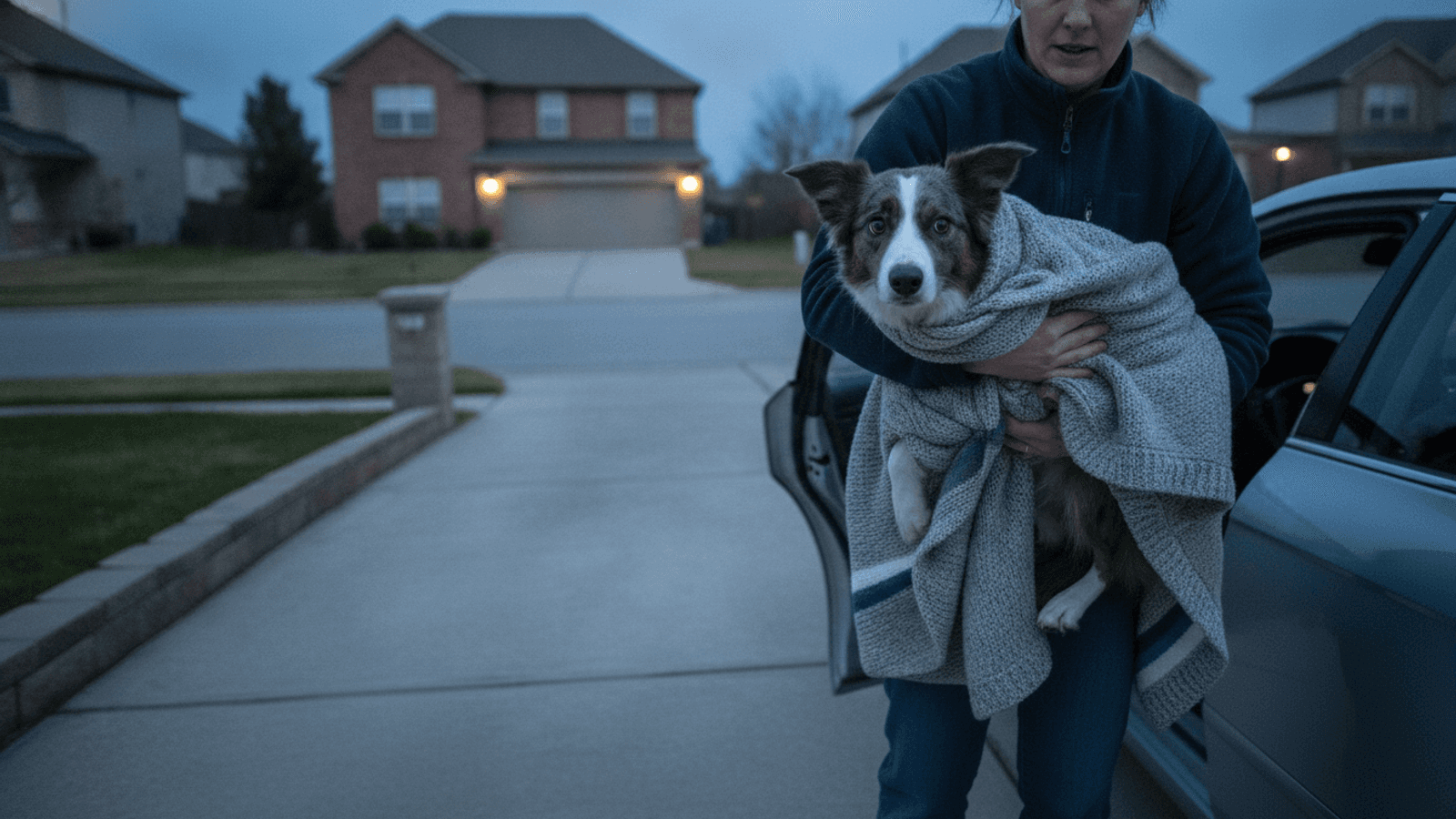
After you decide to go, focus on safety and clear communication. Call ahead if possible so the clinic can prepare and guide you on whether your pet should come in at once. Keep your pet quiet and as still as you reasonably can, especially after a fall, breathing issue, or suspected fracture. Use a carrier for cats and smaller dogs, and support larger dogs with a blanket or firm surface if movement appears painful. Do not offer food, medication, or internet remedies unless a veterinary professional specifically tells you to do so.
Try to remember when the problem began, what you noticed first, and whether your pet may have eaten or swallowed anything unusual. Bring medication bottles, packaging, stool photos, or anything else that could help explain the issue. Once you arrive, be direct about changes in appetite, bathroom habits, mobility, pain, and breathing. Clear details help the team separate a time sensitive urgent problem from a full emergency in less time. Good preparation will not prevent every scary moment, but it can help you feel less helpless when your pet needs you most.