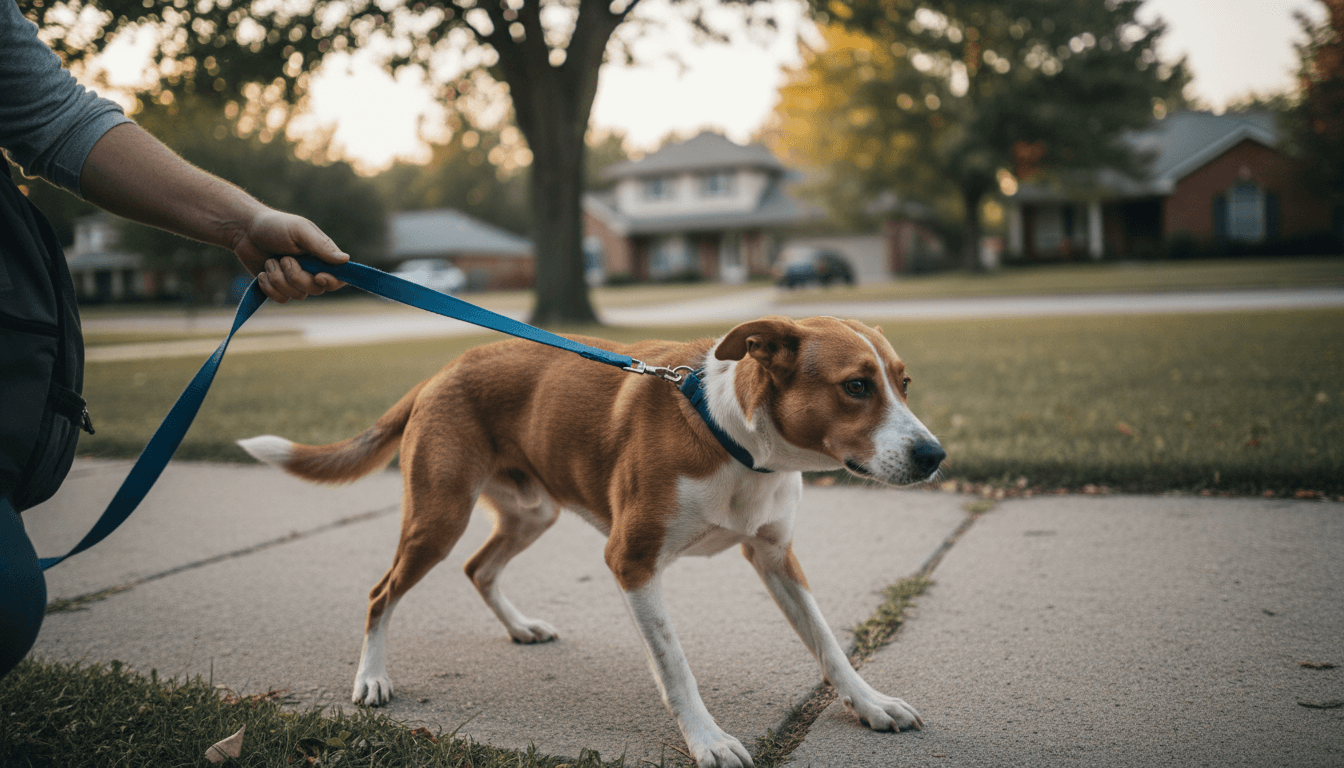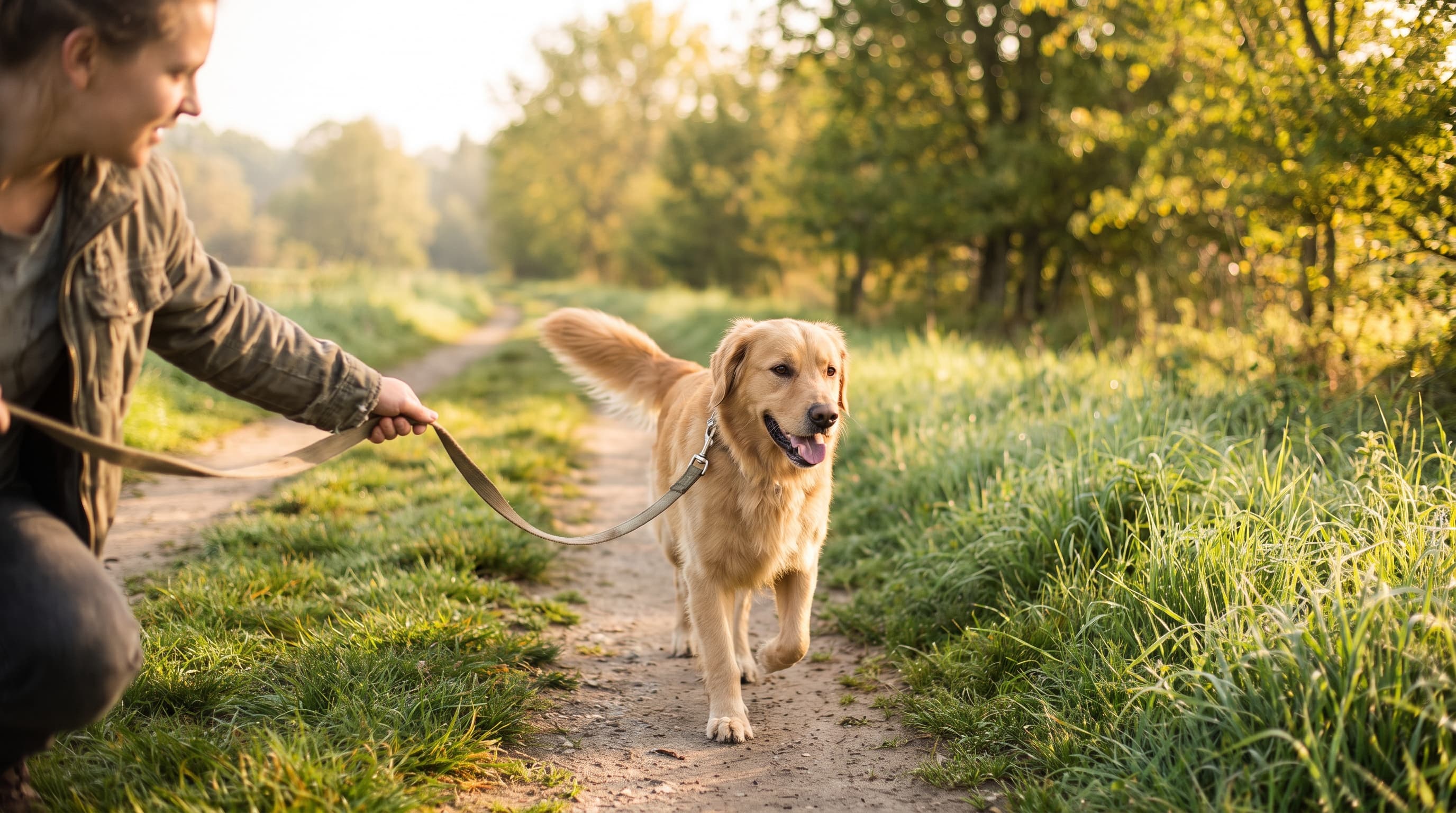
Early canine communication occurs through behavior prior to the emergence of physical symptoms. Often, a dog's response to their environment (e.g., interest in scents), their interaction with others (social responses), or their level of activity can be indicative of pain, neurologic deficits or organ dysfunction. Identifying early warning signs based on behavior will provide an opportunity for a timely health assessment and potentially avoid a crisis situation.
Behavior as a Diagnostic Tool
Aggressive Shifts in Familiar Interactions
A growl directed toward a familiar touch or family members is a clear indicator of pain. A sudden aggressive bite in dogs previously characterized by a friendly demeanor is indicative of hip dysplasia, dental abscesses or spinal problems. In addition, lead reactivity has been shown to triple with chronic musculoskeletal pain and this can be confirmed by administering analgesic trials before making any behavioral modifications.
Reluctance to Engage in Normal Activity
A reluctance to walk, climb stairs or wear a harness may indicate injury. Reluctant participation in activities a dog has enjoyed in the past are common indicator of ear infection, cracked teeth or tick borne diseases. More than likely what has appeared as disobedience will respond to antibiotics or pain relief medication within 48 hours.
Behavioral Changes Driven by Odor Investigation
Abnormal Smell Investigation
An abnormal increase in a dog's individual investigation of other people's smells (beyond a typical greeting) is an indication of cognitive decline, nausea or neurologic deficits. Dogs investigate changes in their owner's scent caused by hormonal fluctuations, dietary changes or prescription medications. The persistence of sniffing in senior dogs with associated head pressing or disorientation is characteristic.
Medical Causes of Excessive Scent Investigation
- Changes in thyroid hormone levels alter body odor.
- Dietary or gastrointestinal disturbances cause nausea leading to excessive investigation of scents.
- Lesion(s) in brain areas responsible for processing scents result in altered investigations.
- Persistent anal gland irritation results in intense investigation of scents.
The distinction between normal curiosity and compulsive sniffing is determined by duration of time spent investigating (i.e., >5 minutes). Schedule a pet consultation for a complete blood work panel and a thorough neurological examination.
Red Flags for Your Dog's Activity Level
Abnormal vs Normal Rest
Sleeping more than 18 hours a day in dogs could be a sign of anemia, infection or organ failure. Heart disease can limit a dog's ability to perform physical activity. Cancer robs your dog of their appetite and energy. Track your dog's step count each day. A drop in step count of 30% or more warrants a complete blood count (CBC).
Hyper-Active or Pacing
If your dog is restless, unable to settle down, or pacing at night, these are signs of pain, cognitive dysfunction, or hypertension. Cushing's disease can cause constant movement. A liver shunt can cause neurological agitation. Record video of your dog's behavior to send to a veterinarian for review.
Behavioral Signs of Appetite & Thirst
Refusal to Eat & Normal Stools
A dog may refuse to eat due to dental pain, pancreatitis, or kidney disease. If you notice your dog guarding an empty food bowl or licking their lips excessively, they may have nausea. If your dog loses more than 10% of their body weight, it is imperative to run chemistry panels immediately.
Behavioral Signs of Polydipsia
A dog drinking too much water — going to the water bowl repeatedly, having accidents inside the house, or constantly licking puddles — may have diabetes, Cushing's disease, or psychogenic polydipsia. Monitor how many times your dog goes back to the bowl to drink. If your dog doubles their normal water consumption, consider running a glucose curve.
Vocalization and Social Change
Increased Sensitivity to New Sounds
If your dog is reacting to normal noises (such as a vacuum cleaner or dropping something), they may be experiencing joint pain or an ear infection. Dogs that begin to exhibit thunder phobia later in life often have low thyroid levels.
Withdrawn from Their Pack
A social dog that ignores his owner's invitation to play or greeting is likely hiding some type of illness. Depression can accompany diabetes, hypothyroidism, or the onset of cancer. Track how much social interaction your dog has regularly; if it drops by 50% or more, it is worth a full senior screen.
Health Check Protocols
The Medical Workup Sequence
- Complete Blood Chemistry Panel: Tests organ function, electrolyte levels, and blood sugar.
- CBC Differential: Identifies infections, anemia, platelet counts, and white blood cell counts.
- Thyroid Function Test (T4/free T4): Assesses for hypothyroidism and hyperthyroidism.
- Urinalysis & Culture: Assesses kidney function and detects urinary tract infections.
- Radiographs (X-rays): Detects masses, determines heart size, and reveals lung problems.
Behavioral Observation Checklist
- Video record your dog for three consecutive days while exhibiting concerning behaviors.
- Record the number of times you refill water bowls and the volume of urine produced per day.
- Record the distance and duration of each walk for one week.
- Record how much time your dog spends sleeping vs. awake per day.
- Identify any changes in vocalization and any potential triggers.
Assessing Neurological and Pain Problems
Essential Gait Analysis
Video record your dog walking from multiple viewpoints to check for stiffness, head bobbing, or toe dragging — all of which can indicate cervical spine disease, Lyme disease, or cruciate ligament injury. An orthopedic veterinarian can confirm with joint laxity tests.
Screening for Cognitive Dysfunction
Does your dog get disoriented at doorways? Stare at walls? Show changes in sleep patterns? These may indicate cognitive dysfunction. An MRI can help differentiate cognitive dysfunction from a brain tumor. When diagnosed early, treatment with anxiolytic medications and antioxidant nutrients can prevent further deterioration.
Conclusion
Behavioral changes serve as an early warning system for impending health crises in dogs. Any sudden shift — increased aggression, decreased activity, obsessive scent behavior, or social withdrawal — warrants a comprehensive diagnostic evaluation including bloodwork, imaging studies, and pain trials.
By recognizing these subtle changes, owners can intervene early and prevent further organ damage and suffering. Routine pet consultations turn unexplained behaviors into recognizable symptoms of treatable medical conditions. Your dog's changed behavior is a request for medical evaluation — responding quickly will restore the joy of companionship.