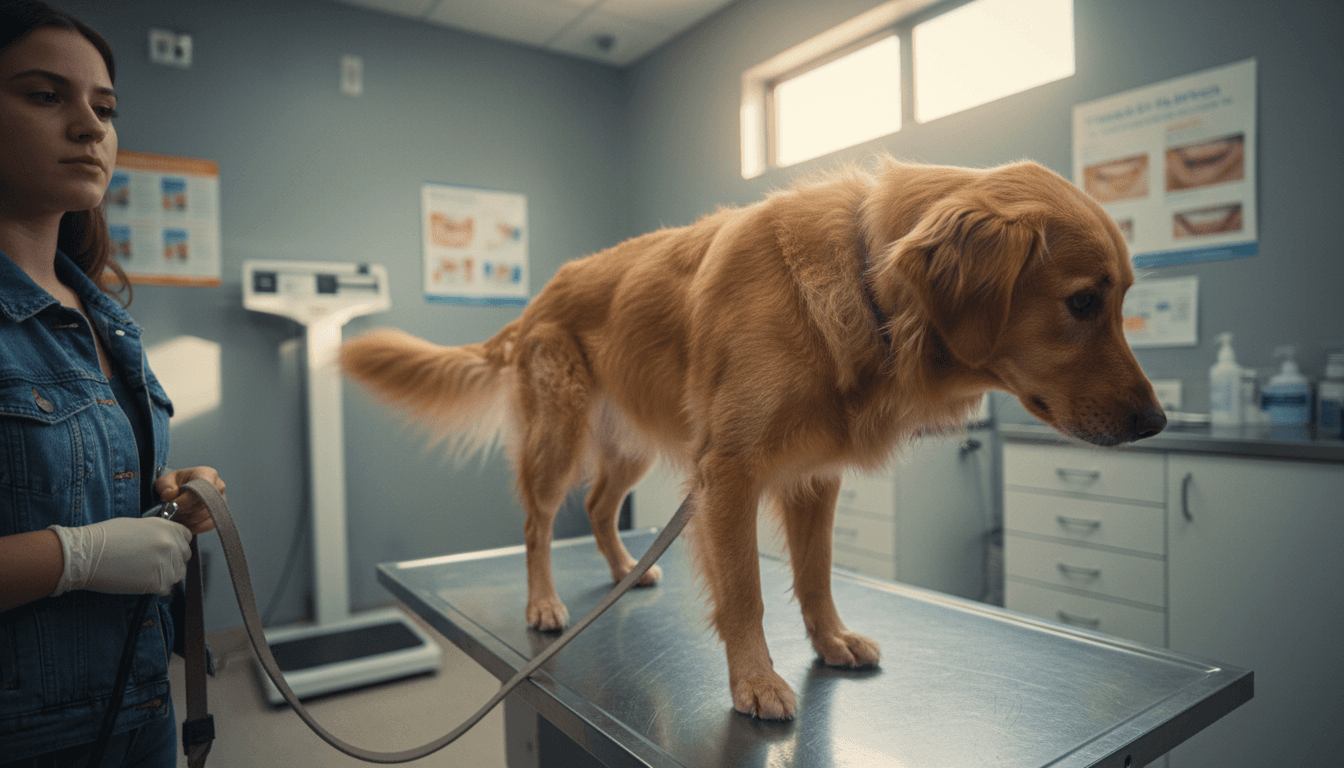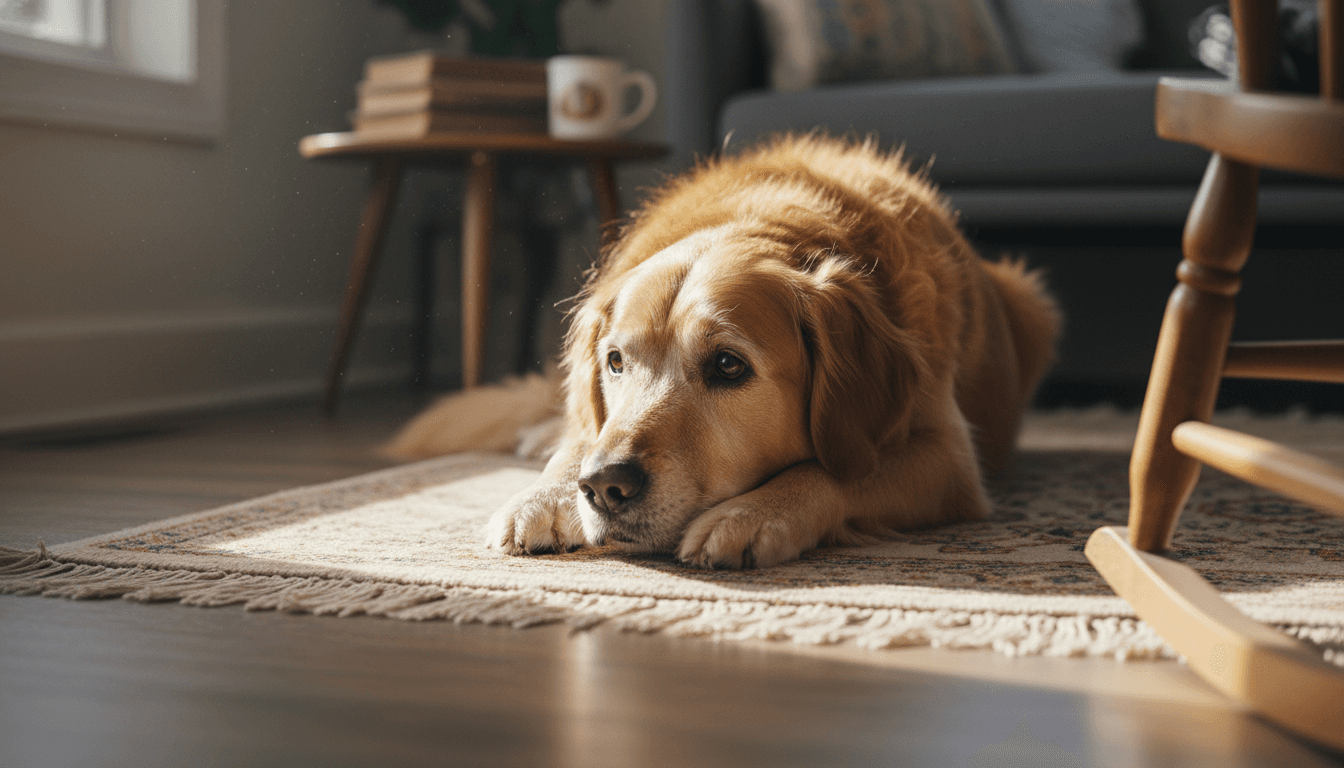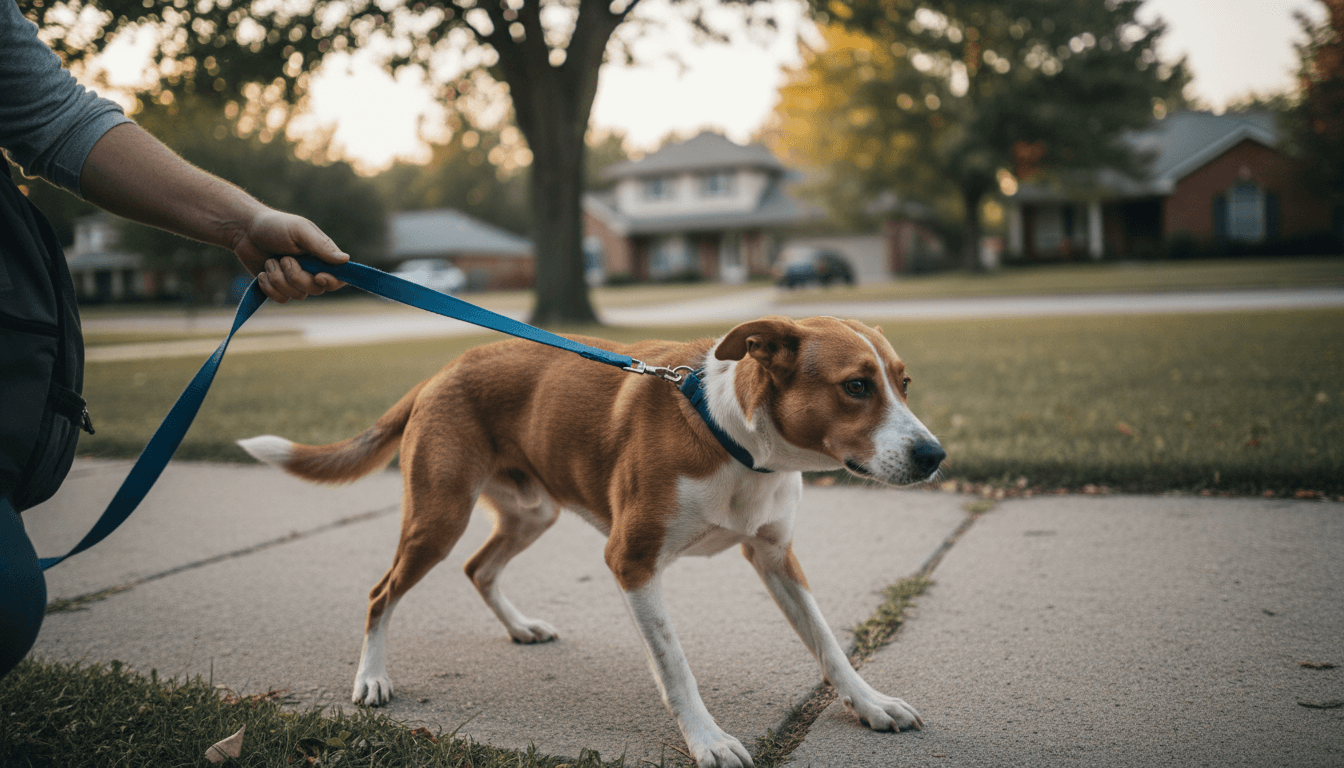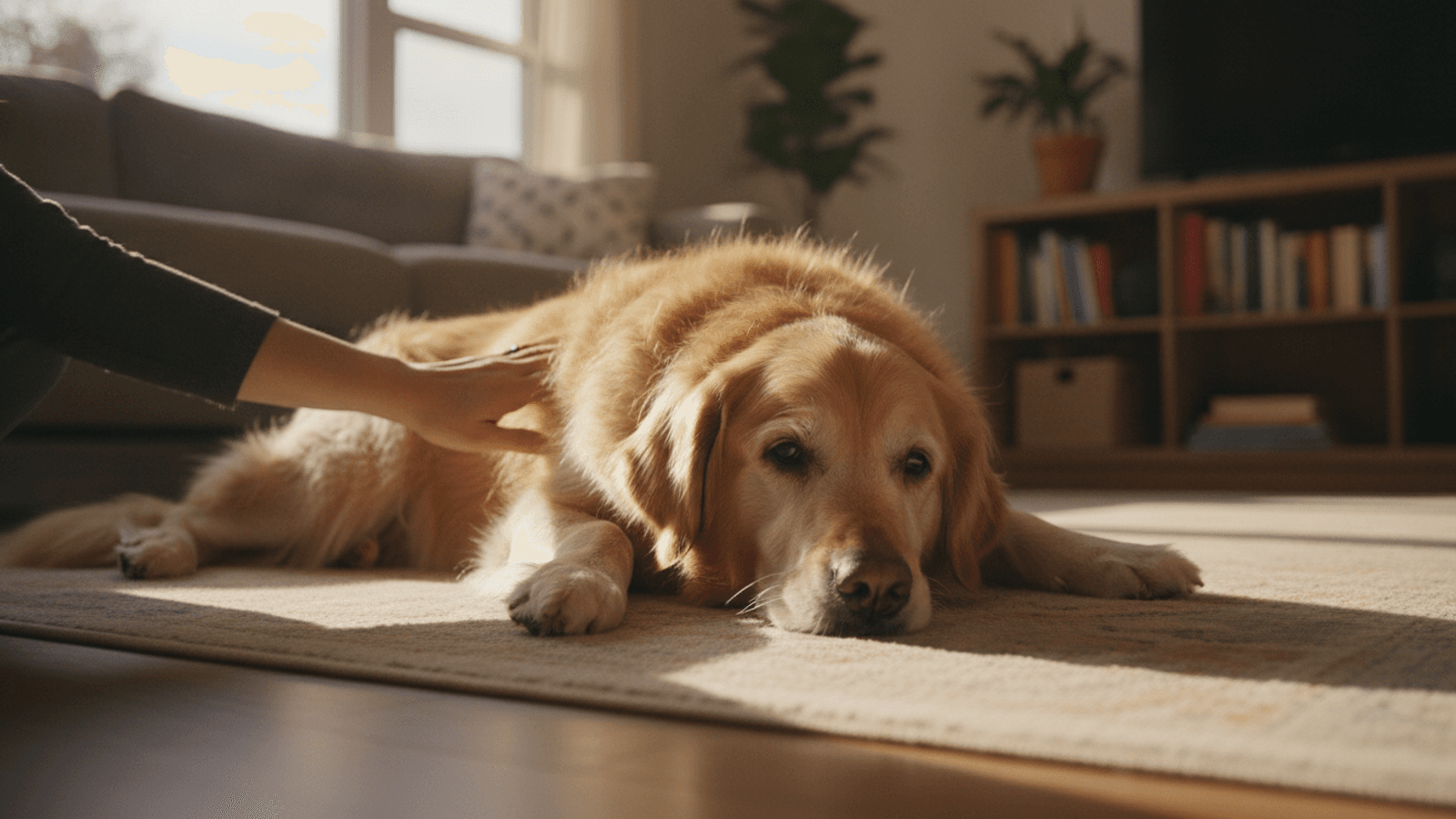

Most dogs are considered senior somewhere between 7 and 10 years old, though the exact age depends heavily on size. Large and giant breeds age faster and can be considered senior by 6, while small breeds may not hit that mark until 10 or later. What matters more than the number on the calendar is what actually changes day to day: activity, sleep, appetite, and how a dog moves through a normal afternoon.
Aging in dogs rarely announces itself. It shows up first in small, easy-to-miss ways, and those early changes are exactly what a pet parent has the best chance of catching at home. Maven Pet, a vet-co-created, clinically validated health monitoring system, has a dedicated senior dog care resource that walks through this stage in more depth, and its dog health tracker is built specifically to catch the kind of daily pattern shifts covered here.
The Signs That Actually Matter
A senior dog doesn’t usually go from fine to unwell overnight. The shift tends to be gradual, which is part of what makes it hard to notice in the moment. A few patterns worth paying attention to:
Activity that tapers off. A dog who used to greet every walk with enthusiasm and now hangs back, takes more breaks, or seems stiff getting up from a nap is telling you something. So is a dog who used to play for twenty minutes and now taps out after five.
Sleep that shifts. Older dogs generally sleep more, but restlessness at night, more frequent waking, or pacing before settling down can point to discomfort, anxiety, or an underlying condition rather than simple tiredness.
Water intake that changes. Drinking noticeably more or less than usual is one of the more reliable early indicators vets ask owners to track, since it can be tied to kidney function, diabetes, or hormonal conditions that become more common with age. (For a refresher on what normal hydration looks like, see our guide on how long dogs can go without water.)
Scratching or licking that increases. Skin sensitivity and allergies often shift as dogs get older, and a senior dog who suddenly seems itchier than usual is worth a closer look, even if nothing seems visibly wrong.
Weight and body condition. Both weight gain and weight loss deserve attention in an older dog. A softer waistline can mean reduced activity outpacing food intake — sometimes a sign it’s time to rethink what you’re feeding your senior dog. Sudden loss can mean something else is going on entirely.
None of these signs are alarming on their own. What matters is whether they represent a real change from that particular dog’s normal pattern, which is a lot easier to notice when you have something to compare against. And not every change is physical — we’ve written before about behavior changes in senior dogs and what they can mean.
You Do Not Need a GPS Collar for This
When people hear “wearable for dogs,” the first thing that usually comes to mind is a GPS collar — something built to answer “where is my dog?” That’s a useful category for a dog who bolts at the sight of an open gate, but it has almost nothing to do with the questions that actually matter for a senior dog’s health.
Caring for an aging dog is less about location and more about pattern. Is she sleeping through the night the way she used to? Is he drinking more water than last month? Has activity quietly dropped over the past few weeks in a way that’s easy to miss day by day but obvious over time? A location tracker cannot answer any of that. Pet parents looking to actually stay ahead of age-related changes should be looking at health monitoring wearables — a different category built around vitals and behavior, not GPS pings.
Where Maven Pet Fits In
As a vet-co-created, clinically validated health monitoring system, Maven Pet is built for exactly this kind of tracking. It is not a GPS tracker, a telehealth service, or a basic fitness gadget. The sensor attaches to a dog’s existing collar and continuously monitors activity, sleep, resting respiratory rate, heart rate, scratching behavior, and water intake, then compares each measurement against that individual dog’s own baseline rather than a generic breed average.
That baseline is what makes the difference for a senior dog. A three-day dip in activity might mean nothing for a two-year-old Labrador who just had a lazy weekend. The same dip in an eleven-year-old dog with a known joint issue is worth a conversation with a vet. One Maven customer described using the app to track two senior border collies, both managing their own chronic conditions, and said it helped her feel better equipped to support them through their older years — catching overexertion before it became a problem and noticing sleep changes she wouldn’t have otherwise picked up on.
Maven does not diagnose anything. It gives a pet parent a clearer, more consistent picture of what “normal” looks like for their specific dog, so that when something shifts, there is actual data to bring to the vet instead of a vague sense that something feels different.
What to Actually Do With This
If your dog is entering the senior years, or already there, the most useful thing you can do is establish what normal looks like now, while things are stable. That means paying attention to activity, sleep, water intake, and skin and coat condition on a regular basis, not just when something seems off.
A dog health tracker can make that easier by doing the observing for you, continuously, in the background. And if you’re comparing options, remember that a pet health tracker built around vitals and behavior is answering a different question than a GPS collar built around location. For a senior dog, the vitals question is usually the one that matters.
When in doubt, bring what you’ve noticed to your vet. The goal isn’t to replace that relationship. It’s to walk into the appointment with more than a feeling that something has changed.