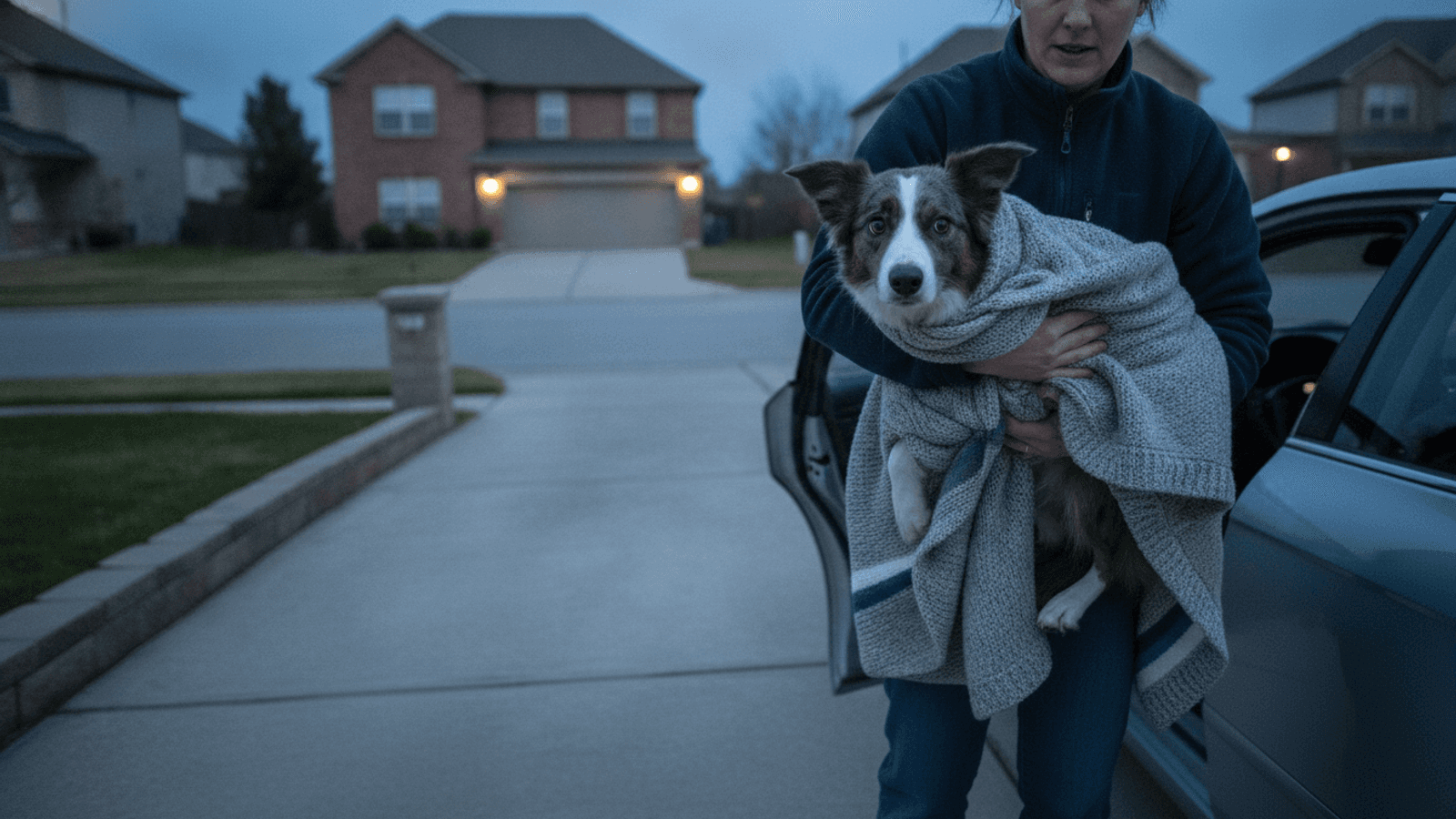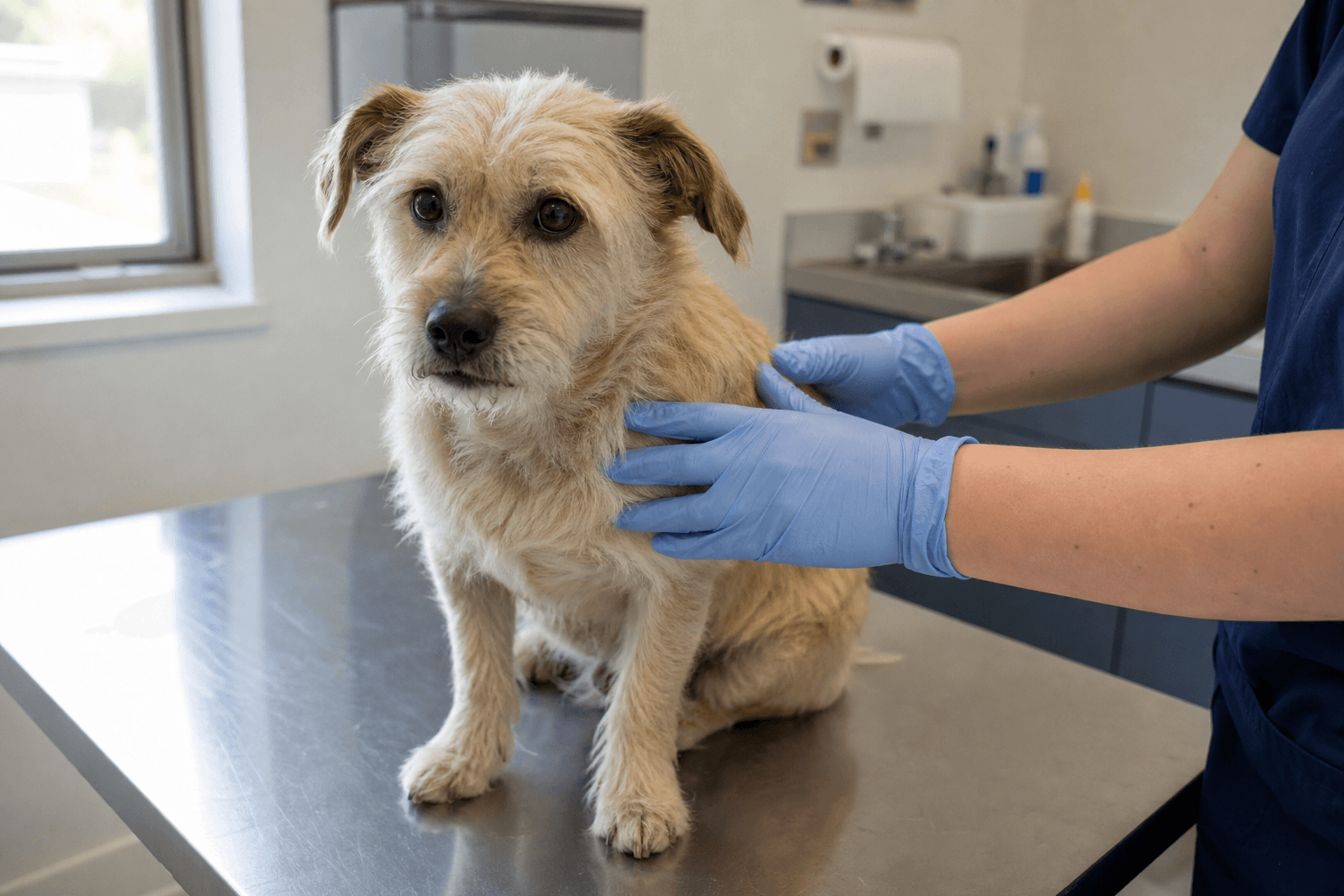
Surprises in your pet’s health can strike when least expected, including outside regular veterinary hours. Recognizing which situations require prompt attention can help you stay calm and make informed choices, and knowing what to watch for improves outcomes if an urgent need arises.
Even the healthiest pets can face unexpected accidents or illnesses after hours, leaving you to decide whether a late-night trip is required. It helps to understand which common scenarios demand swift action and which can safely wait for routine care. Walk-in, open-late emergency pet care is an important option for timely veterinary help outside standard appointment times. Being able to recognize urgent situations ensures pets receive prompt attention, supporting their comfort and recovery.
Understanding the Difference Between Urgent and Emergency Care
Not all health problems demand the same level of immediate attention. Urgent care is typically suitable for situations where prompt but not life-saving intervention is needed, offering a practical alternative to 24/7 emergency clinics and general practice visits.
Emergency care is reserved for life-threatening symptoms where every second counts. These include collapse, trouble breathing, uncontrolled bleeding, or suspected poisoning. Determining which level of care your pet needs can prevent unnecessary stress and expense while still protecting your pet’s wellbeing.
Accidents and Injuries That Often Need Fast Attention
Cuts, punctures, and torn nails are common accidents in dogs and cats, especially those who are active or explore new environments. Even wounds that seem minor may need professional cleaning and treatment to prevent infection and promote healing.
Limping, sudden pain, or an unwillingness to put weight on a leg may signal a sprain, strain, or soft-tissue injury. In some cases, underlying joint issues or hairline fractures can also be to blame, so it is important to act quickly if rest does not improve symptoms.
Falls, jumps from high places, or rough play can lead to bruising, twisted limbs, and suspected minor fractures. When you notice distress or persistent limping after such an incident, a veterinary assessment is recommended to rule out more serious damage. In these moments, UrgentVet provides after-hours veterinary urgent care for pets beyond typical clinic hours.
Pain often shows up as subtle signs in pets, such as whining or reluctance to move. Observing these behaviors helps you communicate concerns clearly to the care team and supports timely intervention.
Sudden Illnesses and Warning Signs That Can Escalate
Vomiting and diarrhea are frequent reasons for urgent visits, especially when accompanied by lethargy, dehydration, or lack of appetite. Many causes, including dietary indiscretions and infections, can be managed without hospitalization if addressed promptly.
Allergic reactions can show up as facial swelling, hives, or sudden itchiness. Early intervention can reduce discomfort and stop progression to more severe reactions, which may affect breathing or circulation.
Painful ear infections sometimes worsen overnight, leading to increased head shaking, scratching, and distress. Seeking prompt care helps manage discomfort and prevents secondary complications such as deeper ear damage or balance issues.
Eye issues such as squinting, redness, discharge, or sudden cloudiness should never be ignored. Rapid intervention is vital to minimize discomfort and preserve vision, as some conditions can deteriorate quickly without treatment.
Changes in urination, including frequent attempts, straining, accidents indoors, or visible pain, can indicate urinary tract infections, blockages, or bladder stones. Male cats are especially at risk of life-threatening urinary obstruction, making immediate assessment important when these signs appear.
Red-Flag Symptoms That Require Immediate Response
Certain changes in your pet’s health mean waiting is never an option. Struggling to breathe, collapse, seizures, pale or blue gums, uncontrolled bleeding, severe bloating, or suspected poison exposure are all emergencies needing rapid action.
These symptoms may develop suddenly and intensify within minutes or hours. Recognizing them quickly and getting help from experienced professionals minimizes suffering and can be life-saving.
Some emergencies overlap with issues seen in urgent care, but the symptoms are more severe or widespread. Knowing the difference between a minor limp and one accompanied by crying and swelling, for example, ensures timely escalation to the right level of care.
Prepared pet owners can communicate symptoms effectively. Bringing notes, photos, or a symptom diary helps staff make accurate assessments and speeds up the triage process.
Making After-Hours Veterinary Care More Effective
Before arriving for after-hours help, record when symptoms started, potential causes you have observed, and any treatments you have tried at home. Bringing a list of medications, photos of wounds or behavior, and details about chronic illnesses helps the clinic understand your pet’s history.
Triage is the first step during an urgent visit. Staff assess severity and prioritize the most serious cases. Exams, basic diagnostics such as X-rays or lab work, and pain management follow, with clear discharge instructions to support continued recovery at home.
Having a transport plan, a stocked pet first-aid kit, and your vet’s contact details on hand can save time during urgent moments. Practicing calm decision-making, knowing common scenarios, and staying alert to warning signs make after-hours care clearer and safer for your pet.
After-hours urgent care clinics provide an important lower-cost alternative to the ER for situations where waiting is unsafe but full emergency services are not essential. You can expect professional guidance focused on comfort and recovery, helping you avoid unnecessary stress while keeping your pet safe.
Proactive steps reduce the risk of emergencies and help you respond confidently. Pet-proofing your home, using leashes and secure yards, knowing which foods and substances are toxic, and keeping veterinary records up to date are all valuable ways to prepare.