
A coyote dog, or "coydog," is a hybrid between a wild coyote and a domestic dog. These crosses are real and fertile, but genuinely rare — coyotes and dogs breed on different seasonal schedules, so most coydogs are deliberately bred by people rather than born in the wild. They tend to be shy, high-energy, and unpredictable, which makes them poor pets and legal in only some states.
What Is a Coyote Dog (Coydog)?
A coydog is the offspring of a male coyote and a female domestic dog. Flip the parents — a male dog and a female coyote — and the cross is instead nicknamed a "dogote" or "doyote." Both are true first-generation (F1) hybrids of two closely related canids, and unlike some animal hybrids, they're fully fertile. According to the reference literature on coydogs, hybrids of both sexes can be successfully bred through at least four generations.
Coyotes (Canis latrans) and domestic dogs (Canis familiaris) share enough DNA to interbreed, along with wolves and jackals in the same genus. That biological compatibility is why coydogs exist at all — but as we'll see, compatibility on paper doesn't translate to common crossings in the wild.
Are Coyote Dog Hybrids Real — and How Common Are They?
They're real, but far less common than internet lore suggests. Coyotes and domestic dogs have shared the same continent for roughly 9,000 years, yet natural hybridization stays uncommon. The Urban Coyote Research Project lays out why several biological barriers get in the way:
- Mismatched breeding seasons. Coyotes are highly seasonal breeders with a narrow winter window; dogs are not. A coydog female's estrus cycle is also shifted so it doesn't line up with the coyote breeding period.
- Missing paternal care. Male coyotes help raise their pups, while male dogs and coydogs typically don't — a gap that lowers hybrid pup survival in the wild.
- Reduced fertility. Coydogs can have lower fertility than either purebred parent, making self-sustaining wild hybrid populations unlikely.
The field data backs this up: genetic surveys of wild coyotes generally show little dog ancestry, and one Ohio study cited in the coydog literature found only about 2.6% of wild canids were coydogs, with higher rates only where coyote populations were newly expanding and mates were scarce. In short, most "coydogs" you'll hear about were bred deliberately by humans, not produced by a backyard romance between a stray dog and a wild coyote.
What Does a Coyote Dog Look Like?
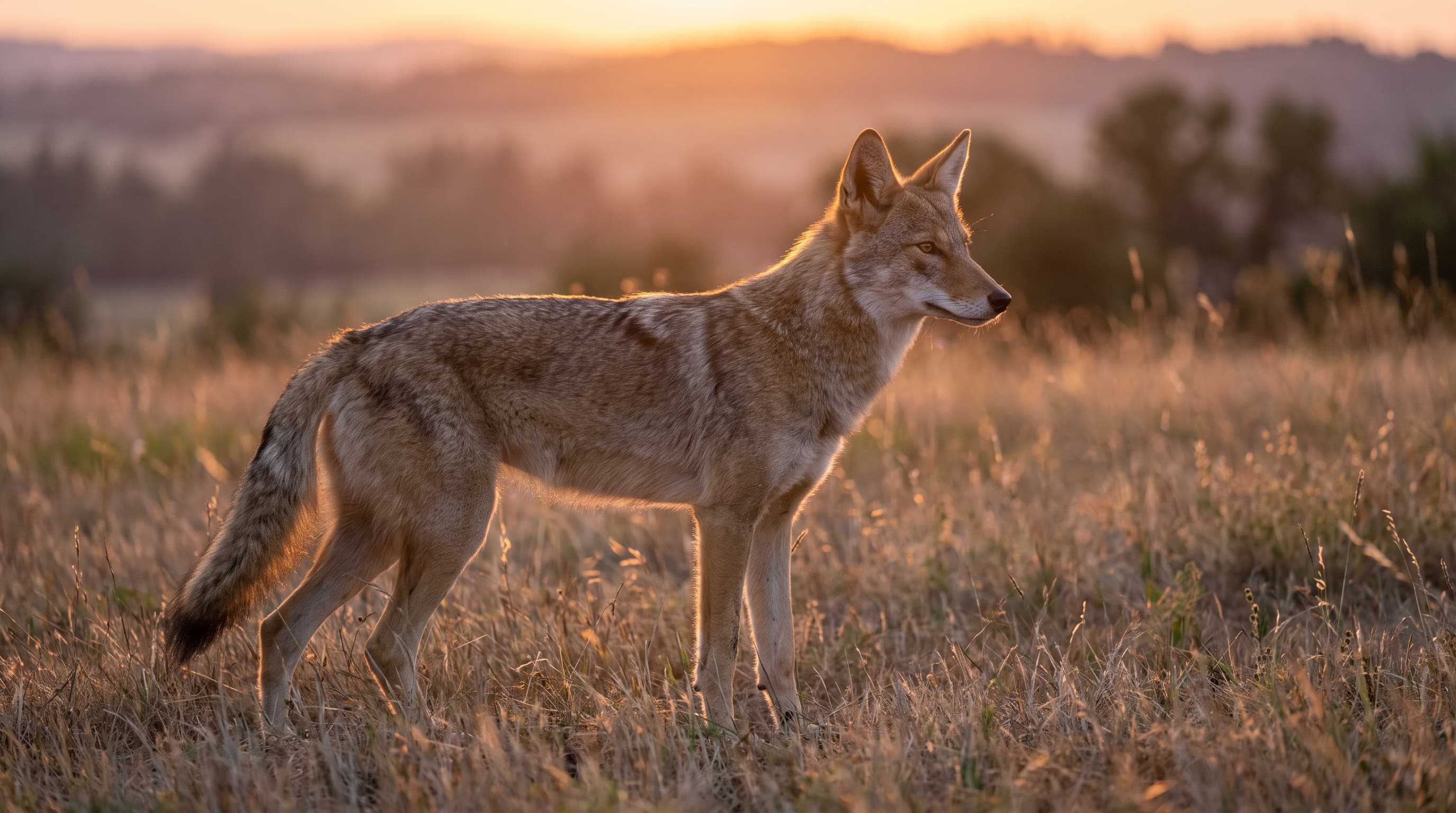
Appearance varies wildly depending on the dog parent's breed and the generation, but F1 coydogs often lean heavily coyote. Per the coydog reference, first-generation hybrids commonly keep the coyote's adult coat color, a dark puppy coat, a bushy tail with an active scent (supracaudal) gland, and a pale facial mask. Later generations (F2 and beyond) show much more variation as dog genetics reshuffle.
Size depends on both parents. Coyotes themselves are medium canids: males average roughly 18–44 pounds and females 15–40 pounds, according to the overview of the coyote. Cross one with a larger dog breed and the resulting hybrid can be bigger, with a lean, athletic, wolfish build — long legs, a narrow muzzle, erect ears, and that signature bushy, low-carried tail. Many coydogs also howl like coyotes while retaining a dog's ability to bark.
Coyote Dog Temperament and Behavior
This is where the romance of owning a "half-wild" dog runs into reality. Coydogs frequently inherit their wild parent's wariness and edge. The coydog literature notes that in captivity, F1 hybrids tend to be more mischievous and harder to manage as pups than ordinary dogs, and both F1 and F2 hybrids resemble coyotes in their shyness and same-sex (intrasexual) aggression.
Practically, that can translate into a skittish, intensely energetic animal that bonds selectively, spooks easily around strangers, and needs enormous mental and physical stimulation. Strong prey drive is common, which can make coydogs risky around cats, small dogs, and small children. Their intelligence is real, but it's paired with independence and a low tolerance for the kind of routine, biddable obedience most family dogs offer. Timing matters too: seasonal hormone surges inherited from the coyote side can make behavior less predictable at certain times of year.
Can You Own a Coyote Dog as a Pet?
You can in some places — but for most households, you shouldn't. Legally, coydogs occupy a gray zone. Some U.S. states and municipalities classify coyote hybrids as wild animals and either ban private ownership outright or require special permits, while others regulate them like wolfdogs. Rules can change at the city and county level, so ownership that's legal one town over may be illegal where you live. Always verify current local and state law before even considering one.
Beyond legality, there are hard practical problems. Rabies vaccines are only approved and tested for domestic dogs, so if a coydog bites someone, authorities may not recognize its vaccination as valid — a serious liability that can end with the animal being euthanized for testing. Coydogs also need secure, tall, often dig-proof enclosures, experienced handling, and a lifestyle few families can provide. Most rescues and wildlife experts strongly discourage keeping them as pets. If you love the wild-canid look, you're far better served by a domestic breed that resembles one.
Coyote Dog Look-Alikes That Make Better Companions
Want the rugged, wolfish aesthetic without the wild-animal baggage? Several fully domestic breeds deliver the look and the drive while remaining trainable and legal to own. Northern and primitive-type breeds are your friends here — think spitz-type dogs with erect ears, thick coats, and athletic frames. If that's the vibe you're after, explore our guides to the Alaskan Malamute and the purpose-bred, wolf-look American Alsatian, both of which scratch the "wild-looking dog" itch with a stable, people-oriented temperament.
Staying Safe Around Wild Coyotes
Even if you never meet a coydog, you may share your neighborhood with coyotes — they've adapted remarkably well to suburbs and cities. To keep your own dog safe: keep dogs leashed on walks in coyote country, don't leave pets unattended in unfenced yards at dawn or dusk, secure garbage and pet food that could attract coyotes, and "haze" any coyote that lingers (make yourself big and loud) rather than feeding or approaching it. A roaming, unspayed or unneutered dog is also exactly the scenario that produces the rare wild coydog in the first place, so responsible pet management protects both your dog and local wildlife.
Frequently Asked Questions
Can a coyote and a dog really have puppies?
Yes. Coyotes and domestic dogs are closely related enough to interbreed and produce fertile offspring called coydogs. It's biologically possible but uncommon in the wild because their breeding seasons don't align.
Are coydogs dangerous?
They can be unpredictable. Coydogs often inherit a coyote's shyness, strong prey drive, and same-sex aggression, which can make them risky around small pets and children. They're not inherently vicious, but they're far less predictable than domestic dogs.
Is it legal to own a coyote dog?
It depends on where you live. Some states and cities ban or heavily restrict coyote hybrids as wild animals or regulate them like wolfdogs, while others allow them with permits. Always check current local and state laws first.
How can you tell if a dog is part coyote?
You often can't tell by looks alone, since many breeds resemble coyotes. A DNA test from a veterinary genetics lab is the only reliable way to detect true coyote ancestry.
Do coydogs make good pets?
Generally, no. Most experts discourage keeping coydogs as pets because of their wild instincts, demanding care needs, rabies-vaccine complications, and legal restrictions. A domestic look-alike breed is a safer, more rewarding choice.
The Bottom Line on Coyote Dogs
Coyote dogs are a genuine biological reality and an endlessly fascinating one — but they're wild-blooded animals, not next family pet material, and the shy, high-drive temperament plus tangle of legal and medical complications makes them a hard pass for almost everyone. Curious about the blurry line between wild canids and the dogs on our couches? You might also enjoy our look at whether seals are related to dogs. For more myth-busting canine curiosities delivered weekly, subscribe to the Daily Wag newsletter.