
Black Samoyed Dog: Do They Really Exist?
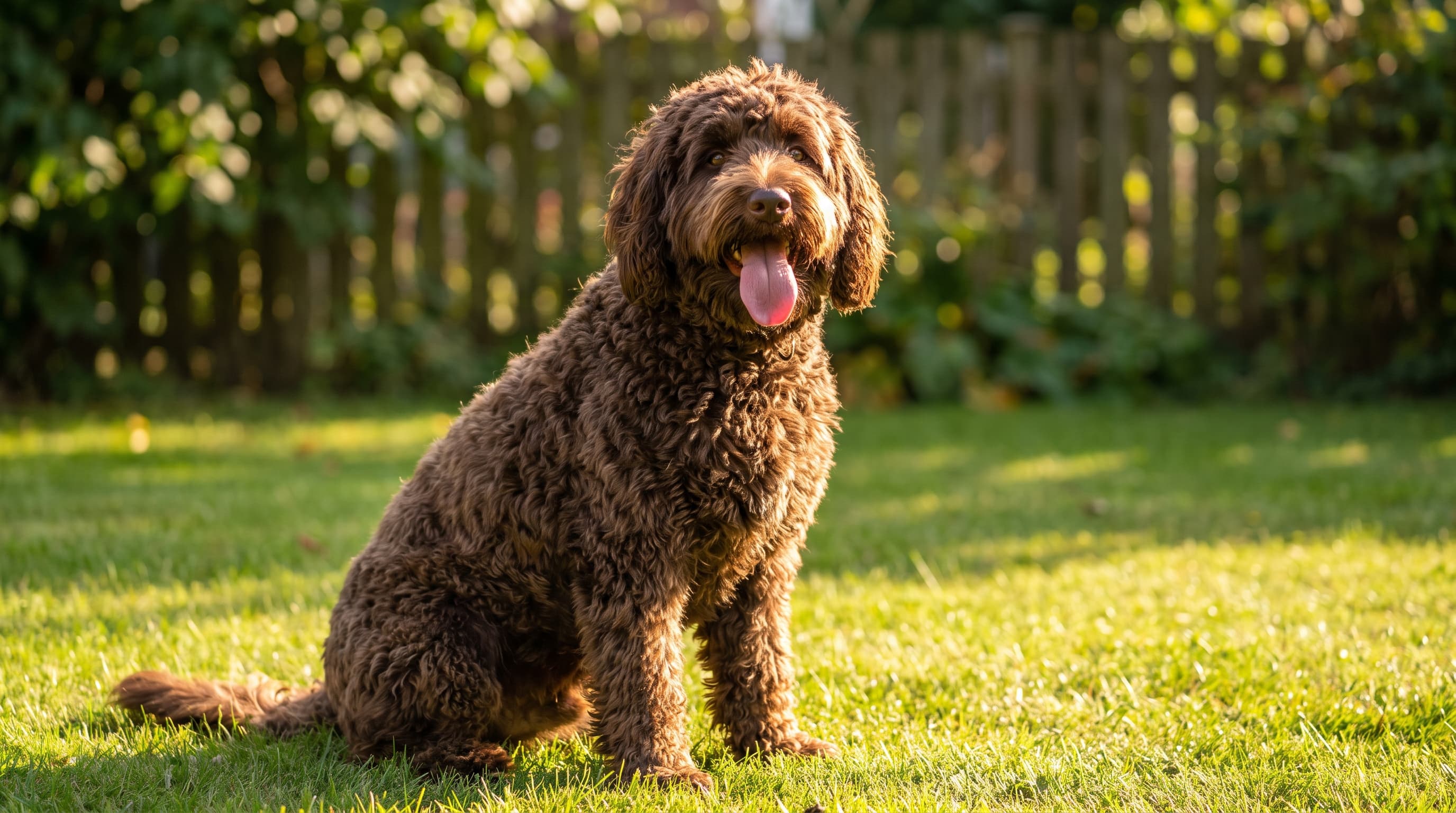
A true purebred black Samoyed dog does not exist. The Samoyed breed standard recognizes only white, cream, biscuit, and white-and-biscuit coats — never solid black. Any dog marketed as a "black Samoyed" is almost always a Samoyed mix, a different Spitz breed, or a dog whose coat has been dyed or altered.
Why There Is No Such Thing as a Purebred Black Samoyed
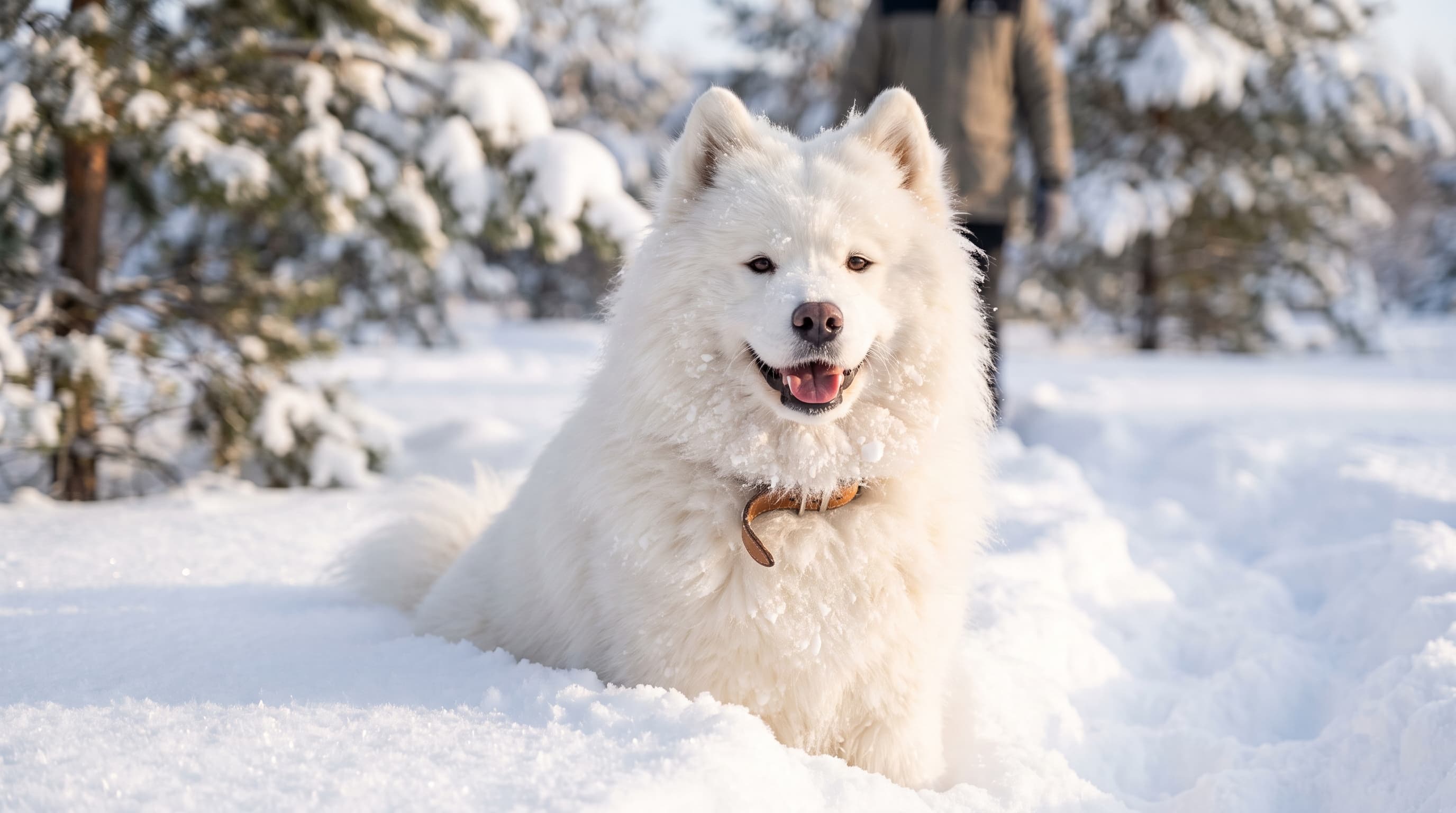
The Samoyed is one of the most recognizable white dogs in the world, and that snowy coat is written directly into the breed standard. According to the American Kennel Club, the Samoyed's "thick all-white coat" defines the breed, and the only acceptable colors are pure white, cream, biscuit, and white and biscuit. Solid black is simply not part of the breed's genetic makeup.
Coat-color resources such as Dogster and Packlove confirm the same four recognized shades. A genuinely black-coated dog that looks Samoyed-ish cannot be a registered purebred Samoyed, because the genes that would produce a solid black coat were bred out of — or never existed in — the breed's foundation stock.
The History Behind the Samoyed's White Coat
To understand why black is impossible, it helps to look at where the breed came from. Samoyeds were developed by the nomadic Samoyede people of Siberia, who relied on the dogs to herd reindeer, haul sleds across frozen terrain, and even sleep alongside the family for warmth. Their luminous white-to-biscuit coat helped them blend into the Arctic snow and reflected the practical breeding choices of a people living in one of the harshest climates on Earth.
Centuries of selective breeding for that pale, weatherproof double coat locked in the light coloration we see today. Unlike breeds that were developed with a wide color palette, the Samoyed was shaped for a single, consistent look — which is exactly why a "black Samoyed" contradicts the breed's entire history. If you love dramatic dark coats, our guide to big white dogs and related Spitz breeds shows how coat color connects to a breed's origins.
So What Is That "Black Samoyed" You Saw?
Photos of fluffy black dogs labeled "black Samoyed" circulate widely online, but there's always a more accurate explanation. Guides like Bubbly Pet and Hepper point to a few likely realities:
- A Samoyed mix: The dog is part Samoyed and part black breed — for example a cross with a black Chow Chow, Keeshond, or Eurasier — inheriting the fluffy Spitz look but a dark coat.
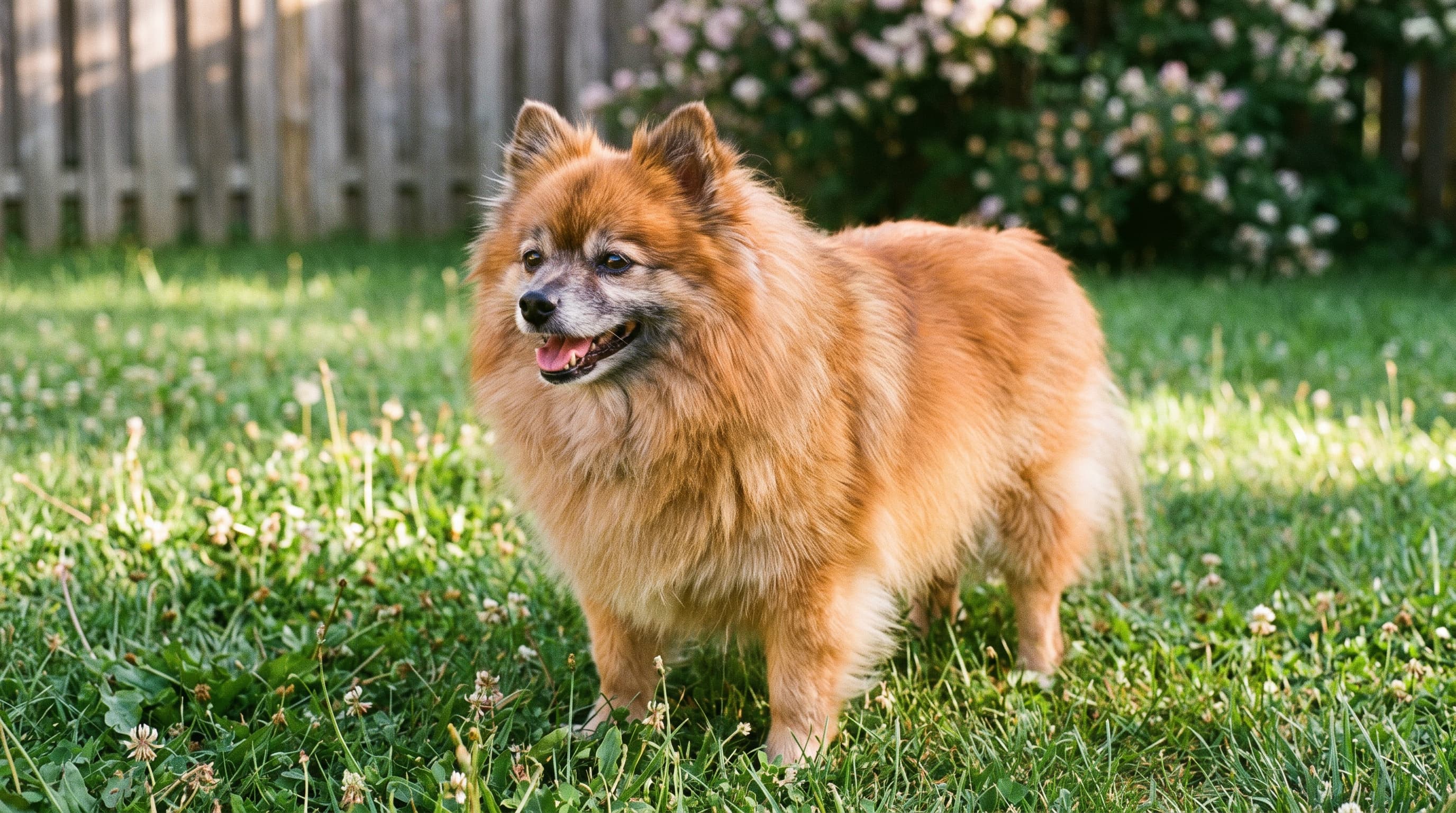
- A different Spitz breed entirely: Black Chow Chows, black Keeshonds, black Pomeranians, or black American Eskimo-type dogs can superficially resemble a Samoyed at a glance.
- A dyed or altered coat: Some dogs have simply had their fur colored, temporarily or otherwise.
- Misidentification: A very dark biscuit or an unusual lighting/photo edit can make a normal Samoyed look darker than it is.
Beware of Breeders Selling "Rare Black Samoyeds"
Because the myth is popular, some sellers exploit it — advertising "rare black Samoyed puppies" at premium prices. This is a major red flag. A breeder claiming to produce solid-black purebred Samoyeds is either misinformed or misrepresenting a mixed-breed dog. Reputable Samoyed breeders health-test their dogs, register litters with a recognized kennel club, and never market off-standard colors as "rare purebreds." If you encounter a black "Samoyed" for sale, ask for registration papers and health clearances, and walk away if the story doesn't hold up. There is nothing wrong with adopting a beautiful black fluffy mix — just don't pay a purebred premium for one.
The Genetics: Why Black Simply Doesn't Appear
Coat color in dogs is governed by a handful of pigment genes that control whether a dog produces black-based (eumelanin) or red/yellow-based (phaeomelanin) pigment, and how strongly. Over generations, the Samoyed's founders selected almost exclusively for dogs that expressed the palest possible coats — heavy dilution and restriction of dark pigment — until the breed reliably produced white, cream, and biscuit and nothing darker. Because the alleles needed to paint a solid black coat aren't present in the modern purebred gene pool, two registered Samoyeds bred together cannot suddenly produce a black puppy. When a dark, Samoyed-looking puppy does appear, it's a signal that another breed contributed to the litter somewhere in the lineage. This is the same principle that makes solid black impossible in a handful of other strictly white breeds.
What a Real Samoyed Is Like
If the white coat is what drew you in, the good news is that the Samoyed's personality is even more appealing than its looks. Samoyeds are friendly, gentle, and famously social — they were bred to live in close contact with people and genuinely dislike being left alone. They're known for the "Sammy smile," an upturned mouth that keeps them from drooling and icing their faces in cold weather.
Here's what prospective owners should expect from a genuine Samoyed:
- Size: Roughly 35–65 pounds and 19–23.5 inches tall, with females smaller than males.
- Coat: A profuse white double coat that sheds heavily, especially during seasonal "blows." Frequent brushing is essential.
- Energy: High — these are working sled dogs that need daily exercise and mental stimulation.
- Temperament: Affectionate, playful, alert, and vocal. Samoyeds are talkers and can be prone to nuisance barking if bored.
- Lifespan: Around 12–14 years.
Their thick coat makes them naturals in the cold; if you live somewhere frosty, our roundup of cold-weather dog breeds explains how double coats like the Samoyed's provide insulation.
Samoyed vs Other Fluffy White Breeds
If you specifically want a large, fluffy, light-colored companion, the Samoyed isn't your only option. The Alaskan Malamute and Siberian Husky share the Samoyed's Arctic working heritage and come in a wider range of colors — including black-and-white — which may be exactly what someone chasing a "black Samoyed" actually wants. The Great Pyrenees and American Eskimo Dog are other white, cold-hardy alternatives. Matching the right breed to your climate, activity level, and grooming tolerance matters far more than chasing a color that doesn't exist within the Samoyed breed.
Grooming and Care of a Samoyed's Coat
Whichever fluffy white dog you fall for, the Samoyed's coat is a serious commitment. That plush double coat needs brushing several times a week — daily during heavy seasonal shedding — to prevent painful mats and to manage the tumbleweeds of white fluff that end up on every surface. Samoyeds should never be shaved, since the double coat insulates against both cold and heat and protects the skin from sunburn. Plan for occasional baths, routine nail trims, dental care, and ear cleaning. Their white coat can pick up stains around the mouth and paws, so gentle spot-cleaning keeps them looking their best. Prospective owners chasing a dark coat specifically to hide dirt should know that grooming effort, not color, is the real deciding factor with fluffy Spitz breeds.
Are Samoyeds Good Family Dogs?
Yes — genuine Samoyeds are excellent family companions for active households. They are gentle and patient with children, generally sociable with other dogs, and thrive when included in daily life. Their herding heritage gives them energy to burn, so they're happiest with a job to do, whether that's long walks, hiking, sledding, or dog sports. The flip side of that friendliness is that Samoyeds make poor guard dogs: they tend to greet strangers as new friends. They also form intense bonds and can develop separation anxiety and destructive boredom if left alone too long. Match that profile — not a coat color — to your lifestyle, and you'll have a joyful companion for well over a decade.
Frequently Asked Questions
Can Samoyeds be black?
No. Purebred Samoyeds only come in white, cream, biscuit, and white-and-biscuit. A solid black coat is not possible within the breed standard, so a "black Samoyed" is not a registered purebred Samoyed.
What breed looks like a black Samoyed?
Black Chow Chows, black Keeshonds, black Pomeranians, black Eurasiers, and various Samoyed mixes can resemble a fluffy black Samoyed. A Samoyed crossed with a black Spitz breed is the most common explanation.
Are black Samoyeds more expensive?
Sellers sometimes charge a premium for "rare black Samoyeds," but this is a scam or a misrepresented mixed-breed dog. You should never pay purebred prices for a coat color the breed cannot genetically produce.
What colors do purebred Samoyeds come in?
The four recognized colors are pure white, cream, biscuit, and white and biscuit. White is by far the most common, and true solid biscuit is quite rare.
Is it okay to adopt a black Samoyed mix?
Absolutely. Samoyed mixes can be wonderful, healthy, loving pets. Just understand that you're adopting a mixed-breed dog rather than a purebred Samoyed, and choose based on temperament and care needs rather than a marketing label.
The Bottom Line
The black Samoyed is one of the internet's most persistent dog myths. Purebred Samoyeds are always white to biscuit — never black — thanks to centuries of Arctic breeding for a pale, snow-camouflaging coat. If you've fallen for a fluffy black dog, embrace it for what it truly is: likely a gorgeous Samoyed mix or a different Spitz breed, both of which can make fantastic companions.
Curious about the Samoyed's snow-dog cousins? Explore our full guides to the Alaskan Malamute and the Siberian Husky. And for more myth-busting breed guides delivered weekly, subscribe to the Daily Wag newsletter.