
American Alsatian: The Dire Wolf Lookalike Bred to Be a Gentle Companion
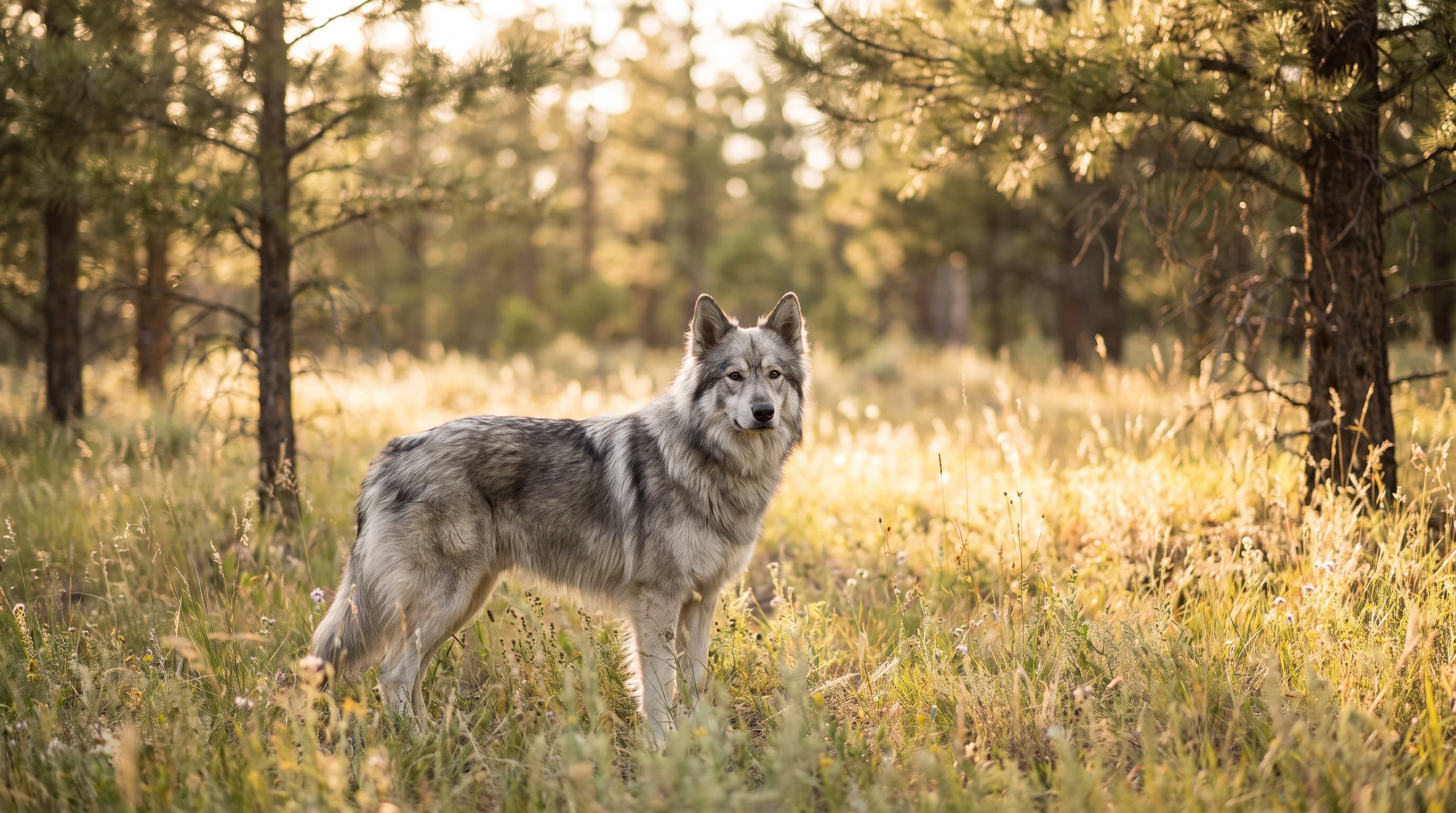
The American Alsatian is a large-to-giant companion dog bred in the United States to resemble the extinct dire wolf while keeping a calm, easygoing temperament. Developed in 1987 by Lois Schwarz, it blends German Shepherd, Alaskan Malamute, and other large breeds. Despite its wolfish looks, it is a mellow, family-oriented dog—not a guard dog or working breed.
What Is an American Alsatian?
The American Alsatian is one of the newest deliberately created dog breeds, and its story is unusual. Most breeds were shaped by a job—herding, guarding, hunting. The American Alsatian was shaped by two goals that have nothing to do with work: to look like the prehistoric dire wolf, and to be an exceptionally stable, low-key companion. According to the breed's founding kennel, Schwarz Dogs, the breed was developed solely for companionship and is deliberately not a working or herding dog.
The name can cause confusion. "Alsatian" is an old European name for the German Shepherd, but the American Alsatian is a separate, distinct breed with its own standard. It is sometimes called the Dire Wolf Project dog, a nod to the breeding program behind it.
Origin and History of the Breed
The breed began in 1987 with breeder Lois Denny, later Lois Schwarz, in the United States. She started by crossing German Shepherds and Alaskan Malamutes chosen specifically for intelligence, stability, and a tendency not to bark, then introduced a large fawn-colored English Mastiff to increase overall size. Over the years the program has incorporated other large breeds—including the Anatolian Shepherd and Great Pyrenees—always selecting for the dire wolf appearance and, above all, a sound, gentle temperament and long, healthy life.
This is important context for anyone researching the breed: it is a young, still-developing breed maintained by a small number of dedicated breeders. As Wag! notes, the American Alsatian was created chiefly as a companion animal that approximates the look and size of the extinct dire wolf.
Size, Appearance, and Coat
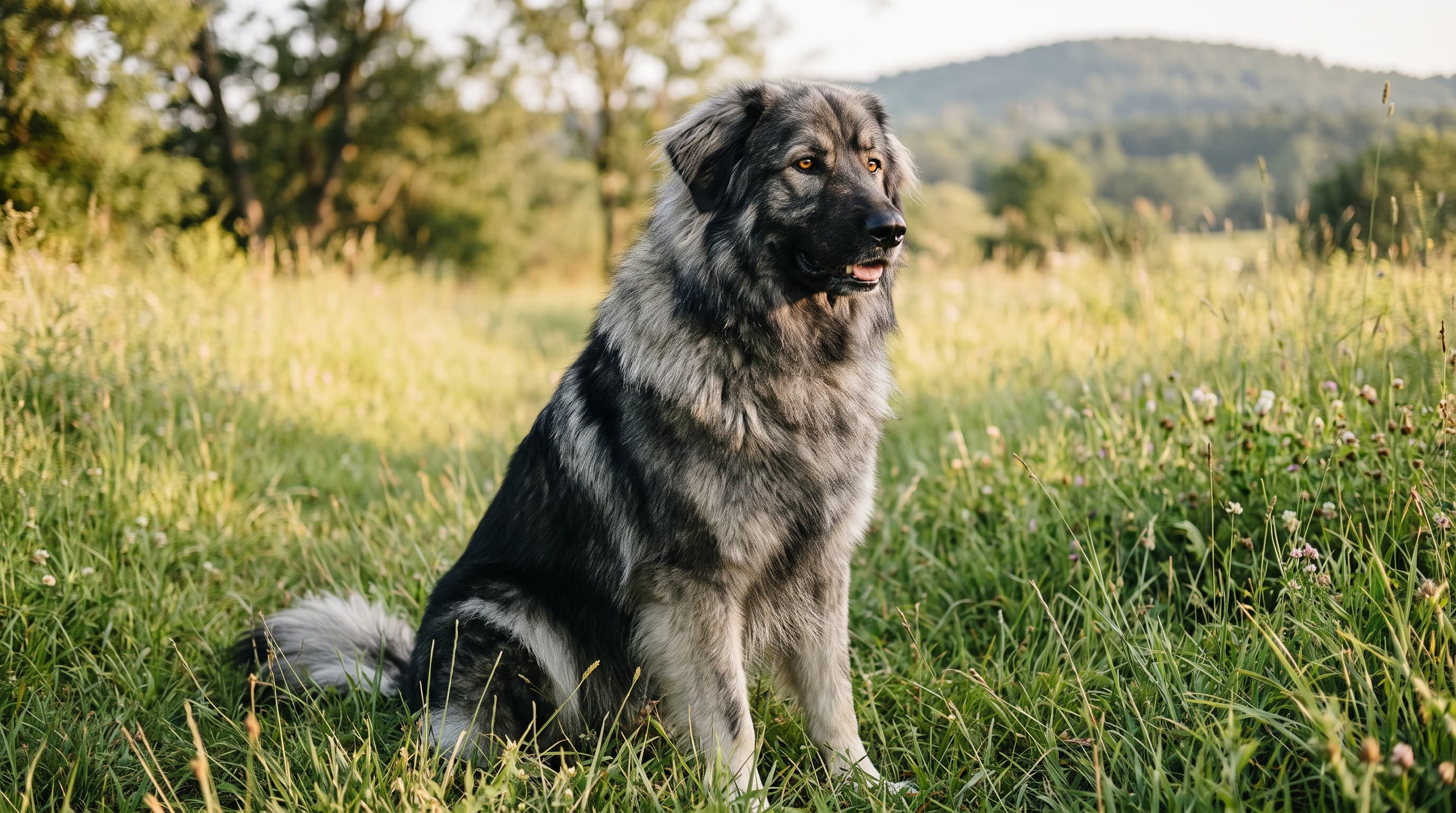
American Alsatians are big dogs. Most weigh between 85 and 120 pounds, with males standing up to around 32 inches at the shoulder and females somewhat smaller. They have a broad head, a dense double coat, an athletic but not lean build, and the wolfish silhouette breeders prize. Coat colors trend toward the wild-canine palette: silver sable, gray, cream, tan, and black-tipped combinations, often with lighter markings.
Those yellow-toned eyes and heavy coat are central to the breed standard's dire wolf aesthetic. Because of that thick double coat, expect meaningful seasonal shedding—these are not low-maintenance dogs when it comes to grooming.
American Alsatian Temperament
If the looks say wolf, the personality says couch companion. The American Alsatian is bred to be calm, patient, and emotionally steady. According to Canine Journal, the breed is known for being intelligent, obedient, and less prone to fear or aggression in stressful situations than many large breeds. They tend to bond deeply with their families and are typically excellent with children and other pets when properly socialized.
A few temperament notes worth knowing before you fall for the wolf look:
- Not a guard dog: They are aloof but not aggressive, and they are not reliably protective—an American Alsatian is unlikely to stop an intruder.
- Quiet: Selective breeding has produced a dog that generally does not bark much.
- People-oriented: They crave companionship and do not do well left alone for long stretches.
Exercise and Training Needs
For such a large dog, the American Alsatian has surprisingly moderate energy. A couple of daily walks and some play or enrichment usually satisfy them—they are more couch-and-yard dogs than tireless athletes. That said, "moderate" is not "none." A bored giant-breed dog can become destructive, so daily activity and mental stimulation matter.
Training tends to be straightforward thanks to the breed's intelligence and eager-to-please nature. Early, positive socialization is key so that confident, well-mannered adults emerge. The ASPCA's general dog care guidance offers a solid foundation for exercise and routine. If you love the shepherd look, you may also enjoy our roundup of dogs that look like German Shepherds.
Health and Lifespan
One of the founding goals of the breed was longevity, and American Alsatians generally live about 12 to 14 years—good for a dog of this size. Because the breed draws on large-breed ancestry, prospective owners should be aware of the health issues common to big dogs. Chief among them is hip dysplasia; VCA Animal Hospitals describes it as a genetic condition seen predominantly in larger breeds such as German Shepherds and Malamutes—both of which are in the American Alsatian's ancestry. Responsible breeders screen for it.
Other considerations include bloat (gastric dilatation-volvulus), a risk in deep-chested breeds, along with joint health and weight management. Keeping your dog lean, feeding appropriately, and staying current with veterinary checkups goes a long way. This is general information only—always consult your veterinarian for guidance specific to your individual dog.
Grooming and Coat Care
That gorgeous double coat comes with upkeep. American Alsatians shed year-round and "blow" their undercoat heavily once or twice a year, usually in spring and fall. During those weeks, daily brushing with an undercoat rake helps control the fur drifts and keeps the coat healthy. The rest of the year, a brush two or three times a week is usually enough. Bathe only occasionally—over-bathing strips the coat's natural oils. Round out grooming with routine nail trims, ear checks, and dental care. If you are not prepared for regular vacuuming and seasonal fur explosions, a heavy-coated giant breed may not be the right fit.
Feeding a Giant-Breed Companion
Big dogs need big-dog nutrition, but not overfeeding. Choose a high-quality diet formulated for large or giant breeds, which balances calories and joint-supporting nutrients appropriately. Portion control is critical: excess weight puts extra strain on hips and joints already predisposed to problems in large breeds. Because deep-chested dogs face a risk of bloat, many owners feed two smaller meals a day rather than one large one and avoid vigorous exercise right after eating. Always keep fresh water available, and talk to your veterinarian about the right feeding plan for your dog's age and activity level.
American Alsatian vs. German Shepherd and Wolfdogs
Because of its name and looks, the American Alsatian is often confused with two very different dogs. Compared with the German Shepherd—one of its ancestors—the American Alsatian is larger, calmer, less driven to work, and far less inclined to guard or herd. And unlike a true wolfdog, the American Alsatian contains no wolf content at all; it simply borrows the wolf's silhouette through selective breeding of domestic dogs. That distinction matters for anyone drawn to the wild look but wary of wolf-hybrid behavior: the American Alsatian offers the appearance without the unpredictable temperament and legal complications that come with actual wolf ancestry.
Is the American Alsatian Right for You?
This breed suits someone who wants the dramatic look of a wolf with the manageable temperament of a mellow family dog, and who has the space and budget for a giant breed. Because they are rare, expect a waitlist and a significant price if you buy from the founding program or an approved breeder. They are best for owners who are home often, since they thrive on companionship, and who understand the grooming and health commitments of a large double-coated dog.
Frequently Asked Questions
Is the American Alsatian part wolf?
No. Despite being bred to look like a dire wolf, the American Alsatian contains no wolf content. It is a domestic dog created from breeds like the German Shepherd, Alaskan Malamute, and English Mastiff.
How much does an American Alsatian cost?
Because the breed is rare and maintained by a small number of breeders, prices are typically high—often several thousand dollars—and there is usually a waitlist. Costs vary by breeder and availability.
Are American Alsatians good family dogs?
Yes. They are bred specifically for a calm, stable temperament and generally do very well with children and other pets when socialized early. They are companion dogs at heart.
Do American Alsatians bark a lot?
No. A tendency not to bark was deliberately selected for during the breed's development, so most American Alsatians are relatively quiet.
Is the American Alsatian a recognized breed?
Not by major kennel clubs like the AKC. The breeders have focused on temperament, health, and longevity rather than pursuing formal recognition.
The Bottom Line
The American Alsatian delivers a striking dire wolf appearance wrapped around a gentle, quiet, family-friendly personality. It is a large commitment—literally and financially—but for the right home it is a devoted, easygoing companion that looks like it wandered out of the Ice Age. If you have the space, the time, and the budget for a giant-breed dog—and you want a mellow family member rather than a working or guarding partner—few breeds deliver the same blend of dramatic looks and gentle heart.
If you are drawn to big, striking companion breeds, explore two of the American Alsatian's ancestors: the loyal, versatile German Shepherd and the powerful, cold-weather Alaskan Malamute. And to keep more breed profiles like this coming to your inbox, subscribe to the Daily Wag newsletter.