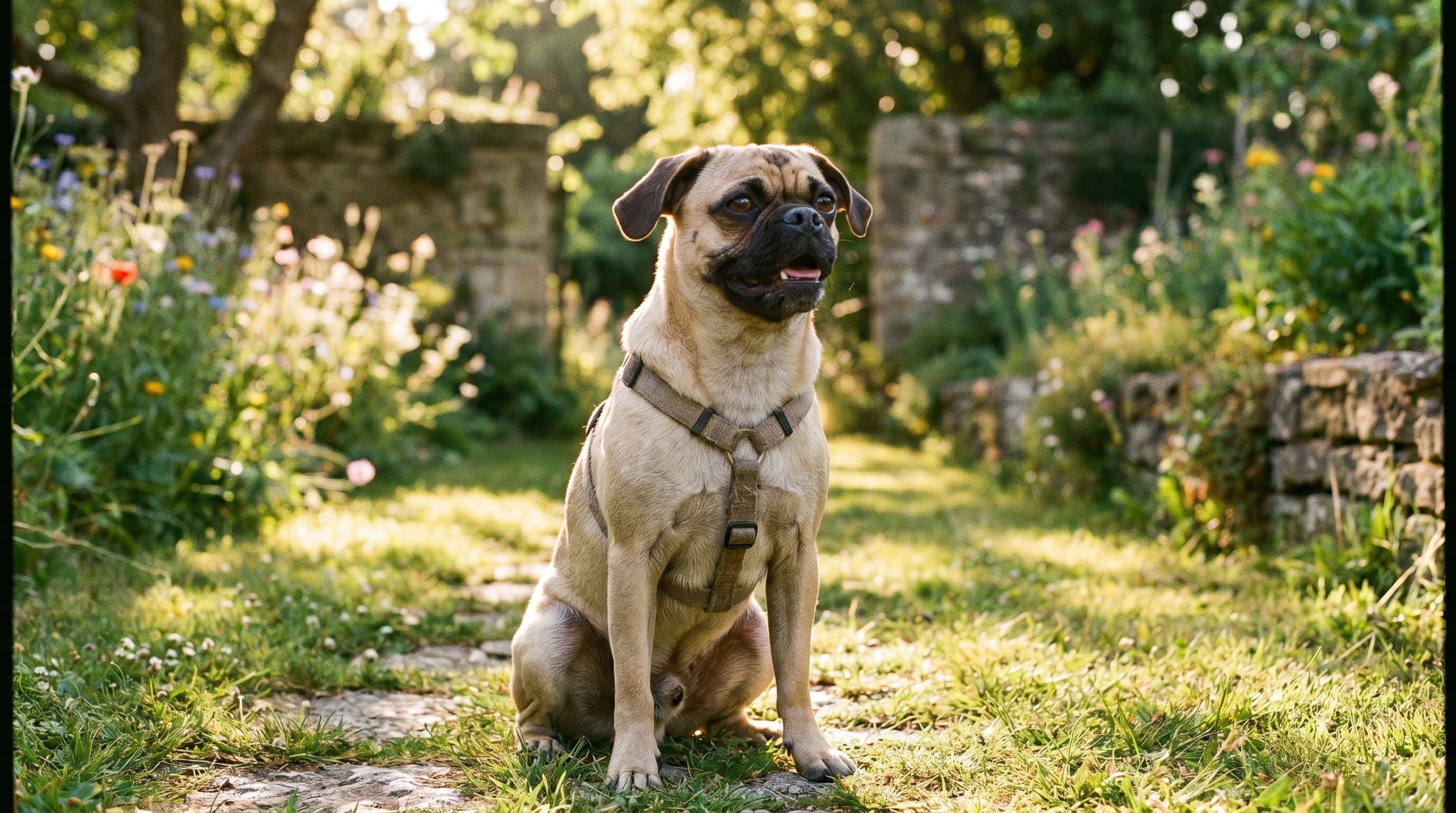

Retro Pug: The Longer-Nosed Pug Bred for Better Health
A retro pug is a traditional Pug crossed with a Jack Russell or Parson Russell Terrier to bring back a longer muzzle, a leaner body, and easier breathing. It keeps the Pug's curly tail, big eyes, and affectionate personality, but the extended snout reduces the airway problems that plague flat-faced Pugs, often adding years of healthier, more active life.
What Exactly Is a Retro Pug?
The retro pug (sometimes called a "retromops," from the German word for Pug) is a deliberate cross designed to recreate how Pugs looked centuries ago, before selective breeding pushed the muzzle flatter and flatter. Breeders typically pair a purebred Pug with a Jack Russell Terrier, and sometimes a Beagle or a longer-nosed Pug, then breed subsequent generations back toward the Pug look while preserving the longer snout.
The goal is not a brand-new "breed" but a healthier body plan. The classic Pug is one of the most popular companion dogs in the world, prized for its clownish charm. Unfortunately, its squashed face also makes it a poster child for brachycephalic airway syndrome, a cluster of upper-airway abnormalities that cause snorting, snoring, overheating, and exercise intolerance. The retro pug aims to keep the personality while engineering the breathing problems out.
Retro Pug vs. Traditional Pug: The Key Differences
Side by side, a retro pug looks like a Pug that someone gently stretched. The differences are most obvious in the face and body:
- Muzzle: A retro pug has a noticeably longer, slimmer snout instead of the traditional Pug's flat, wrinkled face. This is the single most important change, and it's where the health benefits come from.
- Ears: Retro pugs often have larger, floppier ears than the small "button" or "rose" ears of a show Pug.
- Body: Their frame is more elongated and athletic, less prone to the obesity that affects many couch-bound Pugs.
- Wrinkles: Fewer and shallower facial folds, which means a lower risk of the skin-fold infections Pug owners know well.
- Size: Adult retro pugs typically weigh 15 to 25 pounds, slightly larger and leaner than the 14-to-18-pound breed-standard Pug.
Because the retro pug carries terrier genes, no two litters look identical. Some individuals lean closer to the Pug; others show more terrier in the legs and snout. That variability is the trade-off for a healthier conformation.
Why Breeders Created the Retro Pug: Health First
To understand the retro pug, you have to understand what's wrong with the modern Pug's face. Researchers studying facial shape have repeatedly linked extreme brachycephaly to a higher burden of disease, including obstructive airway problems, eye disorders, and difficulty regulating body temperature. A flat-faced dog is essentially breathing through a shortened, crowded set of airways.
By reintroducing a longer muzzle, retro pug breeders address several issues at once:
- Easier breathing: A longer airway means less snorting, less heat stress, and more stamina on walks.
- Better temperature control: Dogs cool themselves by panting, and a longer snout makes panting far more effective—critical in summer heat.
- Healthier eyes: Less prominent, less exposed eyes mean fewer corneal injuries and ulcers.
- More active lifestyle: A retro pug can usually enjoy hikes, jogs, and play sessions that would leave a flat-faced Pug gasping.
Proponents argue a healthy retro pug can live 15 years or more, comparable to or better than the traditional Pug's 12-to-15-year range. Outlets that cover the type, from zooplus Magazine to specialist sites like Jug Dog, frame it as a welfare-driven alternative for people who love the Pug look but worry about the breed's medical baggage.
Retro Pug Temperament and Personality
The retro pug keeps the heart of a Pug: affectionate, people-oriented, comic, and devoted to its family. These are companion dogs that want to be wherever you are. The terrier influence usually adds a dash of extra energy, curiosity, and prey drive, so retro pugs tend to be a little more adventurous and a little more independent than the average lap Pug.
They generally do well with children and other pets, especially when socialized early. Expect a dog that's playful into adulthood, enjoys training games, and may have a stubborn streak inherited from both parent lines. Like the classic Pug companion breed, retro pugs can be prone to separation-related stress, so they're happiest in homes where someone is around for much of the day.
Caring for a Retro Pug: Exercise, Grooming, and Diet
One of the biggest advantages of the retro pug is that it can actually exercise. While you should never push any short-faced dog hard in heat, retro pugs typically handle 45 to 60 minutes of daily activity—walks, fetch, sniffy adventures, and basic dog sports.
Grooming is straightforward. Retro pugs are moderate shedders with a short coat that benefits from weekly brushing. Because they have fewer and shallower facial folds than traditional Pugs, the daily wrinkle-cleaning routine is usually lighter, though you should still check any folds for moisture and irritation. Keep nails trimmed and ears clean, especially on dogs with larger, floppier terrier-style ears that trap less airflow.
Diet matters because the Pug side of the family is prone to weight gain. Feed a measured, high-quality diet, watch the treats, and keep your dog lean—extra pounds undo many of the breathing benefits the retro pug was bred to gain. Even a leaner body shape doesn't make a short-faced dog heat-proof; on hot days, follow the same hot-pavement and heat-safety precautions you would for any flat-faced breed, and learn the warning signs of overheating the way owners of brachycephalic dogs watch for heat stroke in French Bulldogs.
Retro Pug Health: What to Watch For
A retro pug is healthier than a flat-faced Pug, but "healthier" is not "immune." Crossbreeding reduces—rather than erases—the Pug's inherited risks, and it can introduce conditions from the terrier side. Keep an eye on:
- Residual airway issues: Some retro pugs still have shortened muzzles and mild brachycephalic signs. The longer the snout, generally the lower the risk.
- Joint problems: Both Pugs and terriers can carry orthopedic risks. Talk to your vet about screening, much as owners do for hip dysplasia in dogs.
- Eye conditions: Even with less prominent eyes, regular checks are wise.
- Skin and ear care: Fewer folds, but still worth monitoring.
- Weight management: The single biggest controllable health factor.
This article is general information, not veterinary advice. Before buying or adopting any short-faced dog, ask the breeder about health testing for both parents and have your own veterinarian establish a wellness and screening plan.
Is a Retro Pug Right for You?
A retro pug suits someone who adores the Pug's affectionate, comedic personality but wants a dog that can breathe easily, exercise comfortably, and potentially live a longer, more active life. It's a good fit for families, first-time owners willing to commit to training, and anyone uneasy about the welfare concerns surrounding extreme flat-faced breeding.
It's less ideal if you want a guaranteed "look"—because of the terrier influence, appearance varies—or if you specifically want a registered, breed-standard Pug for the show ring. Retro pugs are a designer cross, not an AKC-recognized breed, so do your homework on breeders and avoid anyone who can't show health testing.
Frequently Asked Questions
Are retro pugs purebred?
No. A retro pug is a deliberate cross, most often a Pug bred with a Jack Russell or Parson Russell Terrier (sometimes a Beagle), selected over generations for a longer muzzle. They are not recognized as a purebred by major kennel clubs.
Do retro pugs have fewer breathing problems than regular pugs?
Generally, yes. The longer snout reduces the upper-airway crowding behind brachycephalic airway syndrome, so most retro pugs snort less, overheat less easily, and tolerate exercise better than traditional flat-faced Pugs. Individual results depend on how long the muzzle actually is.
How long do retro pugs live?
Many sources cite 15 years or more for a healthy, well-cared-for retro pug, which can edge out the traditional Pug's typical 12-to-15-year lifespan—largely thanks to better breathing and lower obesity risk.
How big do retro pugs get?
Most retro pugs weigh roughly 15 to 25 pounds and stand a little taller and leaner than a standard Pug, reflecting the terrier in their lineage.
Are retro pugs good family dogs?
Yes. They're affectionate, playful, and generally good with children and other pets when socialized early. The terrier side adds energy and curiosity, so they enjoy active families who'll give them daily exercise and mental stimulation.
Where can I get a retro pug?
Look for breeders who prioritize health, perform screening on both parents, and breed specifically for a functional muzzle—not just a "rare" label. Rescue is also worth checking, as some Pug and terrier rescues take in mixes that fit the retro type.
Keep Exploring
If the retro pug has you curious about its parent breeds and cousins, dig into our full guide to the classic Pug and our profile of the spirited Puggle, a Pug-Beagle mix with its own longer-nosed charm. For more health-first breed breakdowns and seasonal care tips delivered straight to your inbox, subscribe to the Daily Wag newsletter.