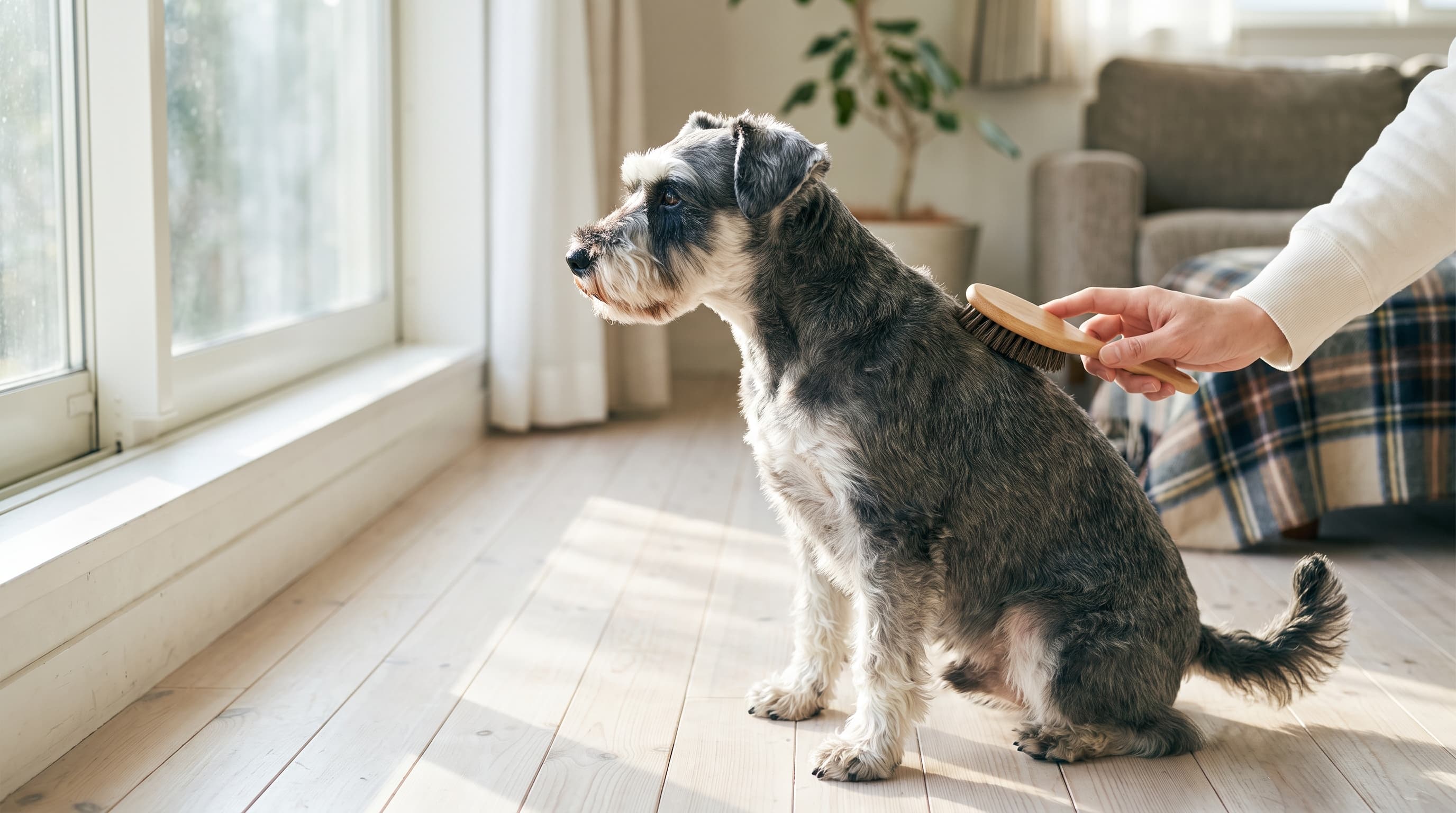

Do Schnauzers Shed? A Complete Guide to Schnauzer Shedding and Grooming
Yes, Schnauzers do shed — but only a little. All three sizes (Miniature, Standard, and Giant) have a wiry double coat that sheds minimally, and much of the loose hair gets trapped in the topcoat instead of landing on your floor. This low-shedding, low-dander quality is why Schnauzers are widely considered a hypoallergenic-friendly breed, though they still need frequent grooming.
Do Schnauzers Shed a Lot? The Short Answer
If you're picturing clouds of fur on your couch, relax. Schnauzers are among the lower-shedding dog breeds. The American Kennel Club describes the Miniature Schnauzer as a "generally healthy, long-lived, and low-shedding companion," and the same wiry-coat genetics apply to the Standard and Giant varieties.
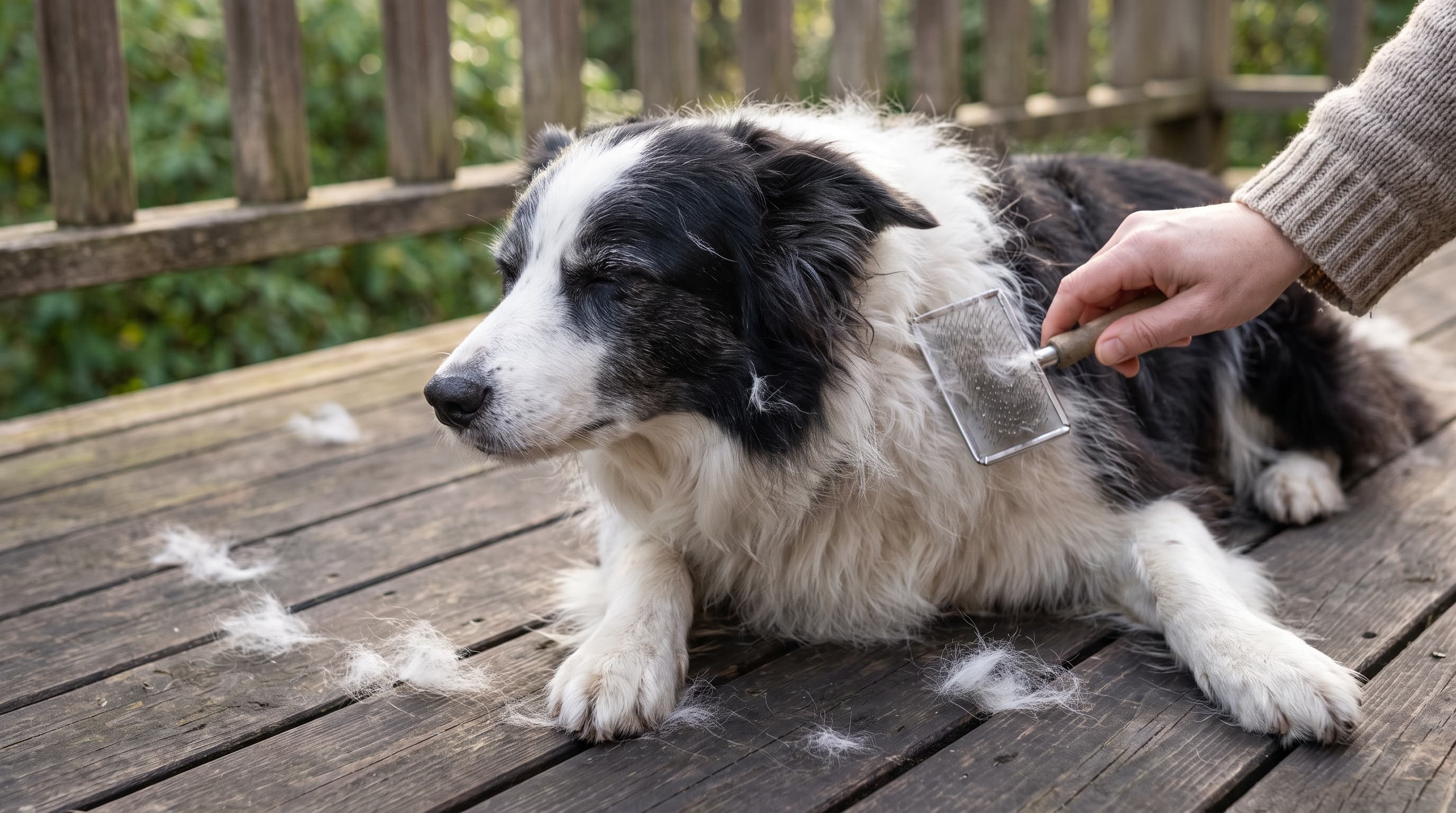
Here's the key: Schnauzers have a double coat made of a harsh, wiry outer layer and a soft undercoat. When the undercoat sheds, the loose hairs tend to get caught in the dense wiry topcoat rather than falling out onto your furniture. That's why owners often say their Schnauzer "barely sheds" — the hair is there, it's just trapped in the coat until you brush or groom it out. This is very different from a heavy-shedding double-coated breed like a Husky or Labrador.
Why Schnauzers Are Low Shedders: The Double Coat Explained
Understanding the Schnauzer coat is the secret to understanding its shedding. According to MetLife Pet Insurance, the topcoat consists of wiry hairs while the undercoat is short and thick, making Schnauzers minimal shedders that also produce relatively little dander.
Each hair follicle grows on a longer cycle than the fur of heavy-shedding breeds, so hairs are released slowly and less often. Taste of the Wild notes the wiry coat sheds very little but can grow four to five inches long, which is exactly why regular trimming or hand-stripping is part of Schnauzer ownership. In other words, you trade a vacuum-cleaner routine for a grooming routine.
Do Miniature Schnauzers Shed?
Miniature Schnauzers are the lightest shedders of the three. Their small size means less coat overall, and their shedding is often described as nearly unnoticeable. This, combined with low dander production, is why Minis are one of the most popular choices for people who want a small, allergy-friendlier dog with personality to spare. If you're weighing small low-shedding breeds, it's worth comparing notes with other options like the Yorkshire Terrier.
Keep in mind that "low-shedding" still requires effort. Because the hair the Mini does shed stays trapped in the coat, skipping brushing leads to mats and skin irritation rather than a tidy dog. Minis need brushing a few times a week and a professional groom every four to six weeks to stay comfortable and looking sharp.
Do Standard and Giant Schnauzers Shed?
The Standard Schnauzer — the original, medium-sized version of the breed — sheds a small, manageable amount of hair. It has the same wiry double coat and low-dander qualities as the Mini, just more of it. Most Standard owners report minimal loose hair around the home with regular grooming.
The Giant Schnauzer sheds the most of the three, simply because it is a much larger dog with far more coat. Even so, "most" is relative: a well-groomed Giant is still a low-to-moderate shedder compared with heavy-shedding breeds of similar size. The larger surface area means more hair overall and a bigger grooming commitment, so Giants benefit from more frequent brushing to keep loose undercoat from building up. Across all three sizes, the pattern is the same — wiry coat, trapped hair, and grooming that replaces shedding as the main maintenance task.
Are Schnauzers Hypoallergenic?
Schnauzers are frequently listed among hypoallergenic-friendly breeds, and for good reason: they shed little and produce comparatively little dander, which is the main trigger for most dog allergies. MetLife notes the breed qualifies as hypoallergenic largely because "they don't produce much dander."
That said, it's important to be realistic. No dog is 100% hypoallergenic. Allergens live not just in fur but in dander, saliva, and urine, so even a low-dander Schnauzer can cause reactions in highly sensitive people. If you have allergies, spend time with the specific dog before committing, keep up with grooming and baths, and use good home hygiene. For context on how this label works across breeds, our guides to whether Goldendoodles are hypoallergenic and whether Yorkies are hypoallergenic explain the same nuance.
Schnauzer Shedding vs. Grooming: What to Expect
The Schnauzer trade-off is simple: minimal shedding, but real grooming. Because the coat doesn't shed itself out, you have to help it along. Here's a typical maintenance routine:
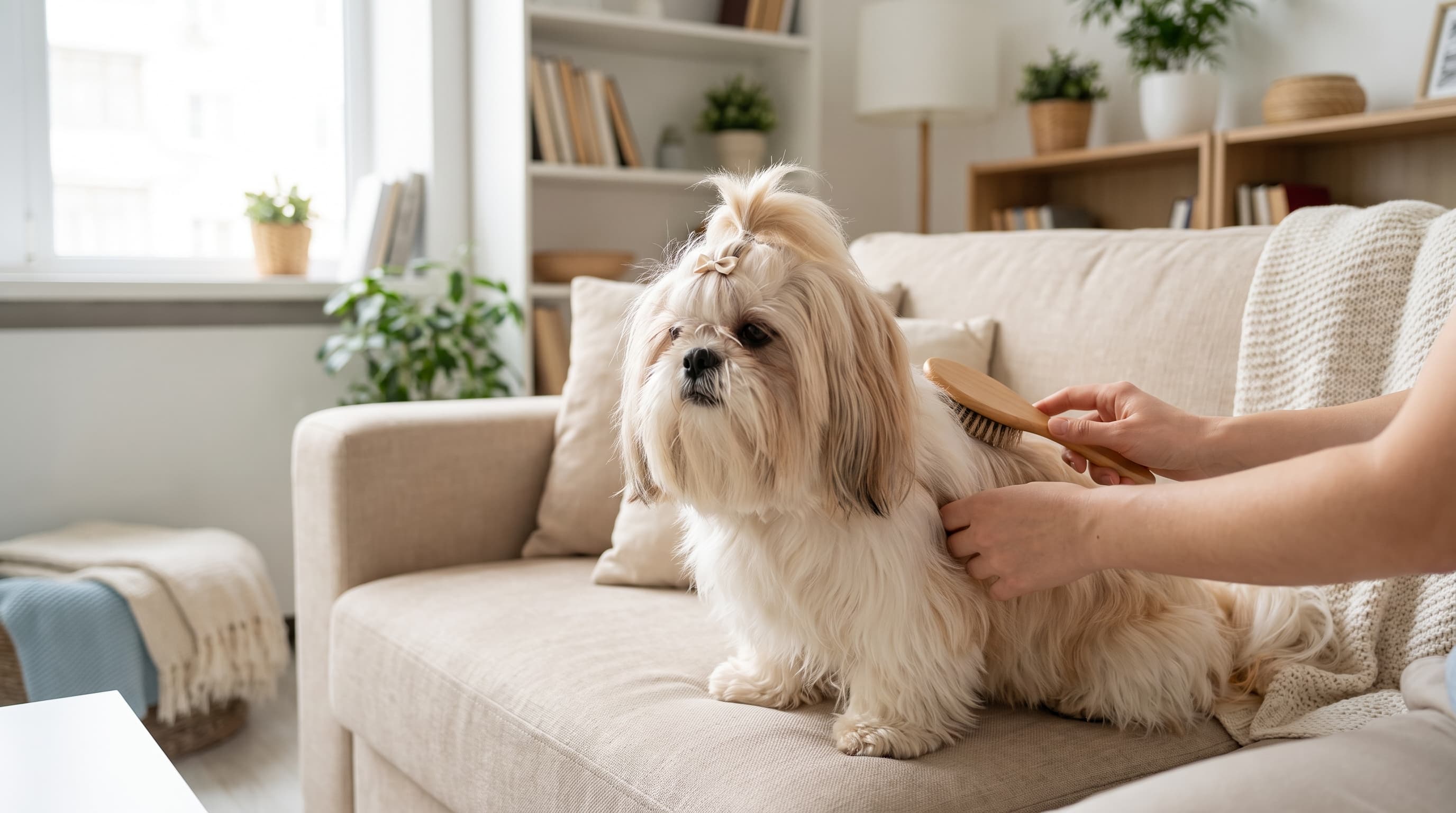
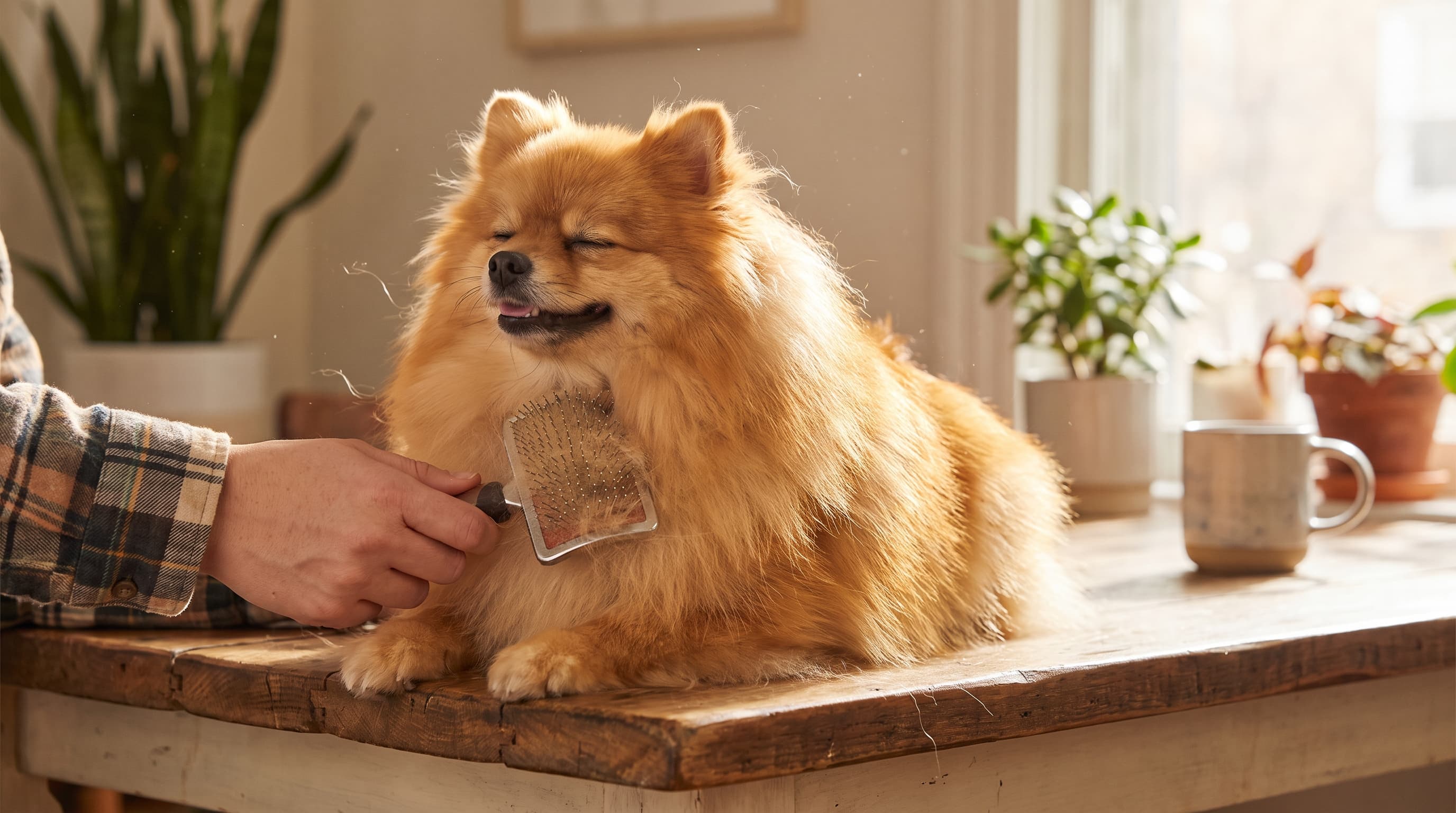
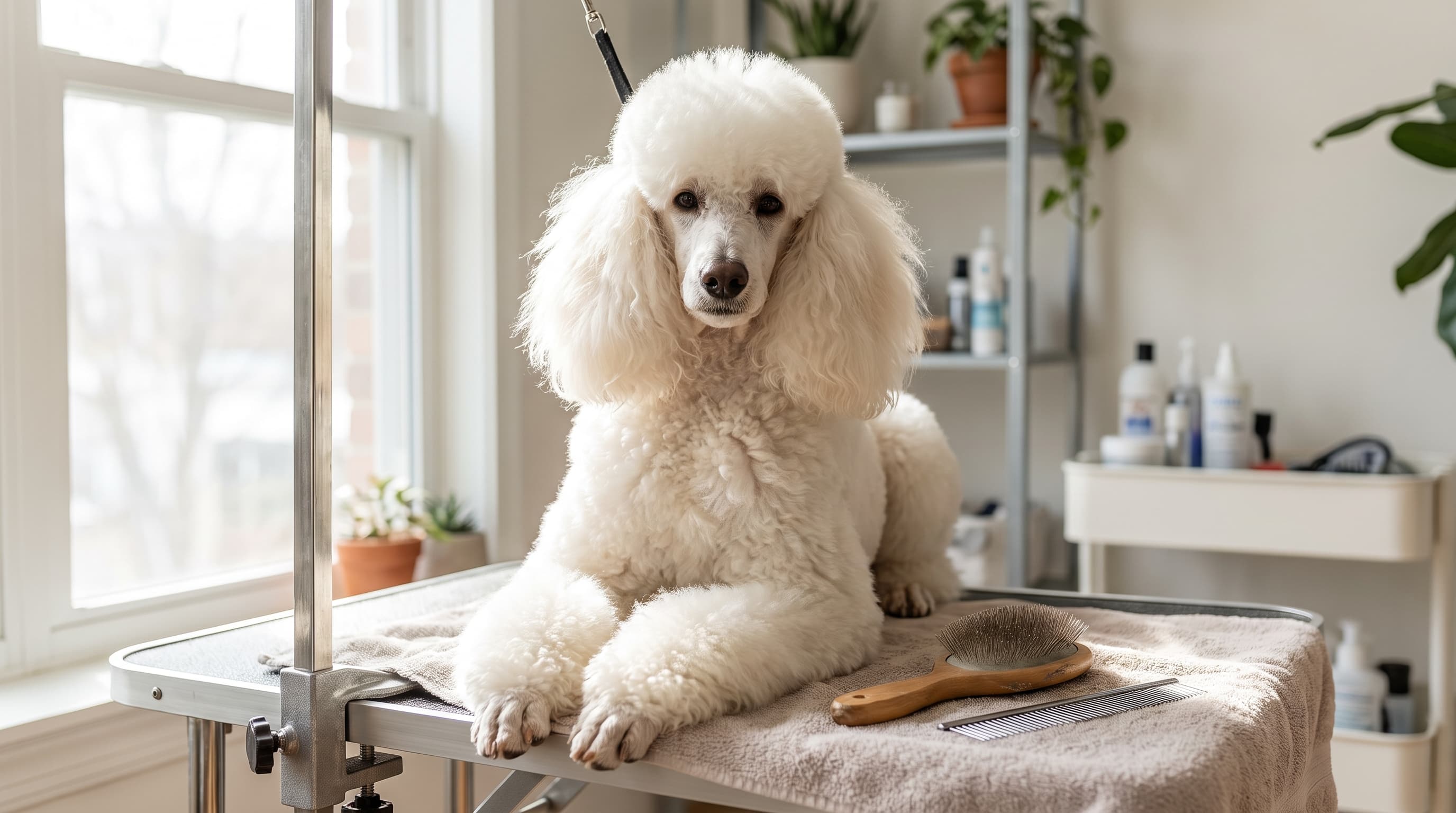
- Brushing: Roughly three times a week with a slicker brush and metal comb to remove trapped hair and prevent mats, especially in the beard and leg furnishings.
- Professional grooming: Every four to six weeks for clipping or hand-stripping, which keeps the coat neat and the skin healthy.
- Hand-stripping vs. clipping: Show dogs are often hand-stripped to preserve the wiry texture and color; most pet owners choose clipping, which is easier but can soften the coat over time.
- Beard care: That signature Schnauzer beard traps food and water, so wipe and clean it regularly.
- Baths: Every few weeks or as needed, which also helps rinse away loose hair and allergens.
Neglecting grooming doesn't reduce shedding — it just leads to matting, skin problems, and a scruffy, uncomfortable dog. Budget time or money for regular coat care before choosing a Schnauzer.
When Does a Schnauzer Shed More?
Schnauzers may shed slightly more during seasonal transitions, typically before the summer and winter, as the undercoat adjusts. Even then, the increase is modest and mostly hidden in the coat until you brush it out. A sudden jump in shedding, bald patches, excessive scratching, or flaky skin is not normal seasonal shedding and can signal an issue such as allergies, parasites, poor nutrition, or a thyroid problem. Since coat changes can reflect health, this article offers general information only — check with your veterinarian if your Schnauzer's shedding or skin suddenly changes.
Tips to Manage Schnauzer Shedding and Keep the Coat Healthy
Even a low-shedding dog benefits from good habits. To keep loose hair and dander to a minimum:
- Brush consistently rather than waiting for mats to form.
- Feed a complete, high-quality diet with adequate omega-3 fatty acids to support skin and coat health.
- Keep up with the professional grooming schedule.
- Bathe periodically with a gentle dog shampoo to remove trapped hair and allergens.
- Provide fresh water and manage that beard to avoid staining and buildup.
- Watch for signs of skin trouble so you can address problems early.
Is a Schnauzer Right for a Low-Shedding Home?
If your goal is a dog that leaves minimal fur on your clothes and furniture, the Schnauzer is an excellent candidate across all three sizes. You get a smart, spirited, devoted companion that sheds far less than most breeds. The catch is grooming: you're signing up for regular brushing and professional appointments in exchange for that tidy coat. For families seeking a lively, low-shedding dog and willing to commit to the coat care, few breeds deliver more character per pound than the Schnauzer.
Frequently Asked Questions
Do Schnauzers shed?
Yes, but very little. Their wiry double coat sheds minimally, and most loose hair stays trapped in the topcoat until it's brushed or groomed out.
Which Schnauzer sheds the least?
The Miniature Schnauzer sheds the least, mostly because it's the smallest and has the least coat. Standards shed a bit more, and Giants shed the most simply due to their size.
Are Schnauzers hypoallergenic?
Schnauzers are considered hypoallergenic-friendly because they shed little and produce low dander. However, no dog is completely hypoallergenic, so allergy sufferers should spend time with a dog first.
Do Schnauzers need a lot of grooming?
Yes. Because their coat doesn't shed itself out, Schnauzers need brushing several times a week and professional grooming every four to six weeks to prevent matting.
Why is my Schnauzer shedding more than usual?
Mild seasonal increases are normal. But sudden heavy shedding, bald spots, or itchy, flaky skin can indicate allergies, parasites, diet issues, or a medical condition — consult your veterinarian.
Does clipping or shaving reduce Schnauzer shedding?
Clipping keeps the coat short and tidy but doesn't stop shedding, and shaving a double coat can harm coat texture and skin protection. Regular brushing is the best way to manage loose hair.
The Bottom Line
Schnauzers are true low-shedding dogs, thanks to a wiry, low-dander double coat that traps loose hair instead of scattering it. The trade-off is a steady grooming routine, not a vacuuming one. If a tidy, allergy-friendlier companion sounds ideal, learn more about the breed in our full Miniature Schnauzer profile, and subscribe to the Daily Wag newsletter for weekly grooming tips, breed spotlights, and dog-friendly finds.