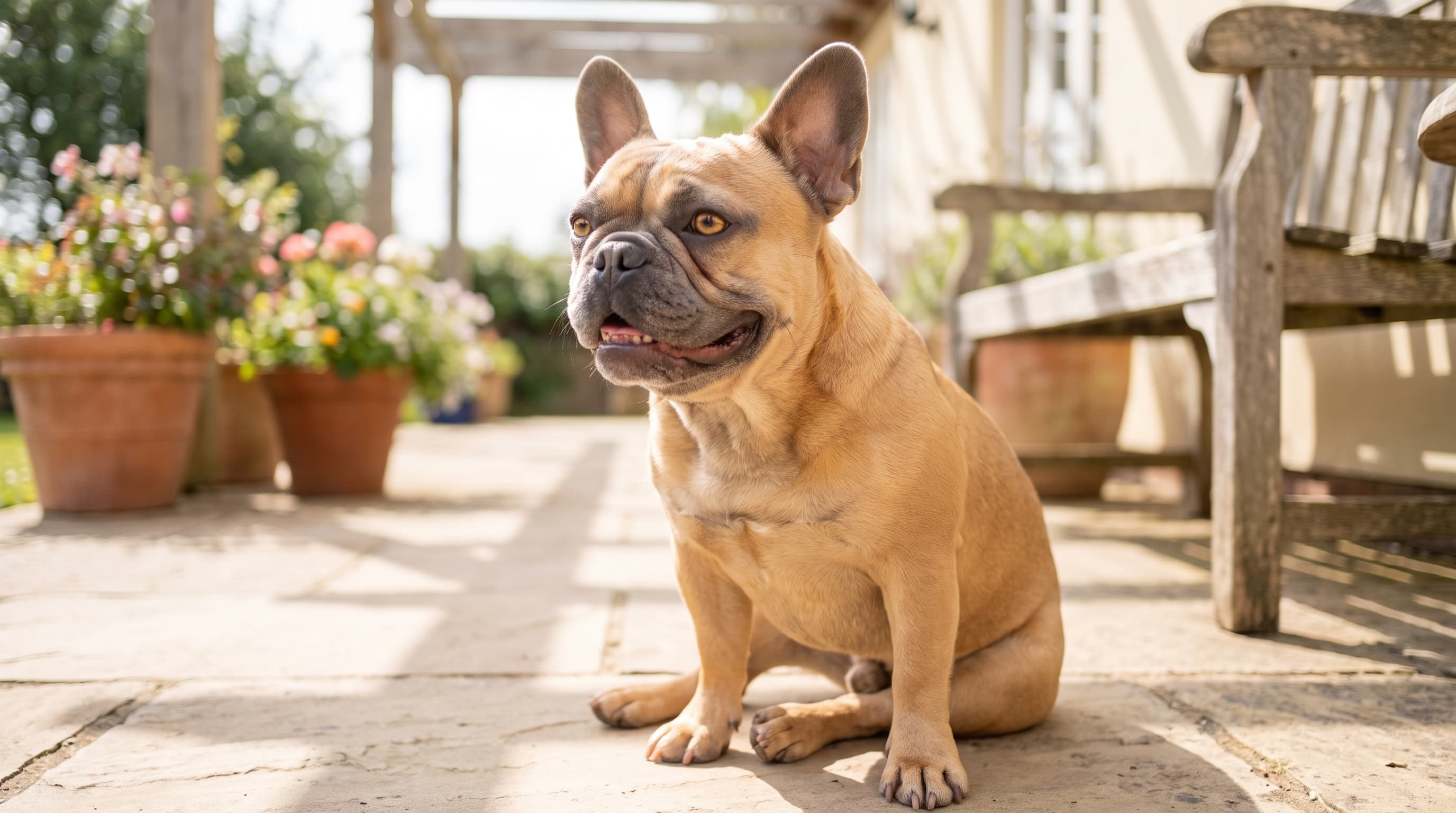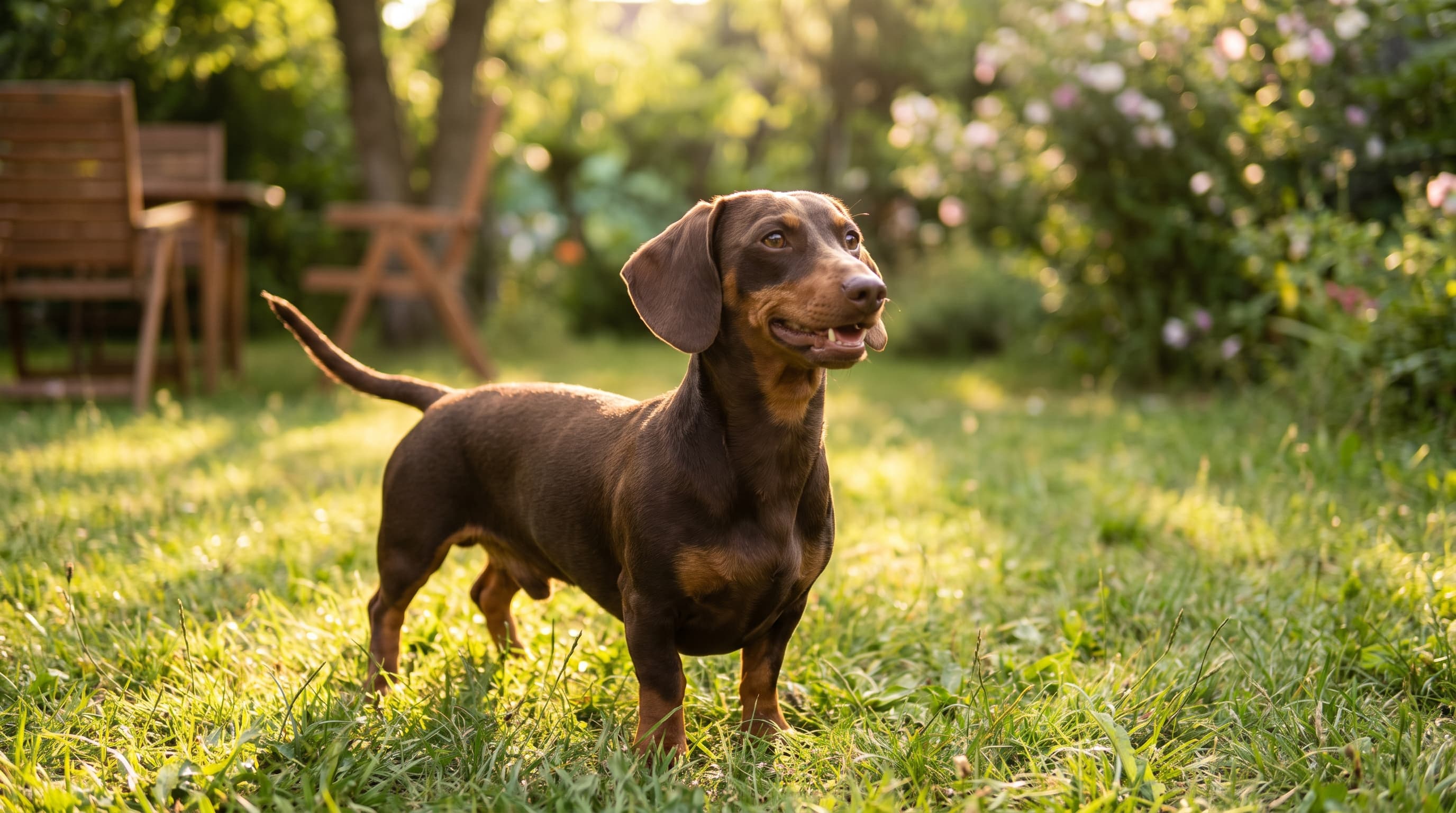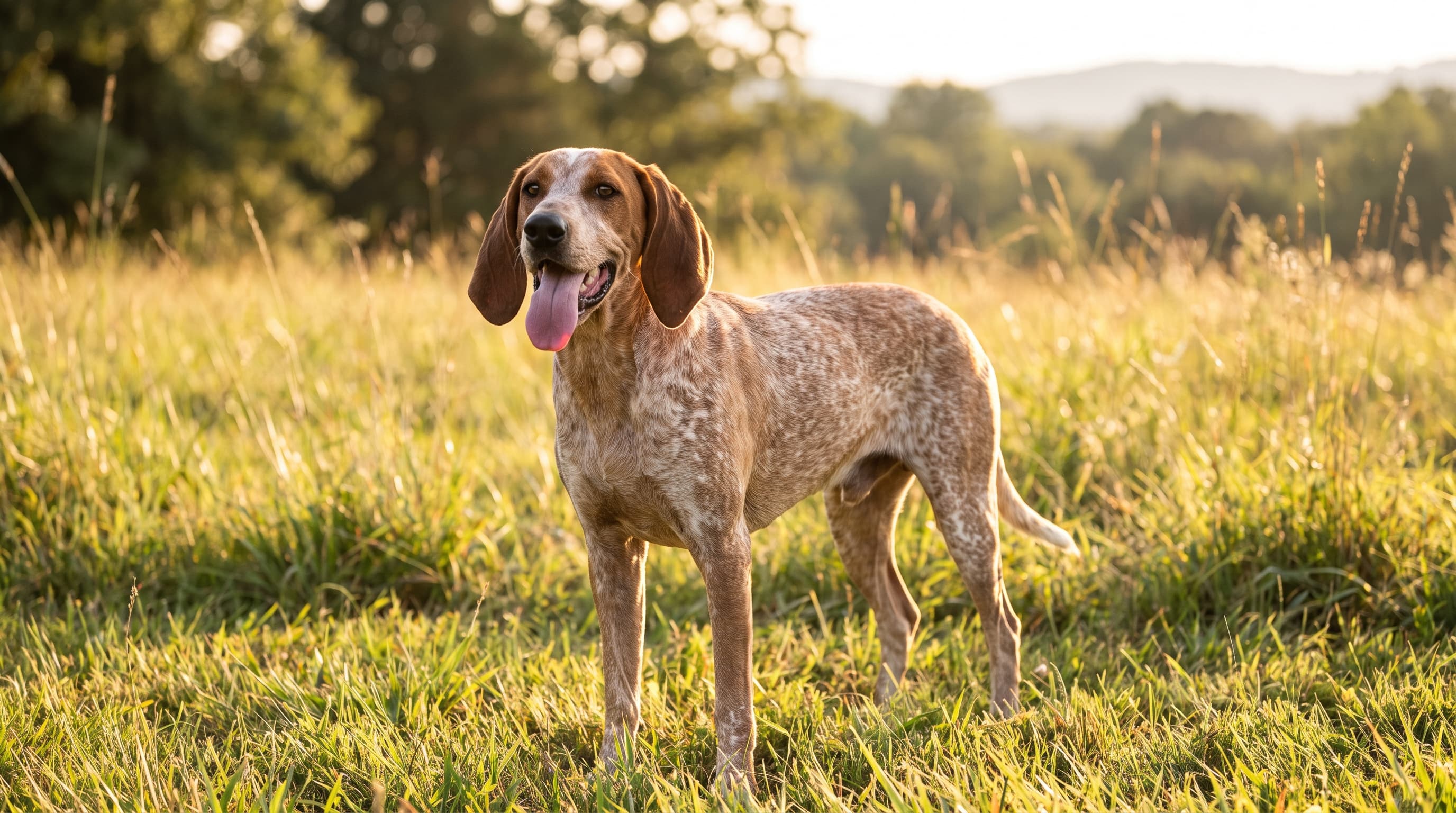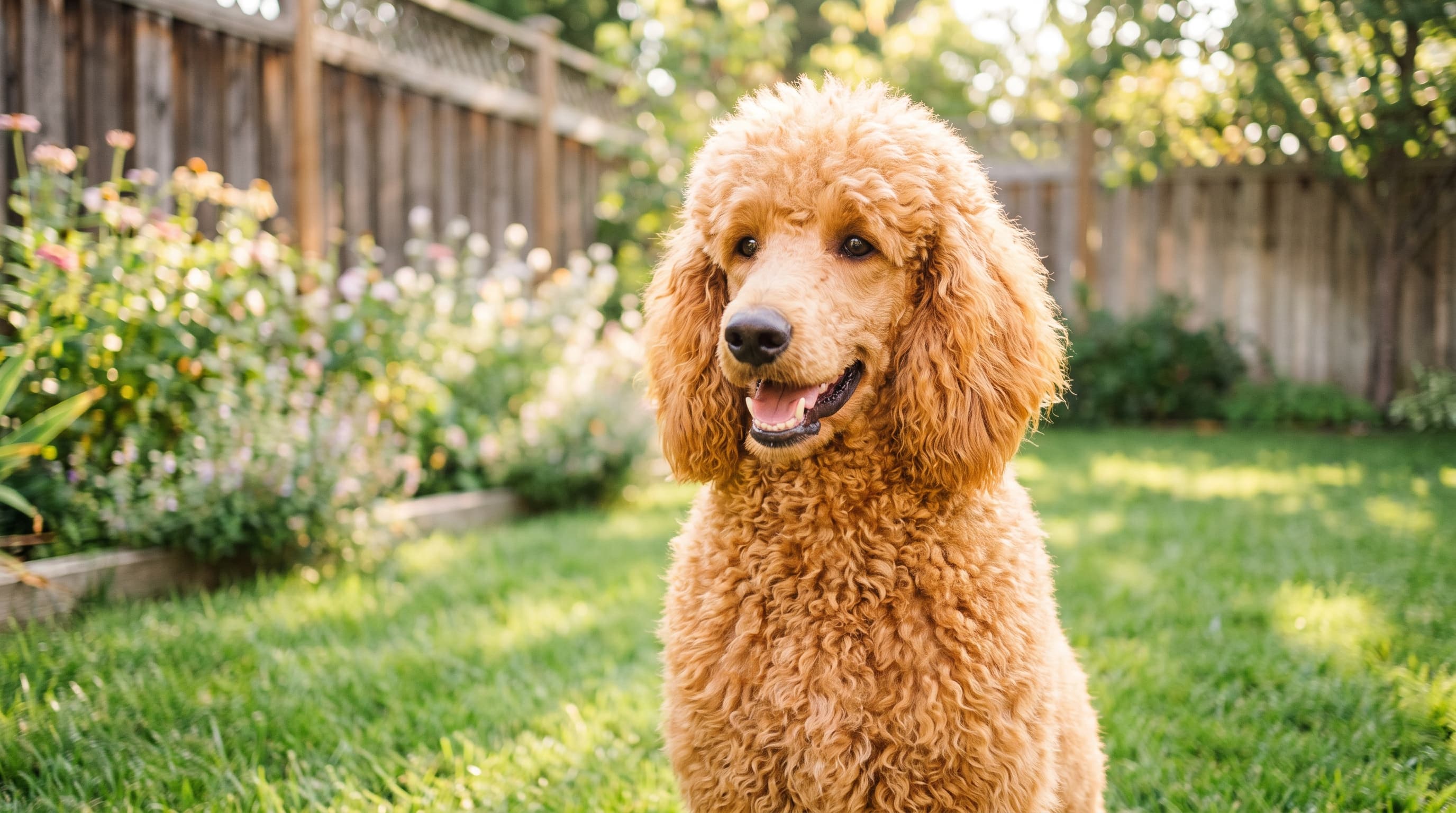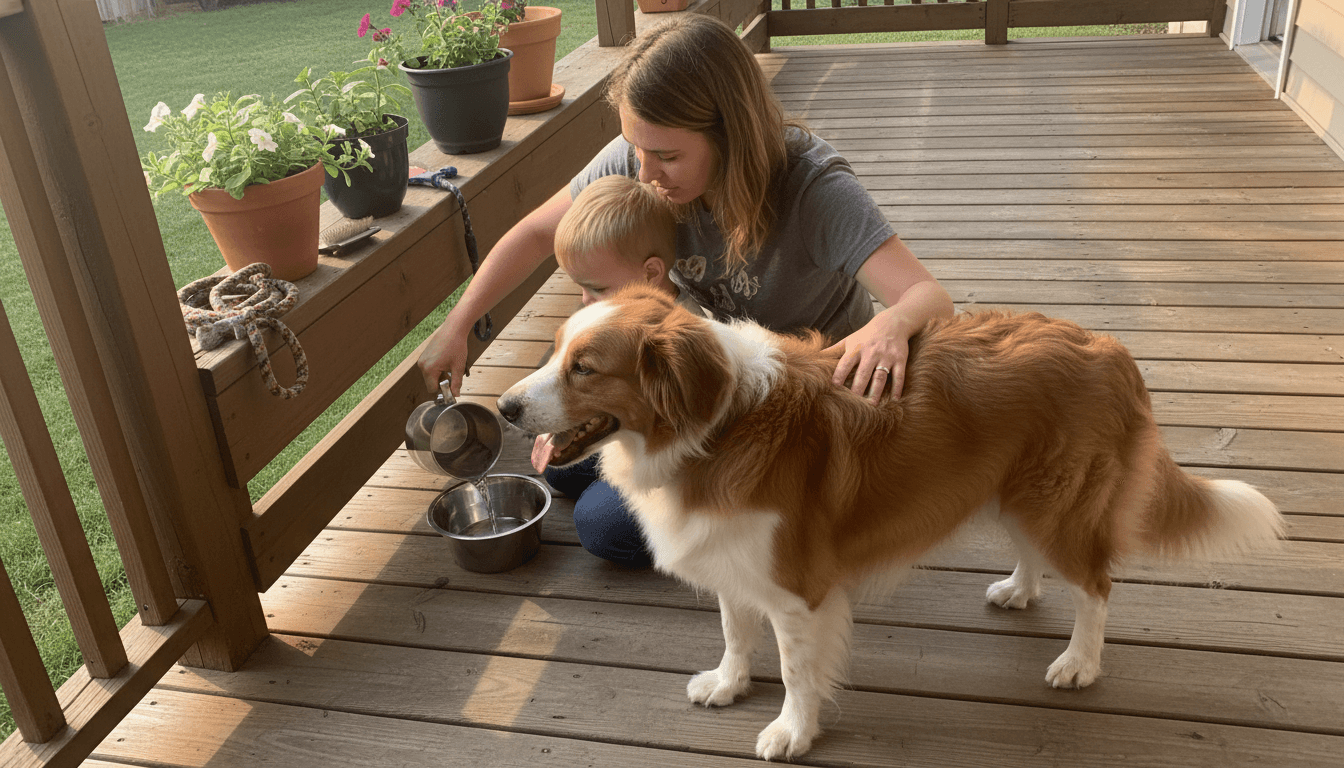
Taking care of a dog in a busy home requires structure, patience, and a clear routine. Kids often want to be involved, and that can be a good thing when it is guided the right way. Dogs respond to consistency more than anything else — when feeding, exercise, and rest happen on a steady schedule, behavior tends to improve and health issues are easier to spot early. If this caught your interest, don't miss Top Internet Tools for Keeping Your Dog Happy and Healthy.
Choosing The Right Dog
Not every dog fits every household, and that becomes more noticeable in homes with younger kids. Size, energy level, and temperament all play a role in how well a dog adapts to family life. Some breeds are more patient and easier to train, while others require more experience and structure.
When people talk about the best dogs for young children, they are usually referring to breeds known for steady behavior and tolerance. That doesn’t mean any dog will automatically act that way, but it does give families a starting point when making a decision. Training and supervision still matter, no matter the breed.
Adopting a dog also requires an honest look at time and energy. A high-energy dog in a low-activity household often leads to frustration on both sides.
Consistent Daily Routine
Dogs do better when their day follows a predictable pattern. Meals should be served at the same time, and portion sizes should stay consistent. Overfeeding is common in family homes, especially when more than one person takes part in feeding. Water should always be available, and bowls should be cleaned often to avoid buildup.
Walks should happen at least once or twice a day depending on the dog’s age and energy level. Even a short walk provides structure and helps reduce restlessness indoors. Kids can help with simple parts of the routine — filling the water bowl, helping prepare meals — but adults should oversee the schedule to keep it steady.
Paw And Foot Care
Dogs rely on their paws for everything, but this area is often overlooked until there is a problem. Rough surfaces, hot pavement, and cold weather can all cause dryness or cracking. Regular checks help catch issues early before they become painful.
Using a dog paw balm can help protect the pads and keep them from drying out, especially during seasonal changes. It also creates a barrier against rough ground, which matters for dogs that spend a lot of time outside. Keeping nails trimmed is just as important, since overgrown nails affect how a dog walks and can lead to discomfort over time.
If a dog starts licking its paws more than usual, it is usually a sign of irritation or sensitivity that needs attention.
Exercise And Mental Stimulation
Dogs need both physical activity and mental engagement to stay balanced. Walks alone are not always enough, especially for more active breeds. Games like fetch, simple training exercises, and interactive toys help keep a dog focused and less likely to develop unwanted habits.
Without enough activity, dogs can become destructive or anxious. Chewing furniture, barking excessively, or pacing around the house are often signs that a dog is not getting enough stimulation. Breaking activity into shorter sessions throughout the day works well for families with limited time.
Kids can take part in play, but supervision is important to keep interactions safe and positive.
Basic Training Habits
Training does not need to be complicated, but it does need to be consistent. Simple commands like sit, stay, and come should be practiced regularly. Dogs learn through repetition, so short daily sessions are more effective than occasional long ones.
Using a calm tone and clear expectations helps the dog understand what is being asked. Mixed signals — allowing a behavior one day and correcting it the next — slow down progress and create confusion. Everyone in the household should follow the same rules so the dog gets a consistent message.
Positive reinforcement, such as treats or praise, tends to work better than punishment. It builds trust and encourages the dog to repeat the right behavior.
Clean Living Space
A clean environment supports a dog’s health and keeps daily care easier. Bedding should be washed regularly, and food and water areas should be kept free of buildup. Toys should be checked and cleaned since they collect dirt and saliva over time.
Grooming also plays a role here. Brushing removes loose hair and helps reduce shedding around the house. It also gives owners a chance to check for skin issues, bumps, or signs of irritation.
Dogs that spend time outdoors may need more frequent cleaning, especially after muddy or dusty conditions. Keeping these habits in place helps prevent minor issues from turning into bigger ones.
Caring for a dog in a family home depends on steady habits and attention to small details. When routines stay consistent, most challenges become easier to manage and less likely to grow into long-term problems.