
Is there such a thing as a gay dog? Not in the way humans use the word. Dogs do not have a sexual orientation or identity, and mounting, humping, or bonding closely with a same-sex dog is normal canine behavior driven by play, excitement, stress relief, or hormones—not attraction. It says nothing about a dog "being gay."
Where the "Gay Dog" Question Comes From
Owners usually ask whether they have a gay dog after watching two same-sex dogs mount each other, or after noticing a dog that consistently prefers the company of one particular dog. It's an understandable interpretation, but it applies a human framework to an animal that doesn't share it. According to Hill's Pet Nutrition, there is no scientific evidence that dogs or cats have a sexual orientation the way people do. What looks like romantic or sexual preference is almost always a behavior with a very different root cause.
Same-sex mounting has been documented across the animal kingdom, and in dogs it shows up regardless of age, sex, or whether the dog is spayed or neutered. In other words, it's common enough to be considered a routine part of how dogs interact—not a marker of identity.
Why Dogs Mount Other Dogs of the Same Sex
Mounting is one of the most misread behaviors in dogs. PetMD notes that dogs hump for many reasons—excitement, play, attention-seeking, anxiety, and hormones—not just sex or dominance. The most common triggers include:
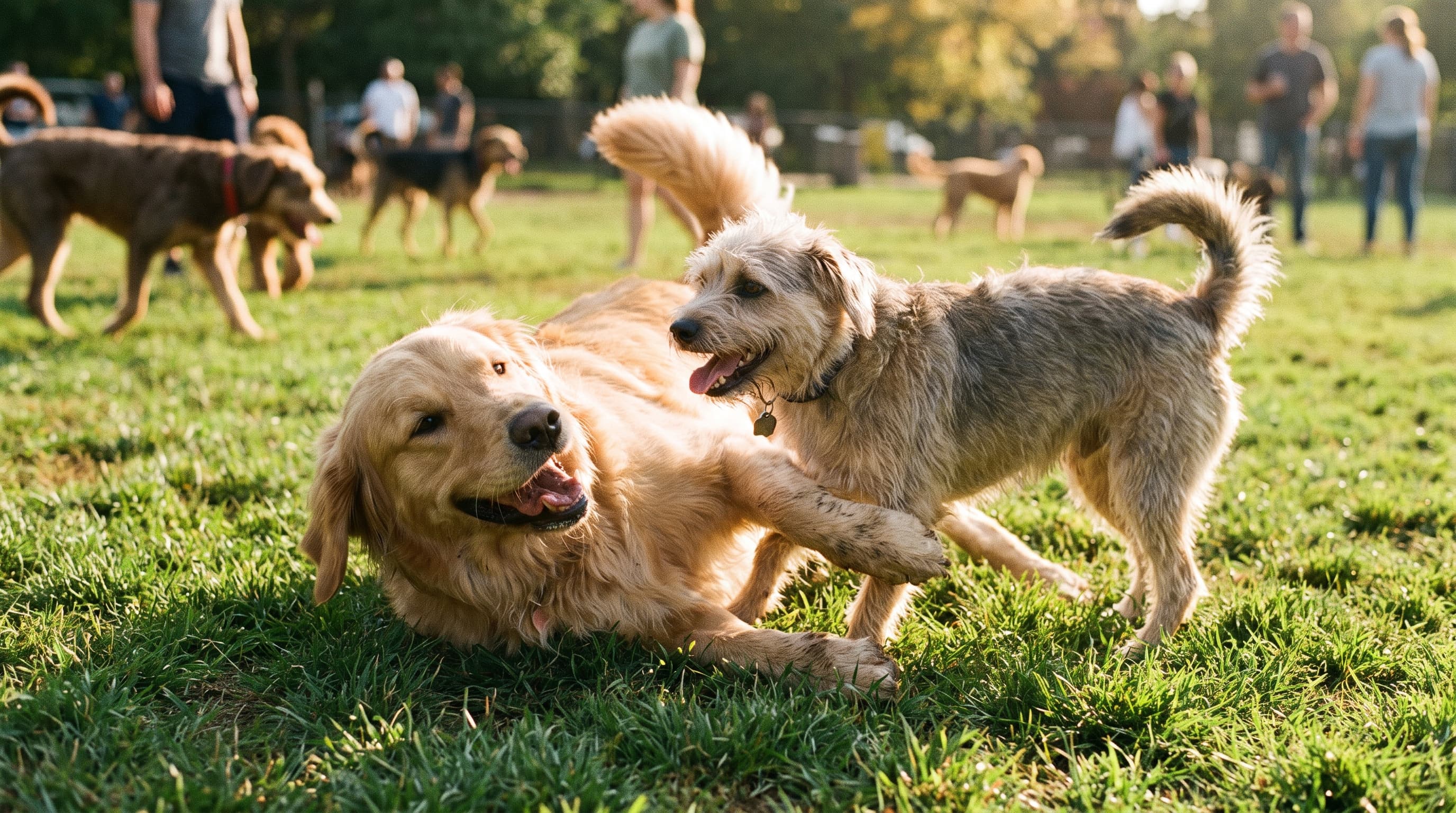
- Play and social interaction. Dogs mount during play with dogs of either sex, and it often has nothing to do with reproduction.
- Overexcitement. A dog that's over-aroused at the park or when guests arrive may mount as an outlet for that energy.
- Stress and self-soothing. Humping can be a way for an anxious dog to relieve tension.
- Hormones and habit. Intact dogs may mount more, but neutered dogs do it too when it's become a learned pattern.
- Medical or skin irritation. Occasionally, urinary tract issues or itching can prompt mounting-like behavior.
The veterinary team at Dogster lists hormonal behavior, dominance displays, playful gestures, stress relief, and medical problems as the five leading causes when male dogs mount other males—none of which relate to sexual orientation.
Is Dominance the Real Explanation?
For years, same-sex mounting was chalked up to "dominance." Modern behavior science has largely moved away from that framing. As PetPlace explains, mounting is context-dependent and rarely a clean display of a dog trying to rank over another. Two dogs of the same sex may mount each other during play without any status contest at all. Reading every hump as a power move can cause owners to punish normal behavior or misjudge a perfectly healthy relationship between two dogs.
Do Dogs Form Same-Sex Bonds?
Dogs absolutely form strong preferences for specific companions, and sometimes that companion is the same sex. A dog may have a "best friend" it seeks out at daycare or a housemate it sleeps curled against every night. These are genuine social bonds—dogs are deeply social animals—but they are companionship and attachment, not romantic orientation. AnimalWised emphasizes that these behaviors reflect natural social and emotional needs rather than human-style sexuality. If you want to get better at reading these relationships, our guide to dog body language breaks down the signals dogs use with each other.
Should You Try to Stop the Behavior?
Occasional mounting during play is normal and usually doesn't need intervention. You may want to gently redirect it when:
- It becomes obsessive or interferes with the dog's daily life.
- The other dog is clearly uncomfortable or the play is escalating toward conflict.
- It's paired with signs of anxiety, so the root stress needs addressing.
- It appears suddenly in a previously calm dog, which can signal a medical issue worth a vet visit.
Redirection—calling the dog away, offering a toy, or asking for a known cue—works better than punishment. Plenty of high-energy behaviors, from mounting to the post-play zoomies, are simply a dog blowing off steam. Spaying or neutering can reduce hormone-driven mounting in some dogs; our overview of when and how to spay your dog covers the timing and trade-offs.
What Research on Same-Sex Behavior in Animals Shows
Same-sex sexual behavior is one of the most widely documented phenomena in the animal kingdom, observed in hundreds of species from penguins to primates to domestic dogs. Biologists are careful to distinguish behavior from orientation. A behavior is something an animal does; an orientation is a stable, self-aware identity. Animals routinely display the former without any evidence of the latter. In dogs, mounting a same-sex partner is a behavior with immediate, practical triggers—play, arousal, stress, hormones—rather than a lifelong preference.
This matters because framing normal canine behavior in human terms can lead owners astray. If you believe your dog "is gay" and therefore expect it to reject the opposite sex, you may misread perfectly ordinary interactions. And if you find same-sex mounting embarrassing and punish it, you can create anxiety around play and socializing. Understanding the science keeps your responses grounded and fair to your dog.
Do Female Dogs Show Same-Sex Behavior Too?
Yes. Mounting is often assumed to be a male behavior, but female dogs mount other females (and males) as well. Spayed and intact females alike may mount during play, when overexcited, or as a stress response. A female dog humping another female is displaying the same normal, non-sexual repertoire as a male dog—it is not a statement about orientation. As with males, sudden or compulsive mounting in a female, especially if paired with excessive licking or signs of discomfort, is worth a veterinary check to rule out urinary tract infections, skin irritation, or hormonal issues.
Reading the Difference Between Play, Stress, and Conflict
Because mounting can mean several different things, the useful skill for owners is reading the surrounding context rather than the mount itself. Loose, wiggly body language, play bows, and taking turns usually signal harmless play. Stiff posture, a tucked tail, whale eye, or one dog trying to move away can signal that the interaction has tipped into stress or conflict and should be calmly interrupted. Our guide to dog body language walks through these signals in detail. When two same-sex housemates mount during relaxed play and both stay loose and happy, there is nothing to fix.
Supporting Two Same-Sex Dogs in the Same Home
Many households happily keep two dogs of the same sex who are devoted to each other. To help a same-sex pair thrive: give each dog its own bed, bowls, and one-on-one time so the bond stays healthy rather than dependent; keep play sessions balanced so one dog isn't constantly overwhelmed; and provide plenty of exercise and enrichment so excess energy doesn't turn into constant mounting or squabbling. Well-matched same-sex pairs often groom, sleep, and play together for life—a picture of canine friendship, not romance.
When to Involve a Trainer or Veterinary Behaviorist
The vast majority of same-sex mounting and bonding needs no professional help—it's ordinary dog behavior that fades with maturity, exercise, and gentle redirection. Consider reaching out to a certified professional dog trainer or a veterinary behaviorist if the behavior becomes compulsive, if it consistently triggers fights between dogs, or if it's rooted in anxiety that's affecting your dog's quality of life. A good trainer can help you redirect over-arousal and teach solid impulse-control cues, while a veterinary behaviorist can address underlying stress or medical contributors. First, though, your regular vet should rule out physical causes such as urinary tract infections, allergies, or skin irritation, which can masquerade as behavioral mounting. Approached calmly and without shame, these behaviors are simply part of understanding the dog in front of you—not a problem to be embarrassed by.
Frequently Asked Questions
Can dogs be gay?
Not in the human sense. Dogs don't have a sexual orientation or self-identity. Same-sex mounting and close same-sex friendships are normal behaviors driven by play, excitement, stress, hormones, or social bonding.
Why does my male dog hump other male dogs?
Usually play, overexcitement, stress relief, or leftover hormonal habit—not attraction or dominance. If it's sudden or obsessive, rule out a medical cause with your vet.
Does neutering stop same-sex mounting?
It can reduce hormone-driven mounting, but because the behavior is often learned or play-based, many neutered dogs still do it occasionally. Neutering is not a guaranteed fix.
Is it bad if my two same-sex dogs are inseparable?
No. Dogs form strong companion bonds, and a same-sex pair that sleeps, plays, and relaxes together is showing healthy social attachment, not a romantic relationship.
When should I worry about mounting behavior?
See your veterinarian if mounting appears suddenly, becomes compulsive, is paired with licking or straining to urinate, or if it consistently upsets other dogs. These can point to a medical or anxiety issue.
The Bottom Line
The idea of a "gay dog" is a human label that simply doesn't map onto canine behavior. Your dog isn't gay or straight—it's a dog, doing normal dog things like mounting during play, bonding with a favorite friend, and burning off excitement. Understanding the real reasons behind these behaviors makes you a calmer, more confident owner and a better advocate for your dog.
Love decoding what your dog is really telling you? Subscribe to the Daily Wag newsletter for practical, science-backed dog behavior tips delivered straight to your inbox.