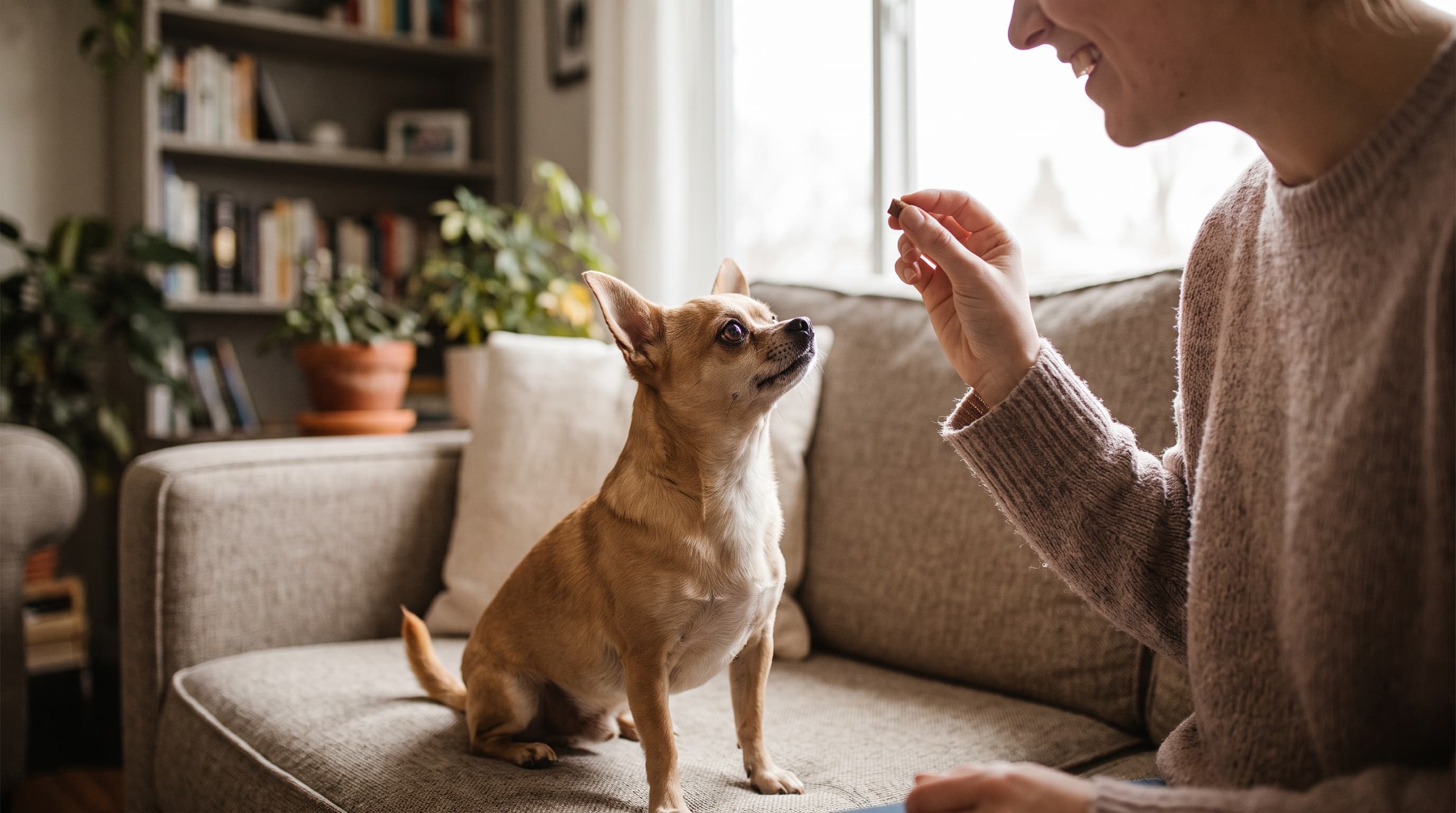

Why Are Chihuahuas So Aggressive? Causes and How to Help
Chihuahuas often seem aggressive because they are tiny dogs navigating a giant world, so they rely on growling, barking, and snapping to protect themselves when they feel threatened. Poor socialization, fear, resource guarding, pain, and owners who unintentionally reward reactivity all fuel the behavior. Chihuahuas aren't born mean—most "aggression" is fear.
Are Chihuahuas Naturally Aggressive?
No breed is born aggressive, and that includes the Chihuahua. The American Kennel Club describes the Chihuahua as "a tiny dog with a huge personality"—alert, sassy, and devoted. Those same spirited traits, combined with a two-to-six-pound body, can tip into defensiveness when the dog feels cornered or unsafe. What looks like meanness is almost always self-protection.
Studies of breed behavior consistently find that reactivity has more to do with an individual dog's genetics, early experiences, and training than with the breed name on the paperwork. A well-socialized, confidently raised Chihuahua can be affectionate and easygoing. Understanding the why behind the snapping is the first step to changing it.
Fear and Their Tiny Size
The single biggest driver of Chihuahua aggression is fear. To a dog that weighs less than a house cat, nearly everything is oversized and potentially dangerous—a reaching hand, a bounding Labrador, a toddler, even a vacuum cleaner. When a small dog can't escape a scary situation, its next best option is to make itself seem fierce. Growling and snapping are distance-increasing signals: they say "please back off."
The ASPCA classifies this as fear or defensive aggression, and notes that most dogs give clear warnings—stiffening, lip-licking, whale eye, or a low growl—before they ever escalate to a bite. Punishing those warnings only teaches a dog to skip them next time, which is why understanding fear is so important.
Lack of Socialization
Because Chihuahuas bond so tightly to one or two people, they often miss out on broad socialization. Many are carried rather than walked, kept away from bigger dogs "for their safety," and rarely exposed to new people, sounds, and places. The result is a dog that never learned the world is safe. According to the AKC, the first three months of a puppy's life are a critical window for positive exposure, and gaps during that period can create lifelong fearfulness.
The good news: socialization can continue at any age. Gradual, positive introductions—paired with treats and praise—help an under-socialized Chihuahua build confidence and stop treating novelty as a threat.
Resource Guarding and Possessiveness
Chihuahuas frequently guard the things they value most: a favorite person, a spot on the couch, food, or a toy. This is called resource guarding, and it's a normal (if inconvenient) canine instinct. VCA Hospitals explains that dogs may aggressively protect novel or highly desirable objects, and that prevention through early, positive training is key. A Chihuahua that snaps when you approach its bowl or reach for its person is usually saying "this is mine and I'm afraid you'll take it."
Never punish guarding directly—that raises the stakes and can worsen the behavior. Instead, teach the dog that your approach predicts good things, such as trading a chew for an even better treat.
"Small Dog Syndrome": How Owners Accidentally Encourage It
A big part of Chihuahua reactivity is human-made. Behavior we'd never tolerate from a Rottweiler—lunging at strangers, growling on the lap, refusing to be handled—often gets laughed off or even soothed in a tiny dog. Scooping up a growling Chihuahua, cooing at it, and removing it from the "threat" can accidentally reward the very behavior you want to stop.
This pattern, sometimes nicknamed "small dog syndrome," isn't a medical condition; it's a training gap. Chihuahuas are smart and quick to learn what works. If snapping makes scary things disappear, they'll keep snapping. Holding a Chihuahua to the same clear, kind rules you'd use for a large dog is one of the most effective ways to reduce aggression. Our guide to whether Chihuahuas are smart explains just how fast this breed picks up on patterns—for better or worse.
Pain and Medical Causes
A sudden change in temperament—especially in a previously friendly dog—can signal pain or illness. Chihuahuas are prone to dental disease, luxating patellas, and other conditions that can make them irritable or defensive when touched. Trembling is common in the breed and can reflect cold, excitement, stress, or discomfort; our article on why Chihuahuas shake covers the possibilities. This is general information, not medical advice: if your dog's aggression appears suddenly or is paired with other symptoms, see your veterinarian to rule out a health cause before assuming it's behavioral.
How to Calm and Train an Aggressive Chihuahua
Reducing Chihuahua aggression comes down to building confidence and using consistent, reward-based training. As behavior experts note, this breed responds far better to treats and praise than to corrections. A few proven approaches:
- Reward calm behavior. Mark and treat your dog for relaxed responses to people, dogs, and sounds instead of soothing the panic.
- Socialize gradually. Introduce new experiences at a distance the dog can handle, then slowly decrease that distance as it stays relaxed.
- Respect warnings. Never punish a growl. Give the dog space and address the underlying fear.
- Set consistent rules. Ask for four-on-the-floor greetings and gentle handling, and avoid rewarding reactivity by picking the dog up mid-snap.
- Use positive reinforcement. Trade for guarded items, teach "place" and "leave it," and keep sessions short and upbeat.
- Manage the environment. Provide a safe retreat, protect the dog from rough handling by children, and don't force interactions.
Consistency and patience matter more than any single technique. Most Chihuahuas relax noticeably once they learn that the world is predictable and that they don't have to defend themselves.
When to Call a Professional
If your Chihuahua's aggression is escalating, has caused a bite, or doesn't improve with basic training, it's time to bring in help. A certified professional dog trainer or a veterinary behaviorist can build a customized behavior-modification plan and rule out medical contributors. There's no shame in it—early professional guidance often resolves problems that would only worsen if left alone. For broader context on this spirited breed, our complete Chihuahua breed guide is a helpful next read.
Frequently Asked Questions
Are Chihuahuas the most aggressive dog breed?
Some behavior surveys rank Chihuahuas high for reactivity, but this reflects fear and under-socialization far more than any inborn meanness. With good training and socialization, Chihuahuas can be gentle, affectionate companions.
Why is my Chihuahua suddenly aggressive?
Sudden aggression can signal pain, illness, or a frightening experience. Have your veterinarian check for medical causes first, then address any fear or environmental triggers with reward-based training.
How do I stop my Chihuahua from biting?
Avoid punishing warning growls, reward calm behavior, socialize gradually, and set consistent handling rules. Teach "leave it" and trading games, and consult a professional trainer if biting continues.
Do Chihuahuas grow out of aggression?
They don't outgrow it on their own—behavior changes only with training and socialization. The earlier you start building confidence and clear rules, the better the outcome, though adult dogs can improve too.
Are male or female Chihuahuas more aggressive?
Individual temperament, socialization, and training matter far more than sex. Both males and females can be sweet or reactive depending on how they're raised and handled.
Is it cruel to pick up my Chihuahua when it growls at another dog?
Scooping a growling dog can accidentally reward the reaction and reinforce fear. Instead, calmly increase distance, reward relaxed behavior, and work on desensitization over time.
A Calmer, Happier Chihuahua Is Possible
Chihuahuas aren't villains—they're pint-sized dogs doing their best to feel safe. Once you address the fear, close the socialization gaps, and hold your dog to fair, consistent rules, that "aggression" usually melts into the affectionate, bold personality the breed is famous for. Want more training and breed insights delivered weekly? Subscribe to the Daily Wag newsletter for expert-backed tips to help every dog—big or tiny—thrive.