
Are Dalmatians Mean? The Truth About This Spotted Breed's Temperament
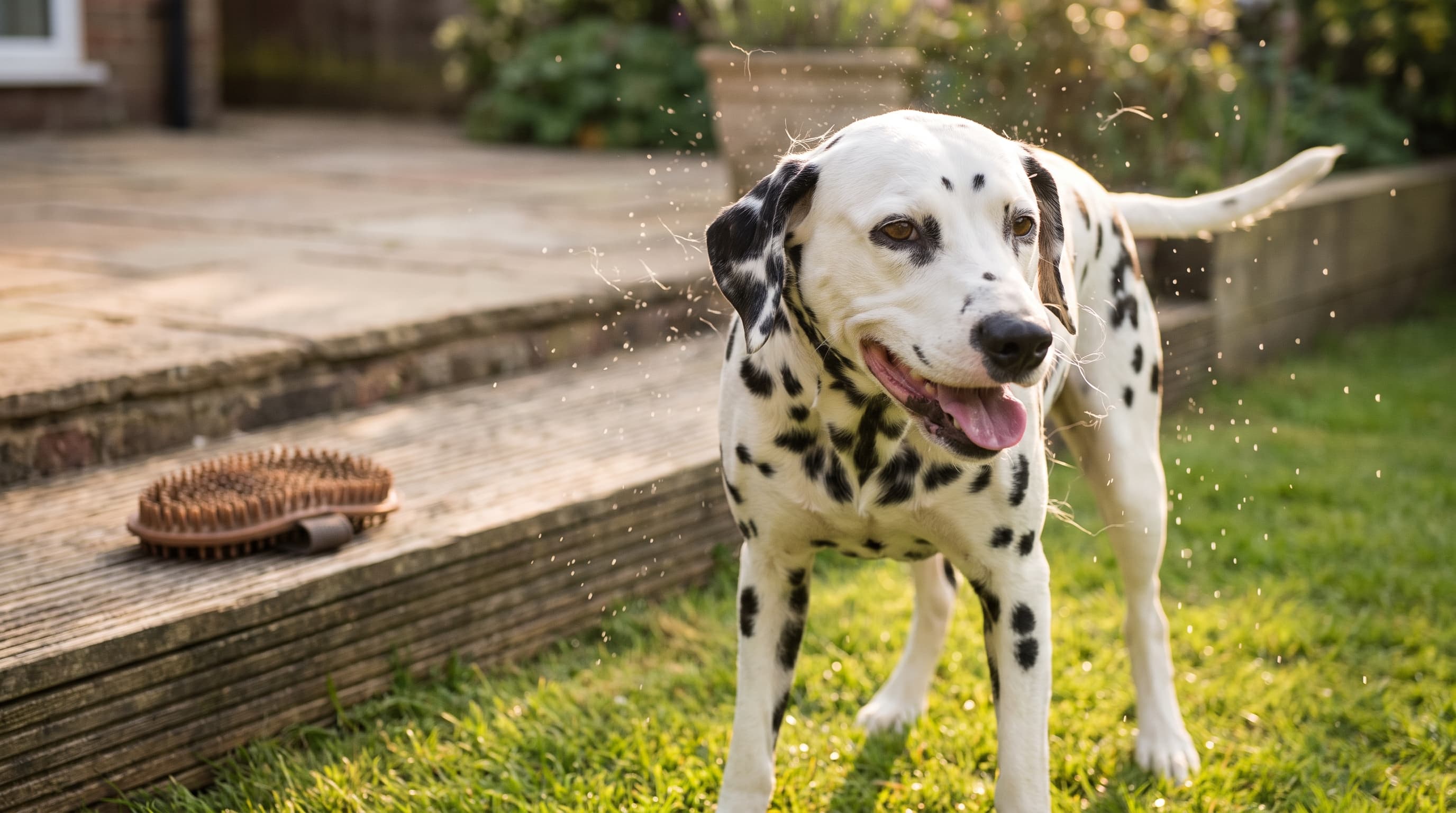
No, Dalmatians are not mean. They are affectionate, loyal, and playful with the people they know, though they can be aloof with strangers and highly energetic. The breed's tough reputation comes mostly from a history of poor breeding, undersocialization, and boredom-driven behavior — not from any inborn aggression. A well-raised, well-exercised Dalmatian is a friendly family dog.
Few breeds carry as much myth as the Dalmatian. Thanks to movies, memes, and a wave of impulse buying, spotted dogs have picked up a "mean" label they rarely deserve. Let's separate the reputation from the reality.
Are Dalmatians Actually Mean or Aggressive?
The short answer is no. As the breed experts at Adopt a Pet put it plainly: "Dalmatians are not mean; they are generally affectionate and friendly, especially with family." They are not inherently aggressive dogs.
What Dalmatians are is intense. They were bred as carriage dogs that trotted for miles beside horse-drawn coaches and fire engines, and that working heritage left them with tremendous stamina, a sharp guarding instinct, and a need for a job. When those needs go unmet, a Dalmatian can become reactive, mouthy, or destructive — behavior that is easy to mislabel as "mean" but is really unspent energy and stress.
Where the "Mean Dalmatian" Reputation Comes From
Several factors combined to give this breed a bad rap:
- The Hollywood popularity spike. Every time a spotted-dog movie hit theaters, demand exploded and irresponsible breeders rushed to cash in. Puppy-mill and backyard breeding prioritized quantity over temperament, producing anxious, poorly bred dogs — and a wave of surrenders when families realized how much work the breed is.
- High energy mistaken for hyperactivity. A bored Dalmatian that jumps, nips, and bounces off the walls looks unruly, but it is usually just under-exercised.
- Congenital deafness. Dalmatians have one of the highest rates of inherited deafness of any breed. Studies cited by breed references range from roughly 16% to 25% of Dalmatians being deaf in one or both ears. A dog that cannot hear you approach may startle and snap — not out of meanness, but out of surprise.
- A long memory. Dalmatians are often described as never forgetting harsh treatment, so a dog that was handled roughly early on may stay wary of certain people or situations.
Understanding the Real Dalmatian Temperament
Talk to owners and the picture that emerges is a smart, sensitive, people-oriented dog. Hill's Pet describes the breed as "confident, bright and eager to please," bonding deeply with their families. They are famous for a goofy "smile" and for leaning their whole body against the people they love.
At the same time, Dalmatians are, in the words of Embrace Pet Insurance, "slightly reserved with strangers" and make excellent watchdogs "without aggression." They combine high intelligence with a stubborn, independent streak, which means training rewards consistency and patience. This is a dog that wants to be with its family nearly all the time; left alone and idle for long stretches, it can develop anxiety and problem behaviors.
Are Dalmatians Good With Kids and Other Pets?
Yes — with the right foundation. A well-socialized Dalmatian can be a wonderful, playful companion for children. Because the breed is large, bouncy, and powerful, supervision is essential around toddlers and very young kids, and children should be taught to interact gently. Early socialization during the critical puppy window sets the tone for a lifetime of good manners.
Dalmatians historically lived in stables alongside horses and other animals, and many get along well with dogs and cats they are raised with. Some individuals can be reactive toward unfamiliar dogs, so thoughtful introductions matter. If you are weighing family-friendly breeds, compare notes with our guides on whether German Shepherds are good with kids and our roundup of the best dogs for families with kids.
Do Dalmatians Get Aggressive? Fear, Deafness, and Socialization
Any dog of any breed can show aggression under the right (or wrong) circumstances, and it almost always traces back to fear, pain, poor socialization, or a lack of training rather than an evil streak. Research summarized in canine behavior science shows there is a critical socialization window in early puppyhood: dogs that miss out on positive exposure to people, places, and other animals are far more likely to become fearful or reactive adults.
For Dalmatians specifically, two things move the needle most:
- Hearing testing and awareness. Because deafness is common, reputable breeders BAER-test puppies. Knowing whether your dog can hear helps you avoid startling it — approach a sleeping or deaf Dalmatian within its line of sight, and teach hand signals.
- Early, ongoing socialization. Puppy classes, calm exposure to new experiences, and reward-based training build a confident, friendly adult.
If you are already living with a reactive dog, aggression is manageable with the right help — our deeper dive on whether dog aggression can be cured walks through what actually works. For any sudden or serious behavior change, consult a veterinarian or a certified behaviorist to rule out pain or a medical cause.
How to Raise a Friendly, Well-Behaved Dalmatian
Set a Dalmatian up to be its best self and the "mean" question never comes up. The essentials:
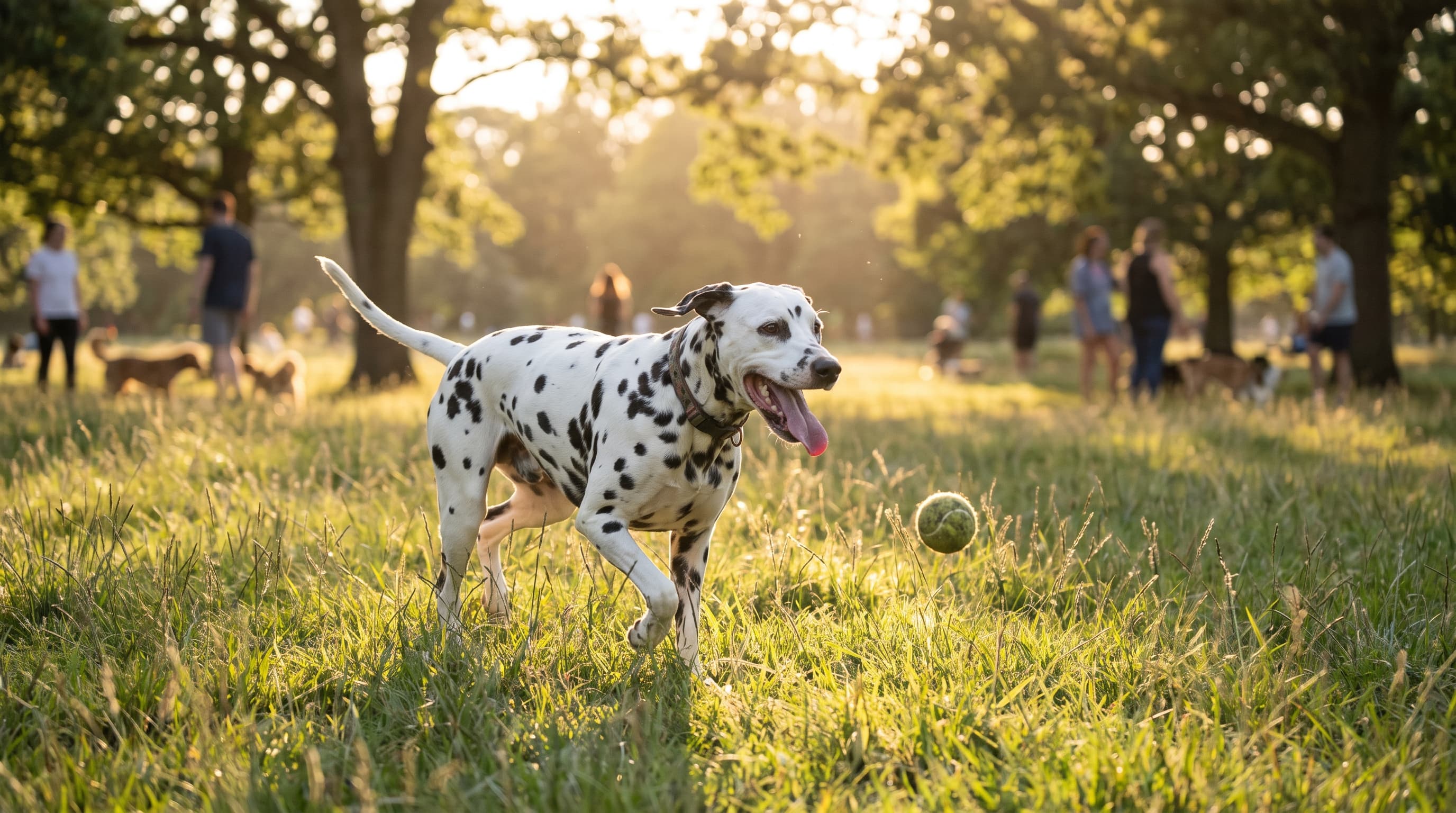
- Exercise, then exercise more. Adults need 60+ minutes of vigorous daily activity — running, hiking, fetch, or dog sports. A tired Dalmatian is a well-behaved Dalmatian.
- Mental work. Puzzle feeders, training games, and scent work satisfy their busy minds.
- Positive, consistent training. Short, upbeat sessions with treats and praise beat harsh corrections, which this sensitive breed resents.
- Early socialization. Introduce your puppy to a wide, positive variety of people, dogs, and settings during the first few months.
- Companionship. This is not a dog to leave alone in the yard. Dalmatians thrive as full members of an active household.
Frequently Asked Questions
Are Dalmatians naturally aggressive?
No. Dalmatians are not naturally aggressive. Any aggression usually stems from fear, poor breeding, lack of socialization, being startled (often due to deafness), or unspent energy — all of which are preventable or manageable.
Why do Dalmatians have a bad reputation?
Their reputation stems largely from movie-driven popularity spikes that fueled irresponsible breeding, plus the breed's very high energy and high rate of congenital deafness. Poorly bred, undersocialized, or under-exercised dogs gave the whole breed an unfair label.
Are Dalmatians good family dogs?
Yes, for the right family. Active households that can provide plenty of exercise, training, and companionship find Dalmatians affectionate, loyal, and playful. They are less suited to sedentary homes or owners away for long hours.
Do Dalmatians bite?
Like any dog, a Dalmatian may bite if frightened, in pain, or provoked — and deaf dogs can snap when startled awake. Proper socialization, gentle handling, and approaching within a dog's sightline dramatically reduce the risk.
Are Dalmatians good with children?
Well-socialized Dalmatians can be excellent with children, but their size and energy mean interactions with young kids should always be supervised, and children should learn to handle them gently.
Do Dalmatians remember if you mistreat them?
Dalmatians are noted for long memories and can stay wary of people or situations tied to bad experiences. This is one more reason to rely on positive, reward-based training rather than punishment.
The Bottom Line
Dalmatians are not mean — they are brilliant, high-octane, deeply loyal dogs that need an active owner and early socialization to shine. Give one enough exercise, training, and companionship, and you will find the spotted "mean dog" of legend is actually a grinning, velcro-close best friend.
Falling for those spots? Get to know two eye-catching variations of the breed: the elegant long-haired Dalmatian and the rare lemon Dalmatian. And for weekly breed truths, training tips, and dog science, subscribe to the Daily Wag newsletter.