
What Do Dogs Think About? Inside Your Dog's Mind
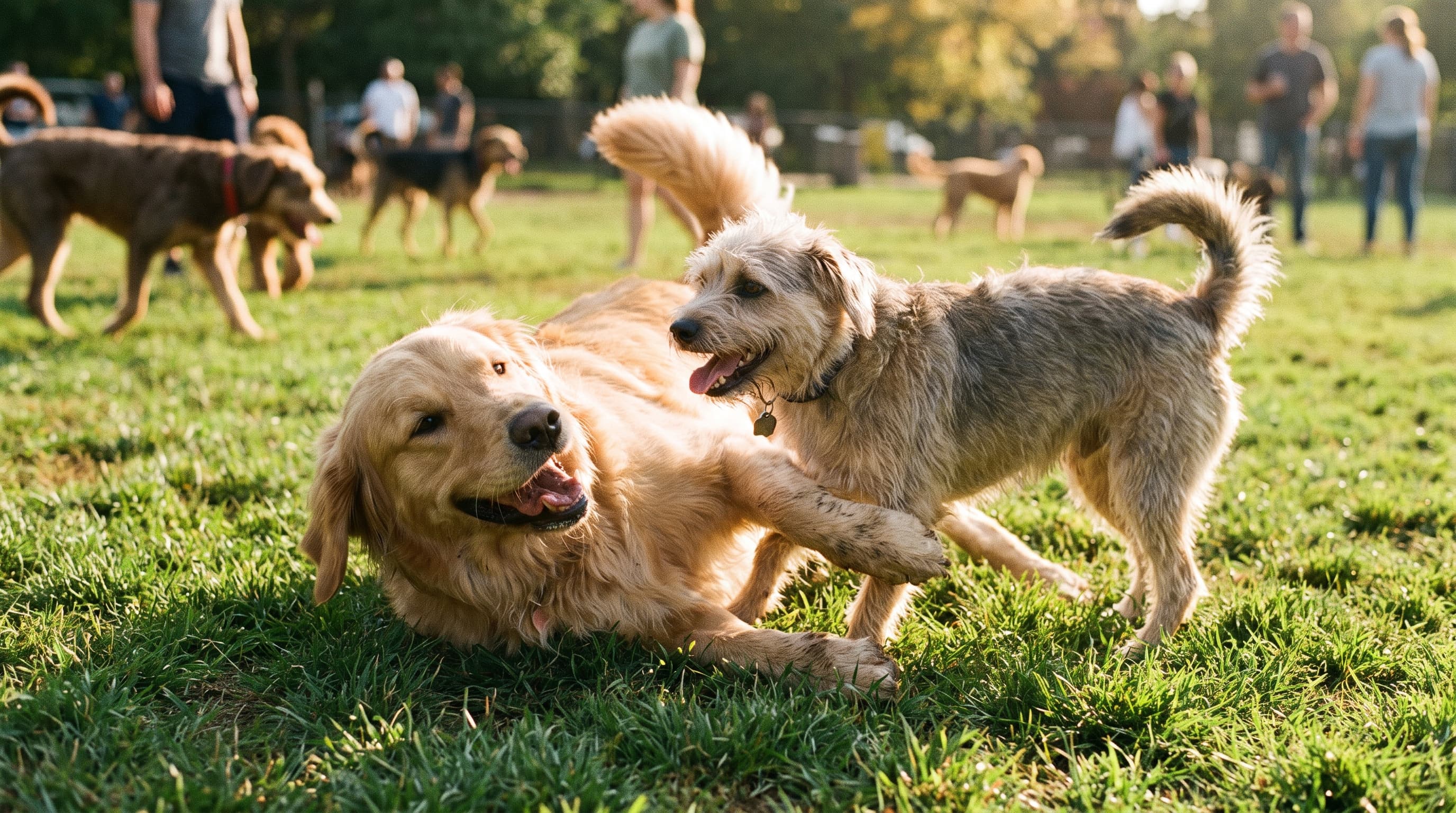
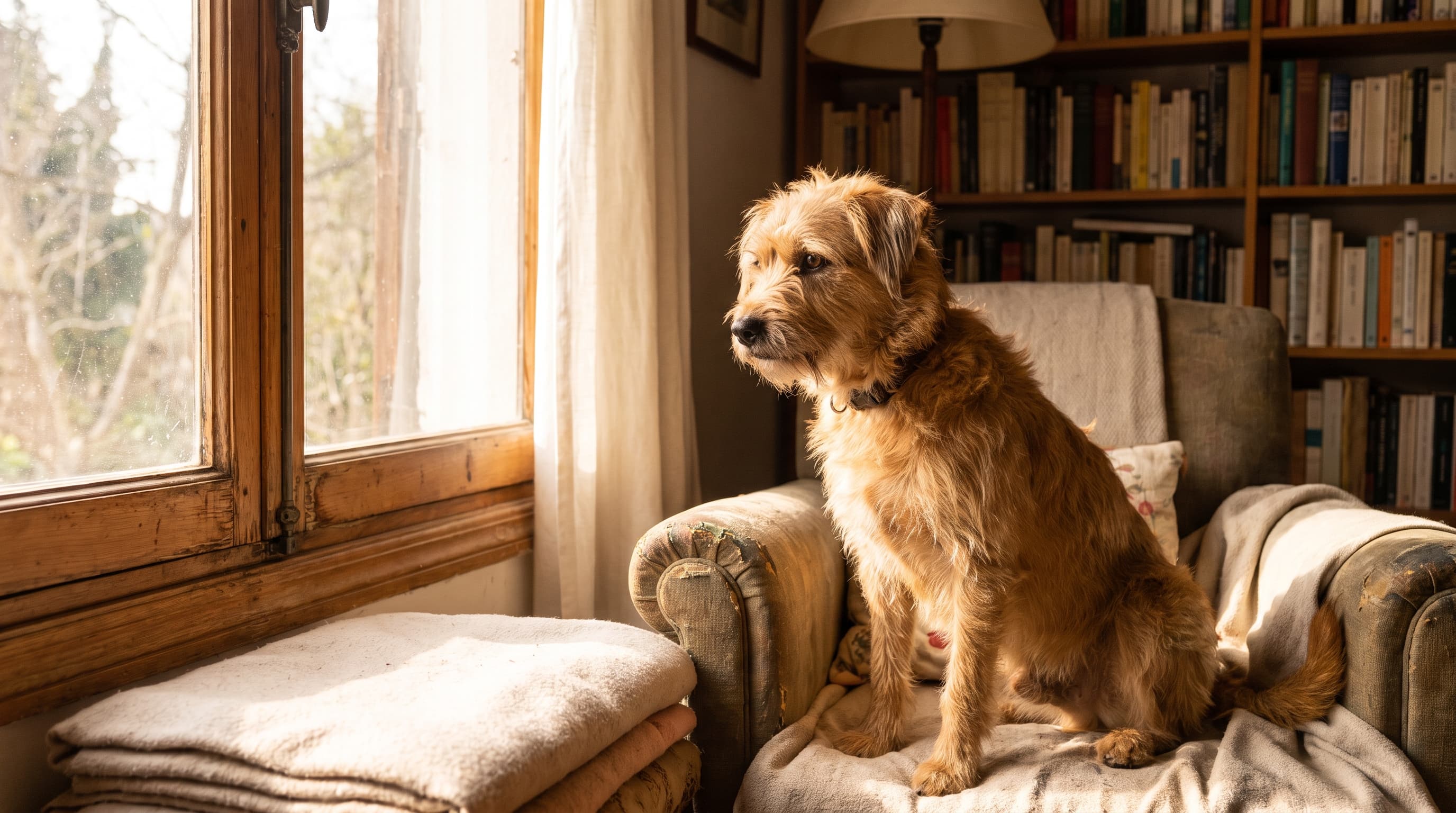
Dogs think mostly about the present moment—food, their favorite people, play, walks, smells, and what's happening next. Research suggests they live largely in the now rather than dwelling on the past or planning the future. Their thoughts are driven by core needs, strong associations, and emotional memories of the humans and animals they know.
We can't read a dog's mind directly, but decades of canine cognition research give us a remarkably good picture of what occupies it. Below, we explore what science says dogs think about, whether they remember the past, how they feel about you specifically, and what's really going on behind those soulful eyes.
Do Dogs Actually Think?
Yes—dogs are genuine thinkers, not just bundles of reflexes. They solve problems, make choices, read human cues, and form expectations about what comes next. As the American Psychological Association reports, canine cognition is a thriving research field, with studies showing dogs understand pointing gestures, follow human gaze, and grasp simple cause and effect.
Their thinking just looks different from ours. Dogs don't use language internally the way humans do, and their reasoning is tightly tied to their senses—especially smell—and to emotion. According to Hill's Pet, dogs process the world primarily through scent, memory, and association rather than abstract logic. Consider that a dog's sense of smell is tens of thousands of times more sensitive than ours: where we see a room, a dog "reads" a rich layered history of who and what has passed through it. So much of canine thought is really a running interpretation of scent information we can't even perceive, which is one reason a sniff-filled walk can be as mentally tiring for a dog as a long training session.
What's on a Dog's Mind Day to Day?
When researchers and behaviorists describe a dog's mental life, the same themes come up again and again. Per GoodRx, much of a dog's thinking revolves around a handful of priorities:
- Food: Anticipating meals, remembering where treats come from, and zeroing in on tempting smells.
- Their people: As deeply social animals, dogs spend mental energy on their favorite humans—where you are, what you're doing, and whether you're about to interact with them.
- Play and physical needs: Walks, fetch, sleep, and bathroom breaks all factor heavily, and dogs notice when a routine is overdue.
- Safety and territory: Monitoring the environment for anything new, unfamiliar, or potentially threatening.
- Instinct: Breed-driven urges—herding, chasing, sniffing, retrieving—color what catches a dog's attention.
In other words, a dog's mind is practical and present-focused. USA Dog Behavior describes a typical day as a stream of immediate interests rather than long, wandering trains of thought.
Do Dogs Think in Words or Pictures?
Dogs don't have internal monologues in human language, but they clearly understand words associated with meaning—"walk," "treat," "vet," their own name, and many commands. Some exceptional dogs, like the famous border collie Chaser, have learned the names of over a thousand objects, showing dogs can map sounds to specific things.
Most researchers believe dogs think largely in sensory terms: smells, sounds, images, and feelings linked together by experience. The scent of a leash plus the sight of your shoes might combine into a single happy expectation—"we're going outside." Nylabone notes that dogs build a web of these associations to navigate daily life.
Do Dogs Remember the Past?
Dogs have memory, but it works differently from human recall. They excel at associative memory—linking people, places, and events to feelings. That's why a dog can be thrilled by a particular friend, wary of the vet's parking lot, or excited by a specific squeaky toy years later.
What dogs seem to lack is rich episodic memory—the human ability to mentally replay a specific past event in detail. They likely don't lie around reminiscing about last summer's beach trip. Instead, the emotional residue of experiences shapes how they react now. This is also why patient, positive training works so well: dogs learn through repeated associations, not lectures. To go deeper, see our piece on whether dogs feel guilt—a behavior often misread as memory of "wrongdoing."
What Do Dogs Think About Their Owners?
If there's one thing dogs think about a lot, it's you. Brain-imaging studies have found that the scent of a familiar human lights up the reward center of a dog's brain, and many dogs prioritize their owner's praise as much as food. Dogs form genuine attachment bonds, much like the bond between a child and parent.
They also pay close attention to your emotions and routines, often predicting your behavior from tiny cues. Wondering whether you're truly your dog's number one? Our guide to whether dogs have a favorite person breaks down the signs. And if you've ever wondered whether your dog grasps what you say, see can dogs understand human words.
Do Dogs Think About the Future?
Dogs have a limited sense of the future, mostly tied to routine and anticipation rather than abstract planning. They learn that morning means breakfast, that a certain time means a walk, and that you grabbing your keys means you're leaving. This is prediction based on patterns, not long-range planning the way humans set goals for next year.
Their strong sense of routine is why disruptions—travel, schedule changes, a new baby—can unsettle a dog. They thrive on predictability because their "planning" is really pattern recognition. Curious how dogs perceive the passage of time at all? Read do dogs sense time.
How Smart Are Dogs, Really?
Canine intelligence is often compared to that of a human toddler. Many dogs can learn well over 150 words and signals, count small quantities, and intentionally work to get what they want—including a little harmless deception, like pretending not to hear a recall. Working and herding breeds tend to excel at task-based learning, while other breeds shine in social intelligence or independent problem-solving.
But raw "smarts" matter less than the bond. What makes dogs remarkable isn't that they think exactly like us—it's that they've evolved alongside humans to read our gestures, tone, and emotions better than almost any other animal. That social genius is why a dog can sense your mood and respond before you've said a word. Curious how dogs stack up against felines? See our take on whether dogs are smarter than cats.
Reading What Your Dog Is Thinking
You can get surprisingly good at guessing your dog's thoughts by watching body language. A loose, wiggly body and soft eyes signal happy anticipation; a hard stare and stiff posture suggest focus or unease; a tilted head often means your dog is processing a sound or word. Tail position, ear set, and even yawning or lip-licking all offer clues to what's running through their mind.
The more you observe these signals in context, the more you'll understand what your dog is "saying." It's a two-way conversation built on attention and trust—and it deepens the relationship over time. Even your dog's sleeping posture can hint at how secure and relaxed they feel; our guide to decoding your dog's sleeping positions explores what those poses reveal.
Frequently Asked Questions
Do dogs think about their owners when they're away?
Likely yes, in their own way. Dogs form strong attachments and notice your absence, which is part of why some experience separation anxiety. They don't ruminate the way humans do, but cues and routines can trigger thoughts and feelings about you.
Do dogs dream about what they think about?
Dogs do dream during REM sleep, and many researchers believe they replay daily experiences—running, playing, or interacting with familiar people and dogs. The twitching and soft barking you see is part of normal dream activity.
Can dogs feel emotions like humans?
Dogs experience core emotions such as joy, fear, anger, excitement, and love. Most experts believe they don't feel complex, self-conscious emotions like guilt or shame the way people do, even though their body language can look like it.
Do dogs think we're dogs?
Not exactly. Research suggests dogs recognize that humans are different from other dogs, yet they still include us in their social group and treat us as important companions and caregivers.
Are some dogs smarter than others?
Yes—cognitive abilities vary by individual and breed, much like people. But "smart" comes in many forms: problem-solving, obedience, social intelligence, and instinct. A clever escape-artist terrier and a biddable working retriever are simply smart in different ways.
The Takeaway
Your dog's mind is a present-focused, emotion-rich, scent-driven place where food, play, safety, and—above all—you take center stage. They may not plan their week or replay old memories like we do, but they think, feel, remember how you make them feel, and clearly hold you close in their minds. The more we learn from canine cognition research, the clearer it becomes that the bond you share isn't one-sided wishful thinking—your dog really is paying attention, forming impressions, and choosing, again and again, to be near you. That's worth appreciating on your next walk together.
Fascinated by how dogs think and feel? Subscribe to the Daily Wag newsletter for the latest canine science, behavior tips, and feel-good dog stories delivered to your inbox.