
The Best Dog-Proof Trash Can Setup (Plus DIY Fixes That Actually Work)
The most reliable dog-proof trash can is a tall, heavy stainless-steel can with a locking or step-pedal lid, kept behind a cabinet door or baby gate. Store it out of reach, empty it often, and pair it with "leave it" training. Skip motion-sensor cans for medium and large dogs — they nose the lid open easily. Prevention through access, not willpower, is what keeps your dog safe.
If your dog treats the kitchen bin like a buffet, you're not alone, and it's not a sign of a "bad" dog. Rooting through garbage is deeply natural scavenging behavior. The problem is that a single midnight raid can turn into an emergency vet visit. This guide covers why dogs do it, the real dangers involved, the trash cans and DIY tricks that genuinely work, and the training that makes the whole system stick.
Why Do Dogs Get Into the Trash?
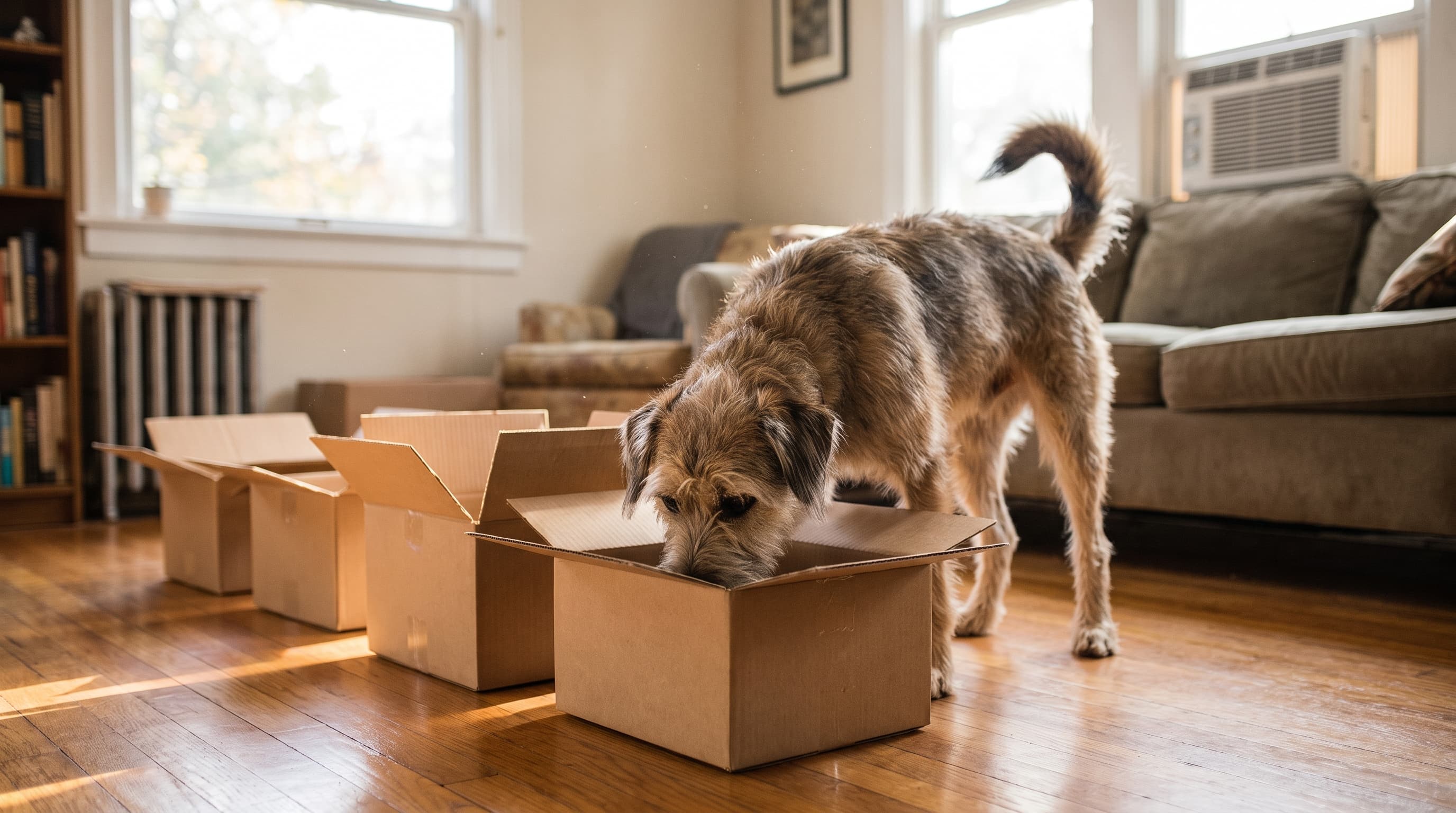
Dogs are opportunistic scavengers by instinct. Your trash can is a treasure chest of smells — last night's chicken, a greasy takeout container, a candy wrapper — and a dog's nose is thousands of times more sensitive than yours. What reads as "garbage" to you reads as "food I'm supposed to find" to them. As veterinarian Dr. Lauren Demos put it in Dogster's vet-reviewed guide, "Dogs will always get into the trash, no matter how well-behaved. What may seem no good to us might seem like a delicious meal to a dog."
Several things make the habit worse: boredom, hunger, anxiety when left alone, and the powerful reward of occasionally scoring something delicious. Because the payoff is intermittent, trash-diving is a self-reinforcing behavior — every successful raid teaches your dog that checking the bin is worth it. That's exactly why management (removing access) works better than relying on obedience alone. The same instinct drives counter-surfing, and the fixes overlap.
The Real Dangers of Trash for Dogs
This is the part that turns an annoyance into a genuine safety issue. Kitchen and bathroom trash is full of things that can seriously hurt a dog:
- Toxic foods. Per the ASPCA, common scraps like onions, garlic, grapes and raisins, chocolate, and the sweetener xylitol (in gum, candy, and baked goods) can be dangerous or even deadly. Xylitol can trigger a life-threatening drop in blood sugar within 10 to 60 minutes.
- Pancreatitis. Fatty discards — bacon grease, meat trimmings, buttery leftovers — can inflame the pancreas. VCA Hospitals lists fatty meals among the known triggers, and severe cases can require hospitalization.
- Choking and obstruction. Cooked bones, corn cobs, plastic wrap, and packaging can lodge in the throat or intestines. As K9 of Mine notes, obstruction hazards are a top reason to keep dogs out of the garbage — and blockages often mean surgery.
- Bacteria and mold. Spoiled food and moldy scraps can cause "garbage gut" — vomiting, diarrhea, and in some cases tremors from mold toxins.
- Sharp objects and chemicals. Can lids, broken glass, razors, and cleaning-product residue round out the list.
If your dog does get into something risky, keep the ASPCA Animal Poison Control number handy at (888) 426-4435, and call your veterinarian right away. This is general information, not a substitute for veterinary care.
What Makes a Trash Can Truly Dog-Proof
Not all "dog-proof" cans are created equal. Based on vet-reviewed roundups from Dogster, K9 of Mine, and Petful, the features that actually matter are:
- A secure, latching lid. The lid should stay shut even if the can gets bumped, pawed, or knocked over. A simple flap or swing top won't cut it for a determined dog.
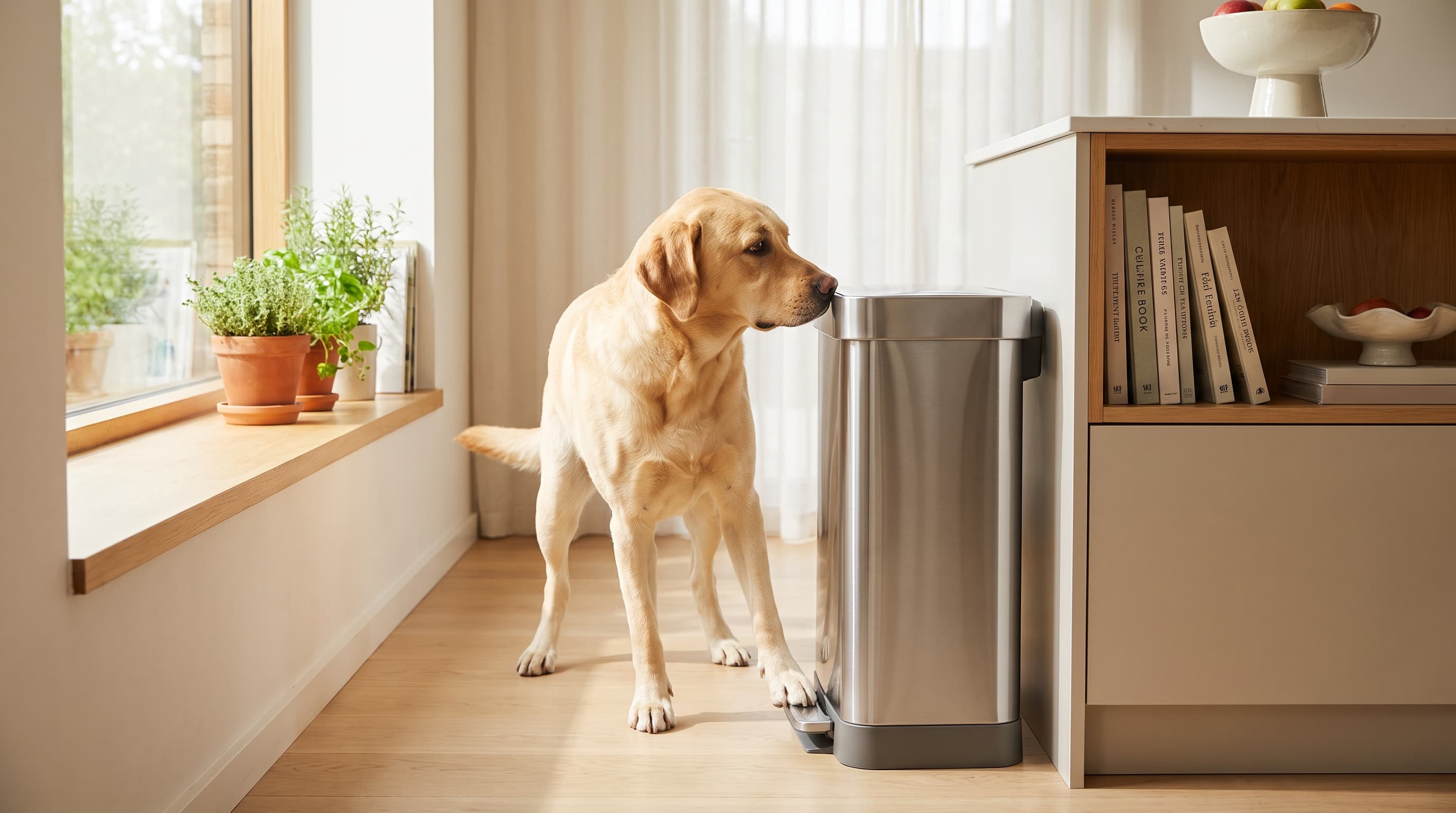
- Weight and height. A tall, heavy can (stainless steel beats flimsy plastic) resists tipping. Bigger and heavier is genuinely harder for a dog to defeat.
- A step pedal. Pedal-operated lids work well because most dogs can't coordinate paw-on-pedal to open them. Just make sure the can is heavy enough not to be shoved over.
- A side lock or child lock. A physical latch adds a second layer that paws and snouts can't solve.
One important caveat: motion-sensor cans are not reliable for medium and large dogs. Multiple reviewers warn that any dog big enough to wave its snout over the sensor can trigger the lid open. They may deter a small dog, but don't count on them for a Lab or a shepherd.
DIY Dog-Proofing Fixes That Work
You don't have to buy a new can to make progress today. These low-cost fixes are field-tested favorites:
- Hide it. The single most effective move is putting the trash where your dog can't get to it — inside a cabinet, in a pantry or closet, or behind a baby gate. A tilt-out cabinet bin or an under-sink can with a child lock removes the temptation entirely.
- Add a bungee cord. Loop a bungee over the lid and around the handle. It's a bit annoying to unclip every time you toss something, but it's a cheap, effective stopgap while you sort out a better setup.
- Weigh down the lid. A heavy object on top — or a heavier lid — makes a swing-top can much harder to open.
- Empty it often. A trash can with nothing tempting inside isn't worth raiding. Taking out the trash daily (and immediately bagging especially smelly items like meat packaging) removes the reward.
- Deterrent scents. Some owners have luck with a cloth dabbed in apple cider vinegar tucked near the can, or a pet-safe motion-activated deterrent spray. Treat these as backup, not your main defense.
Stack two or three of these together — say, a hidden can plus daily emptying plus a latch — and most dogs give up.
Training Your Dog to Leave the Trash Alone
Management removes access; training builds the habit. The two work best together. The most useful cue here is "leave it," which teaches your dog to disengage from something tempting on command. Start with a treat in a closed fist, reward your dog for backing off, and gradually work up to leaving food on the floor and, eventually, ignoring the trash area.
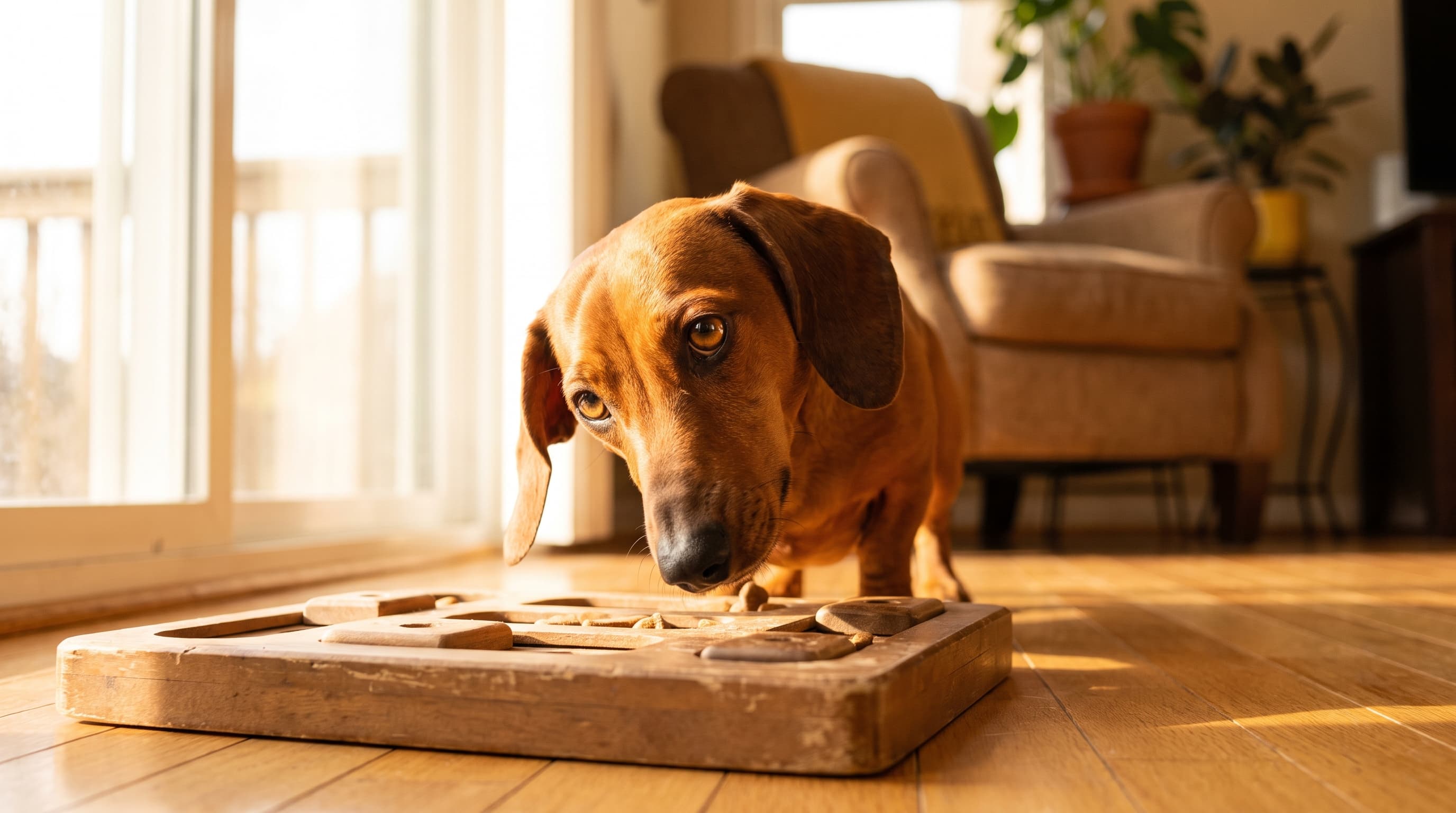
Also address the why. A dog that raids the bin out of boredom needs more enrichment: puzzle feeders, chew toys, sniff walks, and daily exercise all reduce the drive to go looking for entertainment in the garbage. Techniques like desensitization and counterconditioning can help anxious dogs who scavenge when stressed. And because trash-raiding often happens when you're out, never assume a dog is "trained" enough to leave an accessible can alone unsupervised — secure it before you leave.
What to Do If Your Dog Already Ate Something
If you catch your dog mid-raid or find a shredded bag, stay calm and take stock of what's missing. Watch for vomiting, diarrhea, lethargy, drooling, a hunched or "praying" posture, or loss of appetite — all possible signs of poisoning, pancreatitis, or obstruction. If you suspect your dog ate something toxic (chocolate, xylitol, grapes, onions) or dangerous (bones, corn cobs, plastic), call your vet or ASPCA Animal Poison Control at (888) 426-4435 immediately rather than waiting for symptoms. Having a stocked dog first-aid kit and knowing basic first-aid steps can buy valuable time in an emergency. When in doubt, always err toward calling a professional.
Frequently Asked Questions
What is the best dog-proof trash can?
The best setups combine a tall, heavy stainless-steel can with a locking or step-pedal lid, kept behind a cabinet or gate. Look for a secure latch, real weight, and enough height that your dog can't tip it. Avoid relying on motion-sensor lids for medium and large dogs.
How do I stop my dog from getting into the trash when I'm not home?
Remove access entirely: store the can inside a latched cabinet, closet, or pantry, or behind a baby gate before you leave. Don't rely on training alone when you're out — an unsupervised, accessible bin is too tempting for most dogs.
Do motion-sensor trash cans keep dogs out?
Only sometimes, and mainly for small dogs. Any dog large enough to wave its nose over the sensor can trigger the lid to open, so they're not dependable for medium or large breeds.
Why is my dog suddenly getting into the trash?
A sudden change often points to boredom, anxiety, hunger, or a new tempting smell in the bin. Increase exercise and enrichment, empty the trash more often, and secure the can. If appetite or behavior seems off in other ways too, check with your vet.
Is it dangerous if my dog ate trash?
It can be. Depending on what they ate, risks include toxic foods, pancreatitis from fatty scraps, and choking or intestinal obstruction from bones and packaging. Watch for vomiting, lethargy, or appetite loss, and call your vet or poison control right away if you suspect something harmful.
The Bottom Line
A dog-proof trash can isn't about out-willing your dog — it's about removing the opportunity. Choose a heavy, latching can, tuck it out of reach, empty it often, and reinforce it all with "leave it" and plenty of enrichment. Do that, and the midnight garbage raids — and the scary vet bills that can follow — largely disappear. Subscribe to the Daily Wag newsletter for more practical, vet-informed tips to keep your dog safe, busy, and out of trouble.