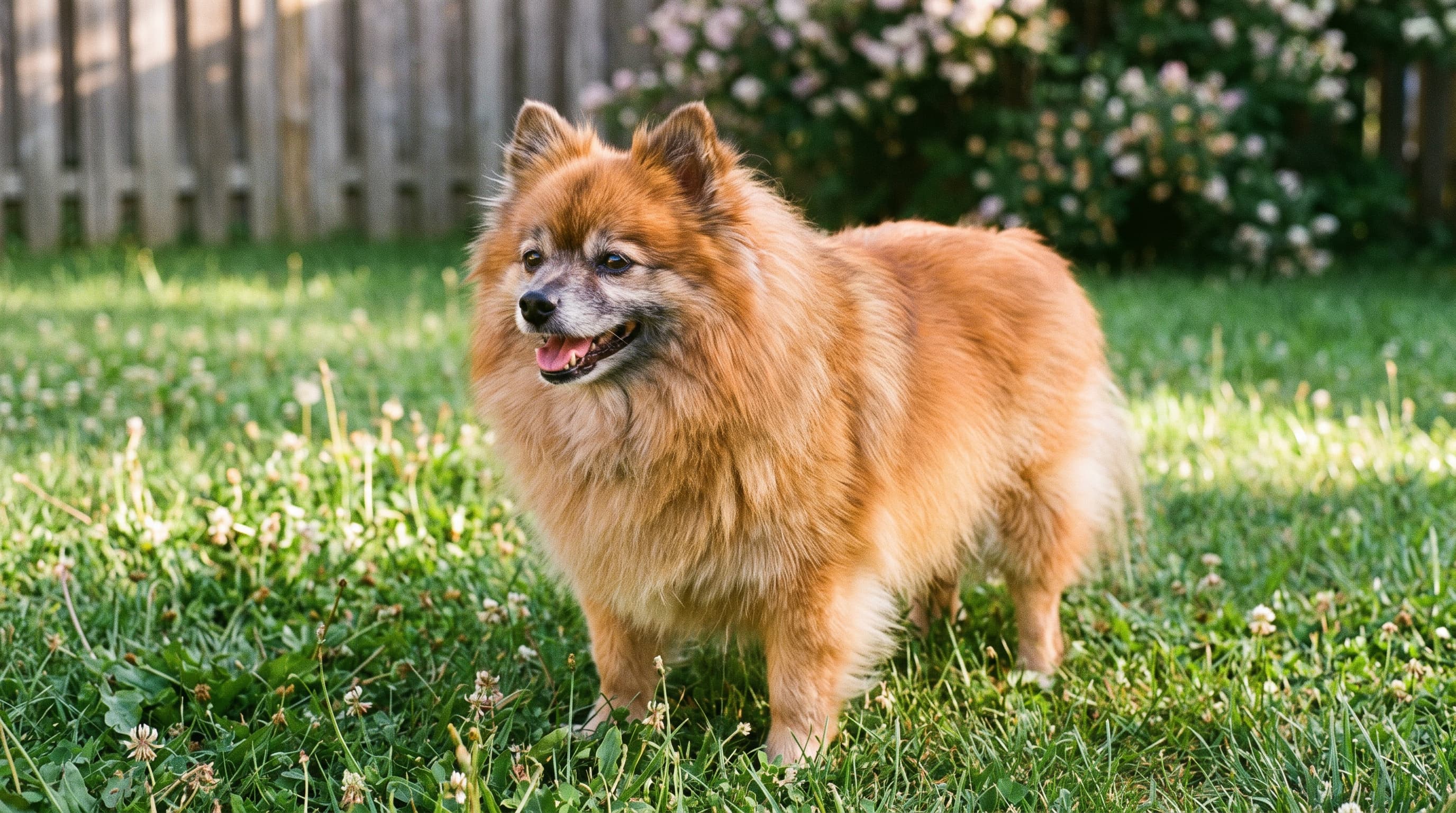

The Mexican lap dog most people mean is the Chihuahua—the tiny, big-eared companion named after the Mexican state of Chihuahua and the smallest recognized breed in the world. A second answer is the toy-size Xoloitzcuintli (Mexican Hairless). Confusingly, there was also a real, now-extinct breed literally called the "Mexican lapdog," among the smallest dogs ever recorded.
What Is the Mexican Lap Dog?
If you searched "Mexican lap dog" expecting a single breed, here is the honest answer: the phrase points to a small group of tiny companion dogs from Mexico rather than one official breed. By far the most iconic is the Chihuahua, the pint-size dog that has become a global symbol of Mexico. When people picture a "Mexican lap dog"—a dog small enough to ride in a purse or curl up on your knees—they are almost always picturing a Chihuahua.
But the term has two other meanings worth knowing. The toy variety of the ancient Xoloitzcuintli also fits the bill as a small Mexican companion. And historically, there was an actual breed documented under the name "Mexican lapdog," described as roughly the size of a guinea pig, that has since gone extinct, according to historical breed records. This guide covers all three so you leave knowing exactly which dog fits your search.
The Chihuahua: The Classic Mexican Lap Dog
The Chihuahua is the definitive Mexican lap dog. Weighing no more than about six pounds and standing just 6–9 inches tall, it is the smallest breed still in existence. Chihuahuas are famous for their apple-shaped heads, oversized erect ears, luminous round eyes, and outsized personalities. They come in smooth (short) and long coats and an enormous range of colors and patterns.
Their history runs deep. According to the American Kennel Club, the Chihuahua's ancestor was the larger Techichi, a companion dog kept by the Toltec people more than a thousand years ago. The Aztecs, who later conquered the Toltecs, are credited with refining the Techichi into the smaller, lighter dog we recognize today. The modern breed takes its name from the Mexican state where 19th-century travelers first documented these tiny dogs.
Temperamentally, Chihuahuas are bold, loyal, and fiercely devoted to their chosen person—often to the point of being a one-human dog. They are alert and make surprisingly effective little watchdogs, though that alertness can tip into excessive barking without training. Despite their size, they are confident, sometimes comically so, and need early socialization so their boldness does not curdle into reactivity. For a deeper dive, see our full Chihuahua breed guide.
The Xoloitzcuintli: Mexico's Ancient Sacred Dog
The Xoloitzcuintli (show-low-eats-QUEENT-lee), or Xolo, is Mexico's national dog and one of the oldest breeds on earth, with archaeological evidence dating back more than 3,000 years. Its name combines Xolotl, an Aztec god, with itzcuintli, the Aztec word for dog. The Aztecs considered the Xolo sacred, believing it guided souls through the underworld.
Xolos come in hairless and coated varieties and three sizes. Per the breed records, the toy Xolo weighs 10–15 pounds and stands up to 14 inches—small enough to qualify as a lap dog, though larger and more athletic than a Chihuahua. The AKC first recognized the breed in 1887 as the "Mexican Hairless," dropped it in 1959 as numbers dwindled, and re-recognized it as the Xoloitzcuintli in 2011. Calm, loyal, and intelligent, the Xolo is a wonderful companion, though the hairless variety needs sun protection and skin care.
The Extinct "Mexican Lapdog"
For trivia lovers, there was once a breed formally called the Mexican lapdog. Described as the smallest known dog breed—reportedly close to the size of a guinea pig, with puppies no bigger than hamsters—it is now extinct. Today the Chihuahua holds the title of the smallest breed still living. So if you stumbled on the phrase in an old text or a quiz question, this vanished miniature is likely what it referred to.
Other Small Companion Dogs Linked to Mexico
Beyond the big three, a few other small dogs get grouped into "Mexican lap dog" conversations, usually because of popular crossbreeds built on the Chihuahua. As breed roundups note, the Chihuahua's small size and big availability make it a foundation for countless designer mixes. Popular examples include the Chiweenie (Chihuahua × Dachshund) and dozens of other Chihuahua crosses. If you love the idea of a Mexican lap dog but want a slightly different look or temperament, exploring Chihuahua mix breeds is a smart next step.
Is a Mexican Lap Dog Right for You?
Tiny companion dogs are appealing for obvious reasons: they are portable, adaptable to small living spaces, and form intense bonds with their people. A Chihuahua or toy Xolo can thrive in an apartment and rarely needs more than short daily walks plus play. That makes them strong candidates among the best dogs for apartments.
But small does not mean low-maintenance. These dogs need real training and socialization to prevent "small dog syndrome"—the bossy, snappy, bark-at-everything behavior that develops when owners excuse bad manners because the dog is little. Their size also makes them fragile; they can be injured by rough handling, big dogs, or a misplaced foot, so they are not ideal for homes with very young children. And many tiny breeds feel the cold acutely, so a sweater in winter is practical, not just cute.
Caring for a Tiny Mexican Lap Dog
Small dogs have outsized care needs in a few areas. Dental health is a big one: toy breeds are prone to crowded teeth and dental disease, so daily brushing and regular cleanings matter. Watch their weight closely—just a few extra ounces is a large percentage of a six-pound dog's body, and obesity strains tiny joints. Feed a quality diet formulated for small breeds, and be alert to luxating patellas (slipping kneecaps), dental issues, and heart conditions that toy breeds can develop.
This is general information, not veterinary advice. Partner with your veterinarian for a preventive-care plan tailored to your specific dog, including dental care, weight management, and age-appropriate screening. With good care, a Chihuahua can live 14–16 years or more—meaning a Mexican lap dog is a long, rewarding commitment.
Frequently Asked Questions
What is the Mexican lap dog breed?
"Mexican lap dog" usually refers to the Chihuahua, the world's smallest recognized breed, named after the Mexican state of Chihuahua. The toy Xoloitzcuintli also qualifies, and there was a separate, now-extinct breed historically called the Mexican lapdog.
Is the Chihuahua really the smallest dog in the world?
Yes. The Chihuahua is the smallest breed still in existence, typically weighing no more than six pounds. The even smaller historical "Mexican lapdog" breed is extinct.
What is the difference between a Chihuahua and a Xolo?
The Chihuahua is much smaller (under six pounds) and always coated, while the Xoloitzcuintli comes in hairless and coated types and three sizes, with even the toy Xolo reaching 10–15 pounds.
Are Mexican lap dogs good for apartments?
Generally yes. Their small size and modest exercise needs suit apartment life, provided they get daily walks, play, training, and companionship.
Do Mexican lap dogs bark a lot?
Chihuahuas in particular can be vocal and alert-bark frequently. Early training and socialization keep barking under control.
How long do Mexican lap dogs live?
Small Mexican companion breeds are long-lived; Chihuahuas commonly reach 14–16 years or more with good care.
The Bottom Line
When someone says "Mexican lap dog," they almost always mean the Chihuahua—the tiny, devoted, big-personality breed that has come to symbolize Mexico worldwide—with the toy Xolo as a close runner-up and an extinct miniature lurking in the history books. Any of these makes a portable, affectionate companion for the right owner willing to invest in training, dental care, and protection from the cold.
Ready to meet the breed up close? Start with our complete Chihuahua guide and our overview of Chihuahua mix breeds. And for a fresh dog story every morning, subscribe to the Daily Wag newsletter.