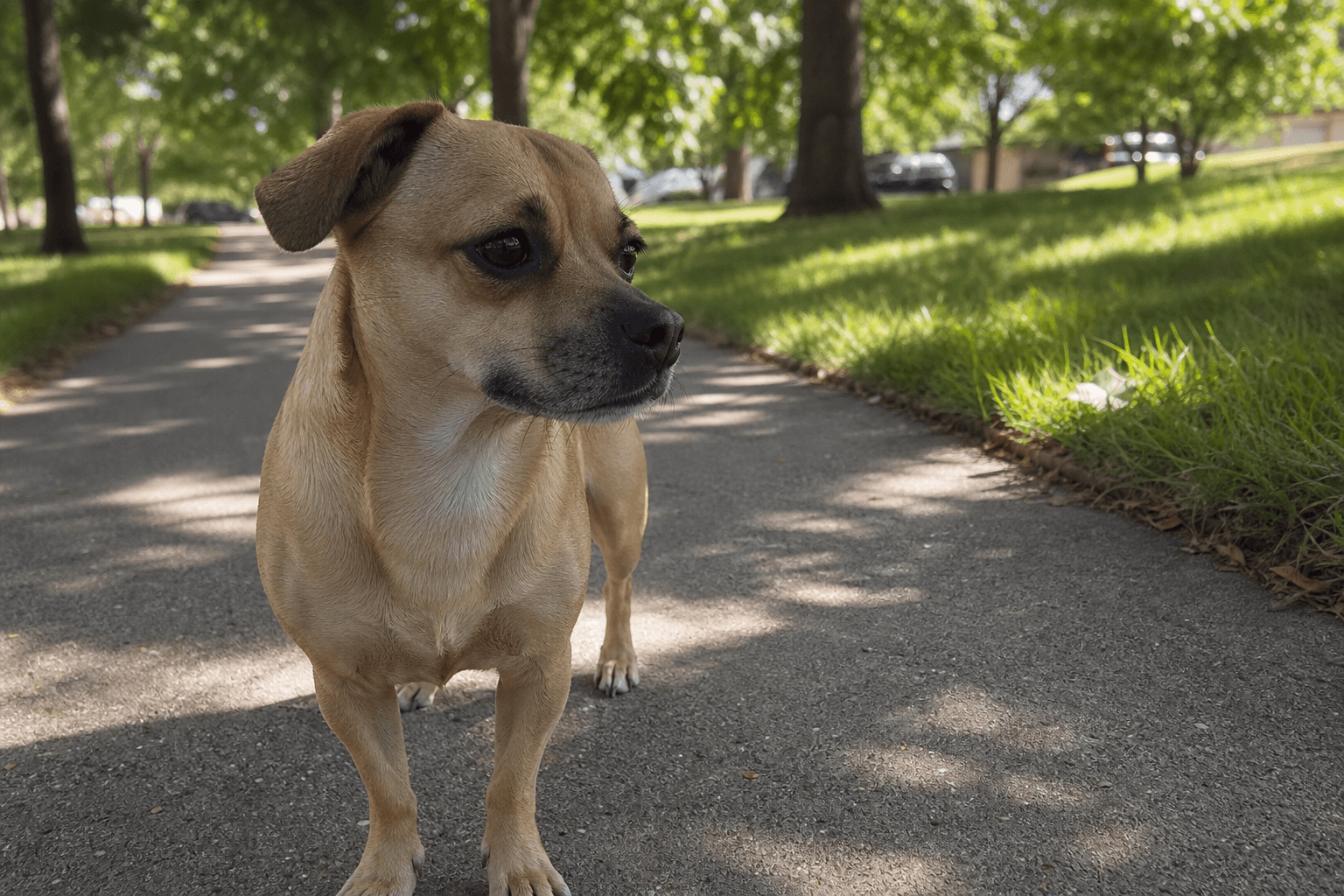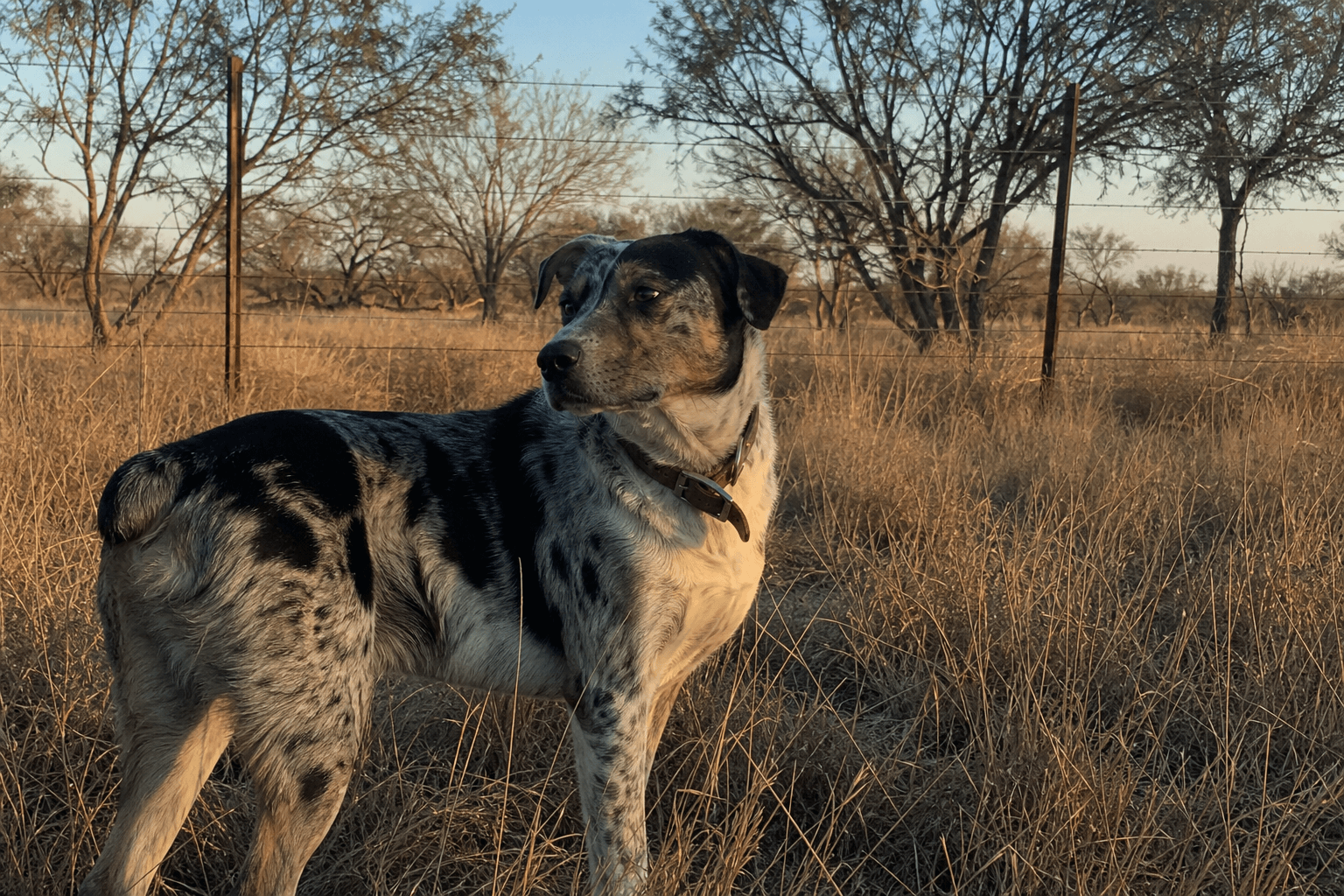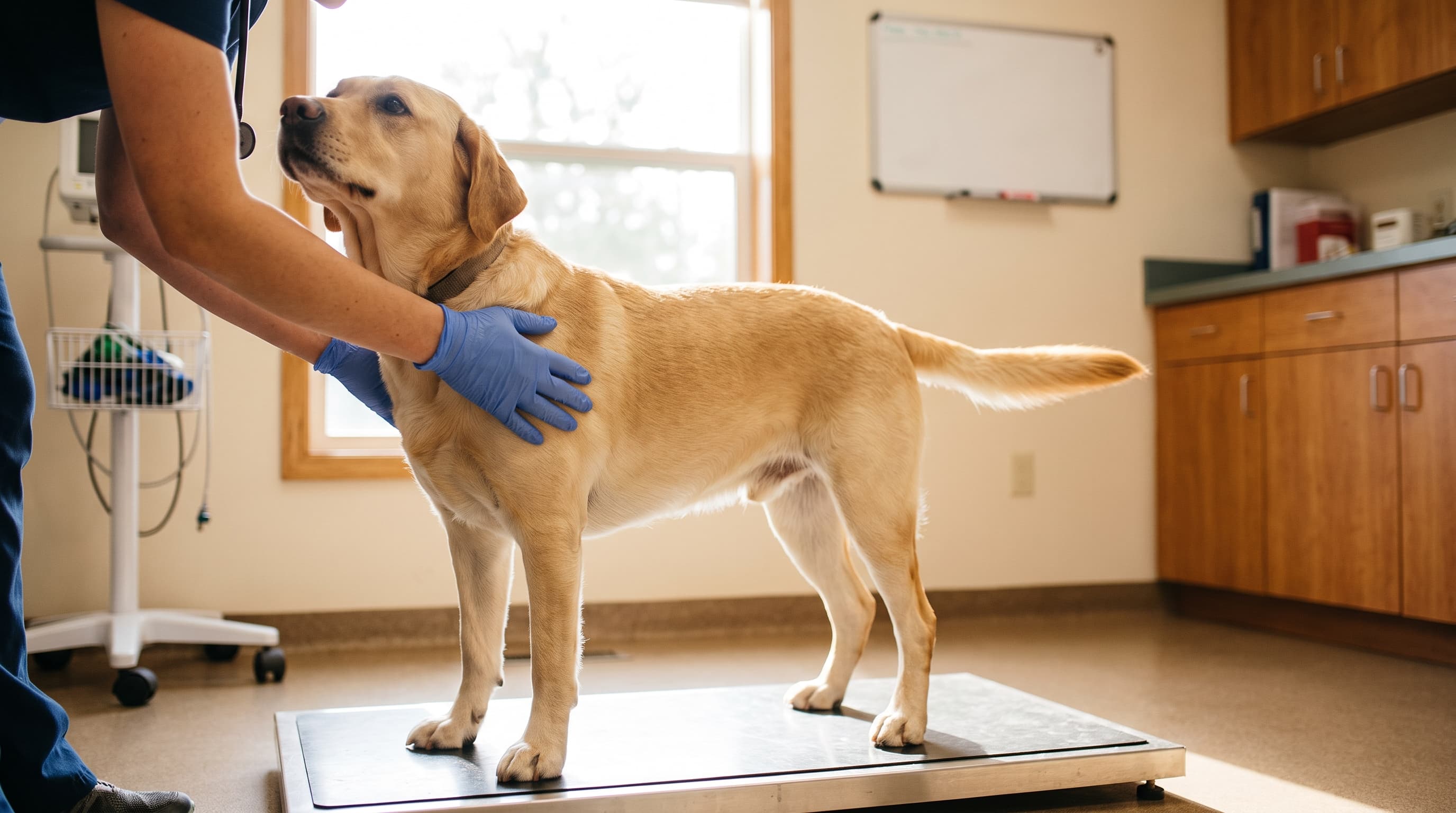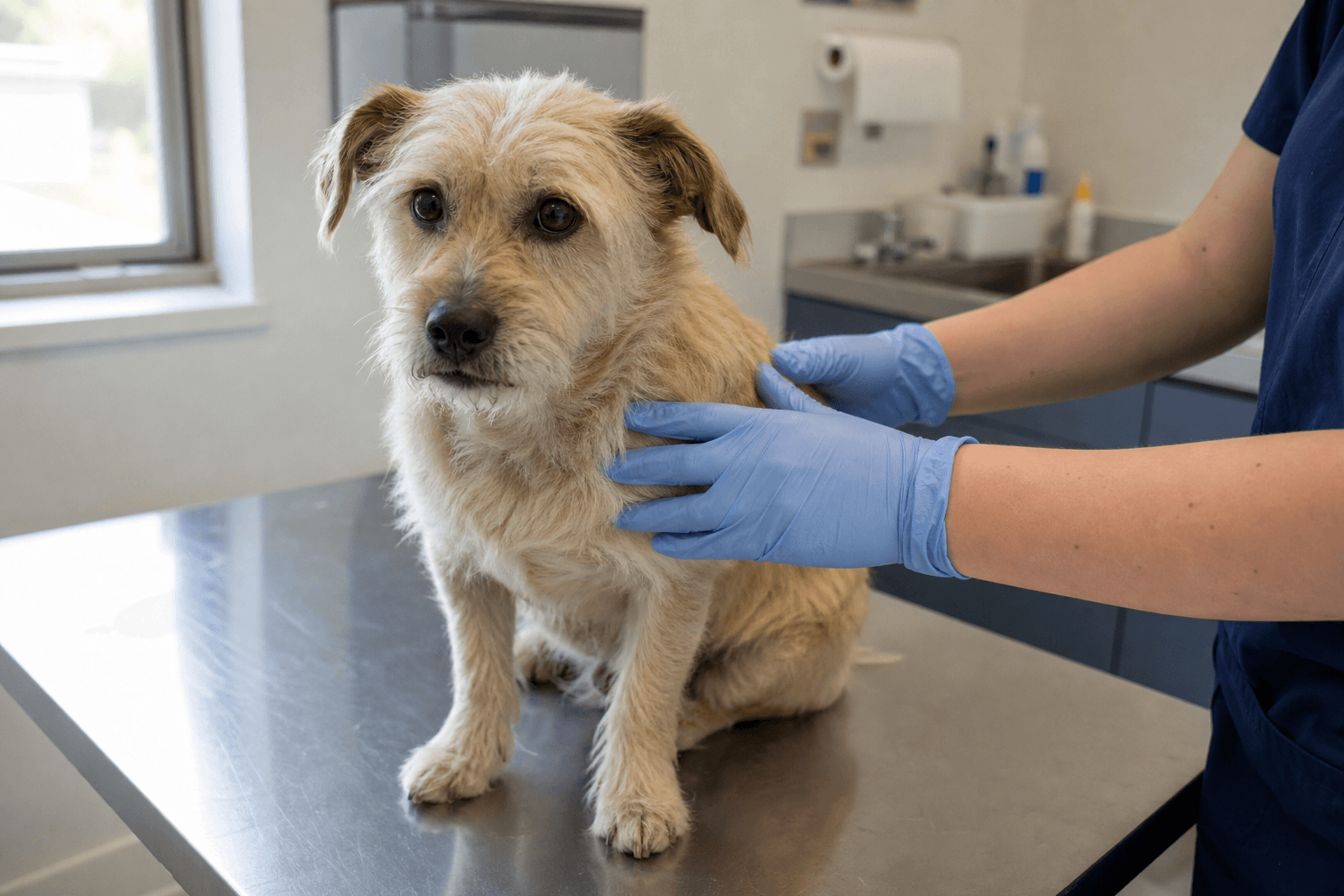

If you have an older dog, you have probably had the thought: Is she just slowing down, or is something else going on? For years, that question has been frustratingly hard to answer. There is no blood test for a fuzzy memory and no X-ray for confusion. Now a team of scientists says it has built something close to a yardstick — a standardized, roughly 40-minute cognitive test that can pick up the earliest signs of canine mental decline, often in middle age, long before most owners notice anything is wrong.
The test is called CANID — the Cognitive Assessment for Neuropsychological Impairments in Dogs — and researchers at the University of Arizona just published a year-long validation study showing it reliably measures the same dog's thinking skills over time. Here is what the science actually says, and what it means for the senior dog napping at your feet right now.
What the new test actually measures
CANID was built within the Dog Aging Project, the large, NIH-supported study following tens of thousands of companion dogs across the country. Instead of a questionnaire filled out by an owner, CANID puts a dog through a short series of problem-solving games in a single session of about 40 minutes.
Those games target two big pillars of canine thinking. The first is memory — working memory and the ability to hold a piece of information across a short delay, like remembering which cup hid the treat a few seconds ago. The second is executive function, the mental "control panel" that governs attention, impulse control, and the flexibility to change strategies when the rules shift. Each task produces its own subscore, and together they roll up into a single overall CANID score that gives both a big-picture index and a domain-by-domain read.
Crucially, the whole thing is designed for ordinary pet dogs living at home — not just lab animals. It avoids the specialized equipment, heavy pre-training, and repeat visits that older research batteries demanded. The researchers even built in welfare guardrails: testing stopped if a dog got anxious and could not settle, and dogs that could not relax within about 15 minutes of arriving simply were not tested.
Why "middle age" is the real headline
The most striking finding is when CANID starts picking things up. According to the newly published results, the test detected age-related differences in thinking starting in mid-life — well before owners typically notice problems and before standard questionnaires flag any dysfunction. In other words, it may catch the quiet, early slide, not just the obvious late-stage confusion.
That matters because the whole point of a measuring tool is consistency. The validation study followed 239 dogs at the start, 138 at six months, and 114 at twelve months, and checked whether each dog's scores held steady in a sensible way over time. The overall score showed what statisticians call "substantial" repeatability (an intraclass correlation of 0.63 at six months and 0.59 at twelve months), and every individual task held up too. The team saw only a small practice effect — about a 0.23 standard-deviation bump at six months, similar to what shows up in human testing, and none at all by the one-year mark.
The groundwork for CANID came from earlier Dog Aging Project research led by Evan MacLean, PhD, at the University of Arizona. As MacLean's team has pointed out, cognitive impairment "can't be measured with a blood test or medical imaging," so they turned to problem-solving games instead. That earlier work also turned up a genuine surprise: cognitive aging looked similar in small and large dogs, even though small breeds generally live longer — a hint that the brain may not age on the same clock as the rest of the body.
How common is dog dementia, really?
The clinical name for dog dementia is canine cognitive dysfunction, or CCD, and it is far more common than many owners realize — especially as dogs get into their senior years. A landmark Dog Aging Project analysis of more than 15,000 dogs found that, holding everything else constant, the odds of CCD rose 52% with each additional year of age. Risk doesn't creep up gently; it compounds.
That same study flagged one association that should get every owner's attention: dogs who were not active had roughly 6.5 times higher odds of cognitive dysfunction than very active dogs. The researchers were careful to note this is correlation, not proof — early decline can itself make a dog less active — but it lines up with a growing body of evidence that physical and mental engagement are protective for the aging brain.
You can't run CANID at home yet — here's what you can do
One honest caveat: CANID is, for now, a research instrument, not a kit you can order and administer on your kitchen floor. The team has openly published its full protocols, video libraries, and scoring code so that other labs — and eventually, potentially, veterinary clinics — can use it consistently. The near-term promise is a future where your vet has an objective, standardized way to track your dog's cognition year over year, the same way they track weight or bloodwork.
But you are not helpless in the meantime. The single most useful thing you can do is learn the early signs and raise them with your veterinarian sooner rather than later.
The signs worth watching: DISHA
Veterinarians use the shorthand DISHA to describe the behavioral changes of CCD, as the American Kennel Club outlines:
- Disorientation — getting "lost" in familiar rooms, staring at walls, or standing on the hinge side of a door.
- Interaction changes — becoming clingier, more irritable, or less interested in greeting you.
- Sleep-wake disruption — pacing or vocalizing at night and sleeping more during the day.
- House soiling — accidents indoors from a previously house-trained dog.
- Activity and anxiety changes — aimless wandering, repetitive behaviors, or new restlessness.
Here is the catch: nearly all of these overlap with other conditions, from arthritis pain to a brain tumor to diabetes. That is exactly why a vet visit matters. Think of DISHA as your prompt to book an appointment, not as a diagnosis you make on your own.
What actually helps right now
CCD can't be cured, but veterinary experts agree the clinical signs can often be managed — and the prognosis improves with early detection and intervention. A few evidence-aligned moves:
- Keep the body moving. Given the strong link between inactivity and CCD, regular, age-appropriate exercise is one of the best levers you have. (If weight is also a concern, our guide to keeping dogs at a healthy weight is a good companion read.)
- Exercise the brain, too. Food puzzles, new sniff walks, and short training sessions keep neural wiring engaged.
- Protect the routine. Predictability is comforting to a foggy brain — consistent meal, walk, and sleep times reduce anxiety. Seasonal shifts like the upcoming end of daylight saving time can throw senior dogs off, so ease transitions gradually.
- Talk to your vet about diet and supplements. Certain senior diets and supplements aimed at brain health, plus medications in some cases, can help manage signs when started early.
Why a dog test could help humans, too
There is a bigger reason scientists are so invested in getting this right. Dogs develop a naturally occurring dementia that looks strikingly like human cognitive decline, they share our homes and environments, and they age far faster than we do. That makes them, in the researchers' words, a potential "bridge species" — a realistic, real-world model for testing whether an intervention actually protects the aging brain. A reliable yardstick like CANID is the first thing you need before you can prove any treatment works, in dogs or in people.
For now, the takeaway for dog owners is both simple and hopeful: canine cognitive decline is common, it often starts earlier and quieter than we assume, and the science of catching it is getting sharper. Pay attention to the subtle changes, keep your dog moving and mentally engaged, and loop in your vet early.
Want more science-backed guidance for every stage of your dog's life? Sidewalk Dog breaks down the research so you can spend less time worrying and more time walking.