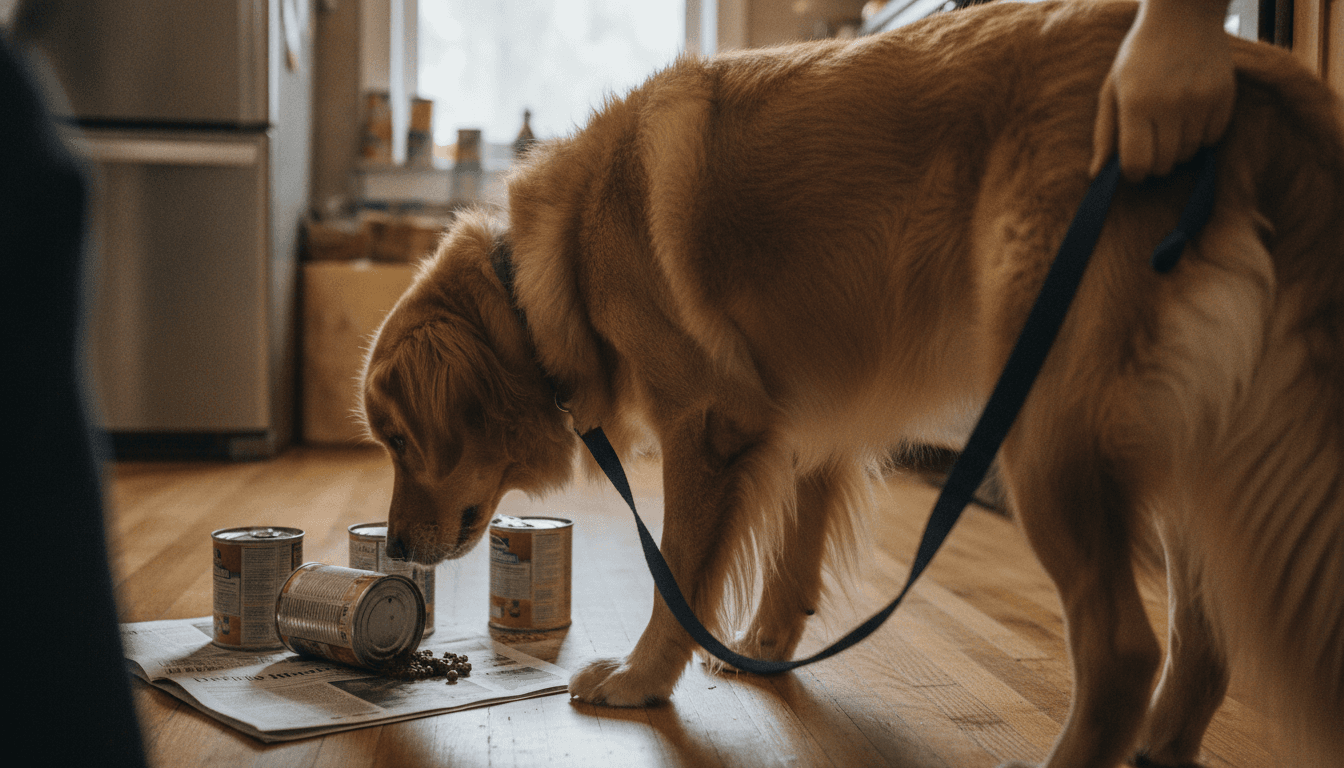

If you buy Pedigree wet food, stop and check your pantry before the next meal. Mars Petcare has recalled two lots of Pedigree High Protein Chopped Chicken & Duck Flavor canned dog food because the 13.2-ounce cans may contain sharp metal and plastic. The affected lot codes are 613C3KKCFC and 613C1KKCFC. If your cans match either code, don't feed them to your dog — here's exactly what happened and what to do next.
What Pedigree recalled — and when
On July 2, 2026, Mars Petcare US issued a voluntary recall of two production lots of its Pedigree High Protein Chopped Chicken & Duck Flavor wet dog food, sold in 13.2-ounce cans. According to the FDA notice, the recalled cans may contain "sharp metal and plastic foreign material," and the product was distributed nationwide.
Only two lots are involved. Mars has been clear that no other Pedigree or Mars Petcare products are affected — so this is not a reason to toss every bag and can in the house. It's a reason to read two specific codes on the bottom of two specific cans. Encouragingly, the company reported that no illnesses or injuries had been linked to the recall as of the announcement.
The strange part: these cans were never supposed to reach shelves
Most recalls happen because something goes wrong on the production line. This one is different, and the backstory matters. The two lots had already failed Mars Petcare's quality checks and were shipped to a third-party vendor to be destroyed. Instead, the company says, the product "had been fraudulently diverted and sold into the U.S. marketplace."
In plain English: food that a major manufacturer had already flagged as unsafe and slated for the trash was quietly funneled back into stores. That's an unusual and unsettling failure — not of the recipe, but of the disposal chain. It's also a good reminder that a trusted brand name on the label doesn't guarantee a specific can made it through quality control the way it was supposed to. When in doubt, the lot code is the source of truth.
How to check your cans in 30 seconds
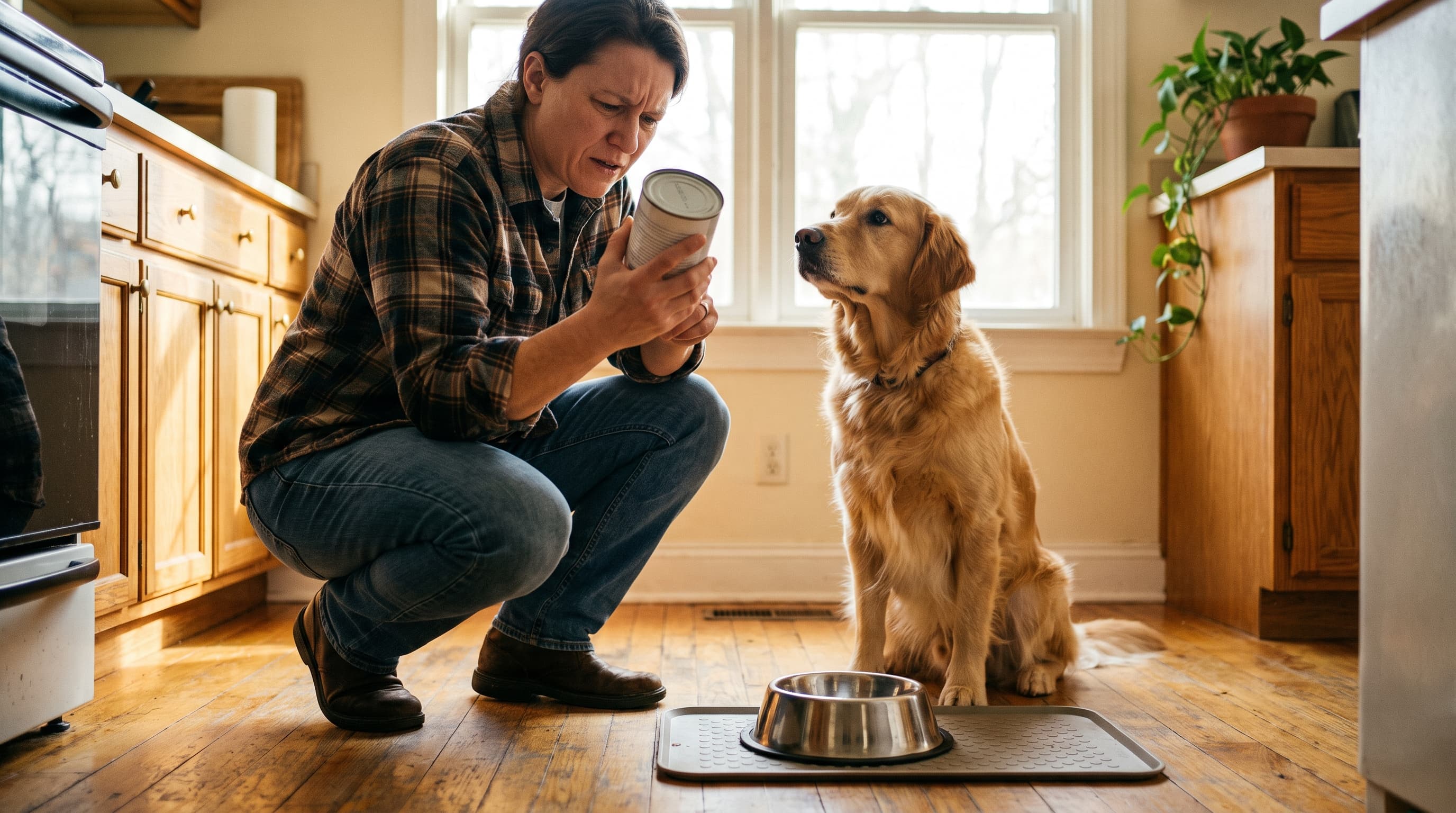
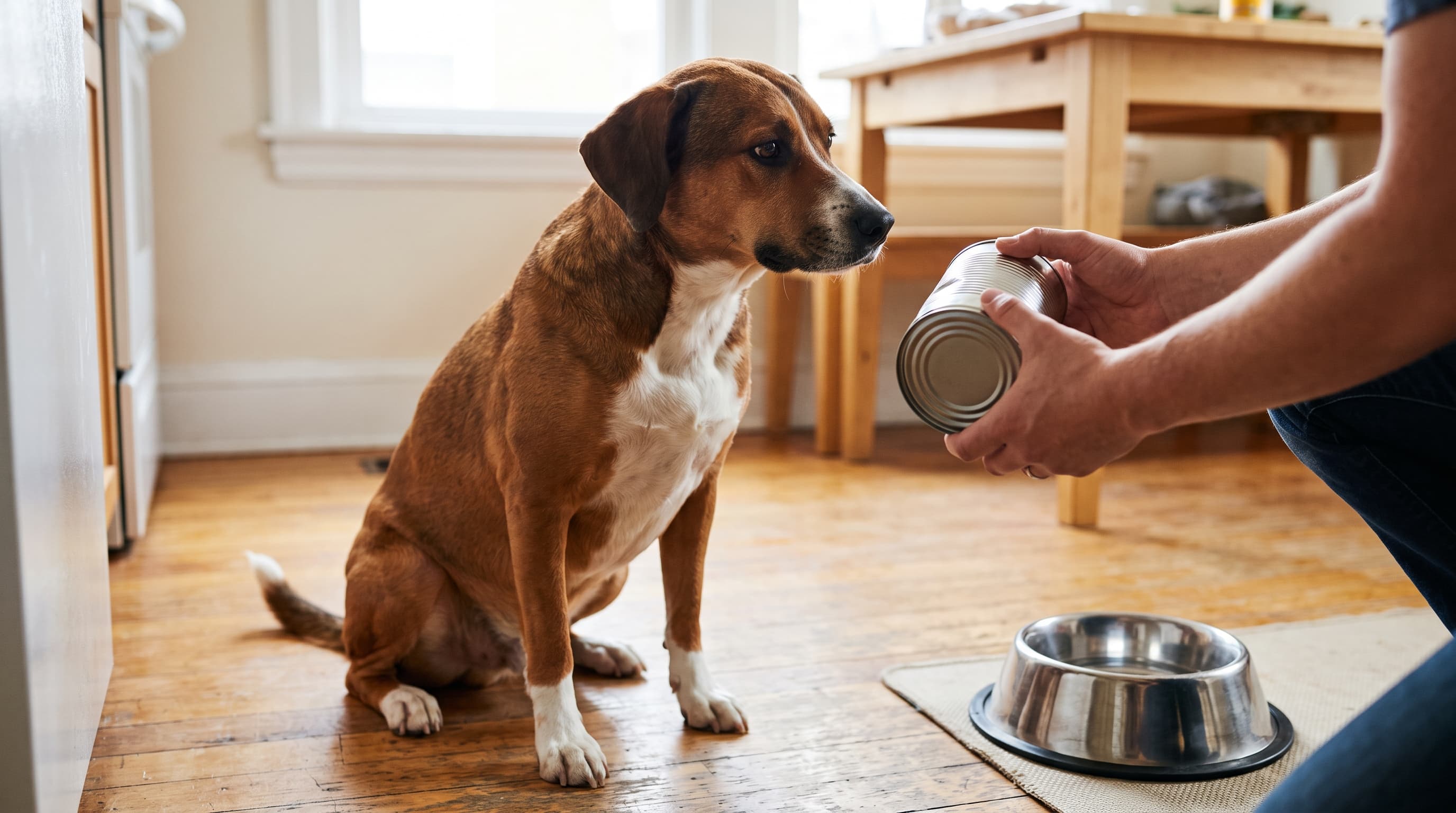
The lot code is a short alphanumeric string, and on canned food it's stamped on the bottom of the can (on bagged food, look near the barcode on the back). Flip your Pedigree Chopped Chicken & Duck cans over and compare what you see to these two codes:
- 613C3KKCFC
- 613C1KKCFC
If neither code appears, your cans are not part of this recall and are fine to use. If either code does appear, set those cans aside and don't feed them — even if the food looks and smells completely normal. Foreign material like metal fragments won't always be visible, and "it looks fine" is not a safe test when the hazard is a shard you can't see until your dog bites down on it.
What to do if you have the recalled food
The steps are simple, and they mirror standard FDA guidance for any contaminated pet food:
- Stop feeding it immediately. Don't offer it to your dog, and don't give it to another pet or animal to "use it up."
- Contact Pedigree for a replacement or refund. Mars set up a dedicated line at 1-800-525-5273 and a web page at pedigree.com/update for affected customers.
- Dispose of it safely. Throw the cans out where children, dogs, and wildlife can't get to them, then wash and sanitize any bowls, scoops, or containers the food touched.
- Call your vet if your dog already ate it. Even with no symptoms yet, a quick call gives your veterinarian the chance to tell you what to watch for based on your specific dog.
Symptoms that mean "call the vet now"
Sharp foreign objects can cause choking, mouth or throat lacerations, and blockages in the gastrointestinal tract. Watch for pawing at the mouth, drooling, difficulty swallowing, refusing food, retching or vomiting, blood in the mouth or stool, a tense or painful belly, or unusual lethargy. Any of these after feeding the recalled lots warrants a same-day vet visit. When it comes to potential internal injuries, waiting to "see if it passes" is the wrong bet — a gastrointestinal blockage can turn into an emergency fast.
You're not imagining it — recalls have been piling up
If it feels like you've seen a lot of dog food recalls lately, you're right. The Pedigree recall landed just weeks after Albright's Raw Pet Food recalled a lot of its frozen Chicken Recipe for Dogs (lot C001730) over a positive Salmonella test found during routine FDA sampling. That recall carries an extra wrinkle: Salmonella isn't just a risk to your dog. People handling contaminated raw food can get sick too, and pets can shed the bacteria to other animals and humans even without showing symptoms — which is why hand-washing and clean bowls matter as much as the food itself.
Two very different problems — a diverted-disposal breakdown at a conventional canned brand, and a bacterial contamination in a frozen raw product — underline the same lesson. Recalls cut across every category and price point, from budget grocery-aisle cans to premium raw. No brand is immune, so the smart move isn't loyalty to a label; it's a habit of checking.
How to stay ahead of the next recall
You don't need to obsess over headlines to protect your dog. A few small routines do most of the work:
- Photograph the lot code and best-by date when you open a new bag or case. If a recall hits, you can check in seconds instead of digging through the trash.
- Bookmark the FDA's recalls and safety alerts page and check it if a brand you feed makes the news. The FDA and manufacturers publish exact lot codes there.
- Sign up for recall alerts from the FDA or a reputable pet-food tracker so warnings come to you.
- Buy from retailers you trust and be cautious of deep discounts from unfamiliar third-party sellers — the Pedigree case is a reminder that how a product reaches the shelf can matter as much as who made it.
Finally, know your dog's normal. The owners who catch problems early are the ones who notice when their dog's appetite, energy, or bathroom habits suddenly shift. That baseline awareness is your best early-warning system — not just for recalls, but for your dog's health overall.
The bottom line
This recall is narrow: two lots of one Pedigree flavor, identified by the codes 613C3KKCFC and 613C1KKCFC. Check the bottom of your Chopped Chicken & Duck cans, set aside anything that matches, call Pedigree for a replacement, and phone your vet if your dog already ate it. Two minutes of checking today beats a middle-of-the-night emergency later.
For more straight-talking, dog-owner-first guidance on feeding, safety, and the everyday questions that come with sharing your life with a dog, keep it locked to Sidewalk Dog. We'll keep fetching the news so you can get back to the good part — the walk.