
What Breed Is Scooby-Doo? The Great Dane Behind the Mystery
Scooby-Doo is a Great Dane. Cartoon designer Iwao Takamoto deliberately gave the lovable coward the opposite of prize-winning Great Dane traits, adding spots, a sloped back, bowed legs, and a double chin that real Great Danes don't have. So while the answer to what breed is Scooby Doo is simple, his cartoon look is pure creative license.
For more than fifty years, that goofy, snack-obsessed pup has been solving mysteries in the Mystery Machine, and for just as long, fans have squinted at him and wondered whether any real dog actually looks like that. The short answer: no. The longer answer is a delightful story about one animator, a Great Dane breeder, and a decision to break every rule of the breed standard on purpose. Let's dig in, Scooby-Snack in hand.
What Breed Is Scooby-Doo, Officially?
Scooby-Doo is officially a Great Dane, one of the tallest and most recognizable dog breeds in the world. According to Scooby's character history, he first appeared on September 13, 1969, in the premiere of Scooby-Doo, Where Are You!, created by Joe Ruby and Ken Spears at Hanna-Barbera. From day one he was written as a Great Dane, even though his cartoon proportions wander a long way from the breed's real-life blueprint.
The Great Dane itself is a German breed, developed centuries ago to hunt wild boar before it became one of the world's favorite gentle giants. As Britannica notes, the breed was developed in Germany and, despite the name, "is not associated with Denmark." So the most famous cartoon dog on the planet is, technically, a German boar-hound with a taste for oversized sandwiches.
Why Scooby-Doo Doesn't Look Like a Real Great Dane
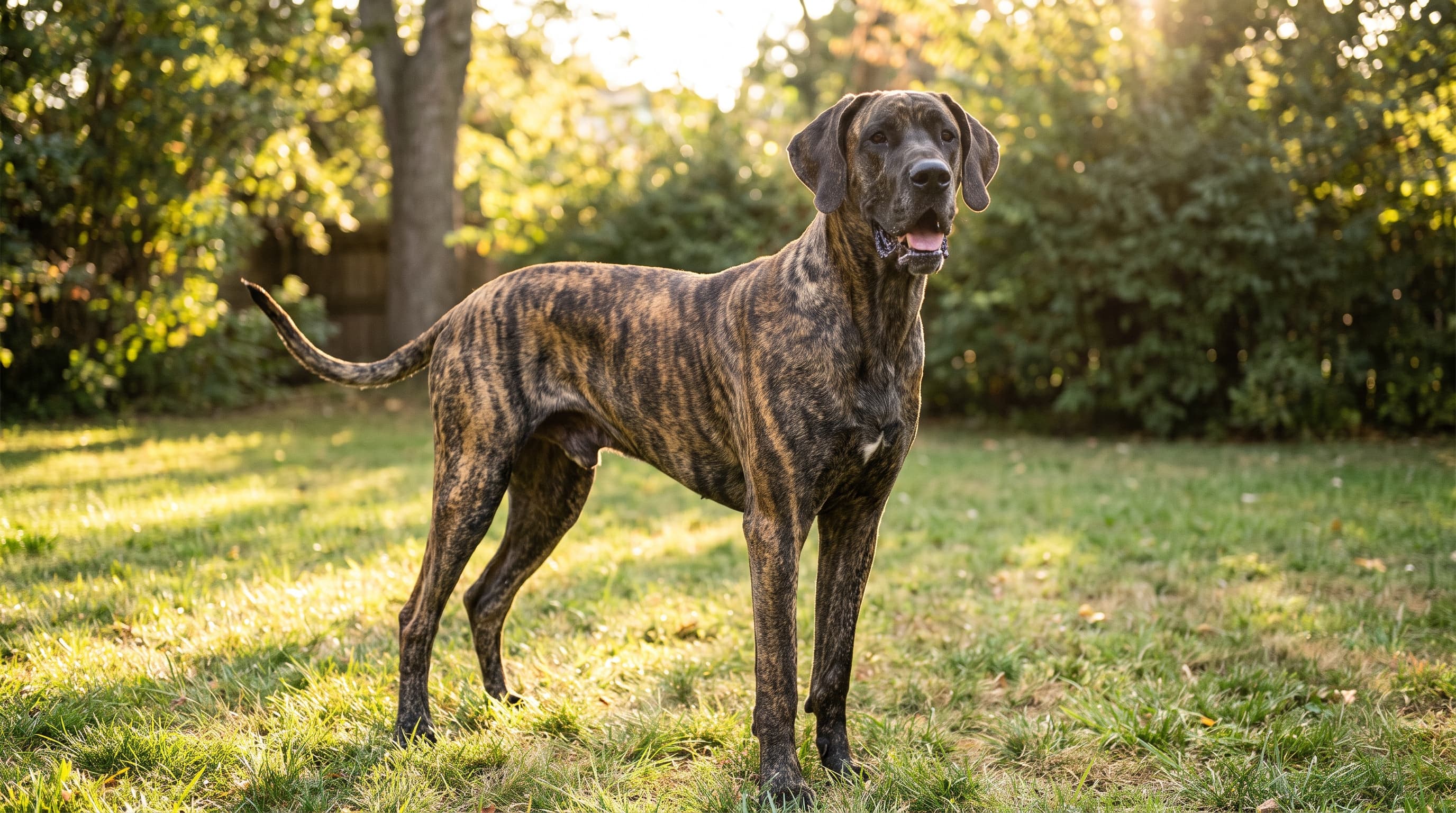
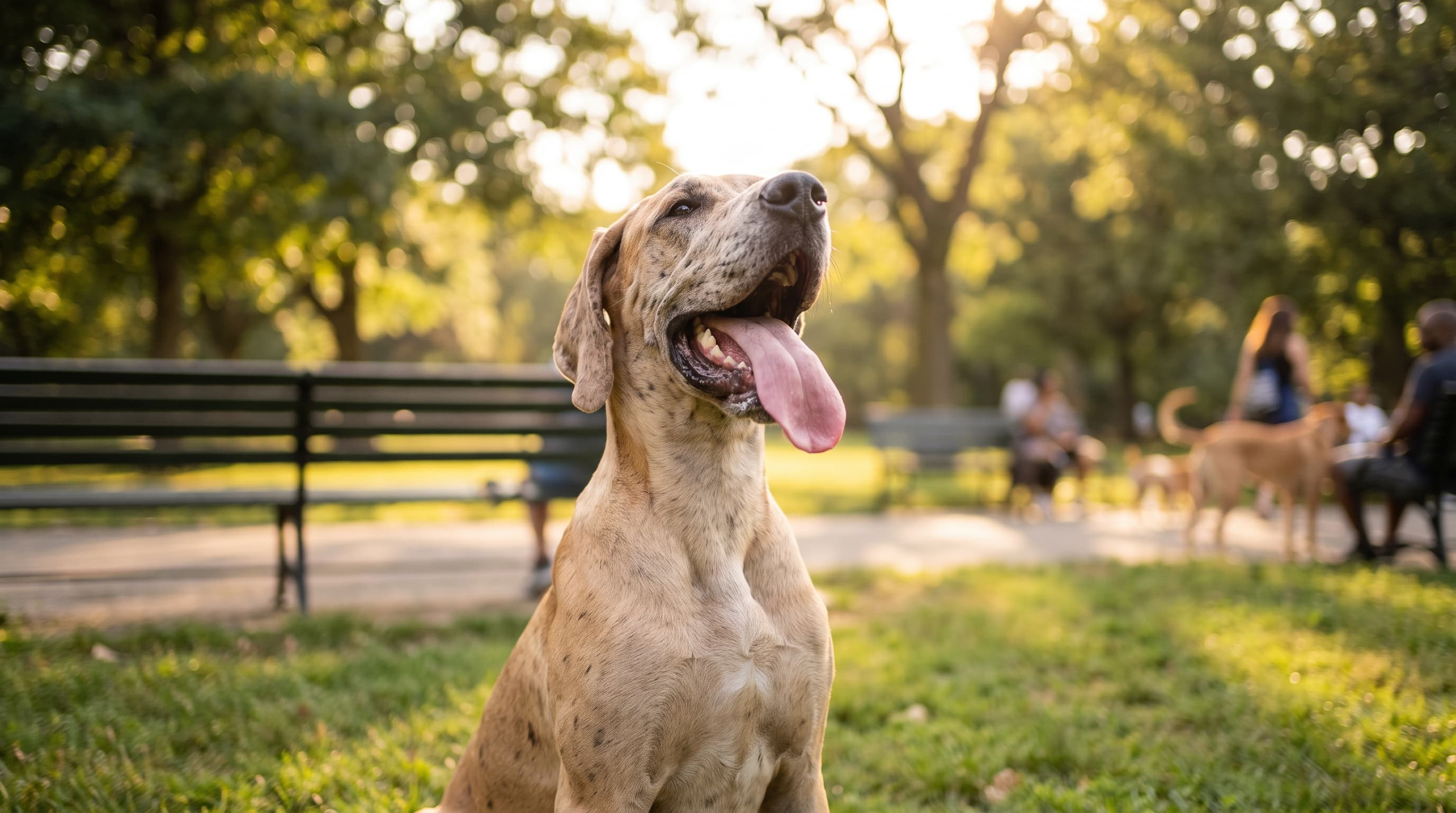
Here's where things get fun. If you put Scooby-Doo next to a champion show Great Dane, you'd think they were different species. Real Great Danes are all about clean, elegant, athletic lines: a long straight back, a deep chest, powerful straight legs, and a proud, square-jawed head. Scooby, by contrast, has a hunched back, spindly bowed legs, an enormous belly, a small receding chin, and brown spots scattered across his coat.
None of that is an accident, and none of it is a mistake. Every one of those quirks was a deliberate design choice meant to make Scooby look like the least likely hero in any room. A perfect, statuesque Great Dane reads as noble and confident. A lumpy, knock-kneed one reads as lovable, nervous, and funny, which is exactly the personality the writers wanted for a dog who runs from ghosts he's supposed to be catching.
The Real Story Behind Scooby's Design
The mastermind behind Scooby's look was Iwao Takamoto, a Hanna-Barbera production designer and one of animation's great character stylists. Before landing on Scooby's final form, Takamoto reportedly consulted a Hanna-Barbera colleague who bred Great Danes to learn what an award-winning example of the breed should look like, from the shape of the back to the set of the legs to the size of the chin.
Then he did something brilliant. He took that list of ideal traits and reversed almost all of them. As Scooby's design history explains, Takamoto deliberately gave the character features opposite to the breed standard, including a humped back, bowed legs, and a small chin. The spots were another liberty, since the classic Great Dane colors are fawn, brindle, blue, black, harlequin, and mantle rather than the freckled brown of a beagle-ish mutt. The result is a dog that is unmistakably a Great Dane in name and silhouette, yet cuddly and clumsy in every detail. It's a masterclass in using "wrong" proportions to build an instantly beloved character.
If you love stories like this, you'll enjoy our roundup of 3 iconic dogs in movies we all adore, where clever design and big personalities turned ordinary pups into legends.
Are Great Danes Really Like Scooby-Doo?
In looks, absolutely not. In spirit, more than you'd think. Real Great Danes are famously affectionate, people-oriented, and a little bit goofy, which lines up nicely with Scooby's warm, food-motivated, best-friend energy. What they aren't is cowardly or clumsy by nature; that's cartoon exaggeration for laughs.
Size is one place where Scooby actually undersells reality. Great Danes are enormous. Per breed measurements, males typically stand around 31 to 35 inches at the shoulder, and Britannica lists them at roughly 28 to 32 inches and 110 to 175 pounds. Stood up on their hind legs, many Great Danes are taller than the adults walking them, which is why Scooby standing upright to hug Shaggy isn't as far-fetched as it looks. The American Kennel Club affectionately calls the breed the "Apollo of Dogs," a nod to that towering, godlike stature.
Great Dane Temperament and Personality
Despite their intimidating size, Great Danes are classic gentle giants. They're known for being friendly, patient, and deeply bonded to their families, often convinced they're lap dogs regardless of the math. The breed overview describes them as affectionate and easygoing, with surprisingly low energy for their size and a tendency not to bark without a reason, which makes them steady, level-headed companions rather than hyperactive ones.
That mellow, loyal temperament is a big part of why the breed works so well as a cartoon sidekick. Scooby is brave when it counts, endlessly devoted to Shaggy, and motivated almost entirely by snacks and companionship, an exaggerated but recognizable version of how many Great Dane owners describe their own dogs. They tend to be sociable with people and, when well raised, with other animals too, according to the breed profile.
Do Great Danes Make Good Family Pets?
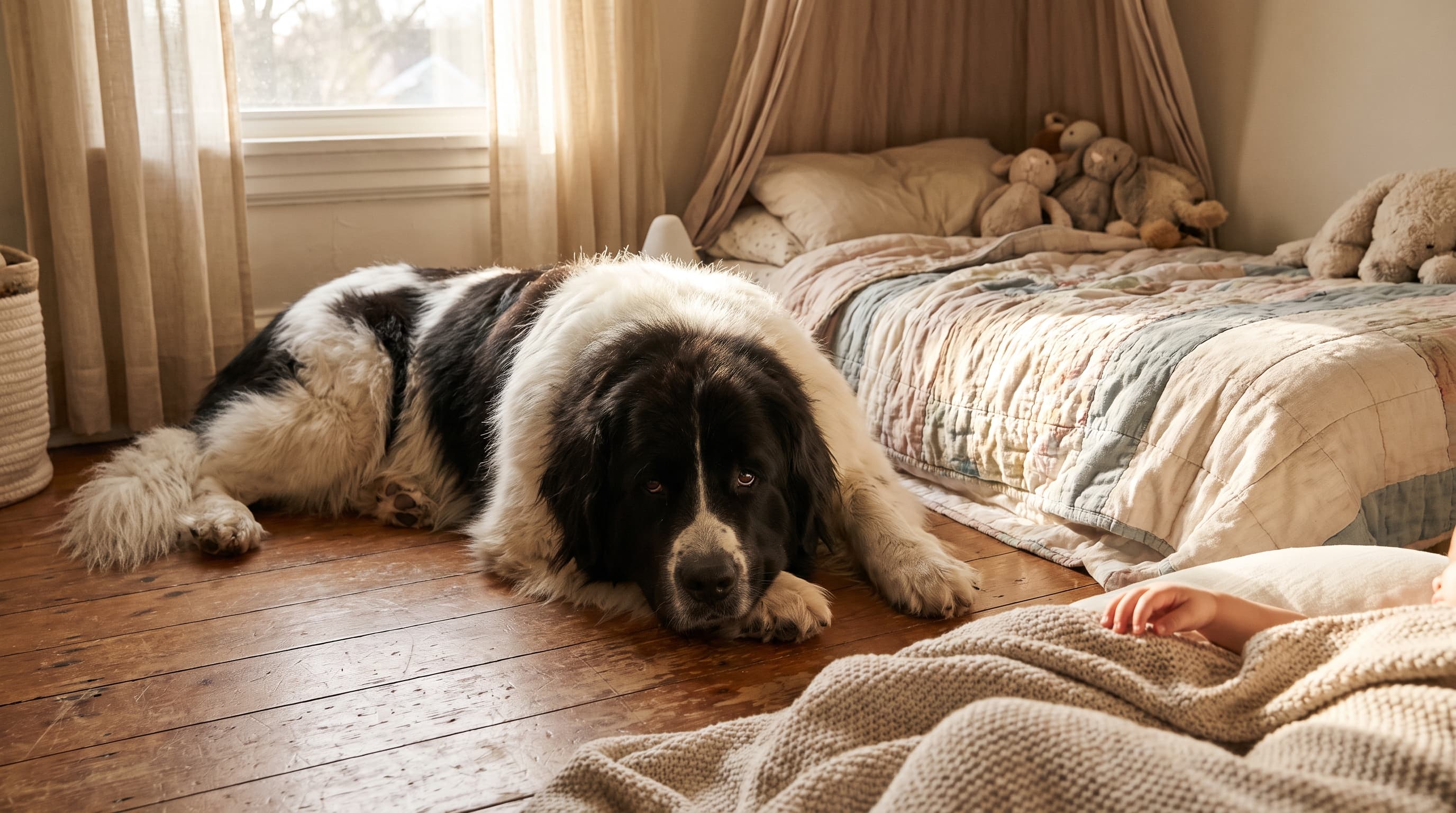
For the right household, Great Danes can be wonderful family dogs. Their calm, tolerant nature often makes them gentle around children, and their loyalty means they bond closely with everyone in the home. That said, this is a serious commitment: a dog this large needs space, steady training from puppyhood, and an owner prepared for the realities of giant-breed life. The AKC is upfront that owning "a dog of such imposing size, weight, and strength is a commitment" that shouldn't be taken lightly.
There's also a bittersweet truth to know. Giant breeds live shorter lives than small dogs, and the Great Dane is no exception; a 2024 UK study cited by the breed's records found an average life expectancy of about 10.6 years, and Britannica lists a range of roughly 7 to 10 years. Everything about a giant dog costs more too, from food to bedding to vet care. If you're weighing whether a big, loving breed fits your crew, our guide to the best dogs for families with kids is a great place to start before you fall for those soulful Scooby eyes.
Other Famous Great Danes in Pop Culture
Scooby-Doo may be the most famous cartoon Great Dane, but he's far from the only one. Marmaduke, the mischief-making star of the long-running comic strip and a 2010 film, is a Great Dane whose whole gag is being far too big for the suburban life around him. Astro from The Jetsons, another Hanna-Barbera creation, is widely considered a Great Dane and is basically Scooby's space-age cousin, right down to the speech pattern. Scrappy-Doo, Scooby's pint-sized and famously divisive nephew, is a Great Dane too.
The breed's larger-than-life presence makes it a natural for storytellers who want a dog that's impossible to ignore. If you're on the hunt for the perfect name inspired by these big-screen legends, our list of dog names from movies is packed with ideas, from goofy to grand. And if you're curious how Great Danes stack up against other giant breeds, our overview of mastiff breeds is a fun companion read.
Frequently Asked Questions
Is Scooby-Doo a Great Dane?
Yes. Scooby-Doo has always been written and designed as a Great Dane. His cartoon proportions are exaggerated, but the breed behind the character is firmly established as a Great Dane.
Why does Scooby-Doo have spots?
The spots are artistic license. Designer Iwao Takamoto deliberately gave Scooby traits opposite to the Great Dane breed standard, and the freckled brown coat is part of that playful, "imperfect" design; classic Great Dane colors are fawn, brindle, blue, black, harlequin, and mantle.
How big do Great Danes get?
Very big. Males commonly stand about 31 to 35 inches at the shoulder, and the breed generally ranges from roughly 28 to 32 inches tall and 110 to 175 pounds, making Great Danes one of the tallest dog breeds in the world.
Are Great Danes good with kids?
Often, yes. Great Danes are known as gentle giants with calm, affectionate, patient temperaments that can suit families well. As with any large breed, early training, supervision around small children, and enough space are important.
How long do Great Danes live?
Great Danes have a relatively short lifespan for a dog. Estimates range from about 7 to 10 years, with one 2024 UK study finding an average life expectancy of roughly 10.6 years.
What was Scooby-Doo's real name?
Scooby's full name is Scoobert Doo. "Scooby-Doo" is the nickname the world knows him by, but "Scoobert" is his official given name in the franchise.
Love fun dog facts like these? Subscribe to the Daily Wag newsletter for a daily dose of breed trivia, pop-culture pups, and heart-melting good-boy stories delivered straight to your inbox. It's free, it's quick, and it's the easiest way to keep the tail-wagging curiosity going. Join the pack today and never miss a fact worth barking about.