
What Is the Most Expensive Dog in the World?
The most expensive dog in the world is the Tibetan Mastiff, an ancient guardian breed that regularly sells for $2,000 to $10,000 and has set jaw-dropping records — including a red Tibetan Mastiff puppy that reportedly sold for nearly $2 million in China. Beyond that headline breed, dogs like the Samoyed, Löwchen, Chow Chow, and Czechoslovakian Wolfdog also command five-figure price tags thanks to rarity, pedigree, and demand.
The Most Expensive Dog: The Tibetan Mastiff
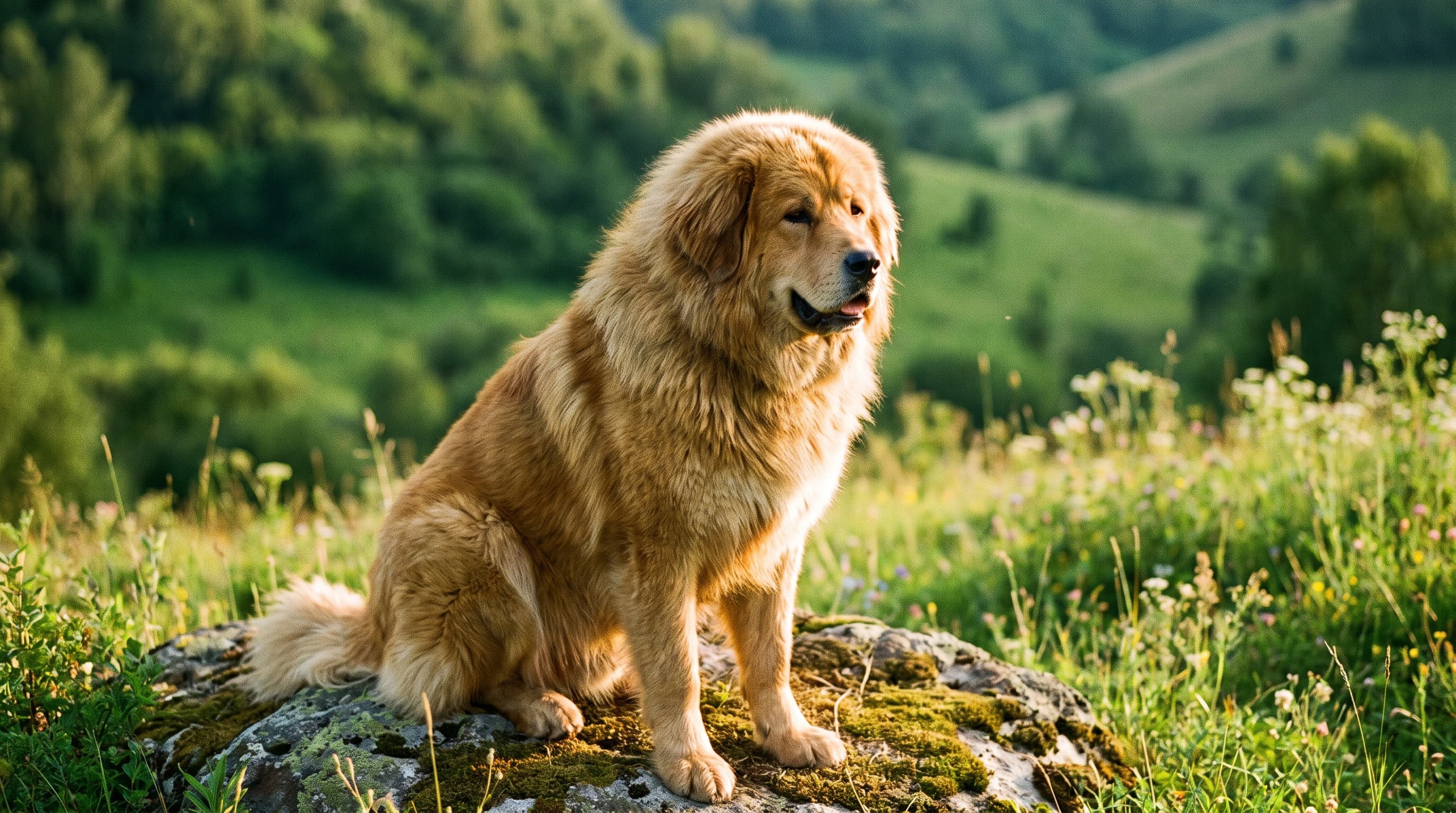
When people ask which dog costs the most, the answer almost always comes back to the Tibetan Mastiff. According to Dogster, a Chinese businessman once parted with roughly $1.95 million for a Tibetan Mastiff puppy — one of the highest prices ever paid for a dog. The World Animal Foundation notes a separate record sale of about $1.5 million for a purebred red Tibetan Mastiff back in 2011.
Everyday buyers won't pay millions, of course. Typical Tibetan Mastiff puppies range from around $2,000 to $6,000, with premium show-quality or rare-colored dogs climbing higher. So why the astronomical prices at the top end? The American Kennel Club describes the breed as an ancient, "watchful, aloof, imposing, and intimidating" densely coated giant that was developed to guard flocks and monasteries in the Himalayas. In China especially, the Tibetan Mastiff became a status symbol — a living display of wealth — which drove speculative prices to extraordinary heights during the breed's peak popularity.
Why Are Some Dogs So Expensive?
A dog's price reflects far more than the animal itself. Several factors push certain breeds into luxury territory:
- Rarity: Breeds with tiny global populations, like the Löwchen or Czechoslovakian Wolfdog, cost more simply because there are so few puppies available.
- Pedigree and bloodline: Puppies from champion, titled, or show-quality parents fetch premium prices.
- Small litter sizes: Breeds that produce few puppies per litter have limited supply.
- Responsible breeding costs: Ethical breeders invest heavily in health screening, vaccinations, quality nutrition, and veterinary care before a puppy ever goes home.
- Status and demand: Fashion and prestige, as with the Tibetan Mastiff in China, can inflate prices well beyond practical value.
It is worth noting that a high purchase price is only the beginning. The real cost of a dog accumulates over its lifetime through food, grooming, and veterinary care.
Other Extremely Expensive Dog Breeds
The Tibetan Mastiff may wear the crown, but several other breeds routinely rank among the world's costliest. Prices below reflect typical ranges cited by breed-pricing roundups and vary widely by breeder, location, and lineage.
Samoyed — up to ~$14,000
The fluffy, perpetually smiling Samoyed is one of the most expensive breeds you will actually see at the dog park. The AKC describes this ancient Siberian breed as a "substantial but graceful" working dog with a "thick all-white coat impervious to cold." Their rarity, cold-weather heritage, and sheer beauty push well-bred puppies into the thousands, with some listings reaching around $14,000.
Löwchen — around $12,000
Nicknamed the "little lion dog," the Löwchen nearly went extinct in the 1970s, when only a few dozen remained worldwide. The population is still small, which keeps prices high — often near $12,000 for a puppy from quality lines.
Chow Chow — around $11,000
With its lion-like mane and distinctive blue-black tongue, the Chow Chow is described by the AKC as a "dignified, serious-minded, and aloof" all-purpose dog of ancient China. Well-bred Chows can command around $11,000, reflecting both their ancient pedigree and their specialized grooming and care needs.
Czechoslovakian Wolfdog — up to ~$50,000
One of the rarest breeds on this list, the Czechoslovakian Wolfdog was created by crossing German Shepherds with Carpathian wolves. Extremely limited availability — only a couple hundred were estimated to exist in the United States in recent years — can send prices as high as $50,000.
Azawakh — around $9,500
This elegant West African sighthound is prized for its speed, striking leanness, and rarity outside its home region. Azawakhs typically sell for around $9,500, making them one of the priciest hounds available.
Other high-end breeds
Rounding out the luxury tier are breeds like the Akita, Rottweiler (around $9,000), Canadian Eskimo Dog, Afghan Hound, the graceful Borzoi, and the "fluffy" long-coat French Bulldog variant, whose rare colors can reportedly cross $65,000. Even mainstream favorites cost more than many expect — see our breakdown of how much Golden Retrievers cost for a realistic look at a popular breed.
The Most Expensive Dogs Ever Sold
Record-setting sales capture headlines and shape the reputation of the "world's most expensive dog." The most famous is the Tibetan Mastiff puppy that reportedly sold for close to $2 million in China, followed by the 2011 sale of a red Tibetan Mastiff for roughly $1.5 million. These prices were driven by speculation and status during a breed bubble rather than typical market value — and Tibetan Mastiff prices in China later fell dramatically once the fad cooled. Still, these sales cemented the breed's place as the benchmark whenever the question of the priciest dog comes up.
Elite Working Dogs Can Cost Even More
Purchase price is not the only way a dog can carry a huge price tag. Highly trained protection and service dogs often cost far more than any puppy. According to the World Animal Foundation, elite security dogs can range from $30,000 to $80,000, because trainers may spend a year or more teaching advanced commands, sometimes across multiple languages, along with rigorous behavioral protocols. For these dogs, the cost reflects thousands of hours of specialized training rather than rarity or pedigree alone.
The True Cost of Owning an Expensive Dog
Even if you never spend five figures on a puppy, owning a dog is a long-term financial commitment. Beyond the purchase price, expect ongoing expenses for:
- Food: Large and giant breeds like the Tibetan Mastiff eat a lot, and quality nutrition adds up over the years.
- Grooming: Heavy-coated breeds such as the Samoyed and Chow Chow need frequent professional grooming.
- Veterinary care: Routine checkups, vaccinations, dental care, and unexpected illnesses or injuries.
- Pet insurance: Often recommended for expensive or health-prone breeds to offset major medical bills.
- Supplies and training: Beds, crates, leashes, toys, and obedience classes.
Over a dog's lifetime, these recurring costs frequently exceed the original price — sometimes by a wide margin — especially for giant breeds with shorter lifespans and more intensive needs.
A More Affordable Path: Adoption
If a rare breed is out of reach — or you simply want to give a dog in need a home — adoption is a wonderful alternative. Shelters and breed-specific rescues are full of loving dogs, including purebreds and doodle-style mixes, available for a fraction of a breeder's price. Mixed-breed dogs also tend to benefit from greater genetic diversity, which can mean fewer inherited health problems than some heavily line-bred purebreds. The "most expensive dog" and the "best dog" are rarely the same animal — the right companion is the one that fits your home and lifestyle.
Is an Expensive Dog Worth It?
A high price tag does not guarantee a better pet, a healthier dog, or a happier household. What it often buys is rarity, prestige, or a specific look — none of which affect how much your dog will love you or how well it fits your life. If you are drawn to a costly breed, focus on what actually matters: a responsible breeder who health-tests parent dogs, is transparent about lineage, and lets you meet the puppy's family. Be wary of "bargain" versions of expensive breeds, which frequently come from puppy mills or backyard breeders cutting corners on health and socialization. And always weigh the purchase price against the decade or more of feeding, grooming, and veterinary care ahead. The smartest money in dog ownership is usually spent on prevention, training, and quality food — not on a rare pedigree.
Frequently Asked Questions
What is the most expensive dog breed in the world?
The Tibetan Mastiff is widely considered the most expensive dog breed. Typical puppies cost $2,000 to $10,000, and record sales have reached nearly $2 million for elite specimens in China.
What was the most expensive dog ever sold?
A Tibetan Mastiff puppy reportedly sold for close to $1.95 million in China, and a red Tibetan Mastiff sold for about $1.5 million in 2011 — among the highest prices ever paid for a dog.
Why are Tibetan Mastiffs so expensive?
Their high prices stem from rarity, their history as prized Himalayan guardian dogs, and their status as a symbol of wealth in China, which drove speculative demand to extreme levels during the breed's peak popularity.
What is the most expensive small dog?
The Löwchen, or "little lion dog," is one of the most expensive small breeds, often priced around $12,000 because it nearly went extinct and remains extremely rare today.
Are expensive dogs healthier than cheaper ones?
Not necessarily. A higher price can reflect responsible health screening, but it can also reflect rarity or fashion. Mixed-breed dogs from shelters are often just as healthy — sometimes healthier — thanks to greater genetic diversity.
How much does it cost to own a dog beyond the purchase price?
Lifetime ownership costs — food, grooming, veterinary care, insurance, and supplies — typically add up to thousands of dollars and often exceed the original purchase price, especially for large or high-maintenance breeds.
The Bottom Line
The Tibetan Mastiff holds the title of the world's most expensive dog, but rarity, pedigree, and prestige make breeds like the Samoyed, Löwchen, and Czechoslovakian Wolfdog costly in their own right. Whether you dream of a rare purebred or plan to adopt a shelter sweetheart, remember that the purchase price is only part of the story — the lifetime of care is the real investment. Curious about more remarkable breeds? Explore our guides to the majestic Akita and the elegant Borzoi, and subscribe to the Daily Wag newsletter for breed spotlights and dog-owner tips every week.