
What Type of Dog Is Scooby-Doo? The Breed Behind the Cartoon
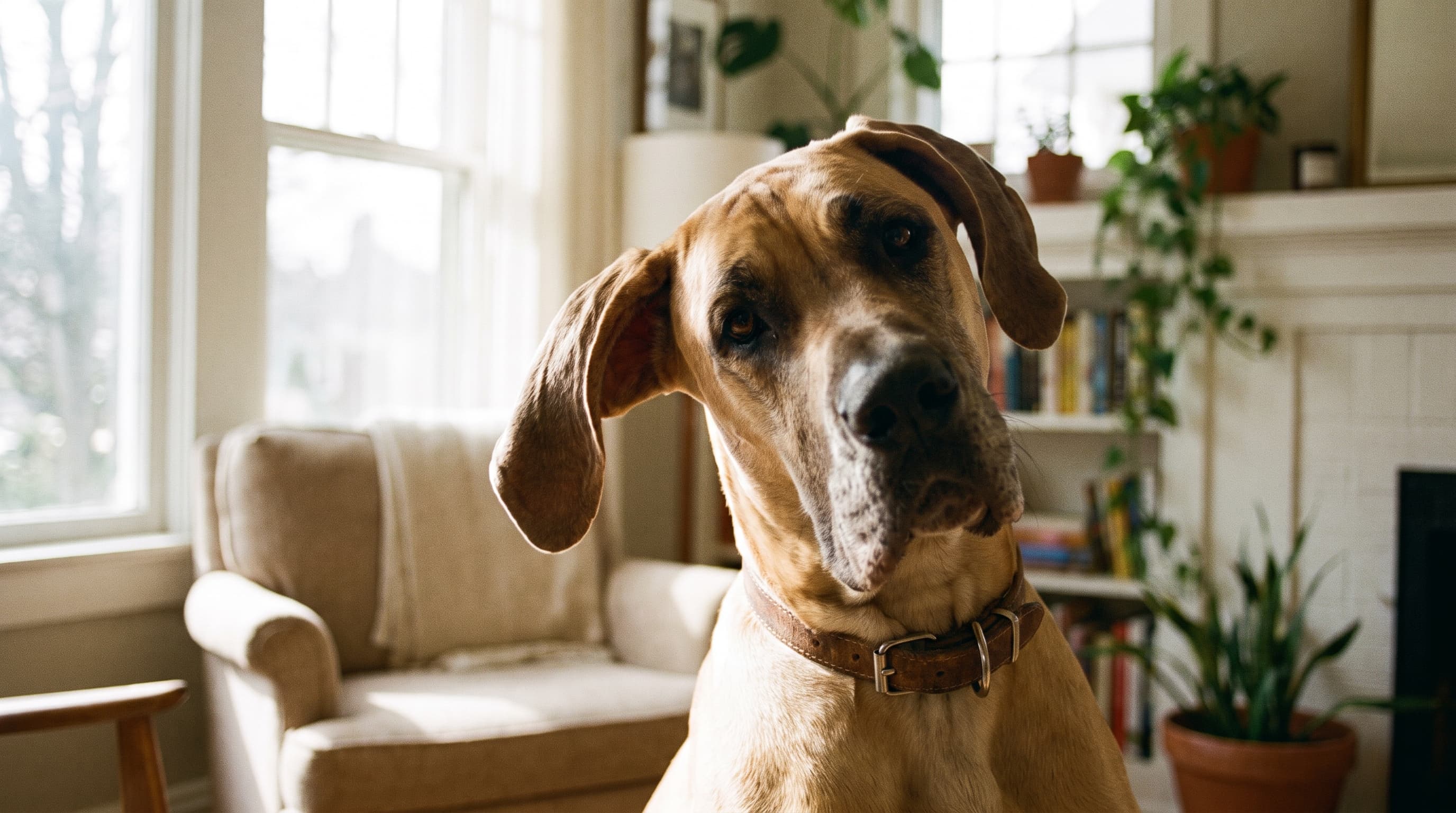
Scooby-Doo is a Great Dane. Hanna-Barbera animator Iwao Takamoto designed the lovable, mystery-solving pup as a Great Dane—one of the world's largest dog breeds—but deliberately gave him the opposite of the show-ring ideal: a sloped back, bowed legs, a double chin, and a spotted brown coat. The result is an instantly recognizable cartoon dog whose real-life breed is famous for being gentle, gigantic, and wonderful with families.
If you grew up chasing mysteries with Scooby and the Mystery Inc. gang, you've probably wondered why this "big scaredy-dog" looks a little different from a real Great Dane—and whether an actual Dane would make as goofy and lovable a companion. Here's the full story behind Scooby's breed, how his design came to be, and what Great Danes are truly like.
Scooby-Doo Is a Great Dane
From his very first appearance, Scooby-Doo was conceived as a Great Dane. The show Scooby-Doo, Where Are You! debuted on CBS on September 13, 1969, and the character quickly became the star of one of the longest-running franchises in animation history. According to Dogster and multiple production histories, designer Iwao Takamoto chose the Great Dane specifically because the breed's imposing size and legendary reputation made a comic contrast with Scooby's cowardly personality.
There's a fun bit of folklore here, too: Great Danes have historically been associated with warding off evil spirits and even "preventing nightmares." Casting a breed with that spooky pedigree as the ultimate ghost-fearing goofball is exactly the kind of playful irony that made the show a hit.
Why Scooby Doesn't Look Like a Real Great Dane
Here's the twist that surprises many fans: Takamoto intentionally broke the breed standard when designing Scooby. As he later explained, he consulted a Great Dane breeder to learn the hallmarks of a prize-winning dog—then went the other way on purpose. Per Great Pet Care, Takamoto said, "I decided to go the opposite and gave him a hump back, bowed legs, big chin and such."
So while a champion Great Dane has a straight back, straight legs, a square jaw, and a solid or classically patterned coat, Scooby has:
- A sloped, humped back instead of a level topline.
- Bowed legs rather than the breed's straight, columnar limbs.
- A double chin and rounded muzzle instead of a chiseled jaw.
- A brown coat with black spots—a color pattern that doesn't match any official Great Dane show color.
These exaggerations weren't a mistake; they were the whole point. By caricaturing the breed, Takamoto gave Scooby a soft, approachable, slightly clumsy look that matched his timid-but-brave heart—and made him unmistakable in a lineup of cartoon dogs.
What Colors Do Real Great Danes Come In?
Officially recognized Great Dane colors include fawn, brindle, blue, black, harlequin (white with irregular black patches), and mantle. Scooby's brown-with-black-spots coat is a cartoon invention that doesn't correspond to any of these standard colors—yet another way his creators bent reality for the sake of character.
Great Dane Facts: Meet the Real "Apollo of Dogs"
The American Kennel Club nicknames the Great Dane the "Apollo of Dogs," and one look explains why. These are true giants with a surprisingly gentle soul.
Size
Great Danes are among the tallest dog breeds on earth. According to PetMD, males typically stand 28–32 inches at the shoulder and weigh 110–175 pounds. Standing on their hind legs, many Danes are taller than an adult human. The record-holder, a Dane named Zeus, measured a staggering 44 inches tall.
Temperament
Despite their intimidating stature, Great Danes are famous for being gentle, patient, and affectionate—true "gentle giants." They're people-pleasers with big personalities and, sometimes, an even bigger belief that they're lap dogs. Well-socialized Danes tend to be calm, friendly, and eager to be part of the family's daily life.
Are Great Danes Good With Kids?
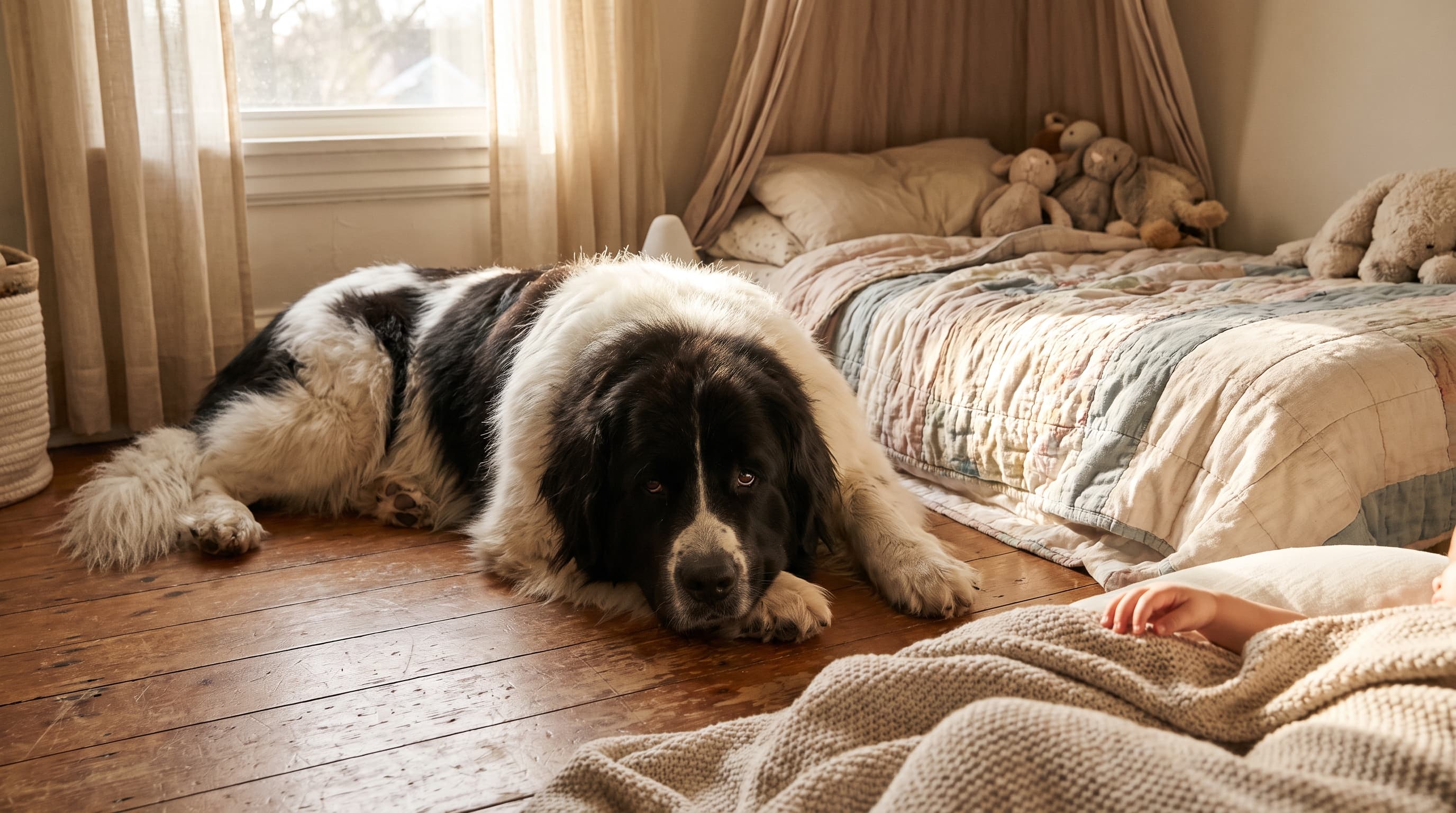
Yes—Great Danes are widely considered good family dogs and typically do well with children when raised and socialized with them from an early age. Their easygoing nature makes them patient companions. Because of their sheer size, though, supervision is a must: a friendly, wagging Dane can accidentally knock over a small child without meaning any harm.
Lifespan and Health
The one heartbreak of giant breeds is their short lifespan. Great Danes generally live just 7–10 years. Their size also predisposes them to certain health concerns—most notably bloat (gastric dilatation-volvulus), hip dysplasia, and heart conditions. Prospective owners should choose health-tested lines, learn the warning signs of bloat, and plan for the higher costs of feeding and medicating a very large dog. This is general information only and not veterinary advice; always consult your veterinarian about your dog's specific health needs.
Was Scooby-Doo Based on a Real Dog?
Not a specific real dog, but a very real breed. Takamoto studied actual Great Danes and their breed standard before caricaturing them into Scooby. The character's cowardly-yet-loyal personality, meanwhile, was shaped by the show's writers—Joe Ruby and Ken Spears among them—who reportedly drew inspiration from classic comedic "scaredy" characters. Scooby's iconic speech pattern, full of "Ruh-roh!" and words that start with R, was originated by voice actor Don Messick.
Other Famous Great Danes in Pop Culture
Scooby isn't the only Great Dane to make it big. The breed's blend of size and sweetness has made it a natural for cartoons and comics:
- Scooby-Doo — the ghost-spooked star of Mystery Inc.
- Astro from The Jetsons — another Hanna-Barbera Great Dane with a similar speech quirk.
- Marmaduke — the mischievous Great Dane of comic-strip and film fame.
- Scooby's family — including his nephew Scrappy-Doo, cousin Scooby-Dum, and more.
It's no coincidence that so many beloved cartoon dogs are Great Danes: the breed's larger-than-life size and famously goofy, gentle demeanor make it perfect for big-hearted, comedic characters.
Should You Get a Great Dane?
Charmed by Scooby and thinking a Great Dane might be your next family dog? They can be spectacular companions—loving, mellow, and great with kids—but they're a serious commitment. You'll need space, a budget for supersized food and vet bills, an understanding of bloat prevention, and the emotional readiness for a shorter lifespan. For the right household, though, few breeds offer as much gentle-giant love. Just don't expect yours to solve any mysteries.
Frequently Asked Questions
What breed of dog is Scooby-Doo?
Scooby-Doo is a Great Dane. Animator Iwao Takamoto designed him based on the breed but deliberately gave him non-standard features like a sloped back, bowed legs, and a spotted brown coat.
Why doesn't Scooby-Doo look like a Great Dane?
Takamoto intentionally reversed the Great Dane show standard for comedic effect—adding a hump back, bowed legs, and a big chin—so Scooby would look soft, funny, and unmistakable rather than like a prize-winning purebred.
What color is a real Great Dane?
Standard Great Dane colors include fawn, brindle, blue, black, harlequin, and mantle. Scooby's brown coat with black spots is a cartoon design that doesn't match any official breed color.
How big do Great Danes get?
Male Great Danes typically stand 28–32 inches tall and weigh 110–175 pounds, making them one of the tallest dog breeds in the world.
Are Great Danes good family dogs?
Yes. Great Danes are gentle, affectionate "gentle giants" that generally do well with children when socialized early—though their size means interactions with small kids should always be supervised.
How long do Great Danes live?
Great Danes have a relatively short lifespan of about 7–10 years, which is common among giant dog breeds.
Keep the Fun Going
Love a good dog-in-pop-culture deep dive? Check out our roundup of iconic dogs in movies we all adore. And if Scooby has you dreaming of a real-life family dog, browse our guide to the best dogs for families with kids or read up on another powerful gentle-giant breed in our Cane Corso profile.
Want more fun facts, breed guides, and dog-friendly stories delivered weekly? Subscribe to the Daily Wag newsletter and join the pack.