
Can Dogs Eat Applesauce? A Safe-Snacking Guide
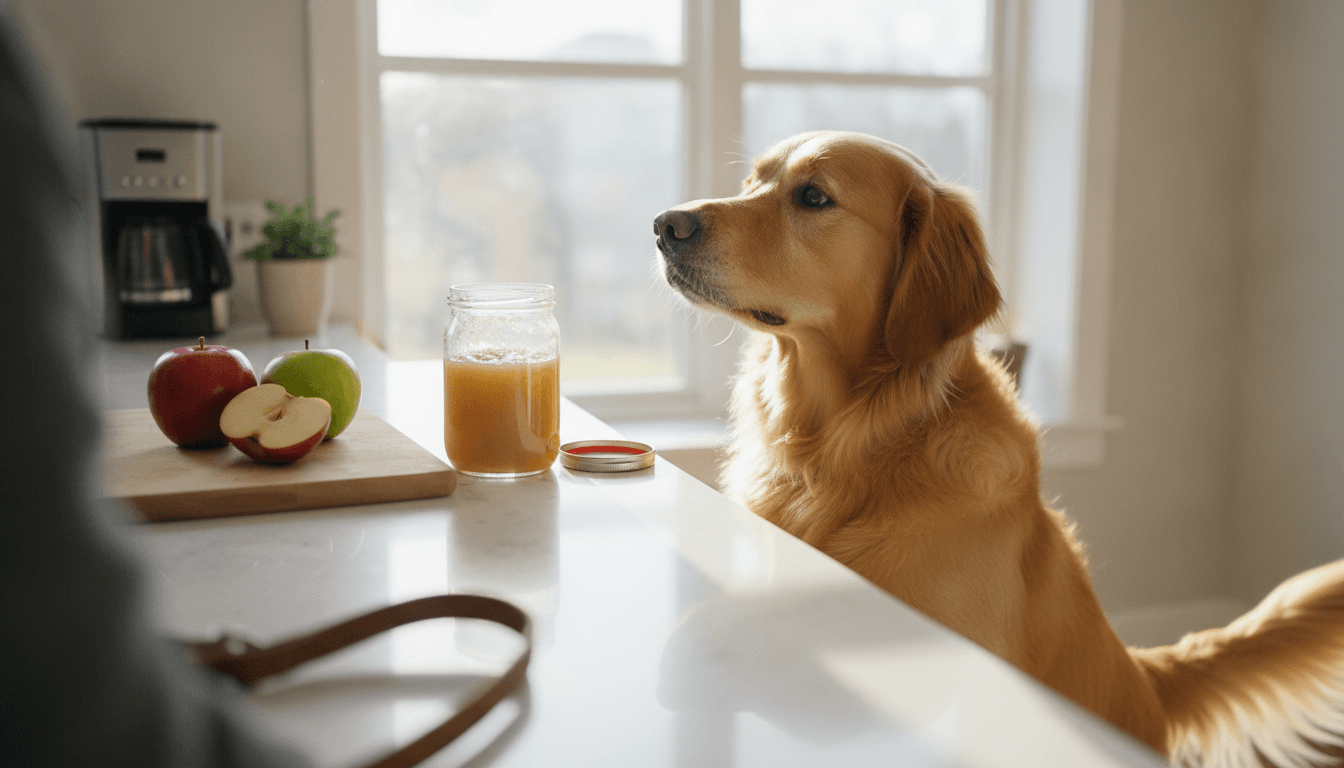
Yes, dogs can eat applesauce in small amounts as long as it's plain and unsweetened — ideally homemade or a no-sugar-added brand. Plain applesauce delivers a little fiber, vitamin C, and antioxidants, and its soft texture is gentle on the stomach. The danger isn't the apple; it's the add-ins. Skip anything with added sugar, cinnamon, or the artificial sweetener xylitol, which is highly toxic to dogs.
Applesauce is one of those "is this okay or did I just poison my dog?" foods, mostly because the version in your pantry was made for people, not pets. This guide covers exactly which applesauce is safe, how much to give, the one ingredient that turns a healthy snack into an emergency, and fun ways to serve it — including the frozen summer treat dogs go wild for.
Is applesauce good for dogs, or just "not harmful"?
Plain applesauce sits in a nice middle ground: it's not a complete food, but it does offer real perks. Apples are a source of soluble fiber, vitamin C, vitamin A, and antioxidants, and the smooth purée is easy to lap up and easy to digest. According to Purina, unsweetened applesauce can be a safe, low-calorie treat when offered in moderation, and the soft texture can be soothing for dogs with mild tummy troubles or seniors who struggle with crunchy treats. The American Kennel Club similarly lists apples as a dog-friendly fruit, with the usual caveat to remove seeds and core.
That said, applesauce should be a garnish, not a food group. The fiber that helps in small amounts can cause loose stool in large amounts, and even natural fruit sugar adds up. Think of it as a topper or a treat, not a bowl filler.
The most important rule: read the label for xylitol and sugar
Here's the part that actually matters for safety. Many "sugar-free," "light," or "no sugar added" diabetic-friendly products are sweetened with xylitol, and xylitol is dangerous to dogs even in tiny amounts. Pet Poison Helpline explains that xylitol causes a rapid, dangerous drop in blood sugar (hypoglycemia) and, at higher doses, can lead to liver failure — and dogs react to amounts that wouldn't faze a person. If an applesauce label says "sugar-free" or lists xylitol (sometimes called birch sugar), do not give it to your dog, and call your vet immediately if they've eaten some.
Regular sweetened applesauce isn't toxic, but the added sugar provides empty calories and can upset digestion. Cinnamon-spiced and "caramel apple" varieties are also best avoided: while a tiny bit of cinnamon isn't poisonous, the spice can irritate the mouth and stomach, and these products usually carry extra sugar too.
Which applesauce is safe for dogs?
Your safest options, in order:
- Homemade, no-sugar-added applesauce. You control every ingredient — just apples and water, maybe a squeeze of lemon. This is the gold standard.
- Plain "natural" store brands with no sugar added. Pet guides like Petful note that no-sugar-added options such as plain Mott's Natural (just apples and a little vitamin C) are acceptable in small amounts. Always check the ingredient list yourself.
- Single-serve unsweetened cups are convenient for portion control — again, confirm there's no added sugar or sweetener.
Avoid: sweetened, "lite"/sugar-free, cinnamon or spiced, and anything labeled with xylitol or birch sugar.
How much applesauce can a dog have?
Moderation is everything. As a general starting point, a teaspoon for small dogs and one to two tablespoons for medium-to-large dogs is plenty, and only occasionally — not daily. Like all treats, applesauce should stay within the "10% rule": treats and extras should make up no more than about 10% of your dog's daily calories, with the rest coming from a complete, balanced dog food. Pumpkin Pet Insurance echoes this small-and-occasional approach.
Introduce it slowly the first time and watch for any digestive upset. Dogs that are overweight, diabetic, or managing a health condition should skip fruit sugars unless your veterinarian okays it, since even natural sugar can affect blood-sugar management.
Fun ways to serve applesauce to your dog
Once you've got a safe, plain applesauce, it becomes a genuinely handy tool:
- Frozen "pup-sicles." Spoon plain applesauce into silicone molds or an ice-cube tray and freeze. The result is a cooling, low-calorie summer treat — perfect for hot-pavement days when you're keeping walks short.
- Pill helper. A dab of applesauce is sticky and tasty, which makes it a great low-fat way to hide a tablet or capsule for picky dogs (check with your vet that the medication can be given with food).
- Lick-mat topper. Smear a thin layer on a lick mat or in a stuffable toy to slow down fast eaters and provide calming enrichment.
- Kibble booster. A small spoonful stirred into dinner can tempt a dog who's off their food (an occasional fix, not a routine).
Applesauce vs. fresh apples: which is better?
Both can be healthy in moderation, and they do slightly different jobs. Fresh apple slices give a satisfying crunch and a bit of dental scrubbing — just core them and remove the seeds first, as we cover in our guide to apples and safe snacking for dogs. Applesauce is gentler and easier for puppies, seniors, or dogs recovering from dental work, but it's also easier to over-serve and more likely to contain added sugar. If you want more fruit ideas, browse our roundup of dog-friendly fruits, and for another soothing, fiber-rich topper, see whether dogs can eat pumpkin.
Frequently asked questions
Can dogs eat applesauce with cinnamon?
It's best to skip it. A trace of cinnamon won't poison your dog, but cinnamon can irritate the mouth and digestive tract, and spiced applesauce usually contains added sugar. Stick with plain, unsweetened applesauce.
Is Mott's applesauce safe for dogs?
Plain Mott's Natural (no sugar added — just apples and vitamin C) is generally fine in small amounts. Avoid the regular sweetened version and any sugar-free variety. Always read the specific label, since recipes can change.
Can applesauce help a dog with an upset stomach or diarrhea?
A small amount of plain applesauce is gentle and provides soluble fiber, which some owners use alongside a bland diet. But persistent vomiting or diarrhea needs a vet, not a home remedy — call your veterinarian rather than trying to treat it with food alone.
How much applesauce can a puppy have?
Just a tiny taste, if any, and not as a regular thing. Puppies have sensitive stomachs and specific nutritional needs, so most of their calories should come from a complete puppy food. Check with your vet before adding treats.
What happens if my dog eats sugar-free applesauce?
Sugar-free products may contain xylitol, which is toxic to dogs and can cause a dangerous blood-sugar crash and liver damage. If your dog ate a sugar-free or "diabetic" applesauce, treat it as an emergency and call your veterinarian or a pet poison hotline right away.
The bottom line
Plain, unsweetened applesauce is a perfectly good occasional treat for most dogs — and a genuinely useful one for hiding pills or making frozen summer snacks. The whole game is the label: keep it plain, keep portions small, and never offer anything sweetened with xylitol. When you're unsure about your individual dog, especially if they have a health condition, your veterinarian is the best person to ask.
This article is general information, not veterinary advice. Talk to your vet about the right treats and portions for your dog.
Hungry for more "can my dog eat this?" answers? Subscribe to the Daily Wag newsletter for vet-aware food tips and dog-safe treat ideas every week.