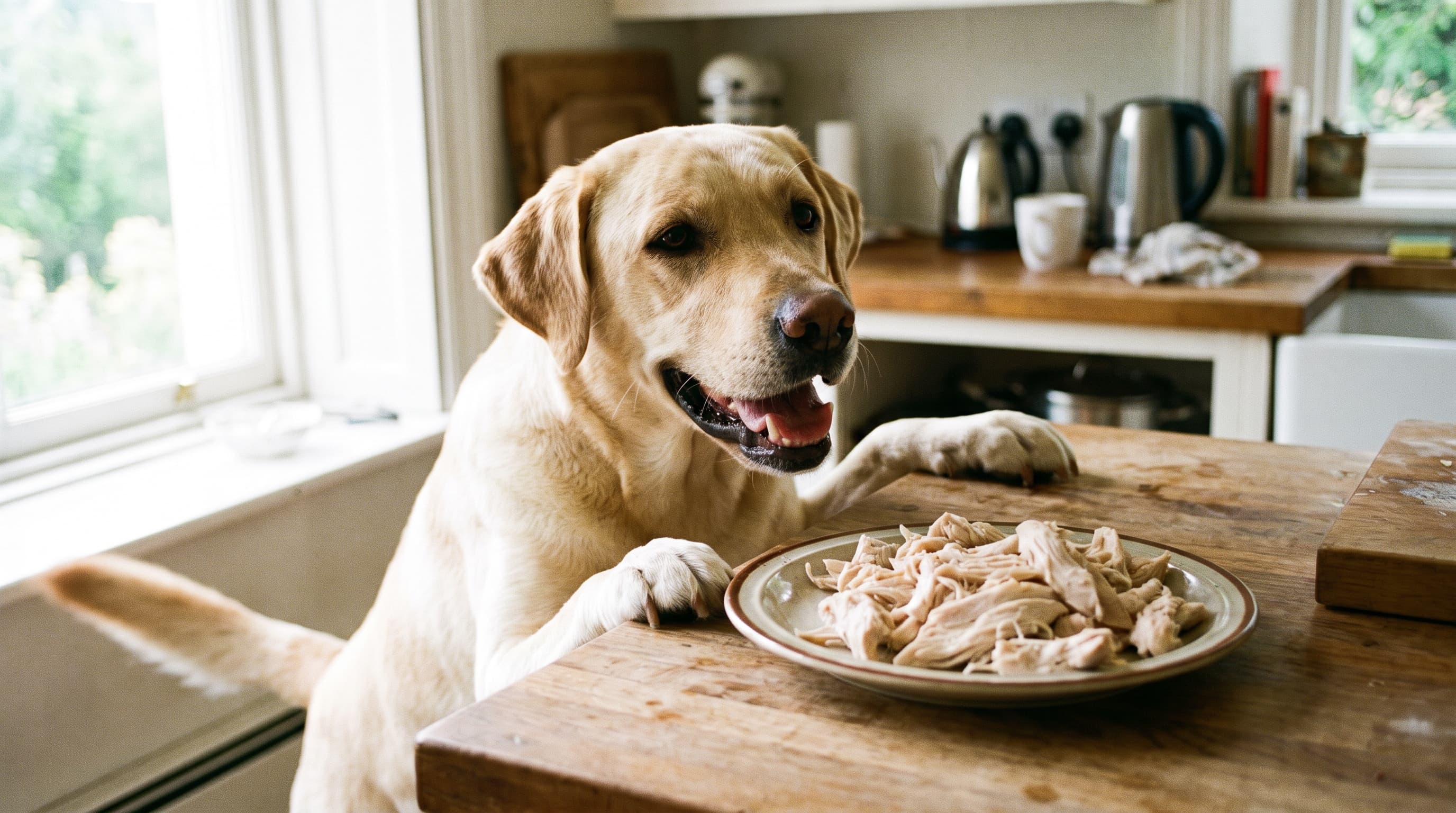

Can Dogs Eat Tortillas? What Pet Parents Need to Know
Yes, dogs can eat a small piece of a plain corn or flour tortilla safely as an occasional treat. Tortillas are not toxic, but they offer almost no nutritional value and are high in refined carbs and sodium. Corn tortillas are the better choice since they are gluten-free, while seasoned, filled, or chip-form tortillas should always be avoided.
This article is for general information only and is not veterinary advice. Talk to your veterinarian about your individual dog's diet, especially if your dog has allergies, weight issues, or a sensitive stomach.
Are Tortillas Safe for Dogs?
A plain tortilla made from basic ingredients, flour or corn, water, and a little salt, is generally safe for a healthy dog in small amounts. The concern is not acute toxicity but nutrition: tortillas are essentially empty calories. According to Chewy's pet nutrition resources, they deliver refined carbohydrates and sodium without meaningful protein, fiber, or vitamins your dog actually needs. Treats of any kind, tortillas included, should make up no more than about 10 percent of your dog's daily calories, a guideline echoed in the ASPCA's nutrition tips.
Corn Tortillas vs. Flour Tortillas for Dogs
If you are going to share, corn tortillas are the safer pick. Corn tortillas are made from masa (nixtamalized corn), water, and lime, and are naturally gluten-free, which matters for the small number of dogs sensitive to wheat. Flour tortillas contain wheat and often more fat and additives, so dogs with grain sensitivities should skip them. As Spot Pet Insurance notes, both types are fine only in moderation, and neither should become a regular part of the diet. Whichever you choose, plain and unseasoned is the rule.
The Real Risks of Feeding Tortillas to Dogs
The danger with tortillas usually comes from what is added to them, not the tortilla itself. Watch out for:
- Onion and garlic: Many seasoned tortillas, wraps, and flavored chips contain onion or garlic powder, which are toxic to dogs. Compounds in these Allium foods damage red blood cells and can cause anemia. The Merck Veterinary Manual confirms garlic is even more potent than onion by weight.
- High sodium: Refined tortillas and especially tortilla chips are salty, and too much salt is hard on dogs, particularly small ones.
- Excess carbohydrates: Regular tortilla snacking adds up fast and contributes to weight gain, a risk flagged among common people foods to feed carefully.
- Fillings and toppings: Cheese, beans, salsa, jalapeños, sour cream, and taco seasoning can cause stomach upset or worse. Skip the loaded taco.
What About Tortilla Chips and Fried Tortillas?
Tortilla chips are a clear no. They are deep-fried, heavily salted, and often seasoned with onion, garlic, or spicy flavorings, a combination that can trigger vomiting, diarrhea, or salt-related problems. Fried tortillas and anything from a restaurant plate fall in the same category. If your dog swipes a single plain chip off the floor, there is usually no need to panic, but chips should never be offered on purpose. For spicy add-ons specifically, see our guide on whether dogs can eat jalapeños.
How to Safely Give Your Dog a Tortilla
If you want to share a bite, keep it simple and small. Offer a small piece of a plain, cooked corn tortilla with no butter, oil, salt, or seasoning. Tear it into bite-sized pieces to avoid any choking or gulping, and introduce it gradually so you can watch for digestive upset. Puppies should skip tortillas entirely, since they need nutrient-dense, growth-formulated food and cannot spare calories on empty snacks. If your dog has a sensitive stomach, healthier options in our roundup of the best dog treats for sensitive stomachs are a smarter reward.
Better, Healthier Treat Alternatives
There is no nutritional reason to feed tortillas when so many better snacks exist. Reach instead for small pieces of dog-safe fruits and vegetables like carrots, green beans, blueberries, or apple slices (no seeds), plain cooked lean meats, or treats formulated for dogs. These deliver fiber, vitamins, and satisfaction without the empty carbs. If you are curious about other human foods, our guides on whether dogs can eat cheese and whether dogs can have bread cover two of the most common questions, and our piece on dogs and pizza explains why loaded human foods cause trouble.
Frequently Asked Questions
Can dogs eat flour tortillas?
In small amounts, plain flour tortillas are usually fine for dogs without wheat sensitivities. They contain gluten and offer little nutrition, so corn tortillas are the better occasional choice.
Can dogs eat corn tortillas?
Yes, plain corn tortillas are naturally gluten-free and safe in moderation. Serve a small, unseasoned piece and avoid any with added salt, oil, or flavorings.
Are tortilla chips bad for dogs?
Yes. Tortilla chips are fried, salty, and frequently seasoned with onion or garlic, so they should not be given to dogs.
How much tortilla can a dog eat?
Keep it to a small piece as an occasional treat. Treats should stay under about 10 percent of your dog's daily calories, and tortillas add up quickly.
What should I do if my dog ate a seasoned tortilla or taco?
Watch for vomiting, diarrhea, or lethargy, and note whether it contained onion or garlic. If your dog ate a significant amount or shows symptoms, contact your veterinarian or a pet poison helpline.
Can puppies eat tortillas?
It is best to skip them. Puppies need nutrient-dense food formulated for growth, and empty-calorie snacks like tortillas can interfere with balanced nutrition.
The Bottom Line
Can dogs eat tortillas? A small piece of a plain corn or flour tortilla will not hurt a healthy dog, but tortillas provide no real nutritional benefit and carry risks when seasoned, filled, or fried. Keep portions tiny and occasional, avoid anything with onion, garlic, or salt, and reach for a healthier treat when you can. When in doubt about your dog's diet, ask your veterinarian.
Hungry for more clear, vet-informed answers about what your dog can and can't eat? Subscribe to the Daily Wag newsletter for practical feeding tips delivered to your inbox.