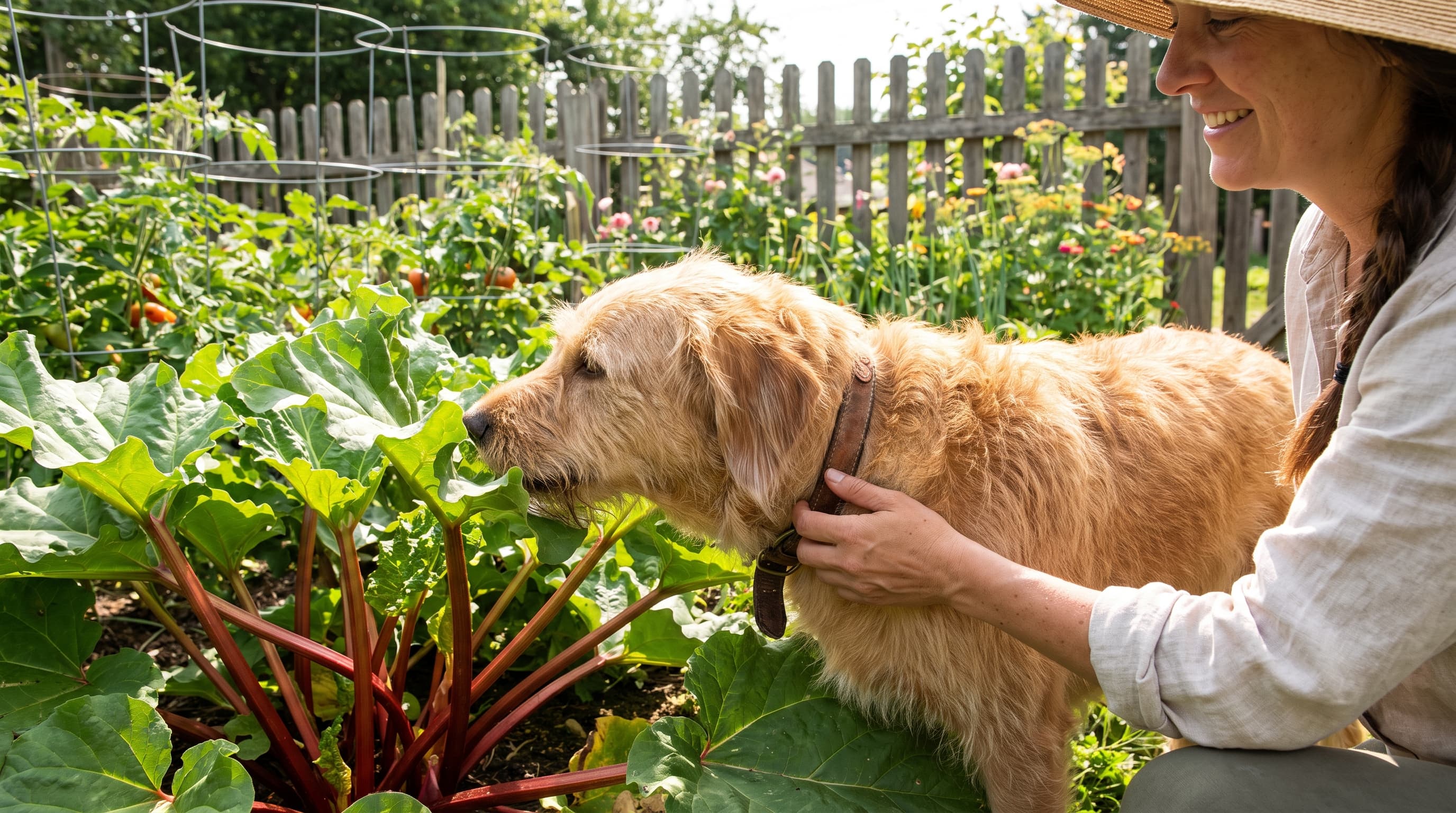

Can dogs eat rhubarb? It's best avoided. The cooked or raw stalk is low-risk in tiny amounts, but rhubarb leaves are genuinely toxic to dogs — they're packed with soluble oxalates that can cause drooling, vomiting, tremors, and, in serious cases, kidney damage. There's no nutritional reason to feed rhubarb, so the safest answer is to keep it off the menu.
Is Rhubarb Toxic to Dogs?
Rhubarb is a classic "it depends which part" plant. The leaves are toxic, while the stalks are considered non-toxic to mildly risky, depending on how much a dog eats. The culprit is a group of compounds called soluble calcium oxalates, which are concentrated in the leafy greens. According to the Pet Poison Helpline, these oxalates can bind calcium in the bloodstream and, in large enough doses, injure the kidneys.
Here's the important nuance: the amount of leaf a dog would need to eat to cause severe poisoning is fairly large, so a single lick or nibble is unlikely to be an emergency. But because the stalks offer no real benefit and the leaves carry real risk, veterinarians and pet nutrition guides broadly agree that rhubarb simply isn't worth feeding your dog on purpose. Both Rover and Dogster's vet-reviewed guide reach the same conclusion.
Rhubarb Leaves vs. Stalks: What's the Difference?
The Leaves — Avoid Completely
Rhubarb leaves contain the highest concentration of soluble oxalates and are the truly dangerous part of the plant. This matters most for dogs with backyard access to a vegetable garden, where fallen or trimmed leaves are within easy reach. The ASPCA lists rhubarb among plants toxic to dogs, cats, and horses precisely because of these leaves.
The Stalks — Low Risk, But Pointless
The pink-red stalks (the part people bake into pies and crumbles) contain far less oxalate and are unlikely to poison a dog that grabs a small piece. However, raw rhubarb stalk is intensely sour, high in fiber, and can cause stomach upset, while baked rhubarb desserts are loaded with sugar — and sometimes xylitol, which is highly toxic to dogs. So even the "safe" part is a no from a health standpoint.
Symptoms of Rhubarb Poisoning in Dogs
If a dog eats a significant amount of rhubarb leaf, signs of oxalate toxicity can develop. According to Wag's overview of rhubarb poisoning, these may include:
- Excessive drooling and pawing at the mouth
- Vomiting and diarrhea
- Loss of appetite and lethargy
- Tremors, weakness, or muscle twitching
- Increased thirst and changes in urination
- Blood in the urine or, in severe cases, signs of kidney trouble
Symptoms can appear within a few hours, but kidney-related effects may take a day or more to show. Because the damage can begin before obvious symptoms appear, waiting to "see how it goes" is not the right approach with a large leaf ingestion.
What to Do If Your Dog Eats Rhubarb
Stay calm and act based on what your dog actually ate:
- A small piece of stalk: Usually not an emergency. Watch for vomiting or diarrhea over the next 24 hours and keep fresh water available. Call your vet if GI upset is more than mild or your dog seems unwell.
- Any amount of leaf, or a large amount of stalk: Contact your veterinarian or an animal poison control line right away. Have an estimate of how much was eaten and when.
- Any rhubarb dessert: Check whether it contained xylitol, chocolate, raisins, or a lot of sugar and butter, and mention this to your vet.
Do not try to induce vomiting at home unless a veterinary professional specifically tells you to. This article is general information and isn't a substitute for veterinary care — when in doubt, call your vet or a pet poison helpline. For a broader primer, see our guide to the signs of poisoning every pet owner should know.
How to Keep Rhubarb Away From Your Dog
Prevention is the whole game with a plant that offers no upside:
- Fence or block the rhubarb patch. Rhubarb is a common perennial in northern gardens, and curious dogs dig and chew. A barrier keeps leaves out of reach.
- Clear trimmings immediately. Don't leave cut leaves in a compost pile or garden bin your dog can access — dispose of them where your dog can't dig them out.
- Store harvested rhubarb up high. Keep stalks and leaves off low counters and out of open grocery bags.
- Skip rhubarb desserts as "shares." Even a stalk-only pie is sugary and pointless for a dog.
If you love gardening with your dog around, it's worth learning which of your plants are dog-safe and which aren't, and steering treat time toward foods that are actually good for them.
Safer Fruits and Veggies Than Rhubarb
The good news is that plenty of produce is both safe and genuinely healthy for dogs, so you don't have to gamble on rhubarb. Vet-approved options that most dogs enjoy in moderation include blueberries, plain pumpkin, carrots, green beans, cucumber, and small pieces of apple with the seeds and core removed. The American Kennel Club's list of fruits and vegetables dogs can and can't eat is a handy reference. For a deeper dive on one crowd favorite, see our guide to safely feeding dogs apples. And remember that some popular human foods, like grapes and raisins, are dangerously toxic — so always check before you share.
Frequently Asked Questions
Can dogs eat cooked rhubarb or rhubarb pie?
It's not recommended. Cooking the stalk reduces the sourness but doesn't make rhubarb a healthy choice, and desserts add sugar, butter, and sometimes xylitol — a sweetener that's highly toxic to dogs. Skip the pie.
Are rhubarb stalks safe for dogs?
The stalk is much lower in oxalates than the leaf and a small nibble is unlikely to cause serious harm, but raw stalk is very sour and high in fiber and can upset a dog's stomach. There's no health reason to offer it.
How much rhubarb is poisonous to a dog?
There's no exact safe threshold, and it varies with the dog's size and the part eaten. The leaves are the dangerous part, and a large ingestion is the real concern. Rather than guessing at amounts, treat any leaf ingestion as a reason to call your vet.
My dog licked a rhubarb leaf — should I worry?
A single lick or tiny nibble is unlikely to cause severe poisoning, but monitor for drooling, vomiting, or lethargy and call your vet if you see them or if your dog ate more than a trace.
Is rhubarb toxic to dogs the same way it is to people?
Yes — the same soluble oxalates in the leaves that make them unsafe for humans to eat are what make them toxic to dogs. The stalk is the edible part for people, but even that isn't a good idea for dogs.
What garden plants should I worry about besides rhubarb?
Many common garden and ornamental plants are toxic to dogs, including tomato leaves and stems, onions, garlic, grapes, and plants like lilies and sago palm. Check any new plant against a reputable toxic-plant list before adding it to a dog-accessible yard.
The Bottom Line
Rhubarb isn't a food to share with your dog. The leaves are toxic thanks to soluble oxalates, and while the stalks are far lower-risk, they're sour, sugar-laden in dessert form, and nutritionally pointless for dogs. Keep rhubarb plants fenced, trimmings cleared, and desserts to yourself — and reach for dog-safe produce instead. If your dog ever eats rhubarb leaves or a large amount of stalk, call your veterinarian or a pet poison helpline promptly rather than waiting for symptoms.
Want vet-informed answers to more "can my dog eat this?" questions before you share from your plate? Subscribe to the Daily Wag newsletter for practical, science-backed feeding guidance delivered straight to your inbox.