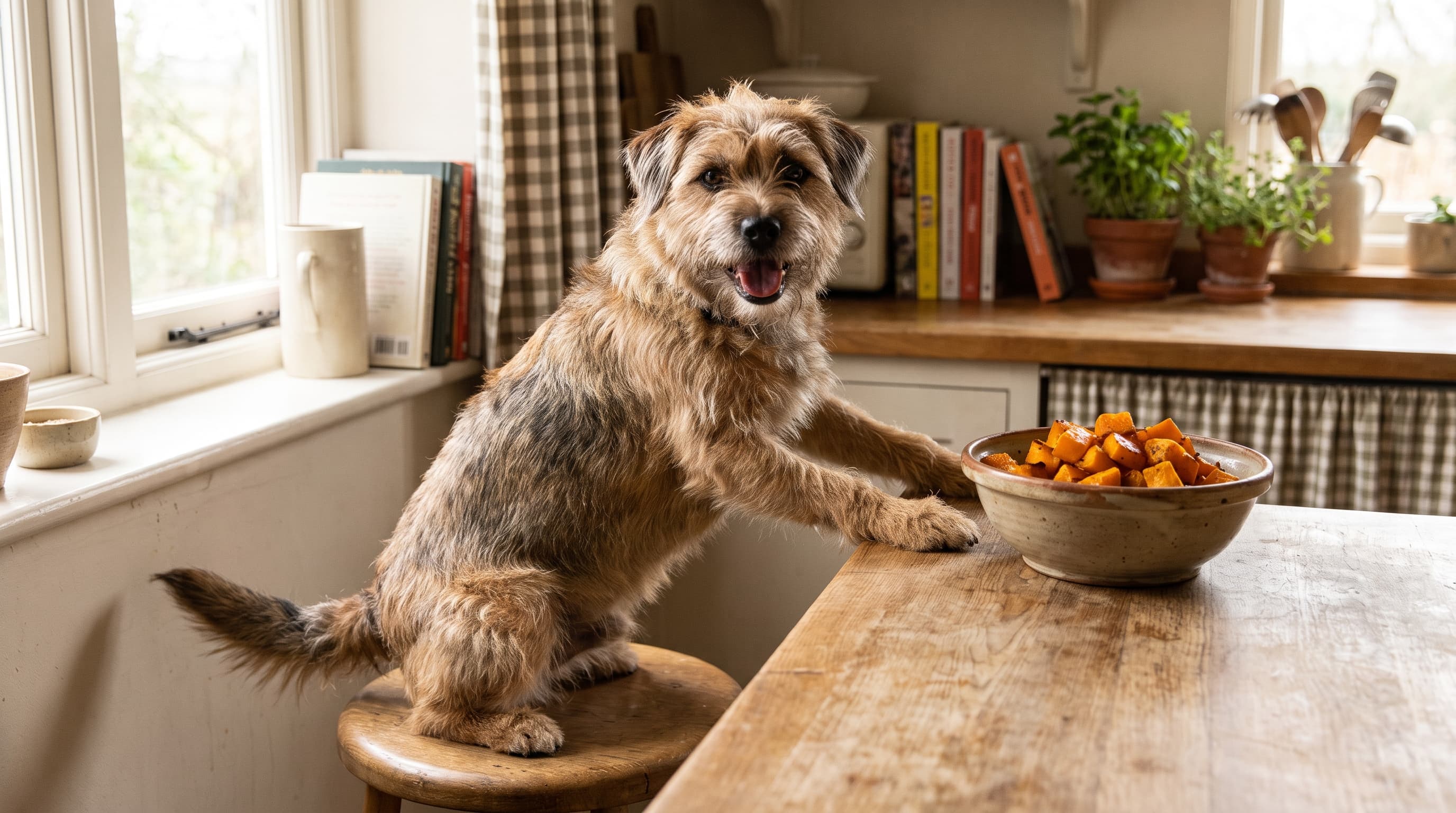

Can Dogs Eat Squash? A Vet-Informed Guide to Safe Types, Prep, and Portions
Yes, dogs can eat squash. Every common variety — butternut, pumpkin, zucchini, acorn, spaghetti, and yellow squash — is non-toxic and safe for dogs when it's cooked plain, with the seeds, skin, and rind removed. Squash is rich in fiber, beta-carotene, and vitamins A and C, making it a healthy, low-calorie treat. Serve it unseasoned and in moderation, and skip any squash cooked with butter, salt, onion, or garlic.
Is Squash Safe for Dogs?
Squash is one of the safest "people foods" you can share with a dog. The American Kennel Club confirms that all varieties of squash are safe for dogs to eat as long as they're prepared properly. There's nothing in the flesh of a squash that's toxic to dogs — the cautions are about preparation, portion size, and the parts you don't want them eating, like big seeds or tough rinds that can upset the stomach or pose a choking risk.
Veterinary nutrition resources echo this. According to PetMD's guidance on squash for dogs, the vegetable is a nutrient-dense, low-calorie addition that most dogs tolerate well. As with any new food, introduce it gradually and in small amounts so you can watch for digestive upset.
Health Benefits of Squash for Dogs
Squash isn't just safe — it's genuinely good for most dogs in sensible amounts. The standout benefits include:
- Fiber for digestion: squash is high in soluble fiber, which can firm up loose stools and ease mild constipation. This is why pure pumpkin is a go-to home remedy for minor tummy troubles.
- Beta-carotene and vitamin A: support vision, immune function, and healthy skin and coat.
- Vitamin C and antioxidants: help protect cells from damage.
- Low in calories: a satisfying, filling treat that won't pack on pounds — useful for dogs on a weight-management plan.
- Hydration: the high water content adds a little extra moisture to the diet.
The team at JustFoodForDogs notes that these nutrients make squash a smart, whole-food alternative to processed treats — provided it's served plain. For more wholesome options, see our roundup of the healthiest human foods for dogs.
Which Types of Squash Can Dogs Eat?
Good news: dogs can eat every popular type of squash. Here's a quick variety-by-variety breakdown.
Butternut squash
A favorite. Sweet, soft when cooked, and packed with vitamin A. Always remove the skin and seeds and serve it steamed or roasted with nothing added.
Pumpkin
The gold standard for digestive support. Plain, cooked pumpkin (or canned 100% pumpkin — never pumpkin pie filling, which contains sugar and spices) is excellent for loose stools. Read our dedicated guide on whether dogs can eat pumpkin for serving amounts.
Zucchini
One of the easiest squashes for dogs to digest, and low in calories. It can be served cooked or, in small thin pieces, raw. Remove any tough stem ends.
Acorn squash
Rich in fiber and potassium. Cook until soft, scoop the flesh away from the skin and seeds, and serve plain.
Spaghetti squash
Safe and fun — the cooked strands are easy to portion. As always, cooked and unseasoned, with seeds removed.
Yellow (summer) squash
Similar to zucchini, mild and easy to digest. Best cooked, but small raw pieces are fine for most dogs.
How to Safely Prepare Squash for Your Dog
Preparation is where most mistakes happen. Follow these steps to keep squash a healthy treat:
- Remove seeds, skin, and rind. Large seeds can be a choking hazard, and tough skins are hard to digest.
- Cook it. Steaming, roasting, or boiling softens the flesh and makes nutrients easier to absorb. Dogs digest cooked squash far more easily than raw.
- Keep it plain. No butter, oil, salt, sugar, or seasoning. Onion and garlic — common in savory squash recipes — are toxic to dogs and must be avoided entirely.
- Cut into bite-size pieces appropriate for your dog's size to prevent choking.
- Cool before serving so you don't burn your dog's mouth.
A simple approach: steam or roast chunks of peeled, seeded squash until fork-tender, mash or dice, let cool, and add a spoonful to your dog's regular food.
How Much Squash Can a Dog Eat?
Treats and extras — squash included — should make up no more than about 10% of your dog's daily calories. The rest should come from a complete, balanced dog food. A reasonable starting point is a tablespoon or two for a small dog and up to a quarter-cup for a large dog, a few times a week.
Too much squash, too fast, can cause the opposite of the intended benefit: loose stools, gas, or an upset stomach from the fiber load. Introduce it slowly and watch how your dog responds. If your dog has diabetes, kidney issues, or another medical condition, check with your veterinarian first, since even healthy vegetables can affect a managed diet.
When to Avoid Squash or Call Your Vet
Squash itself is safe, but a few situations call for caution:
- Seasoned or buttery squash: casserole, soup, or holiday squash dishes often contain butter, salt, sugar, onion, or garlic — skip these entirely.
- Raw, large chunks: can be hard to digest and a choking risk, especially the firm winter varieties.
- Signs of trouble: if your dog vomits, has persistent diarrhea, or seems uncomfortable after eating squash, stop offering it and contact your vet.
This article offers general guidance, not a substitute for professional advice. When in doubt about your individual dog's diet, your veterinarian is the best resource.
Frequently Asked Questions About Dogs and Squash
Can dogs eat raw squash?
Soft summer types like zucchini and yellow squash are generally fine raw in small, thin pieces, but most dogs digest cooked squash much more easily. Firm winter squashes like butternut and acorn should always be cooked.
Can dogs eat squash skin and seeds?
It's best to remove both. Skins and rinds are tough to digest, and large seeds can be a choking hazard or cause blockages. The soft flesh is the part to serve.
Is butternut squash good for dogs?
Yes. Cooked, peeled, seeded butternut squash is one of the most dog-friendly varieties, full of vitamin A and fiber. Serve it plain and in moderation.
Can squash help a dog's upset stomach?
Plain cooked pumpkin and other squashes are high in soluble fiber, which can help with mild diarrhea or constipation. For ongoing digestive problems, see your vet rather than self-treating.
Can puppies eat squash?
In tiny, cooked, plain amounts, squash is usually fine for puppies, but their main nutrition should come from a complete puppy food. Introduce any new food slowly and ask your vet if you're unsure.
How often can dogs have squash?
A few times a week is reasonable, as long as squash and other treats stay under roughly 10% of daily calories.
The Bottom Line
Squash is a safe, nutritious, low-calorie treat for dogs across every common variety, from butternut and pumpkin to zucchini and acorn. The keys are simple: cook it, remove the seeds and skin, keep it completely plain, and serve it in moderation. Done right, a spoonful of squash is a wholesome way to add fiber and vitamins to your dog's bowl.
Hungry for more "can my dog eat this?" answers? Bookmark our guides to pumpkin for dogs and the healthiest human foods for dogs — and subscribe to the Daily Wag newsletter for fresh, vet-informed feeding tips every week.