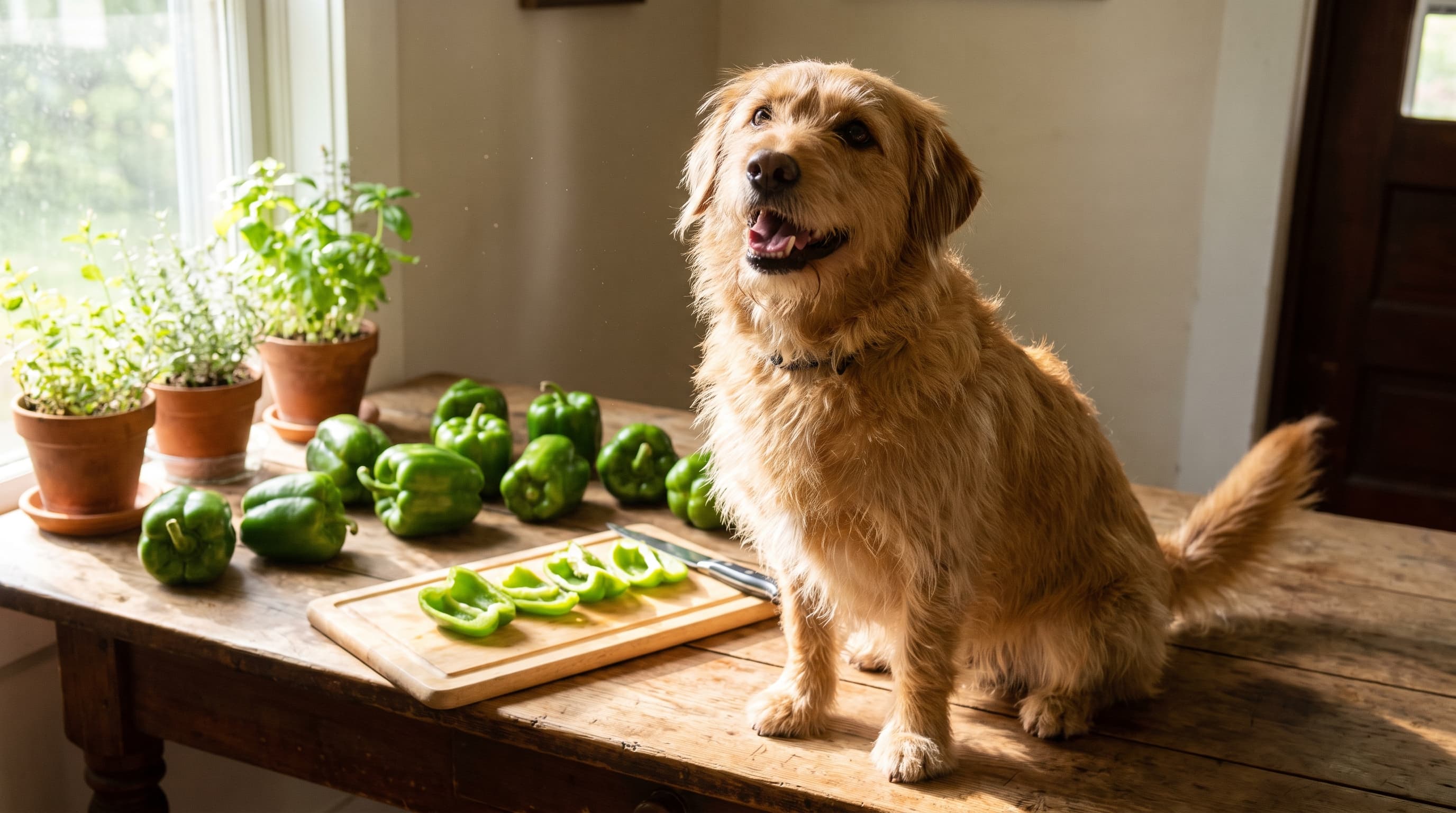

Can dogs have sesame seeds? Yes — plain sesame seeds are non-toxic to dogs and safe in small amounts. A pinch sprinkled on food won't hurt a healthy dog, and the seeds offer trace calcium, iron, and healthy fats. But dogs can't fully digest whole seeds, and seasoned or bun-based sources (garlic, onion, salt, sugar) are the real risk.
Are Sesame Seeds Safe for Dogs?
Sesame seeds are not on any veterinary list of foods toxic to dogs, and a small, plain serving is generally considered harmless. The catch is context. The seeds themselves are benign, but the foods that usually carry them — hamburger buns, bagels, sushi rolls, crackers, and stir-fries — often contain ingredients that are dangerous, like garlic, onion, heavy salt, or added sugar. According to the ASPCA's list of people foods to avoid feeding pets, garlic and onions can damage a dog's red blood cells, so a garlic-butter naan topped with sesame is a different question than a few bare seeds.
Think of sesame seeds the way you'd think of a garnish: fine in a pinch, never a meal, and only worth offering plain. As with any new food, the golden rule is moderation, and treats of any kind should make up no more than about 10% of your dog's daily calories.
Do Sesame Seeds Have Any Health Benefits for Dogs?
Sesame seeds are nutrient-dense for their size, containing calcium, iron, magnesium, zinc, fiber, and unsaturated fats. In humans those nutrients support bone and heart health. For dogs, the benefit is far more modest, mostly because of a digestion quirk: dogs don't chew or break down small whole seeds efficiently, so many pass through largely intact. As nutrition guides on feeding dogs sesame seeds note, your dog absorbs relatively little from a whole seed compared with a ground or paste form.
The practical takeaway: a balanced, complete dog food already supplies these minerals in bioavailable amounts, so sesame seeds are a novelty topping, not a supplement. If you want your dog to actually get something from them, a tiny smear of plain tahini (ground sesame paste) delivers more usable nutrition than the whole seeds — with its own cautions, covered below.
It's also worth keeping perspective on quantity. The nutrients in sesame only matter in amounts a dog would never realistically eat safely — you'd need a large serving to make a nutritional dent, and that same serving would deliver too much fat and too many calories. This is exactly why veterinary nutritionists frame foods like sesame as "won't hurt, won't help much" rather than as functional additions. If your goal is more calcium or omega fats in your dog's bowl, a diet formulated for that purpose, or a vet-recommended supplement, is a far better route than seeds.
Sesame Seeds vs. Tahini vs. Hummus: What's Actually Safe?
These three sesame-based foods sit on very different rungs of the safety ladder, and confusing them is the most common mistake owners make.
- Plain sesame seeds — Safe in small amounts. Non-toxic, low risk, low benefit.
- Plain tahini — Safe in moderation if it's just ground sesame with no salt, garlic, onion, or sugar. Because it's a paste, it's more digestible than whole seeds, but it's also calorie- and fat-dense. Too much fatty food can trigger pancreatitis, a painful inflammation of the pancreas, so keep tahini to an occasional lick-sized amount. Several vet-reviewed tahini guides flag the same fat and portion concerns.
- Hummus — Best avoided. Most store-bought hummus contains garlic and lemon juice, and often extra salt and tahini, meaning it packs the exact ingredients that harm dogs. The chickpeas alone are fine, but the finished dip is not worth the risk.
How to Safely Share Sesame Seeds With Your Dog
If you want to let your dog try sesame, a little preparation makes it genuinely safe rather than just probably fine:
- Choose plain, raw or dry-toasted seeds with nothing added — no salt, sugar, seasoning blends, or oil coatings.
- Grind or lightly crush them first. Because dogs pass whole seeds largely undigested, a quick grind releases more of the calcium, iron, and healthy fats and lowers the chance of GI upset.
- Mix a tiny amount into food your dog already eats, rather than offering a spoonful on its own. A light dusting over kibble is plenty.
- Introduce it once and watch. Offer a small amount the first time and monitor for 24 hours for any itching, gas, or loose stool before making it an occasional thing.
- Skip it for dogs on restricted diets. Pups managing weight, pancreatitis, kidney issues, or food allergies should get the green light from a vet first.
Fresh water should always be available, and remember that a topping is just that — it should never replace a portion of your dog's complete, balanced meal.
How Many Sesame Seeds Can a Dog Eat?
There's no official veterinary dose, because sesame isn't a recommended part of a canine diet — but a sensible ceiling helps. A reasonable "occasional treat" amount scales with body size:
- Small dogs (under 20 lbs): a small pinch, no more than once in a while.
- Medium dogs (20–50 lbs): up to about ¼ teaspoon.
- Large dogs (50+ lbs): up to roughly ½ teaspoon.
These are ceilings, not targets. If you're offering tahini instead, cut those amounts further because of the fat content. And any treat, sesame included, counts toward the 10% treat allowance the American Kennel Club and most veterinary nutritionists recommend as an upper limit.
When Are Sesame Seeds a Problem?
A few plain seeds are low-risk, but there are situations where you should skip them entirely:
Seasoned or Baked Goods
Everything bagels, garlic naan, sesame chicken, and honey-glazed sesame snacks combine seeds with garlic, onion, salt, sugar, or heavy oils. The seasoning — not the sesame — is the hazard.
Allergies and Sensitivities
Sesame is a recognized allergen. It's uncommon in dogs, but signs like itching, ear infections, upset stomach, or hives after eating sesame warrant a call to your vet and stopping the food.
Digestive Upset and Weight
Because whole seeds pass through poorly, a large serving can cause loose stool or mild GI upset. And sesame is calorie-dense, so regular servings add up fast for small dogs.
Pancreatitis-Prone Dogs
Dogs with a history of pancreatitis or on a low-fat diet should avoid tahini and oily sesame preparations, which are rich in fat.
What to Do If Your Dog Eats a Lot of Sesame
If your dog snags a sesame bagel or a scoop of hummus, don't panic — but do assess the ingredients. Plain seeds in a normal amount rarely cause more than temporary gas or soft stool. The concern is what came with them: a garlic- or onion-heavy dish, a large quantity of a fatty paste, or a xylitol-sweetened product. If your dog ate something containing garlic, onion, xylitol, or a large fatty portion, or if you see vomiting, diarrhea, lethargy, weakness, or pale gums, contact your veterinarian or an emergency animal poison line right away. For everyday sesame nibbles, watch for 24 hours and keep fresh water available.
Frequently Asked Questions
Can dogs eat sesame seeds on a bun or bagel?
The seeds themselves are fine, but bread, and especially everything bagels or garlic bread, may contain onion, garlic, and lots of salt. Pull off a plain, seed-topped corner if you must share, and skip anything seasoned.
Is black sesame different from white sesame for dogs?
No. Black and white sesame seeds have essentially the same safety profile and nutrition. Both are non-toxic and both are best given plain and in tiny amounts.
Can dogs have sesame oil?
A drop of plain sesame oil isn't toxic, but it's pure fat and very calorie-dense. Large amounts can cause GI upset or contribute to pancreatitis risk, so it's not something to add regularly.
Is tahini safe for dogs?
Plain, unsalted tahini with no garlic or added sugar is safe in very small, occasional amounts. Because it's fatty, keep it to a lick and avoid it entirely for dogs prone to pancreatitis.
Can puppies have sesame seeds?
It's best to wait. Puppies have sensitive, developing digestive systems and precise nutritional needs met by a complete puppy food. Save novelty toppings for adulthood, and check with your vet first.
Are sesame sticks or crackers okay for dogs?
Generally no. Packaged sesame sticks and crackers are usually high in salt, oil, and sometimes onion or garlic powder. Stick to plain seeds if you want to share.
The Bottom Line
Plain sesame seeds are a safe, low-stakes nibble for most healthy dogs — non-toxic, but also not nutritionally important, since dogs digest whole seeds poorly. The real risks come from the company sesame keeps: garlic, onion, salt, sugar, and fat. Offer a pinch of plain seeds now and then if you like, skip the seasoned and baked stuff, and treat tahini as an occasional lick rather than a habit. When in doubt about any new food, your veterinarian is the best guide to your individual dog's diet.
Curious which everyday foods are genuinely good for your pup? Browse our guides on whether dogs can eat sunflower seeds, the healthiest human foods for dogs, and whether dogs can have honey — then subscribe to the Daily Wag newsletter for vet-informed feeding tips delivered to your inbox.