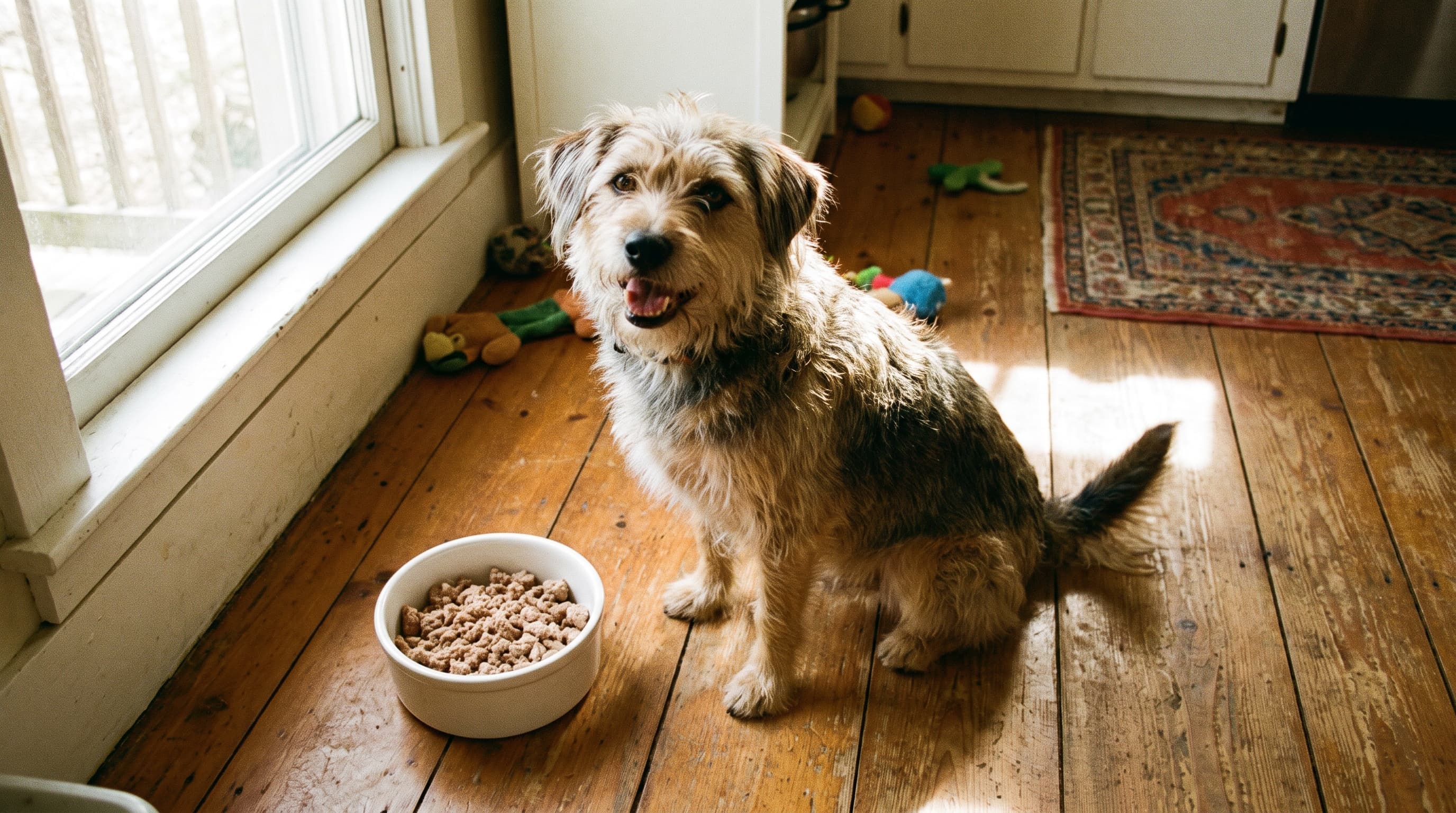

Ground Turkey for Dogs: A Complete Guide to Feeding It Safely
Ground turkey is safe and healthy for dogs when it is lean, plain, and fully cooked with no salt, oil, onion, or garlic. It delivers high-quality protein and nutrients like zinc and selenium. Serve it as a topper or treat making up no more than about 10% of daily calories, and skip all bones and seasonings.
Is Ground Turkey Good for Dogs?
Ground turkey is one of the most dog-friendly proteins you can keep in your fridge. It is lean, widely available, gentle on many sensitive stomachs, and rich in nutrients dogs need. According to PetMD, turkey is safe for dogs as long as it is fully cooked without added ingredients or seasonings and served plain. The American Kennel Club agrees that turkey itself is not toxic to dogs; the danger comes from how it is prepared.
Turkey is actually a common ingredient in commercial dog food for exactly these reasons. When you cook it yourself, the key is keeping it simple. Plain ground turkey can be a nutritious addition to a balanced diet, but it should complement complete dog food rather than replace it. For context on how protein fits into your dog's overall diet, see our guide to choosing the right protein level in dog kibble.
Nutritional Benefits of Ground Turkey
Lean ground turkey packs real nutritional value into an easily digestible package. As Nom Nom notes, properly prepared ground turkey is a protein-rich food that supports canine health. Key benefits include:
- High-quality protein for building and maintaining muscle, skin, and coat.
- Essential amino acids that dogs cannot make on their own.
- Phosphorus to support healthy bones and teeth.
- Zinc for immune function and skin health.
- Selenium and B vitamins that aid metabolism and energy.
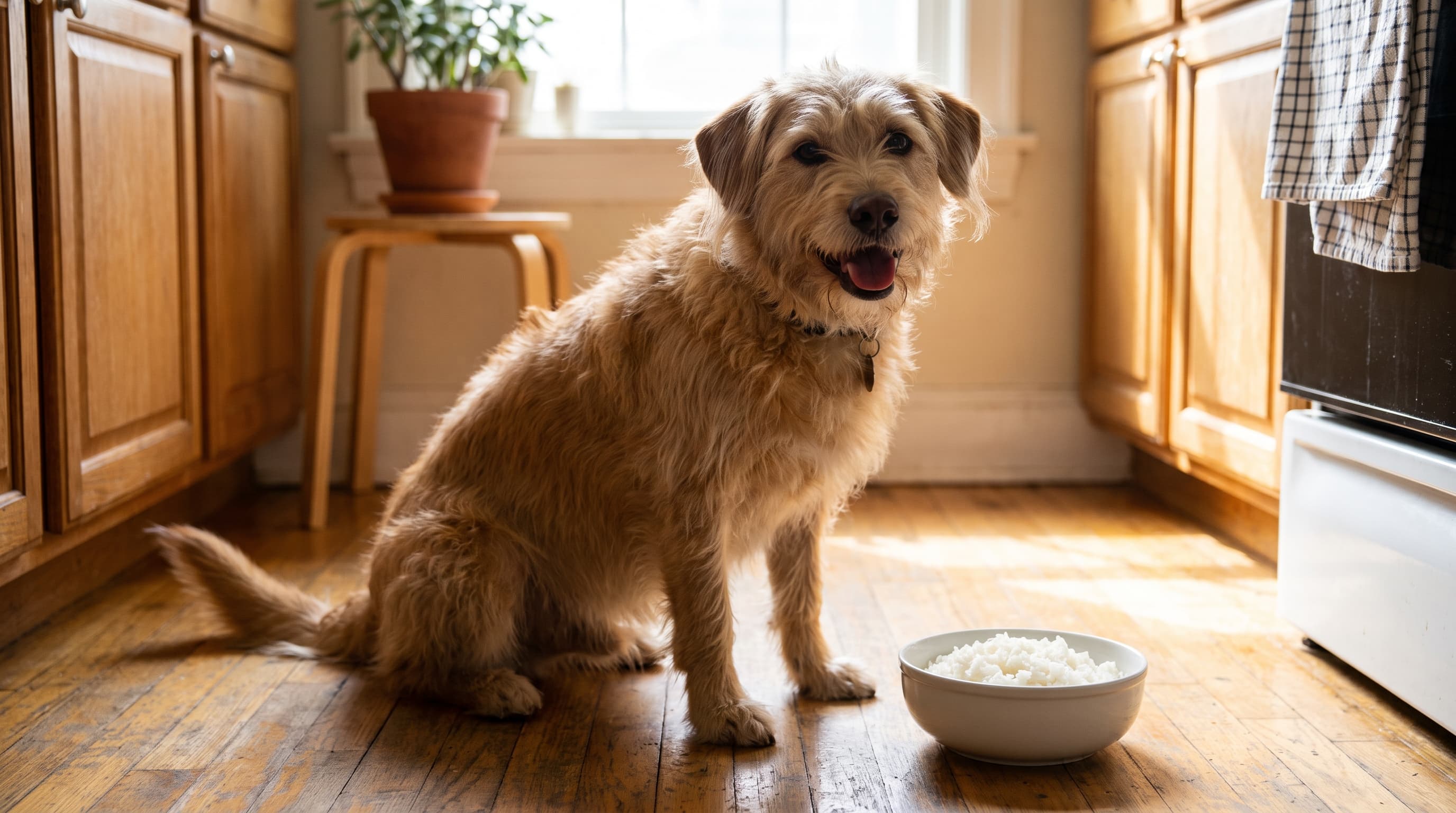
Because it is relatively low in fat when you choose lean varieties, ground turkey is often recommended as a bland, stomach-settling protein, sometimes alongside plain rice, for dogs recovering from mild digestive upset. It also earns a spot among the most useful healthy human foods for dogs.
How to Cook Ground Turkey for Dogs
The safest preparation is the simplest one. Follow these steps:
- Choose lean turkey. 93% lean or leaner keeps fat, and the risk of digestive upset or pancreatitis, lower.
- Cook it thoroughly. Boil or sauté in a dry or lightly water-coated pan until no pink remains and the internal temperature reaches 165°F. Full cooking kills bacteria like Salmonella.
- Add nothing. No salt, butter, oil, broth cubes, onion, garlic, or seasoning blends. Onions and garlic are genuinely dangerous.
- Drain and cool. Pour off excess grease and let it cool to room temperature before serving.
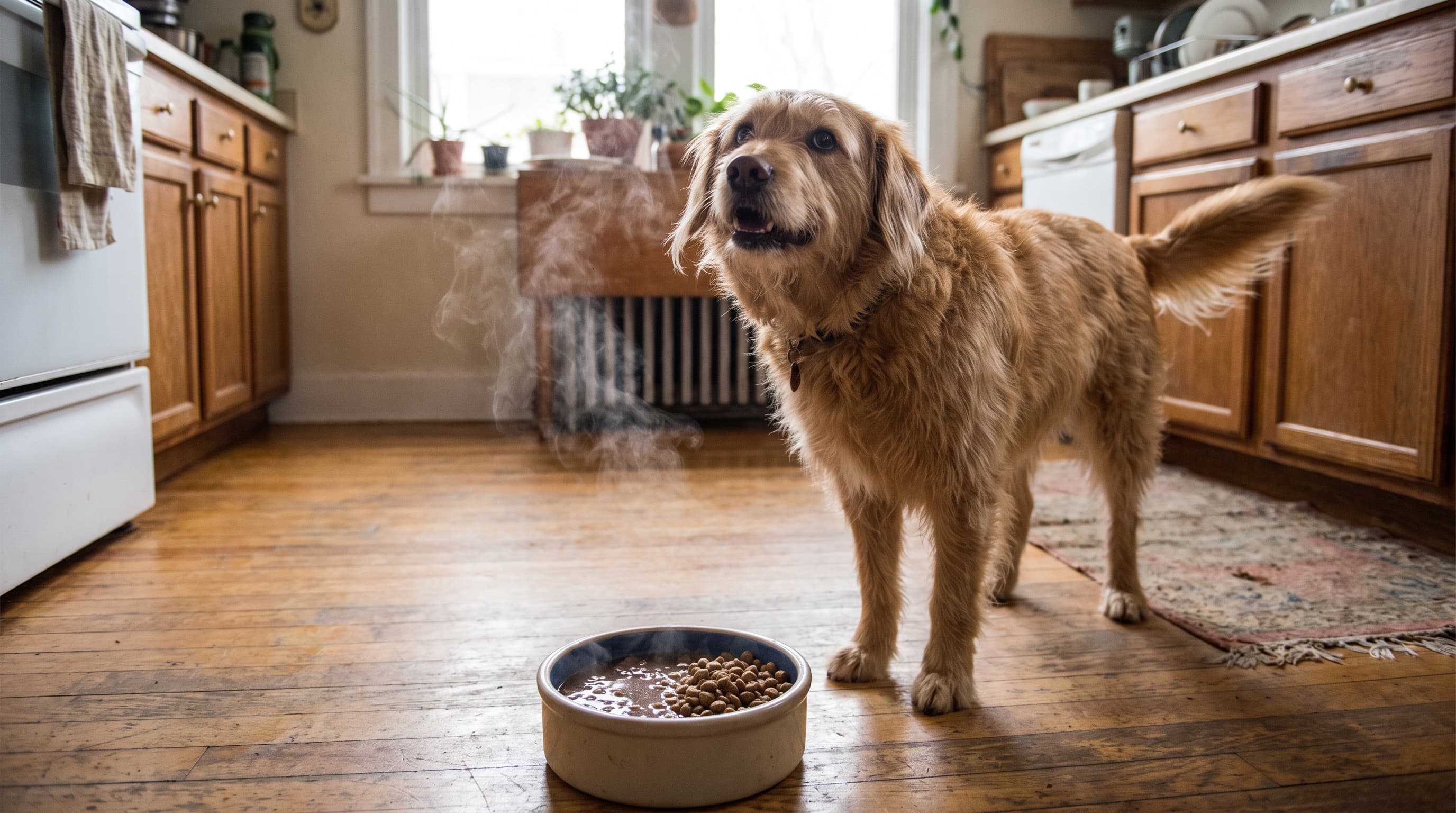
- Portion small. Mix a spoonful into kibble as a topper or use pea-sized cooked pieces as training rewards.
If you want to flavor your dog's regular meals, plain, unsalted broth is a safer option than seasoning the meat; learn more in our guide to chicken broth for dogs.
How Much Ground Turkey Can a Dog Eat?
Treats and toppers, including ground turkey, should make up no more than about 10% of your dog's daily calories, with the remaining 90% coming from a complete and balanced diet. Overdoing any single protein can throw off the careful nutrient balance in commercial food and add unwanted calories.
As a rough starting point, a small dog might get a tablespoon or two of cooked ground turkey, while a large dog could have a few tablespoons. Every dog is different, so adjust based on size, activity level, and your veterinarian's guidance. Introduce it gradually over a few days to watch for any digestive sensitivity.
Risks and Foods to Avoid
Ground turkey is only as safe as its preparation. Watch out for these hazards:
- Seasonings and aromatics. Garlic, onions, chives, and heavy salt are toxic or harmful to dogs. The ASPCA warns that Allium vegetables like onion and garlic can damage red blood cells and cause anemia.
- Turkey bones. Cooked bones can splinter and cause choking or internal injury. Never feed them.
- Excess fat and skin. High-fat trimmings can trigger stomach upset or pancreatitis, as Hill's Pet notes.
- Raw turkey. Raw poultry carries a real risk of bacterial contamination. If you are exploring raw feeding, do it with veterinary guidance; our overview of raw dog food explains the trade-offs.
- Processed turkey. Deli meat, sausage, and seasoned ground blends often contain salt, spices, and preservatives dogs should avoid.
Signs Ground Turkey May Not Agree With Your Dog
Most dogs handle plain ground turkey beautifully, but every dog is an individual. When you introduce it, start small and keep an eye out for signs that it is not sitting well: loose stool or diarrhea, vomiting, gas, or a suddenly itchy dog. Mild, short-lived digestive upset often just means you offered too much too fast, so scale back and go slower. Persistent or severe symptoms, or any reaction that seems like more than a passing upset, are a reason to stop and call your veterinarian. Introducing one new food at a time also makes it far easier to pinpoint the culprit if something does not agree with your dog.
Ground Turkey vs. Other Proteins for Dogs
How does ground turkey stack up against the other proteins you might reach for? Each has a place:
- Ground turkey vs. ground beef. Lean ground turkey is typically lower in fat than standard ground beef, making it a lighter choice for dogs prone to weight gain or sensitive stomachs. Beef offers more iron, but the extra fat can be a drawback.
- Ground turkey vs. chicken. Both are lean, digestible poultry proteins. Turkey is a useful alternative for dogs that have developed a sensitivity to chicken, which is one of the more common canine food allergens.
- Ground turkey vs. fish. Fish brings omega-3 fatty acids that turkey lacks, but turkey is more affordable and easier to prepare safely at home.
Rotating proteins can add variety, but any change should be gradual and, ideally, discussed with your veterinarian, especially for dogs on prescription diets.
Can Ground Turkey Help Dogs With Food Sensitivities?
Turkey is sometimes used in "novel protein" or limited-ingredient diets for dogs suspected of having food sensitivities, particularly those that react to more common proteins like chicken or beef. Because it is a single, identifiable ingredient when cooked plain, home-prepared ground turkey can be helpful during a veterinarian-guided elimination approach.
That said, diagnosing a true food allergy is a job for your vet, not a guessing game at the kitchen counter. Symptoms like chronic itching, ear infections, or digestive upset have many possible causes. If you suspect a sensitivity, work with your veterinarian on a proper plan rather than swapping proteins on your own. And remember that plain ground turkey, however wholesome, is not a complete diet by itself; it lacks the full balance of vitamins, minerals, and fatty acids your dog needs over the long term.
Frequently Asked Questions
Can dogs eat ground turkey every day?
Plain, cooked, lean ground turkey can be part of a daily diet, but on its own it is not complete and balanced. Use it as a topper or mix-in alongside a complete dog food, keeping it within about 10% of daily calories, and consult your vet before making it a large, regular part of meals.
Should I boil or fry ground turkey for my dog?
Boiling or dry-sautéing is best. Both let you cook the meat fully without added oils or seasonings. Frying often adds fat and is harder to keep plain.
Can puppies eat ground turkey?
Yes, in small amounts, plain and fully cooked. Puppies have specific nutritional needs, though, so ground turkey should only be an occasional topper on a complete puppy food. Check with your veterinarian first.
Is ground turkey good for dogs with an upset stomach?
Lean, plain, boiled ground turkey is often used as a bland protein for mild stomach upset, sometimes with plain rice. If symptoms are severe, persistent, or include vomiting, blood, or lethargy, see your veterinarian rather than relying on home feeding.
Can dogs eat raw ground turkey?
It is safest to cook it. Raw poultry can carry bacteria like Salmonella that pose risks to both dogs and the people in the household. If you choose to feed raw, do so under veterinary guidance.
What if I accidentally fed my dog seasoned ground turkey?
A small amount of lightly salted turkey is usually not an emergency, but seasoning with onion or garlic is a concern. Watch for vomiting, diarrhea, weakness, or pale gums, and contact your veterinarian or a pet poison hotline if you notice symptoms.
Feed Smarter, One Meal at a Time
Simple, whole-food toppers like ground turkey are an easy way to boost your dog's meals, as long as you keep them plain and portioned. Want more vet-informed feeding tips, safe-food guides, and recipes delivered to your inbox? Subscribe to the Daily Wag newsletter and never second-guess what is in your dog's bowl again.
This article is for general informational purposes and is not a substitute for professional veterinary advice. Always consult your veterinarian before making significant changes to your dog's diet, especially if your dog has a health condition.